

Pancha Gaya is a unique pilgrimage circuit comprising five sacred sites: Shiro Gaya (Gaya, Bihar), Kashi Gaya (Varanasi), Nabhi Gaya (Jajpur, Odisha), Paada Gaya (Pithapuram, Andhra Pradesh), and Brahma Kapal (Badrinath, Uttarakhand). Together, these divine places form a complete tradition of ancestral worship and spiritual liberation for centuries. Pancha Gaya refers to five sacred pilgrimage centres associated with performing Pind Daan, Shraddha, and Tarpanam for ancestors. According to the tradition, visiting these places and offering rites to one’s forefathers is believed to help attain ancestral peace (Pitru Shanti) and liberation (Pitru Moksha).
-
Shiro Gaya, Bihar
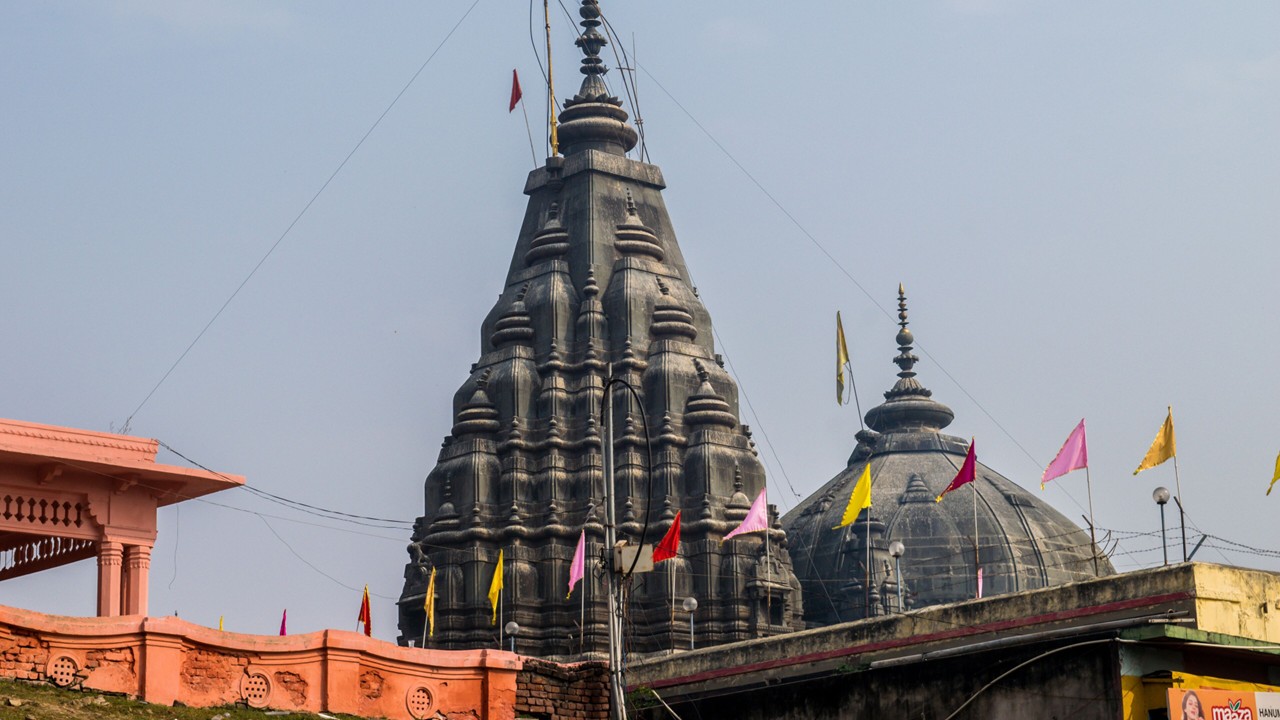
Gaya, on Bihar’s sacred Falgu River, is one of India’s oldest pilgrimage cities and the foremost Pitru Tirtha. It is named after Gayasura, whose penance made him so divine that seeing him granted liberation. To restore cosmic balance, Sri Vishnu asked him to offer his body for a sacrifice and subdued him with His foot, leaving the sacred footprint enshrined in the Vishnupad Temple. Dharmshila marks this spot, known as Shiro Gaya, the “Head of Gayasura.”
In the Ramayana, Sri Rama, Sita, and Lakshmana performed Pind Daan here for King Dasharatha. Gaya’s Akshayavata, the “Immortal Banyan Tree,” alone testified that Sita had performed ancestral rites when others denied witnessing them. She blessed it with immortality, making it central to ancestral ceremonies.
Rebuilt in 1787 by Queen Ahilyabai Holkar, the granite Vishnupad Temple has an octagonal sanctum, carved pillars, and a towering shikhara. Nearby, at Bodh Gaya, Prince Siddhartha attained enlightenment beneath the Bodhi Tree and became the Buddha.
Devotees perform Pind Daan, Shraddha, and Tarpanam along the Falgu River, especially during the Pitru Paksha Mela, when thousands honour their ancestors.
-
Kashi, Varanasi
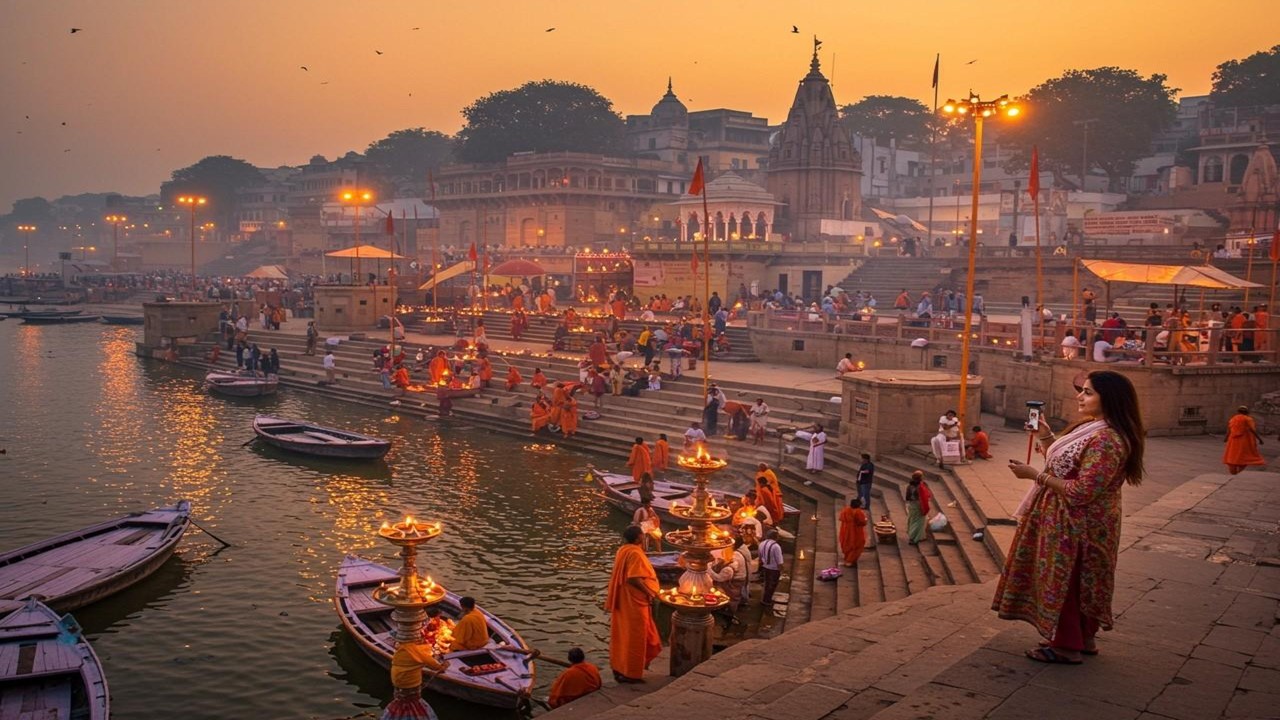
Kashi, on the Ganga in Varanasi, is a Pancha Gaya centre and one of Sanatana Dharma’s oldest living cities. It houses the Kashi Vishwanath Temple, rebuilt by Queen Ahilyabai Holkar in the 18th century.
The Kashi Khanda of the Skanda Purana describes Kashi as Shiva’s eternal abode. Tradition says Vishnu performed penance here and offered the city to Shiva. Manikarnika Ghat was sanctified when an ornament of Shiva and Parvati fell there as they watched Vishnu’s penance. Kashi is also associated with Shiva’s manifestation as an endless Jyotirlinga before Brahma and Vishnu; Vishnu admitted he could not find its limits, while Brahma’s false claim brought punishment.
Kashi is a major centre for Tarpanam, Shraddha, Ganga Snanam, and Deepa Daan, especially at Manikarnika and Dashashwamedha Ghats. Its major observances include Maha Shivaratri, Dev Deepawali, Kartik Purnima, and the daily Ganga Aarti.
-
Badrinath, Uttarakhand
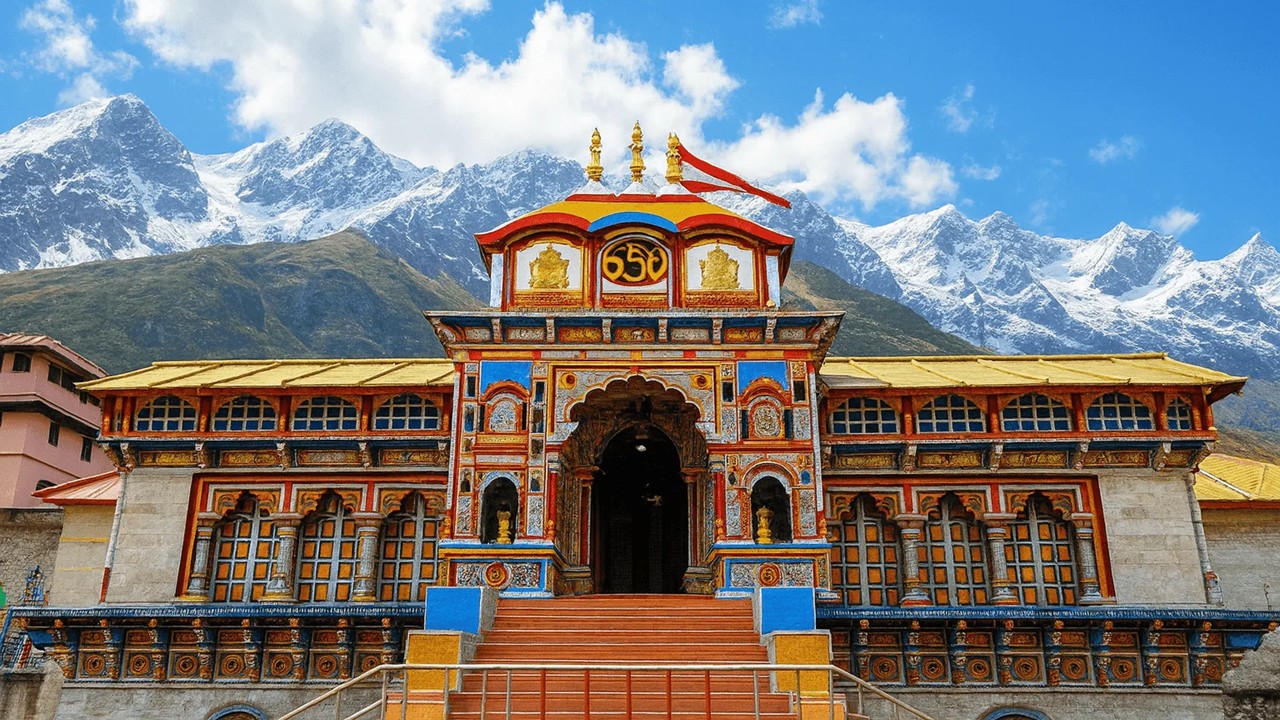
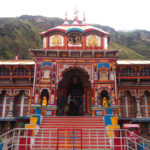
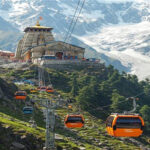
Badrinath, nestled in the Garhwal Himalayas of Uttarakhand on the banks of the Alaknanda River, is one of the major shrines in Sanatana Dharma and the northern seat of the Char Dham pilgrimage. Dedicated to Sri Vishnu as Badrinarayan, it is one of the 108 Divya Desams revered in Sri Vaishnavism.
According to the tradition, Sri Vishnu, incarnating as the twin sages Nara and Narayana performed intense penance here, while Goddess Lakshmi protected Him from the harsh Himalayan climate by taking the form of a Badri (berry) tree, giving the region its name, Badarikashrama. In Mahabharata, the Pandavas are believed to have passed through this region during their final journey to heaven, known as the Swargarohana Yatra.
Revived by Adi Shankaracharya, who recovered the Badrinarayan deity from Narada Kund, Badrinath remains a major centre of Vishnu worship. Brahma Kapal is especially revered for ancestral rites (Pind Daan), while festivals such as Mata Murti Ka Mela and Badri-Kedar Utsav celebrate the temple’s spiritual heritage. In the Pancha Gaya pilgrimage, Badrinath symbolizes ancestral liberation and eternal peace.
-
Paada Gaya, Pithapuram
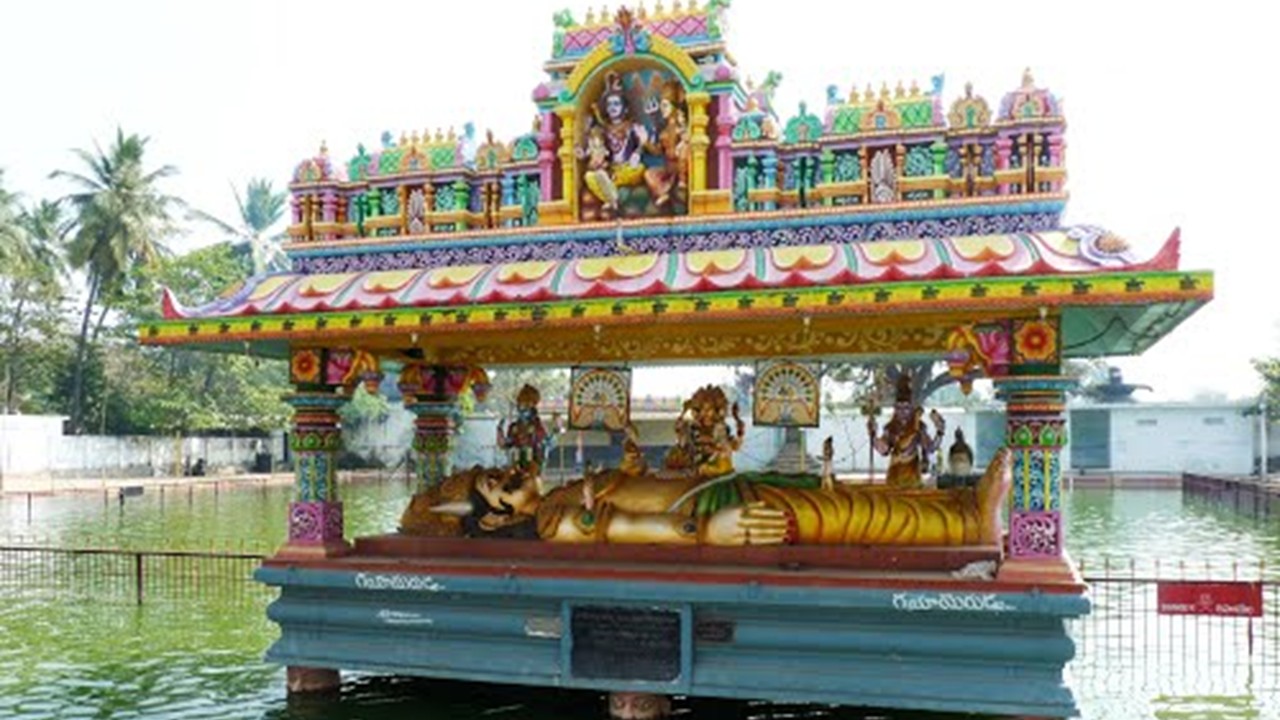
Paada Gaya, located in Pithapuram, Andhra Pradesh, is one of the sacred Pancha Gaya Kshetras and is associated with the feet of Gayasura. According to the history, Gayasura gained immense power through penance to Sri Vishnu, causing distress to the devatas. The Trimurti’s approached him in the guise of Brahmins and requested a place to perform a yajna. Gayasura generously offered his own body as the sacrificial altar and promised not to move until the ritual was completed. After six days of yajna, Shiva assumed the form of a cock and crowed before dawn. Mistaking it for sunrise, Gayasura rose, breaking his vow. The Trimurti’s then subdued him, and his body fell in three sacred locations: the head at Gaya (Bihar), the navel at Jajpur (Odisha), and the feet at Pithapuram. The sacred pond here, known as Paada Gaya Pushkarini, is believed to absolve devotees of sins.
The temple is known as Sri Kukkuteswara Swamy Temple, commemorating Shiva’s cock form. Within the complex are the Puruhutika Devi Temple, one of the eighteen Shakti Peethas, there is Sri Pada Srivallabha Dattatreya Shrine, which is revered as the birthplace of Dattatreya.
Devotees believe that performing Pind Daan, Shraddha, and Tarpanam at Paada Gaya helps remove ancestral afflictions, grants peace to forefathers, and brings prosperity to descendants.
-
Nabhi Gaya, Jajpur
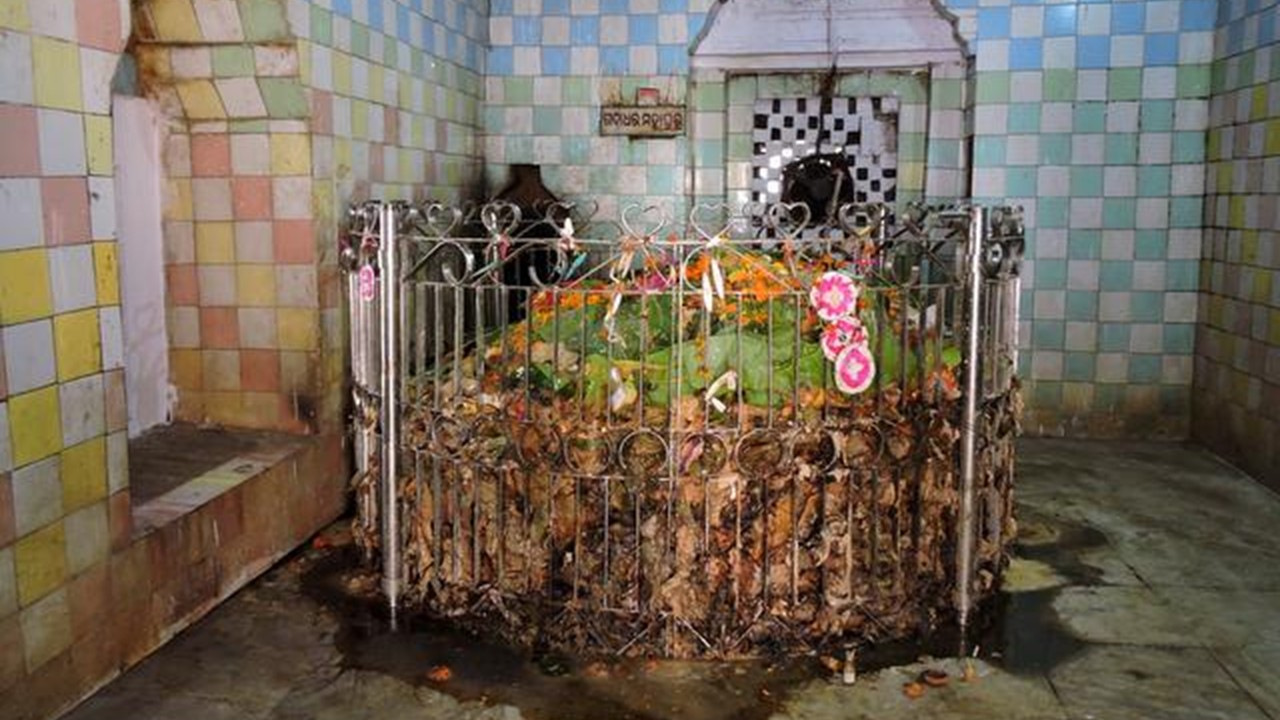
Nabhi Gaya, located within the sacred Biraja Temple complex at Jajpur, Odisha, is one of the most important centres of ancestral worship in the Pancha Gaya pilgrimage. According to Puranic tradition, when Gayasura offered his body for a divine yajna, Lord Brahma performed the sacrifice at the location corresponding to Gayasura’s navel.
This sacred site later became known as Nabhi Gaya, making Jajpur a revered Pitru Tirtha, where devotees perform rites for the peace and liberation of their ancestors. At the heart of the temple complex lies the Nabhikupa (Nabhi Well), a sacred circular well where pilgrims offer Pind Daan and other ancestral rituals.
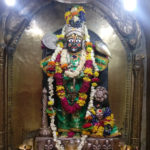
Nabhi Gaya is also deeply connected with Mata Biraja, the presiding deity of the temple and one of the revered Shakti Peethas. Another sacred tradition states that the navel of Goddess Sati fell at this spot during the aftermath of the Daksha Yajna, further enhancing the spiritual significance of Jajpur.
Leave a Reply