

Shri Siddhivinayak Ganesh Mandir
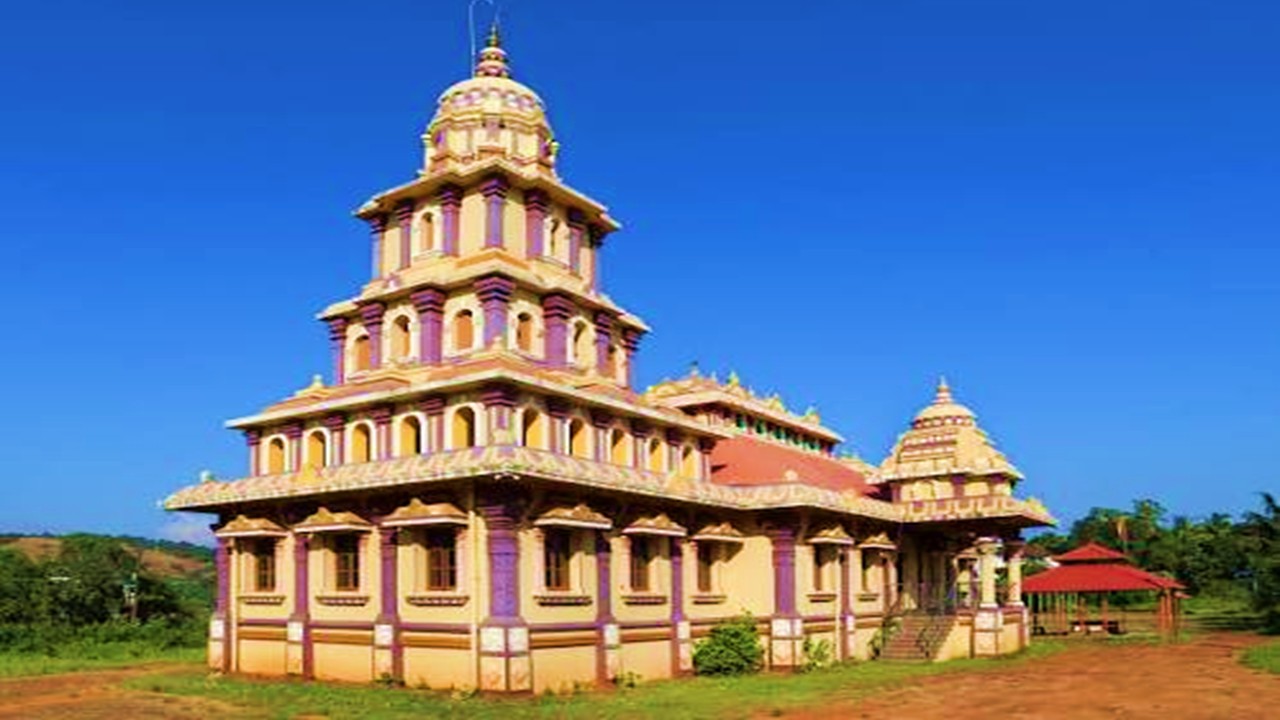
Shri Siddhivinayak Ganesh Mandir in Candolim, Goa is a revered temple dedicated to Sri Ganesh, the remover of obstacles and harbinger of prosperity. Nestled in a peaceful setting, it offers a serene escape for devotees and visitors seeking spiritual solace. The temple is admired for its beautiful architecture, tranquil ambiance, and strong devotional atmosphere. Devotees visit to offer prayers and seek blessings for success, health, and well-being. During Ganesh Chaturthi, the temple comes alive with vibrant celebrations, attracting large numbers of devotees.
Madhur Shree Madanantheshwara-Siddhivinayaka Temple
Madhur Shree Madanantheshwara-Siddhivinayaka Temple is a revered shrine located on the banks of the Mogral River near Kasaragod, Kerala. Dedicated primarily to Sri Shiva as Madanantheshwara, the temple gives special prominence to Sri Ganapathi, who is worshipped in the main sanctum. The temple is renowned for its spiritual significance, serene riverside setting, and rich heritage. Its unique three-tiered Gajaprishta architecture resembles the back of an elephant, symbolizing strength and devotion. Intricate wooden carvings of Sri Ganesha in various poses and scenes from the Ramayana adorn the temple walls. With its majestic gopurams, tranquil atmosphere, and sacred shrines, the temple attracts devotees seeking blessings, peace, and prosperity.
Malliyoor Sree Maha Ganapathy Temple
Malliyoor Sree Maha Ganapathy Temple, located in Kottayam, Kerala, is one of the most revered pilgrimage centers dedicated to Sri Ganesha. The temple is renowned for its unique Vaishnava Ganapathy Deity, depicting young Sri Krishna seated on the lap of Sri Ganesha. Revered as the God of Wisdom, Learning, and the Remover of Obstacles, Sri Ganesha attracts devotees from across India. The temple’s spiritual significance is deeply connected to the devotion and penance of Brahmasree Malliyoor Sankaran Namboothiri.
Thousands of pilgrims visit the shrine seeking blessings for prosperity, wisdom, and relief from life’s challenges. With its divine atmosphere and unique deity, Malliyoor remains a cherished destination for faith, devotion, and spiritual fulfillment.
Kottarakkara Ganapathy Temple
Kottarakkara Ganapathy Temple, one of South India’s most revered temples, is historically a Shiva temple originally known as Kizhakkekara Shiva Kshethram. Although Sri Shiva remains the presiding deity, Sri Ganapathy became the temple’s most celebrated and widely worshipped deity. According to tradition, the master craftsman Perumthachan carved a Ganapathy Deity during a temple consecration and later installed it at Kizhakkekara Temple. The Deity completed the divine Shiva family presence within the temple, enhancing its spiritual significance. The temple is especially famous for its sacred Koottappam (Unniyappam) offering to Sri Ganapathy, a tradition that continues to this day.
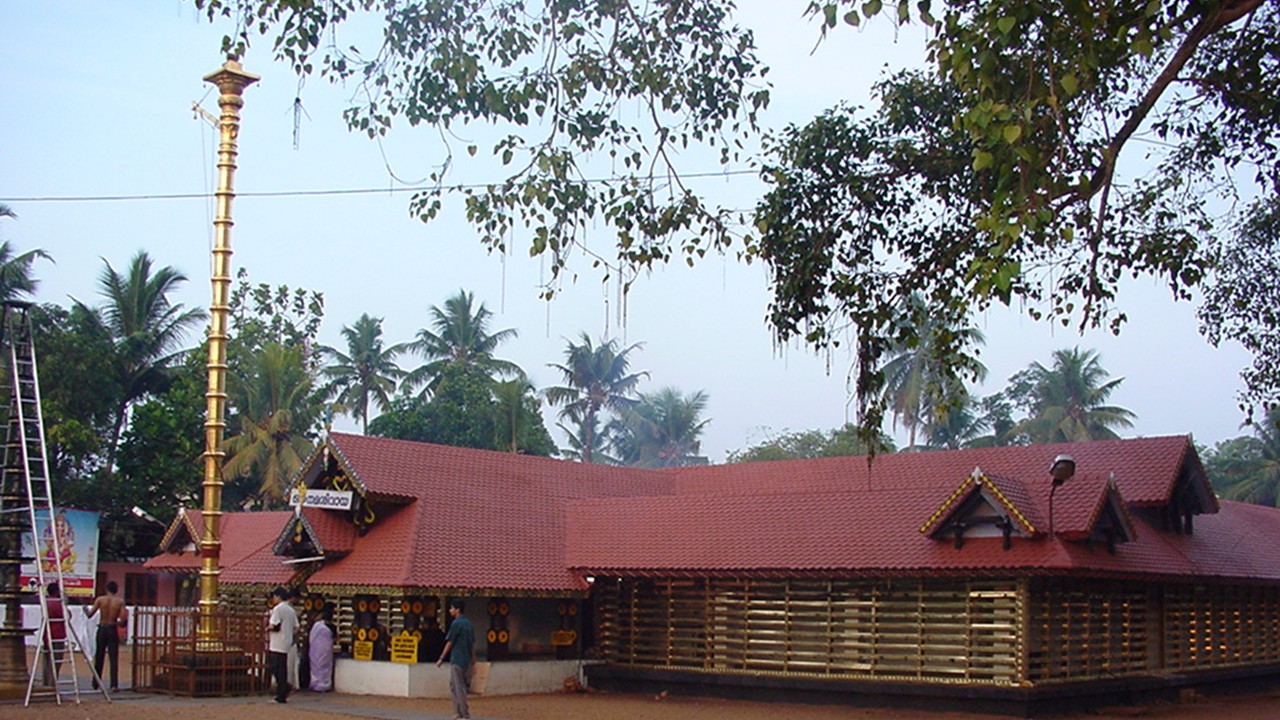
Sree Mahaganapathy Temple
Sree Mahaganapathy Temple, Pazhavangadi, one of Kerala’s most revered Ganapathy shrines, is dedicated to Sri Ganesha, the remover of obstacles and bestower of wisdom and prosperity. According to tradition, the sacred Deity was discovered by a Nayar guard in the Puthanar stream and later became the guardian deity of the Travancore military forces. The Deity was brought to Thiruvananthapuram in 1760 and installed at its present location in Pazhavangadi in 1765, where it continues to be worshipped on the original peedam. The unique four-faced Sree Prapancha Ganapathy Deity symbolizes the universal form of Ganesha, making the temple a powerful center of devotion, heritage, and spiritual significance.
Khajrana Ganesh Temple
Khajrana Ganesh Temple, located in Indore, Madhya Pradesh, is a renowned Hindu shrine dedicated to Sri Ganesha and was built by Maharani Ahilyabai Holkar of the Holkar dynasty. According to tradition, the sacred Deity was recovered from a well where it had been hidden during the Mughal era because of attack from Aurangazeb and was later enshrined at the temple. The temple is famous for its unique tradition of devotees tying threads while praying for the successful fulfilment of their wishes. Over the years, it has grown into a magnificent temple adorned with silver-clad sanctum walls and a diamond-eyed deity, attracting thousands of devotees seeking blessings, prosperity, and success.
Chintamani Temple
Chintamani Temple, Theur, near Pune, is one of Maharashtra’s most revered Ashtavinayak shrines dedicated to Sri Ganesha, worshipped as Chintamani, the remover of worries and bestower of peace. Temple lore recounts how Sri Ganesha retrieved the wish-fulfilling Chintamani jewel from the greedy king Gana and returned it to the sage Kapila, earning the name Chintamani. The temple is deeply associated with the saint Morya Gosavi and received significant patronage from the Peshwa rulers, particularly Madhavrao I, who helped expand and renovate it. Situated near the confluence of the Bhima and Mula-Mutha rivers, the temple remains a major pilgrimage destination, attracting devotees seeking wisdom, prosperity, and freedom from worries.
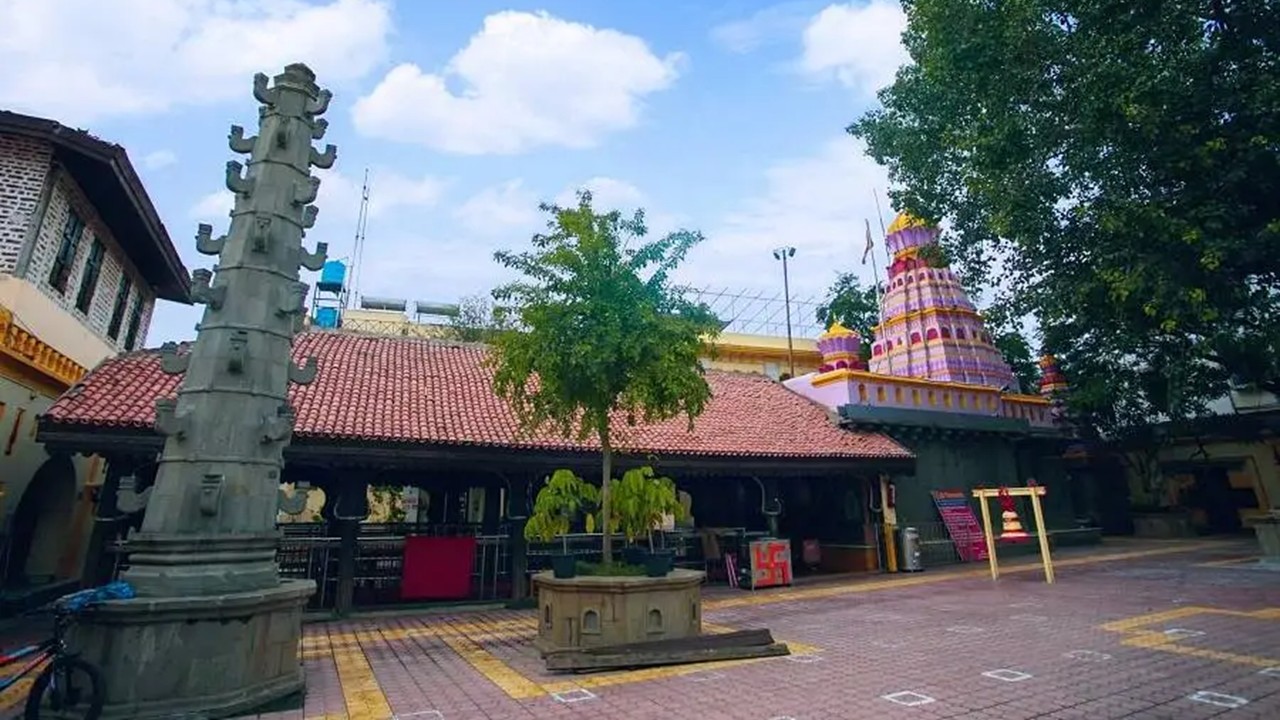
Shri Shami Vighnesh Ganpati Temple
Shri Shami Vighnesh Ganpati Temple, located on a hilltop in Adasa near Nagpur, is the most prominent shrine of the Vidarbha Ashtavinayak circuit and one of Maharashtra’s 21 sacred Ganesh kshetras. The temple is renowned for its magnificent 12-foot-high Swayambhu (self-manifested) Ganesh Deity, believed to have emerged from a sacred Shami tree to destroy evil and remove obstacles. Associated with the form of Nritya Ganesh (Dancing Ganesha) and mentioned in the Ganesh Purana, it is among the largest and most revered Ganesh shrines in Vidarbha. Featuring ancient Hemadpanti architecture and a sprawling 11-acre complex, the temple attracts thousands of devotees during Ganesh Chaturthi and other major festivals.
Shri Bhalchandra Ganapati Temple
Shri Bhalchandra Ganapati Temple, located in Limbaganesh village of Beed district, Maharashtra, is a revered shrine dedicated to Sri Ganesha in his unique Bhalchandra form, adorned with the crescent moon on his forehead. Steeped in Puranic tradition, the temple is believed to have been established by Chandradev and is associated with the tradition of Ganesha blessing the Moon after a period of penance. Situated on the banks of the Ganeshi River, the 16th-century temple showcases traditional Hemadpanti architecture. A major pilgrimage, which attracts thousands of devotees during Ganesh Chaturthi and Sankashti Chaturthi, who seek blessings for prosperity, wisdom, and the removal of obstacles.
Shri Ashapurak Ganapati Temple
Shri Ashapurak Ganapati Temple, located in Namalgaon, Beed district, is a revered Ganesh shrine known as wish-fulfilling form of Sri Ganesha and is an important Ashtavinayak temple of the region. Believed to be 700–800 years old, the temple is associated with the devotion of Nama, a fisherman whose penance earned Sri Ganesha’s divine blessings. Tradition links the shrine to Yamaraja, who is said to have been freed from a severe curse after worshipping Sri Ganesha here. Situated near the confluence of the Karpura, Narada, and Bindusara rivers, the temple attracts devotees during Ganeshotsav, Sankashti Chaturthi, and the annual ceremonial wedding of Ganesha with Riddhi and Siddhi.
Shree Kshetra Padmalaya
Shree Kshetra Padmalaya, near Jalgaon, Maharashtra, is one of India’s most revered Ganesh pilgrimage centers and is honoured as one of the Two and a Half Ganesh Peethas. The temple is unique for housing two Swayambhu (self-manifested) coral Deities of Sri Ganesha, known as Amod and Pramod, with right and left-curving trunks. Built atop a hill overlooking a sacred lotus pond, the temple derives its name from the Sanskrit words Padma (lotus) and Alaya (abode). Surrounded by natural beauty and sacred landmarks, Padmalaya attracts devotees seeking Sri Ganesha’s blessings, spiritual fulfilment, and prosperity.
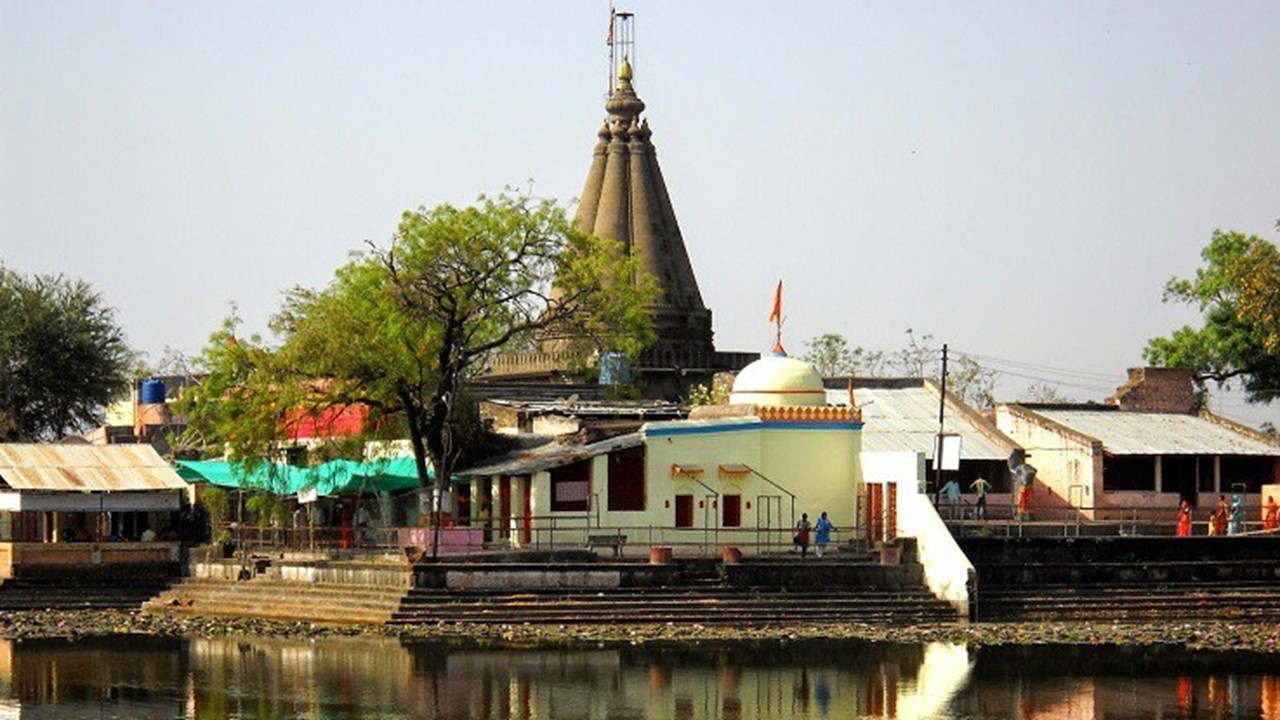
Sudha Svet Vighnesh Kshetra
Thiruvalanchuzhi Swetha Vinayakar Temple, located in Thiruvalanchuzhi, Tamil Nadu, is famed for its rare White Ganesha Deity, believed to have been created by Sri Indra from sea foam before the Churning of the Ocean of Milk. According to legend, the Devas worshipped this sacred form of Ganesha to overcome obstacles and successfully obtain the divine nectar of immortality. The temple is renowned for its unique deity, which is considered so delicate that no abhishekam is performed and the Deity is never touched. Instead, priests offer worship by gently sprinkling green camphor, earning the deity the revered title “Theendath Thirumeni”, meaning “the sacred form that must not be touched.”
Shree Ganesh Temple – Rajsadan kshetra
Shree Ganesh Temple, Rajur, located in Jalna district, Maharashtra, is a revered Ganesh pilgrimage site and one of the sacred Ashtavinayak temples of Marathwada. Perched atop a hill, the temple is believed to be associated with ancient traditions from the Ganesh Purana and has attracted devotees for centuries. The shrine is renowned for its spiritually significant Deity of Sri Ganesha, worshipped as a bestower of prosperity, wisdom, and the remover of obstacles. Surrounded by a serene natural setting, the temple draws thousands of pilgrims, especially during Ganesh Chaturthi and other major festivals.
Shree Siddhivinayak Ganapati Temple
Shree Siddhivinayak Ganapati Temple, located in Prabhadevi, Mumbai, is one of India’s most revered Ganesh shrines, attracting millions of devotees seeking blessings for success, prosperity, and the removal of obstacles. Consecrated in 1801, the temple houses a distinctive black stone Deity of Sri Siddhivinayak with a rare right-curving trunk, flanked by Riddhi and Siddhi. Renovated between 1990 and 1993, the temple evolved into a magnificent architectural landmark crowned with a gold-plated dome and elegant spires. Today, it stands as a symbol of faith, devotion, and spiritual heritage, making it one of Maharashtra’s most visited destinations.
Shreemant Dagdusheth Halwai Ganpati
Shreemant Dagdusheth Halwai Ganpati, one of Pune’s most revered Ganesh temples, traces its origins to the public Ganesh festival movement inspired by Lokamanya Tilak in 1893, promoting social unity and cultural awakening. Following personal tragedy, Dagdusheth Halwai’s family established a Ganesh Deity and temple tradition that grew into a major center of devotion. In 1968, a new clay Deity incorporating a sacred Ganesh Yantra was ceremonially consecrated, marking a significant chapter in the temple’s history. Today, the grand temple stands as a symbol of faith, heritage, and public devotion, attracting millions of devotees from across India and the world.
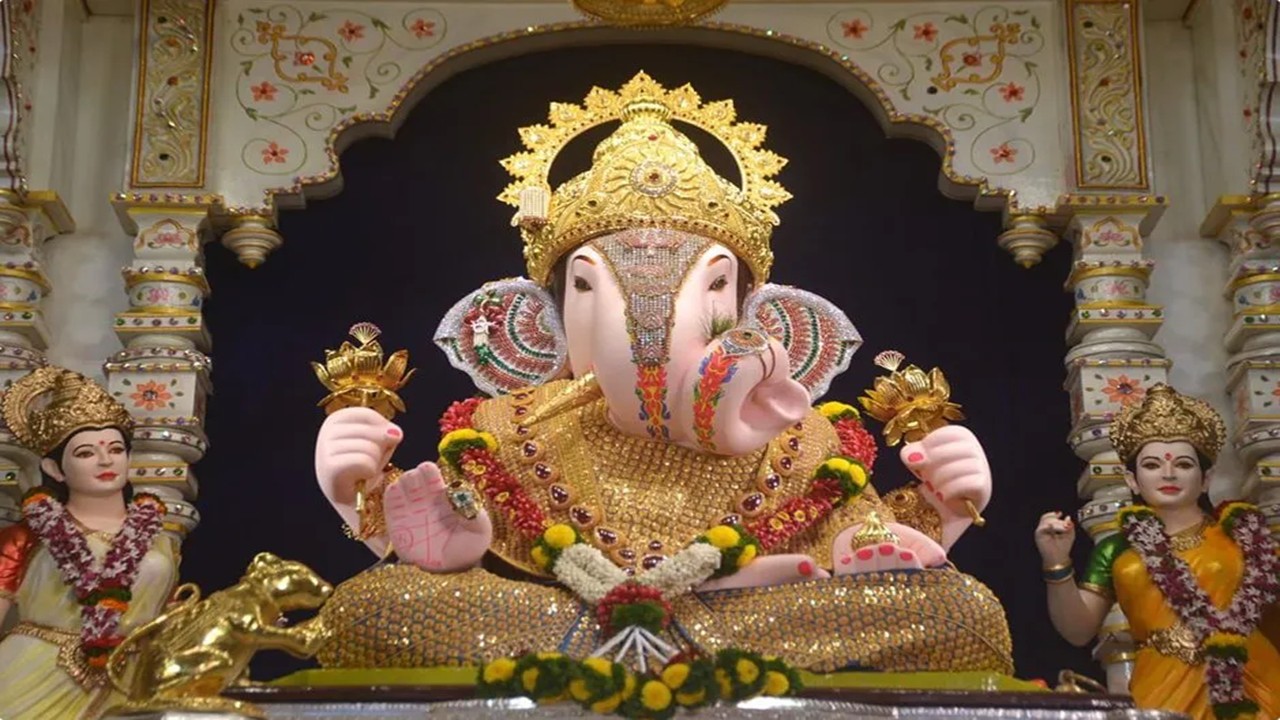
Pillaiyarpatti Karpaga Vinayagar Temple
Pillaiyarpatti Karpaga Vinayagar Temple, located near Karaikudi in Tamil Nadu, is an ancient rock-cut cave temple renowned for its 6-foot-tall Karpaga Vinayagar Deity, one of the oldest representations of Sri Ganesha in India.
To be over 1,300 years old, the temple features a unique north-facing Ganesha with a right-curving trunk (Valampuri Vinayakar) carved directly from the rock. The temple complex showcases remarkable cave architecture, ancient inscriptions, and shrines dedicated to Sri Shiva, Mata Sivakami, and other deities, reflecting its rich spiritual heritage. A major pilgrimage site in Tamil Nadu, the temple attracts devotees seeking wisdom, prosperity, and divine blessings from the revered Karpaga Vinayagar.
Kanipakam Vinayaka Temple
Sri Varasiddhi Vinayaka Swamy Temple, Kanipakam, located on the banks of the Bahuda River in Andhra Pradesh, is renowned for its Swayambhu (self-manifested) Ganesha Deity, believed to have emerged from a well discovered by three differently abled brothers who were miraculously cured. The deity is revered for its divine power and is believed to be continuously growing, with the sacred well around the Deity remaining filled with water throughout the year. Temple traditions also associate the shrine with the Bahuda River and miraculous acts of Sri Ganesha, symbolizing justice, compassion, and spiritual transformation. Widely known as “Sathya Pramanala Nilayam” (Abode of Truthful Oaths), the temple attracts thousands of devotees who seek blessings, resolution of disputes, and the removal of obstacles.
Sri Idagunji Mahaganapati Temple
Sri Idagunji Mahaganapathi Temple, located on Karnataka’s scenic Karavali coast, is an ancient 1,500-year-old shrine dedicated to Sri Ganesha and is one of the most important pilgrimage centers in South India. The temple is renowned for its unique Dwibhuja Ganapathi Deity, a rare standing form of Ganesha holding a lotus and modaka, carved from black stone. Steeped in history and mentioned in the Skanda Purana, the temple attracts over a million devotees annually who seek blessings for success, peace, and the removal of obstacles. Famous for its sacred Panchakhadya prasadam and serene surroundings near the Sharavathi River, Idagunji remains a cherished spiritual destination in Karnataka.
Shri Vinayaka Temple
Shri Vinayaka Temple, Guddattu, nestled amidst the lush forests of Udupi district, Karnataka, is a unique and revered shrine dedicated to Sri Vinayaka. The temple is renowned for its self-manifested (Swayambhu) Ganesha Deity, enshrined in a natural rock cave with a perennial stream flowing nearby. Surrounded by scenic hills and serene greenery, the temple offers a distinctive spiritual experience that blends faith with nature. A popular pilgrimage destination, Guddattu attracts devotees seeking Sri Ganesha’s blessings for prosperity, protection, and the removal of obstacles.
Dhundhiraj Vinayaka Temple
Dhundhiraj Vinayaka Temple, located in Varanasi, is one of the most sacred Ganesh shrines in Kashi and is revered as the city’s principal Vinayaka. Devotees traditionally seek Sri Dhundhiraj’s blessings before visiting the renowned Kashi Vishwanath Temple. According to ancient traditions, the deity manifested to protect Kashi and remove obstacles from the spiritual path of devotees. The temple remains an integral part of the Kashi pilgrimage, attracting worshippers seeking wisdom, success, and divine grace.
Mundkatiya Temple
Mundkatiya Temple, near Haridwar, Uttarakhand, is a rare shrine where Sri Ganesha is worshipped in a headless form. The temple symbolizes the sacred moment before Sri Shiva replaced Ganesha’s severed head with that of an elephant. Its name, “Mundkatiya,” means “the severed head,” reflecting its unique traditional significance. The temple attracts devotees seeking blessings for protection, transformation, and the removal of obstacles. Deeply connected to one of Sanatana’s most significant traditions, the shrine represents obedience, sacrifice, and divine rebirth. Its distinctive form of worship makes Mundkatiya Temple a unique and important pilgrimage destination in Uttarakhand.

Leave a Reply