
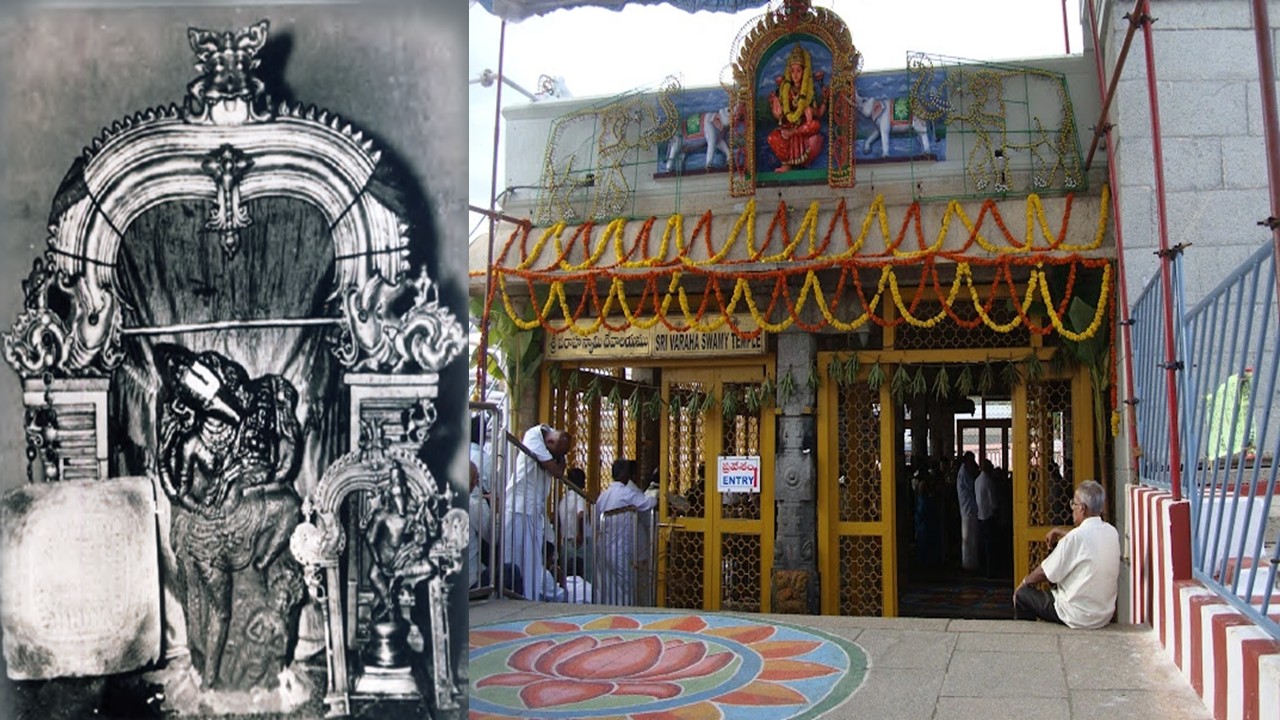
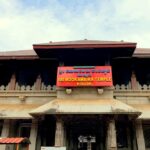
Sri Bhu Varaha Swamy Temple, Srimushnam
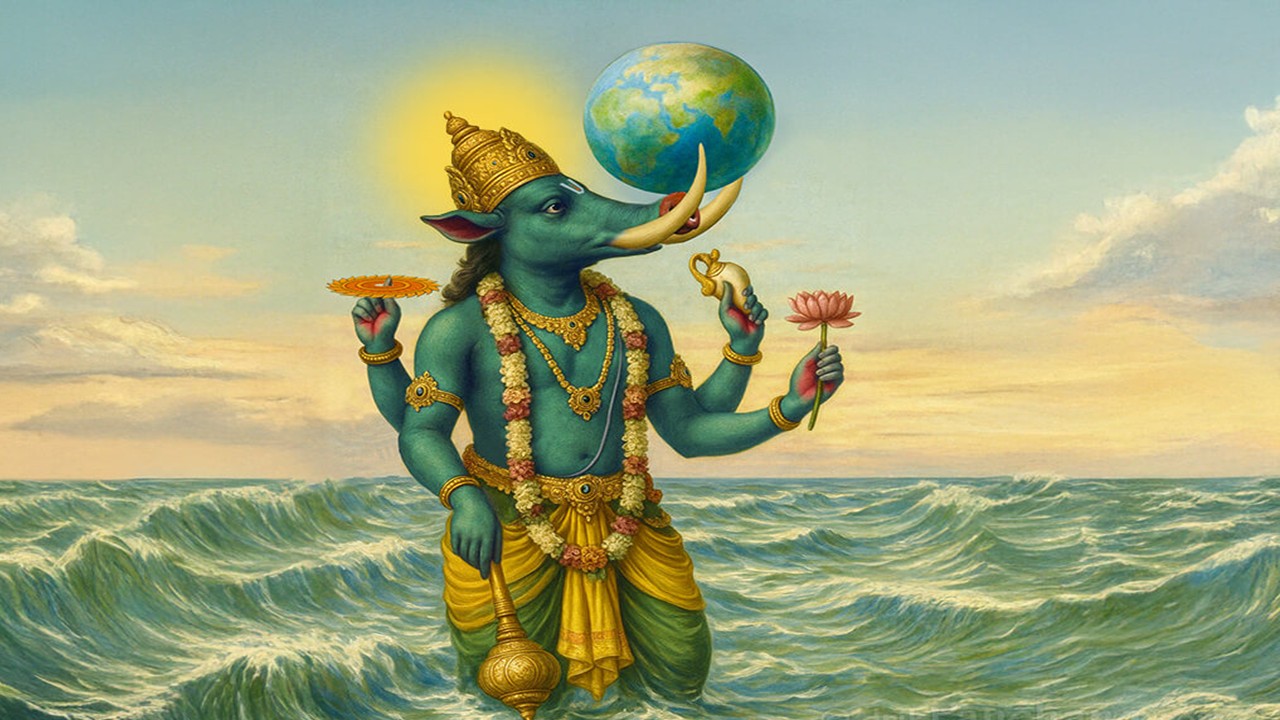
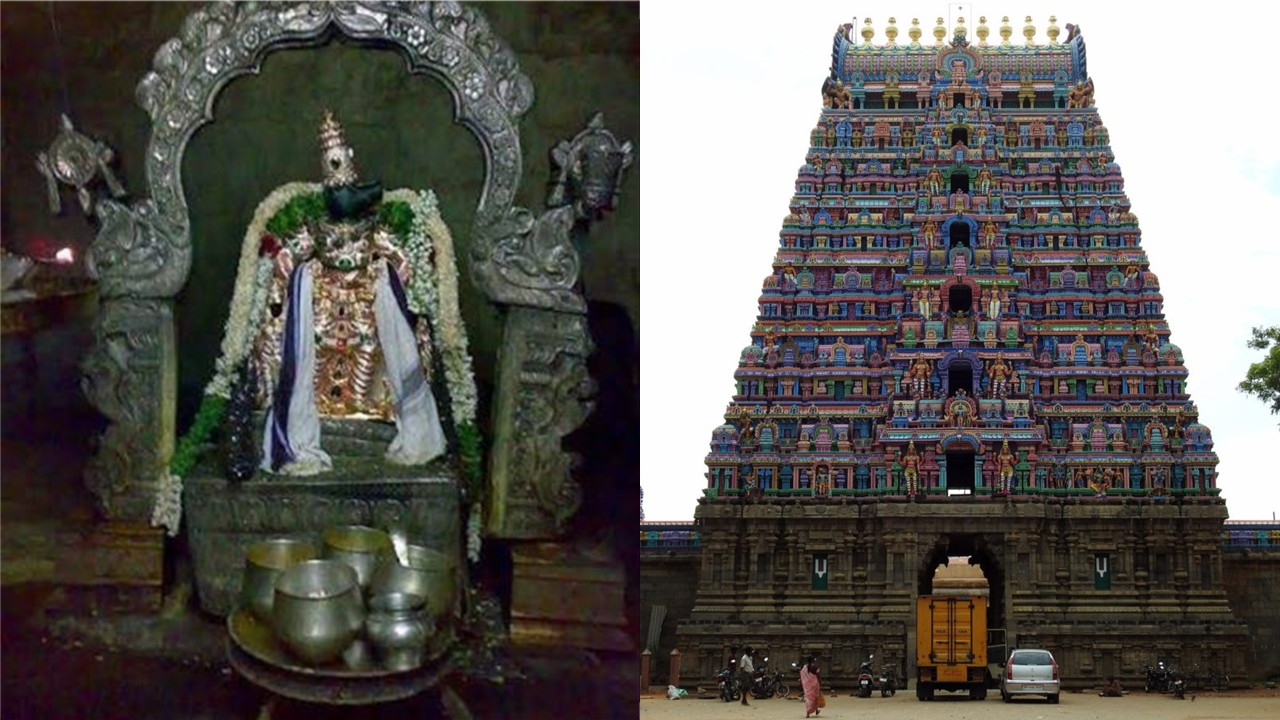
The Presiding Deity of the temple is Sri Varaha Swamy, having the boar face facing South and body facing west.
One
of the rare specialities of the temple is that Tirumanjanam is offered to Varaha Swamy every day. Another speciality is offering of Korai Kazhangu to Varaha Swamy as daily prasadam. There is Nithya Pushkarini behind the temple premises that was created from the sweat of Varaha Swamy during the fight with Hiranyaksha.This is a temple to visit for those childless couples, who are waiting for the progeny. The couples should take bath in Nithya Pushkarini and circumambulate around the Peeple tree 12 times and have the darshan of Varaha Swamy and recite Varaha Kavacham. Also, should distribute milk and fruits to small children. He definitely blesses those who offer their sincere prayers.
Masi (Magha) Masam and Chithirai (Chaitra) Masam Brahmotsavam are the major festivals celebrated at this temple.
Baraha Kshetra, Nepal
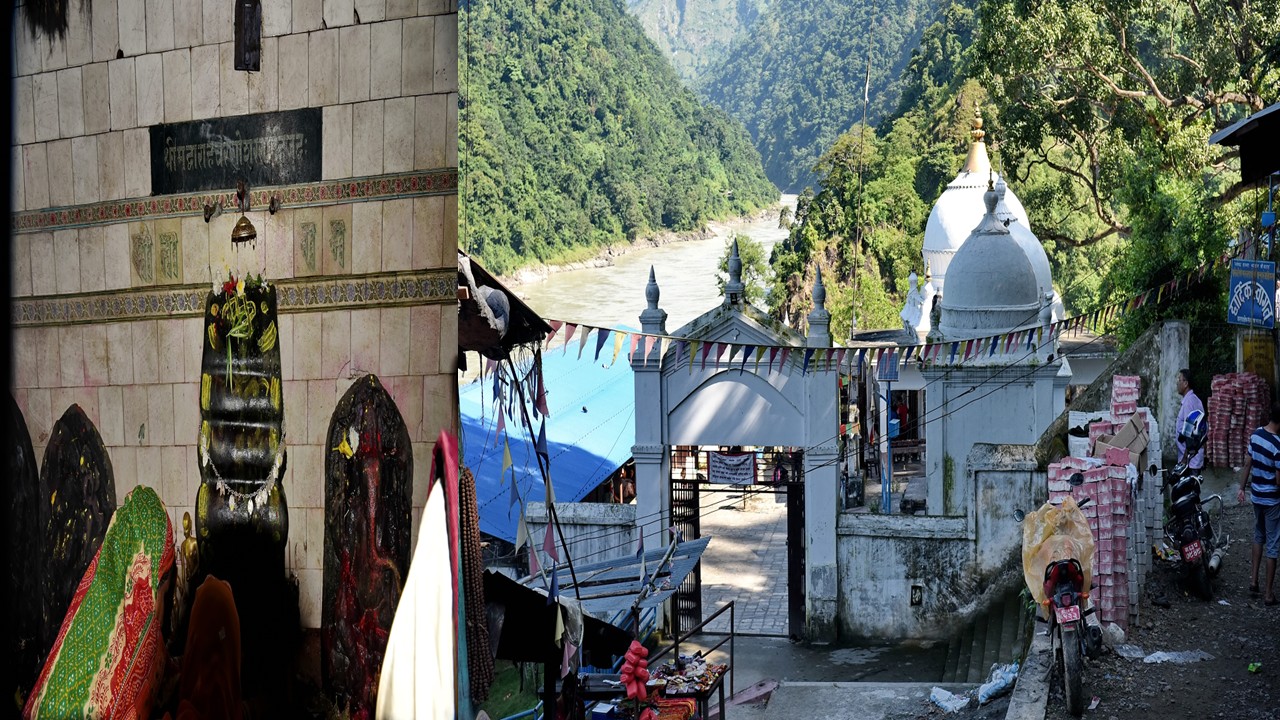
According to the sacred tradition associated with Varaha Kshetra, Bhagwan Vishnu manifested as Varaha to restore the Earth and protect creation from destruction. After accomplishing this divine task, Bhagwan Varaha remained at this sacred region, making it a blessed Varaha Kshetra.
Yajna Varaha Temple, Jajpur, Odisha
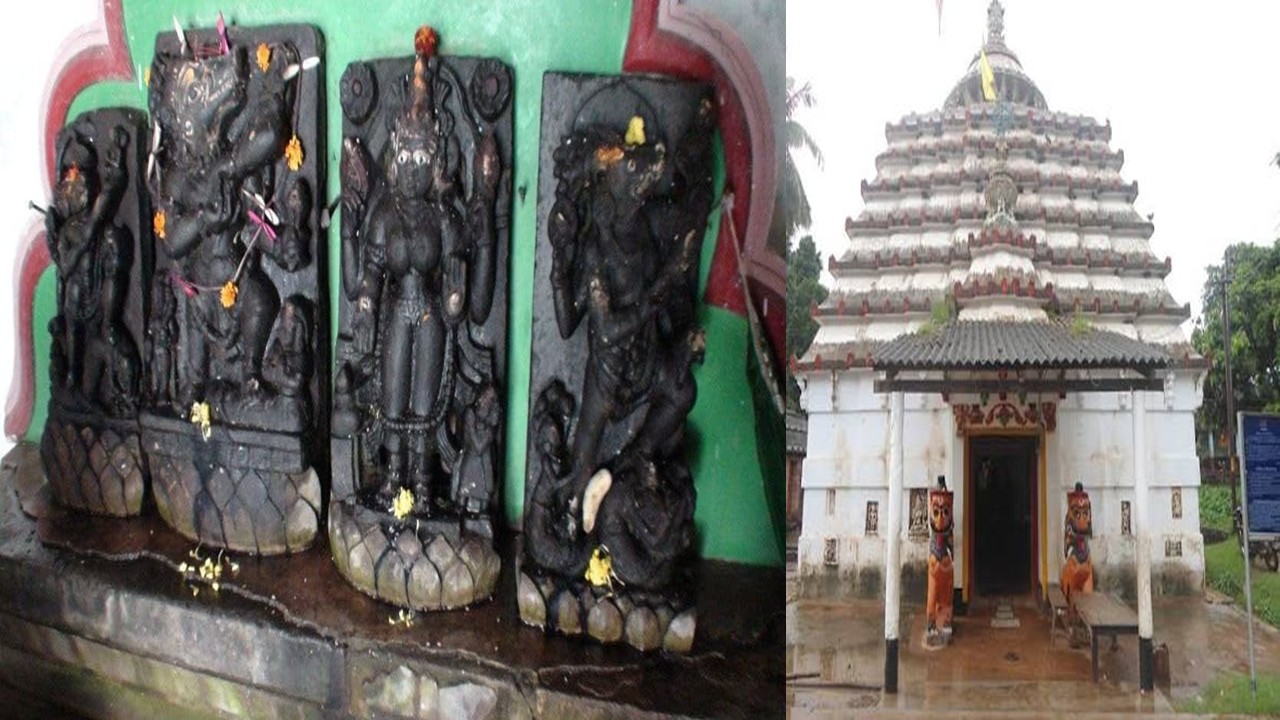
Yajna Varaha is worshipped as the divine form of Vishnu and the preservation of Dharma. The temple is particularly important during Varaha Jayanti, when devotees offer prayers and seek the blessings of Bhagwan Varaha.
In ancient times, Brahma Deva performed an Ashvamedha Yajna at this sacred place after realising that the Vedas had been stolen. He prayed to Bhagwan Vishnu and sought His help in recovering the sacred scriptures. Upon the completion of the Yajna, Bhagwan Vishnu appeared in His Varaha Avatar, rescued Bhudevi (Mother Earth) and recovered the stolen Vedas. From then onwards, the place came to be known as Jajfiapura or Jajpur, deriving its name from the sacred Yajna performed by Brahma.
Originally, four forms of Bhagwan Varaha were worshipped in the temple—Yajna Varaha, Vishnu Varaha, Adi Varaha and Lakshmi Varaha. Today, only three forms remain at the temple: Yajna Varaha, Vishnu Varaha and Adi Varaha. According to local tradition, the fourth deity, Lakshmi Varaha, was taken to Kendrapara by King Ali.
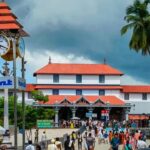
Sri Bhu Varaha Swamy Temple, Tirumala
According to the Vedic traditional, Tirumala was originally known as Adi Varaha Kshetra, where Sri Bhu Varaha Swamy resided. When Bhagwan Venkateswara arrived on the sacred hills, Varaha Swamy granted Him permission to stay. As part of this tradition, Sri Venkateswara Swamy is said to have accorded Varaha Swamy the honour of receiving the first darshan and first naivedyam.
Following this age-old tradition, devotees are encouraged to seek the blessings of Sri Bhu Varaha Swamy before visiting Lord Venkateswara. Special rituals and abhishekam are also performed at the shrine during Varaha Jayanti.
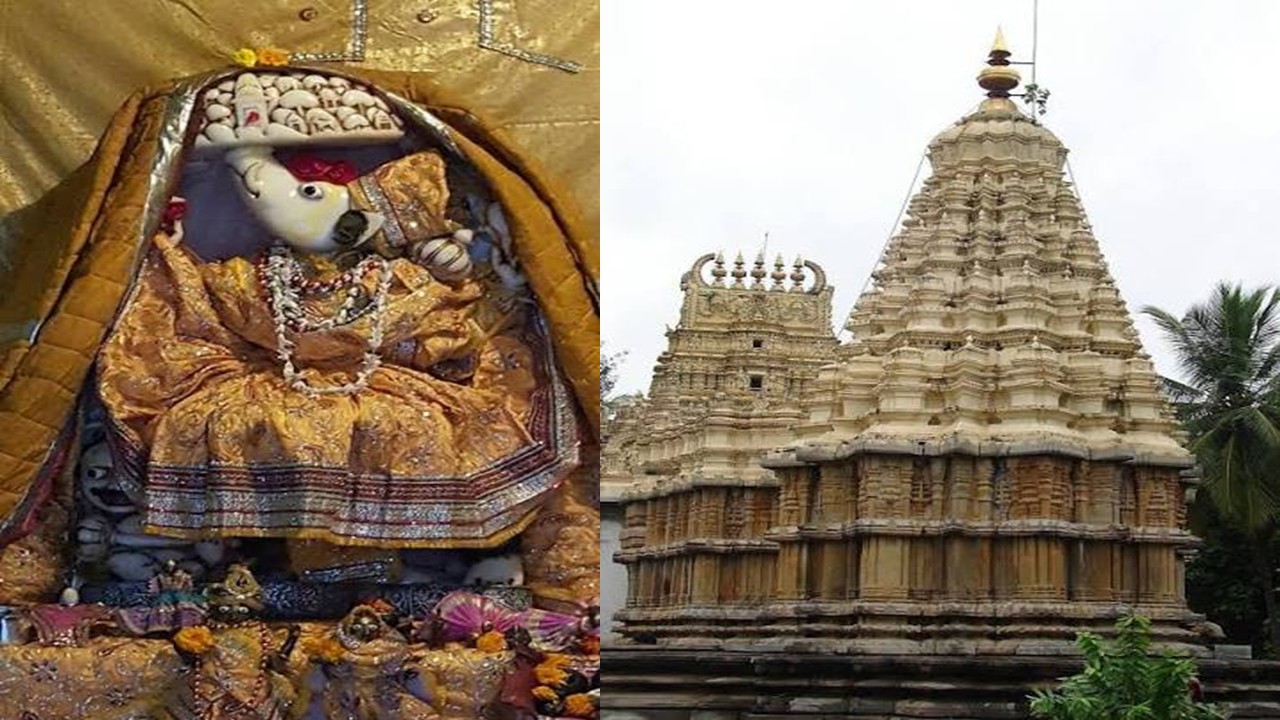
Shweta Varaha, Mathura
Vishrama Ghat is itself connected with the Varaha tradition. According to sacred accounts, Bhagwan Varaha rested at this sacred spot after rescuing Bhudevi. The location is also associated with Bhagwan Krishna, who is believed to have rested there following His victory over Kamsa.
With its connection to Bhagwan Varaha, Bhudevi and the sacred heritage of Mathura, the Shweta Varaha shrine offers devotees an opportunity to explore one of the lesser-known Vaishnava sacred traditions of Braj.
Leave a Reply