
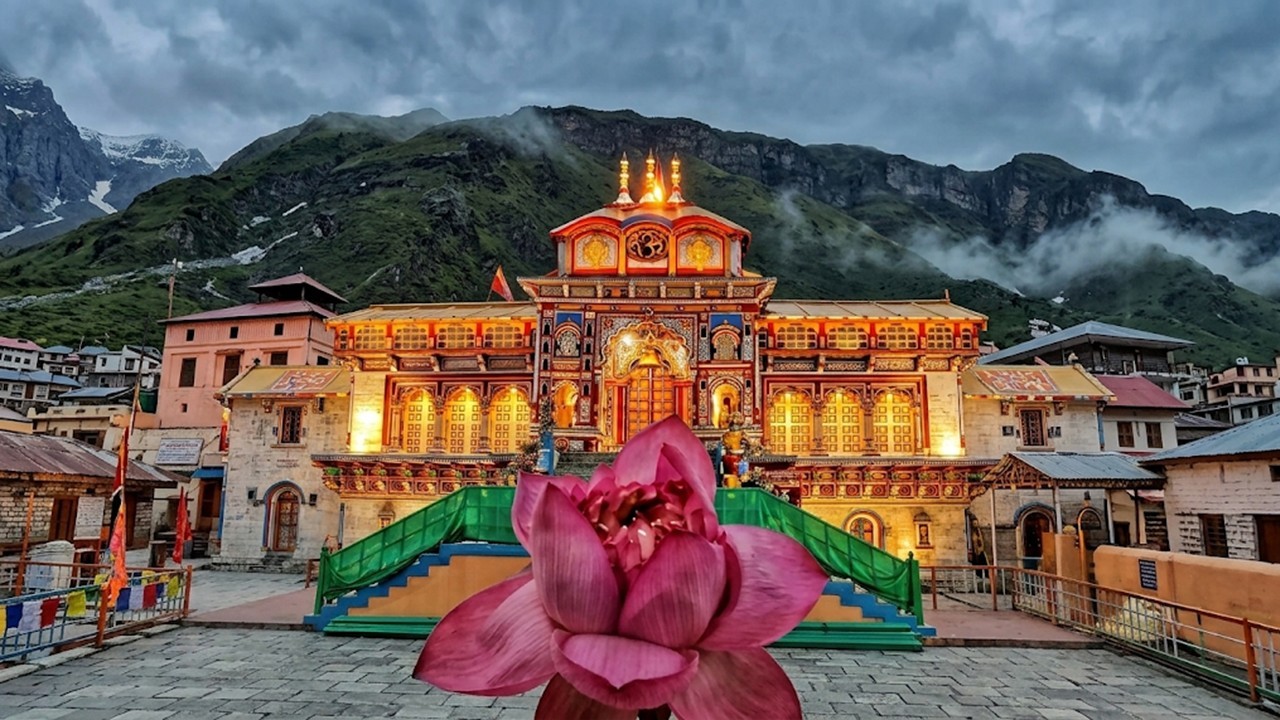
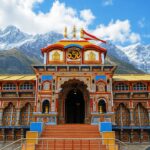
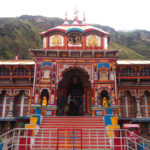
Hidden within the sacred Badrinath Temple complex in Uttarakhand is a beautiful shrine dedicated to Sri Mahalakshmi, the eternal consort of Lord Badri Narayan. While millions of pilgrims visit Badrinath every year to seek the blessings of Lord Vishnu, many also offer prayers at this peaceful shrine of the Divine Mother. According to temple tradition, the pilgrimage to Badrinath is considered spiritually complete only after receiving the blessings of both Lord Badri Narayan and Goddess Mahalakshmi.
History of Sri Mahalakshmi Temple
The story of Sri Mahalakshmi Temple cannot be told without first understanding the sacred legacy of Badrinath, the Himalayan abode where Lord Badri Narayan has been worshipped for centuries. Hindu scriptures describe Badarikashram as a holy land where sages performed penance, studied the Vedas, and sought spiritual enlightenment.
Around the 8th century, Jagadguru Adi Shankaracharya undertook a spiritual journey across the Himalayas to revive ancient centres of Sanatana Dharma. According to temple tradition, he recovered the black stone deity of Lord Badri Narayan from Narad Kund, a sacred pool in the Alaknanda River, and ceremonially re-established it in the temple through the sacred ritual of Pratishtha. This marked the revival of regular worship at Badrinath and restored its importance as one of Hinduism’s holiest pilgrimage destinations.
The exact origin of the vigraha (sacred deity) of Sri Mahalakshmi is not mentioned in available historical records. While some devotees believe that the Goddess has always been associated with Lord Badri Narayan as His eternal consort, others feel that her vigraha may have already been part of the temple tradition or could have been ceremonially installed at a later period.
Today, the shrine of Sri Mahalakshmi remains an inseparable part of the Badrinath Temple complex. devotees have worshipped the Divine Mother with deep faith, while the temple continues to preserve the sacred traditions that honour the eternal union of Lakshmi and Narayana.
Who is Sri Mahalakshmi at Badrinath?
In most temples across India, devotees worship Mahalakshmi as the Goddess of wealth, prosperity, and good fortune. At Badrinath, she is honoured as the Mother who protected Lord Vishnu during His meditation. She represents unconditional love, patience, service, and sacrifice. Her presence reminds devotees that real prosperity is not measured only by material success but also by inner peace, devotion, and spiritual strength.
Why Did Goddess Lakshmi Become the Badri Tree?
According to Puranas, Lord Vishnu came to the Himalayas to perform deep meditation for the welfare of the universe. As He remained absorbed in His penance, He paid no attention to the freezing winds, heavy snowfall, and harsh mountain climate.
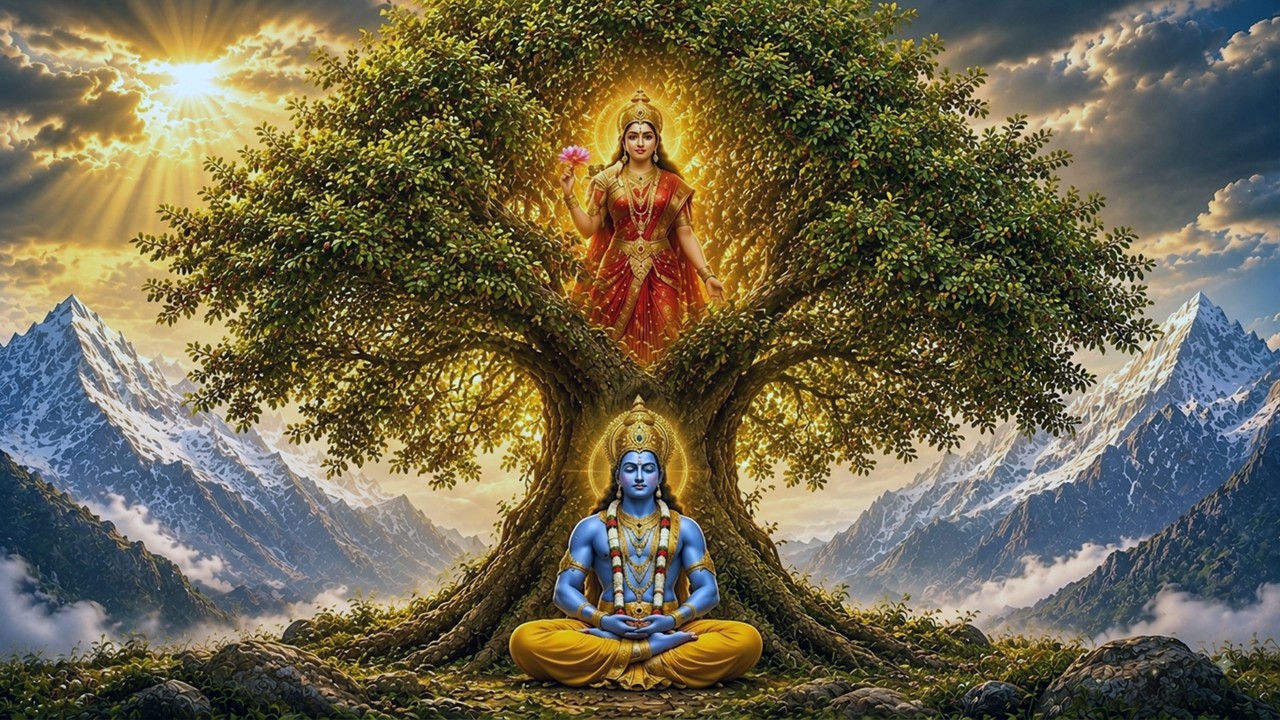
Seeing this, Goddess Mahalakshmi wished to protect Him without disturbing His meditation. She transformed herself into a Badri tree, spreading her branches above the Lord to shield Him from snow, rain, and the blazing sun.
When Lord Vishnu completed His meditation, He saw the loving sacrifice made by the Goddess. Filled with gratitude, He declared that the holy place would forever be known as Badarikashram, and He Himself would be worshipped as Badri-Nath, meaning “The Lord of Badri.”
The Divine Shrine of Sri Mahalakshmi
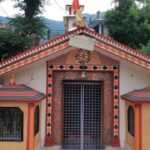
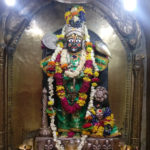
Inside the Badrinath Temple complex stands the peaceful shrine of Sri Mahalakshmi. Though smaller than the main sanctum of Lord Badri Narayan. The shrine has a calm and devotional atmosphere. Oil lamps burn before the Goddess, the fragrance of incense fills the air, and Vedic chants create a sense of peace. Many pilgrims spend a few quiet moments here after taking darshan of Lord Badri Narayan, believing that the blessings of the pilgrimage become complete only after praying to the Divine Mother.
The deity of Sri Mahalakshmi is beautifully decorated with silk garments, flower garlands, sacred ornaments, and a golden crown. Depending on the festival and season, the decorations change throughout the year, offering devotees different divine forms of the Goddess.
Deities in the Garbhagriha of Badrinath Temple
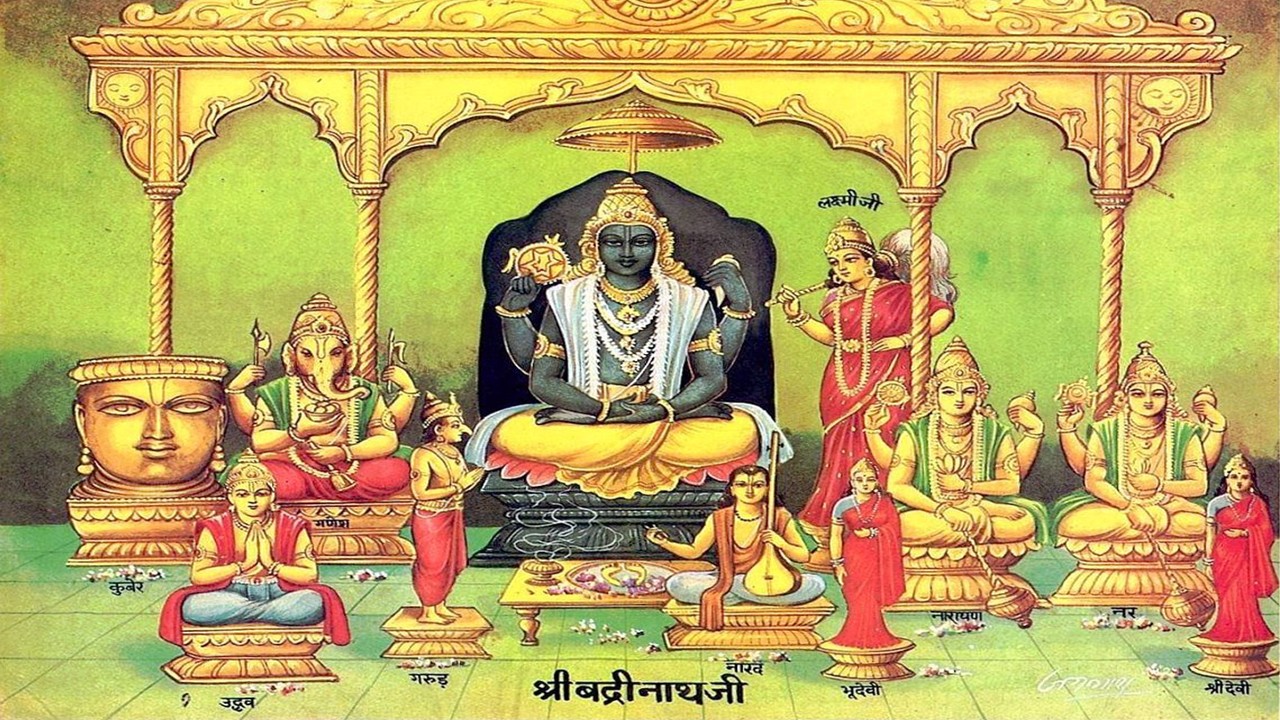
The Garbhagriha (sanctum sanctorum) of Badrinath Temple is centred around Lord Badri Narayan (Lord Vishnu), who is worshipped in a seated meditative posture (Padmasana). The main deity is made of black Shaligram stone and is regarded as one of the most sacred forms of Lord Vishnu.
Surrounding the main deity are several revered deitys that complete the divine assembly of Badarikashram:
Kubera – The Lord of wealth and the divine treasurer.
Sage Narada – The celestial sage and devoted worshipper of Lord Vishnu.
Uddhava – The beloved devotee and companion of Lord Krishna.
Nara and Narayana – The twin sage forms of Lord Vishnu, associated with the penance performed at Badarikashram.
Why Does Sri Mahalakshmi Have a Separate Shrine?
Unlike many Vishnu temples where Lakshmi and Narayana are worshipped together in the same sanctum, Badrinath follows an ancient tradition that carries deep spiritual meaning.
During the pilgrimage season, Sri Mahalakshmi is worshipped in her own shrine within the temple complex. Her separate shrine reminds pilgrims that she is not only the associate of Lord Narayana but also the compassionate Mother who listens to the prayers of every devotee.
Many temple scholars explain that this tradition symbolizes the eternal unity of Lakshmi and Narayana. During winter, when human worship comes to an end, she returns to the side of Lord Vishnu, reminding everyone that the Divine Couple are never truly separated.
Why Does the Rawal Wear Female Attire? – The Sacred Tradition of Sakhi-Bhava
Every year before the doors of Badrinath are closed, the deity of Sri Mahalakshmi is ceremonially brought from her shrine into the Garbhagriha, where she remains beside Lord Badri Narayan throughout the six winter months. This sacred ceremony marks the beginning of the temple’s winter closure and symbolizes the eternal union of Lakshmi and Narayana.
The responsibility of carrying the Goddess into the sanctum belongs to the Rawal, the chief priest of Badrinath. Before performing this duty, the Rawal follows an ancient temple custom that has been preserved for generations. He changes into female attire and performs the ritual in the devotional mood known as Sakhi-Bhava.
The Sanskrit word “Sakhi” means a close female companion, while “Bhava” means a devotional state of mind. During this sacred ceremony, the Rawal does not consider himself a priest carrying the Goddess. Instead, he symbolically assumes the role of Sri Mahalakshmi’s trusted female companion, respectfully accompanying her to Lord Badri Narayan.
According to the traditional understanding preserved at Badrinath, a married woman should always be accompanied by another woman during such a ceremonial journey. It is considered inappropriate for a man to escort her alone. Without assuming the role of her female companion, it would symbolically resemble taking her away without proper companionship, something compared in traditional language to kidnapping rather than a respectful ceremonial procession. To preserve the dignity and honour of the Divine Mother, the Rawal first symbolically becomes her Sakhi. Only then does he respectfully escort Sri Mahalakshmi from her shrine into the Garbhagriha.
This ritual is performed only once each year, making it one of the rarest living traditions found in any Hindu temple.
The Worship of Sri Mahalakshmi by the Dimri Pujaris
The sacred rituals of the Goddess are traditionally performed by the Dimri Pujaris, a respected community of priests who have been associated with the Badrinath Temple for generations. They play an important role in preserving the rituals, customs, and devotional practices connected with the shrine of Sri Mahalakshmi.
The Dimri Pujaris perform the regular worship of the Goddess according to traditional Vedic procedures. They offer fresh flowers, sacred lamps, incense, food offerings, and prayers, ensuring that the worship of the Divine Mother continues without interruption throughout the pilgrimage season.
Their responsibilities become even more significant during the annual winter closing ceremony. Before the temple doors are closed, the Dimri Pujaris perform the special rituals dedicated to Sri Mahalakshmi at her shrine. After these sacred ceremonies are completed, the Rawal, in the devotional mood of Sakhi-Bhava, respectfully carries the Goddess into the Garbhagriha beside Lord Badri Narayan.
Festivals
The opening and closing ceremonies of Badrinath are among the most important occasions connected with the Goddess. Thousands of devotees gather to witness these sacred rituals, especially the ceremony in which Sri Mahalakshmi is moved into the Garbhagriha before the temple closes.
The shrine is also beautifully decorated during festivals such as Deepavali, Vijayadashami, and Mata Murti Ka Mela. Fresh flowers, colourful silk garments, and traditional ornaments enhance the divine beauty of the Goddess during these celebrations.
Nearby Sacred Places
Tapt Kund – 100 m (Natural hot spring before temple darshan)
Brahma Kapal – 300 m (Sacred place for performing ancestral rites)
Narad Kund – 150 m (Holy pool associated with Lord Badri Narayan)
Charan Paduka – 3 km trek (Sacred rock of Lord Vishnu’s footprints)
Mana Village – 4 km (India’s last village near the Indo-Tibet border)
Vyas Gufa – 4 km (where Sage Vyasa composed the Mahabharata)
Ganesh Gufa – 4 km (Cave associated with Lord Ganesha writing the Mahabharata)
Bhim Pul – 4.5 km (stone bridge linked to the Pandavas)
Vasudhara Falls – 9 km from Badrinath (about 5 km trek beyond Mana Village)
How to Reach Sri Mahalakshmi Temple, Badrinath
Begin your pilgrimage to Sri Mahalakshmi Temple, Badrinath, with Tirtha Yatra and experience the divine presence of the Goddess who has blessed Badarikashram for centuries. While every travel arrangement is thoughtfully managed, you can focus on worship, explore the temple’s sacred traditions, and seek the blessings of Sri Mahalakshmi and Lord Badri Narayan.

By Air
The nearest airport is Jolly Grant Airport, Dehradun, located about 310 km from Badrinath. From the airport, you can hire a taxi or take a bus to reach the temple.
By Train
The nearest railway stations are Rishikesh (around 295 km) and Haridwar (around 320 km). Both stations are well connected to major Indian cities. From there, buses and taxis are available for Badrinath.
By Road
Badrinath is connected by road to Haridwar, Rishikesh, Dehradun, and Joshimath, Government and private buses, along with shared and private taxis, operate regularly during the pilgrimage season.
0



Leave a Reply