


The decision comes in response to recent disruptions in LPG supply, which have impacted large-scale cooking operations at the temple. Known for serving meals to thousands of devotees daily, the mutt required a reliable and sustainable alternative to ensure uninterrupted kitchen services.
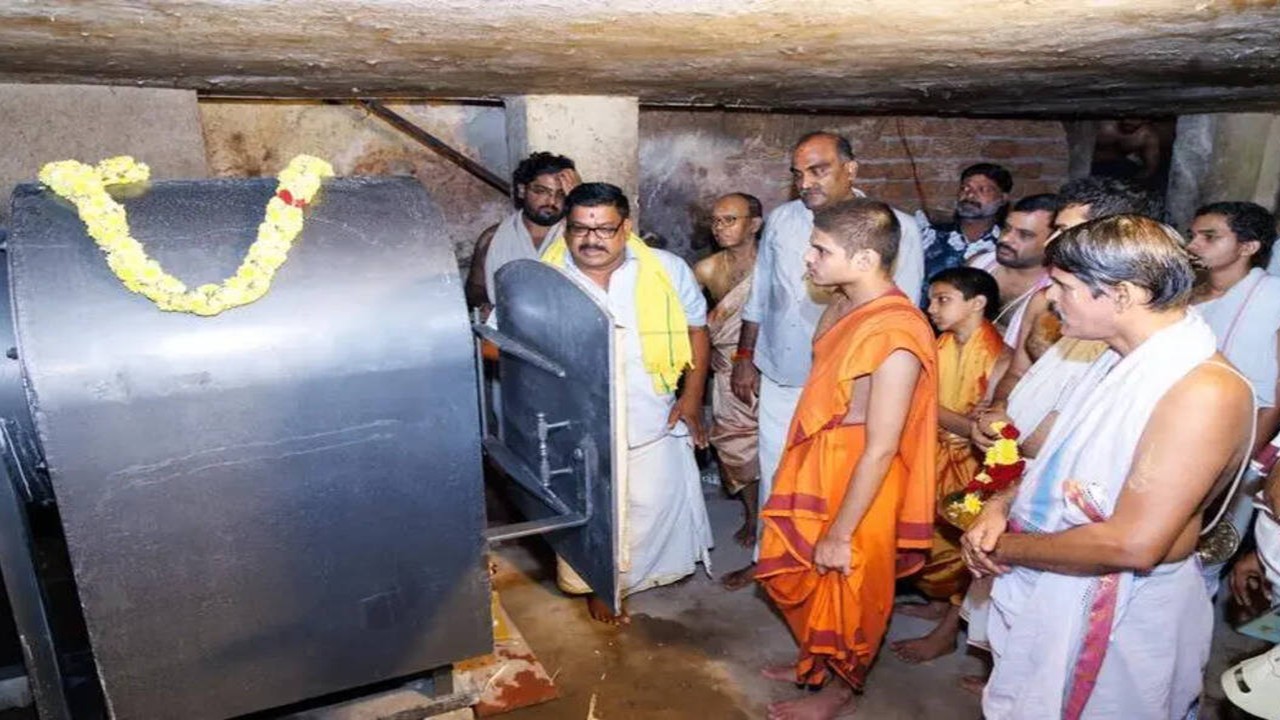
The newly installed biogas plant will convert organic waste, including leftover food and biodegradable materials from the temple premises, into usable cooking fuel. This initiative not only addresses fuel scarcity but also provides an effective waste management system, reducing the environmental burden.
Temple authorities emphasized that the project aligns with the principles of sustainability and self-sufficiency. By reducing dependence on conventional LPG cylinders, the mutt expects to lower operational costs over time while contributing positively to environmental conservation.
The initiative has been widely appreciated by devotees and environmentalists alike, who see it as a model for other religious institutions across the country. Experts suggest that such eco-conscious steps can play a crucial role in promoting renewable energy adoption at the community level.
With this initiative, the Udupi Mutt demonstrates how traditional institutions can embrace modern solutions, setting an inspiring example of balancing spiritual service with environmental responsibility.










Leave a Reply