
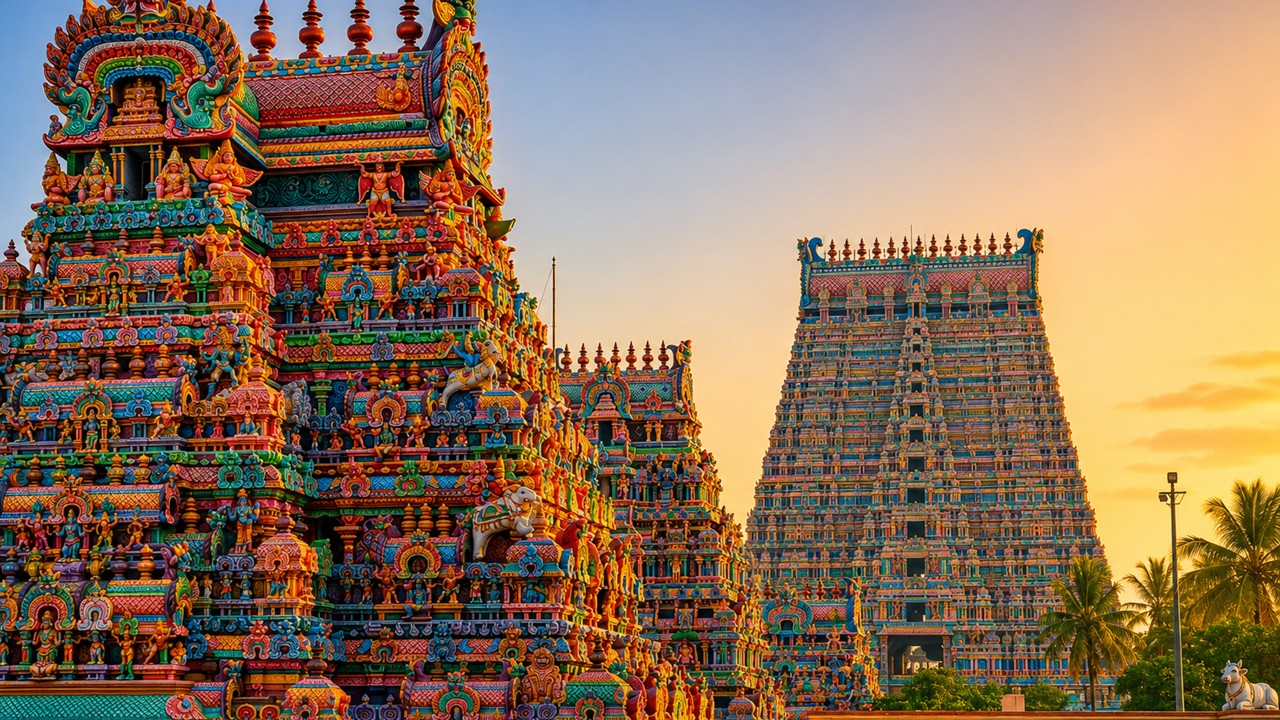
The Sanskrit word “Tirtha” means “a sacred crossing”—a place that helps one cross from the worldly realm toward spiritual realization—while “Yatra” means “a journey” or “pilgrimage.” Together, Tirtha Yatra refers to a sacred pilgrimage undertaken for spiritual growth and divine blessings.
Tirtha Yatra is not merely the act of visiting sacred dhams. It also includes tirtha Tirtha Snana (ritual bathing in sacred waters), Darshan, Pradakshina, and the performance of Shraddha.
Spiritual Practices to Follow During a Tirtha Yatra
- Consume only pure Sattvic vegetarian food.
- Constantly chant the divine names of Lord Vishnu during the pilgrimage.
- Listen to the Sthala Purana and understand the significance of the temple and its presiding deity.
- Perform acts of Dana (charity) and serve those in need.
- Spend time in Satsanga by associating with saints, sages, and spiritually minded devotees.
- Maintain purity in thought, word, and deed by avoiding alcohol, anger, lies, harsh speech, and negative behavior throughout the pilgrimage.
Merits of Performing a Tirtha Yatra
- Purifies the mind and heart.
- Breaks the monotony of daily life and worldly routines.
- Transforms the physical journey into an act of worship.
- Strengthens devotion and deepens faith in the Divine.
- Promotes inner peace, self-discipline, and spiritual growth.
- Provides an opportunity for self-reflection and inner transformation.
- Helps accumulate spiritual merit (Punya).
- Fosters association with saints and spiritually minded devotees (Sat Sanga).
- Inspires a life of simplicity, humility, and gratitude.
- Creates lasting spiritual memories and strengthens one’s connection with sacred places.
Three Types of Tirtha Yatra
- Jangam Tirtha
- Sthawar Tirtha
- Manas Tirtha
Jangam Tirtha Yatra
Sthavara Tirtha Yatra
Manasa Tirtha Yatra
According to the Skanda Purana, one who lives a virtuous life with purity of mind, speech and thought, attains the highest form of spiritual merit equivalent to performing numerous Tirtha Yatras.
At least once in your lifetime, you must visit one of these sacred pilgrimage destinations.
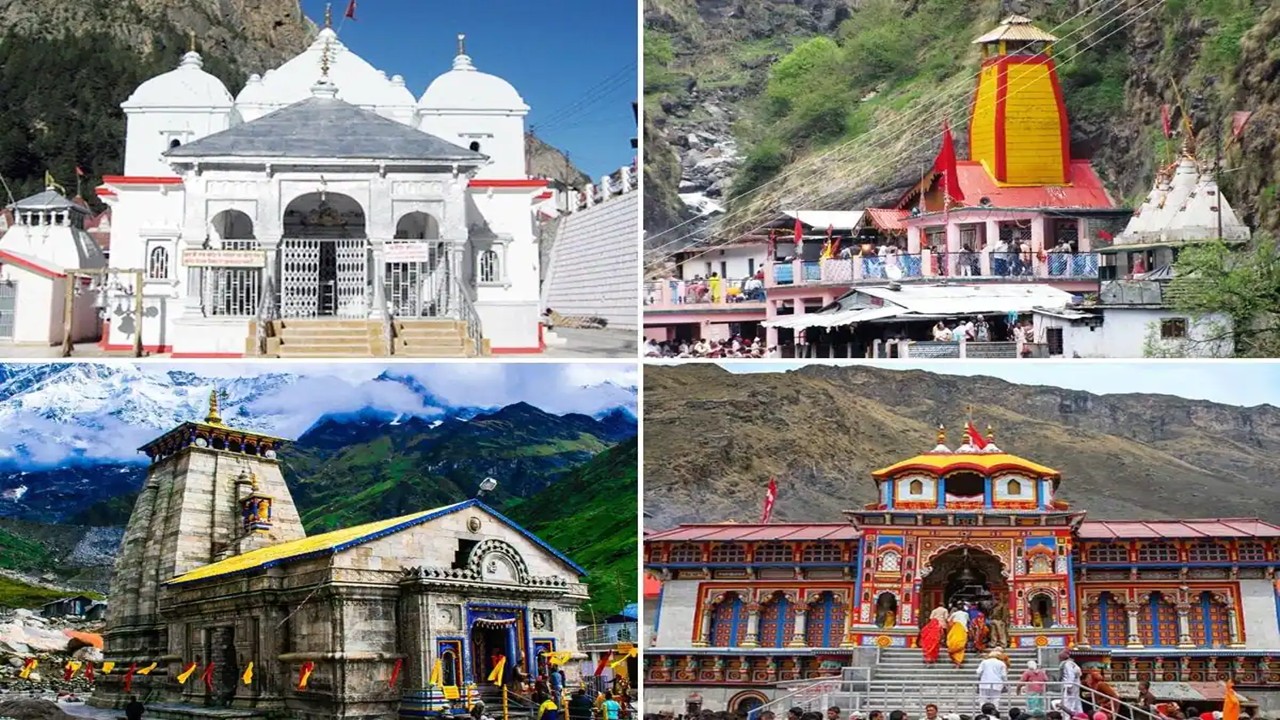
Char Dham Yatra – The Ultimate Himalayan Pilgrimage
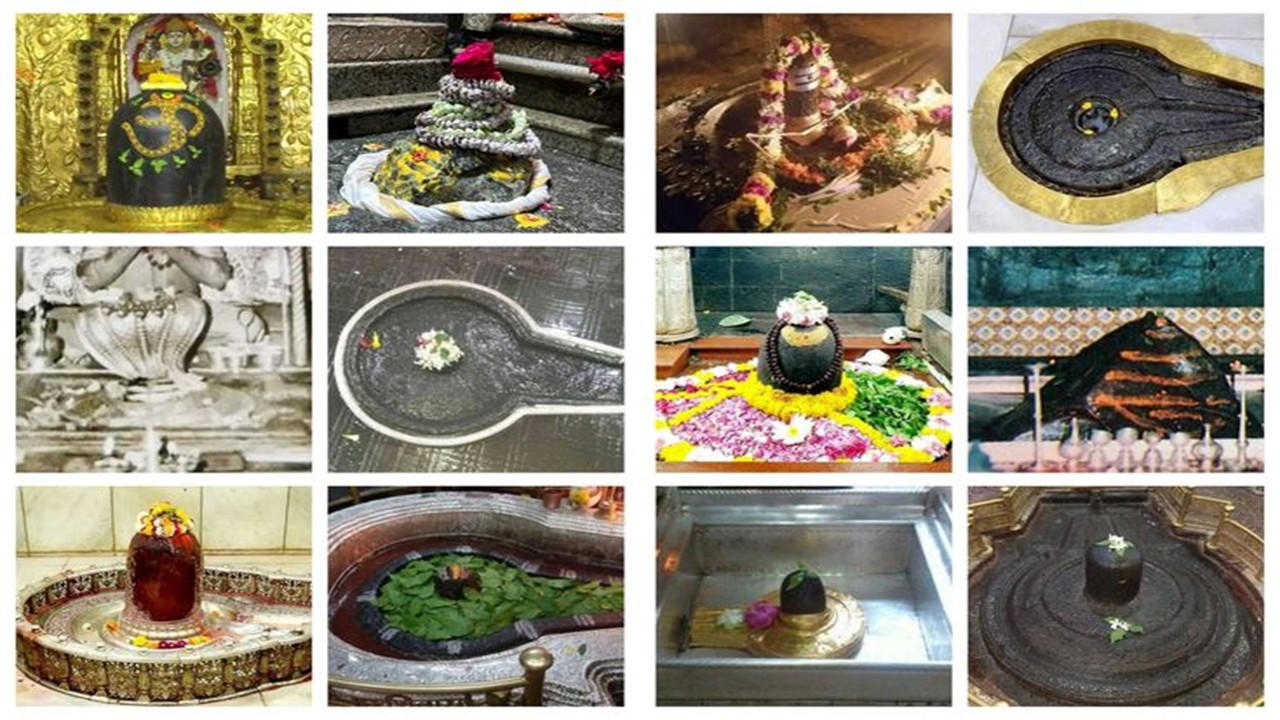
Dwadasha Jyotirlinga Yatra
12 Jyotirlingas includes
- Somnath Jyotirlinga – Prabhas Patan, Gujarat
- Mallikarjuna Jyotirlinga – Srisailam, Andhra Pradesh
- Mahakaleshwar Jyotirlinga – Ujjain, Madhya Pradesh
- Omkareshwar Jyotirlinga – Mandhata (Omkareshwar) Island, Madhya Pradesh
- Kedarnath Jyotirlinga – Kedarnath, Uttarakhand
- Bhimashankar Jyotirlinga – Pune District, Maharashtra
- Kashi Vishwanath Jyotirlinga – Varanasi (Kashi), Uttar Pradesh
- Trimbakeshwar Jyotirlinga – Trimbak, Nashik District, Maharashtra
- Vaidyanath Jyotirlinga (Baidyanath Dham) – Deoghar, Jharkhand
- Nageshwar Jyotirlinga – Near Dwarka, Gujarat
- Ramanathaswamy Jyotirlinga – Rameswaram, Tamil Nadu
- Grishneshwar Jyotirlinga – Verul (Ellora), Chhatrapati Sambhajinagar District (formerly Aurangabad), Maharashtra
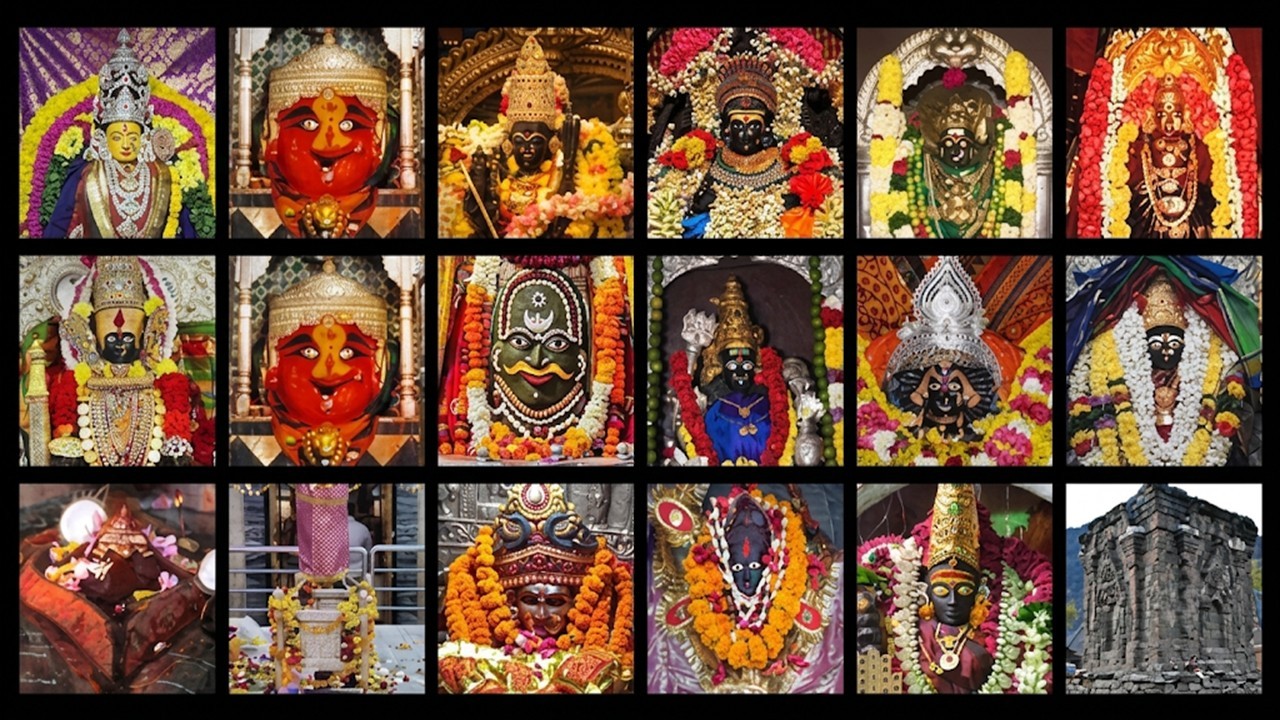
Shakti Peetha Yatra – The Divine Abodes of Adi Shakti
There are 18 major Shakti Peethas, known as the Ashtadasha Shakti Peethas. Various traditions also recognize 51 and 108 Shakti Peethas, all revered as powerful centers of Shakti worship.
Ashtadasha Shakti Peethas includes the following
- Shankari Devi: Trincomalee, Sri Lanka
- Kamakshi: Kanchipuram, Tamil Nadu
- Shrinkhala Devi: Pradyumna / Sringaverapura
- Chamundeshwari: Kraunchapura / Mysuru, Karnataka
- Jogulamba: Alampur, Telangana
- Bhramaramba: Srisailam, Andhra Pradesh
- Mahalakshmi: Kolhapur, Maharashtra
- Ekaveerika: Mahur, Maharashtra
- Mahakali: Ujjain, Madhya Pradesh
- Puruhutika: Pithapuram, Andhra Pradesh
- Girija Devi: Odhyana / Jajpur, Odisha
- Manikyamba: Dakshavatika / Draksharama, Andhra Pradesh
- Kamarupi (Kamakhya): Nilachal hill, Guwahati, Assam
- Madhaveswari: Prayag, Uttar Pradesh
- Vaishnavi: Jwalamukhi, Himachal Pradesh
- Mangalya Gouri (Mangalagauri): Gaya, Bihar
- Vishalakshi: Varanasi, Uttar Pradesh
- Saraswati: Sharada Peetha, Kashmir
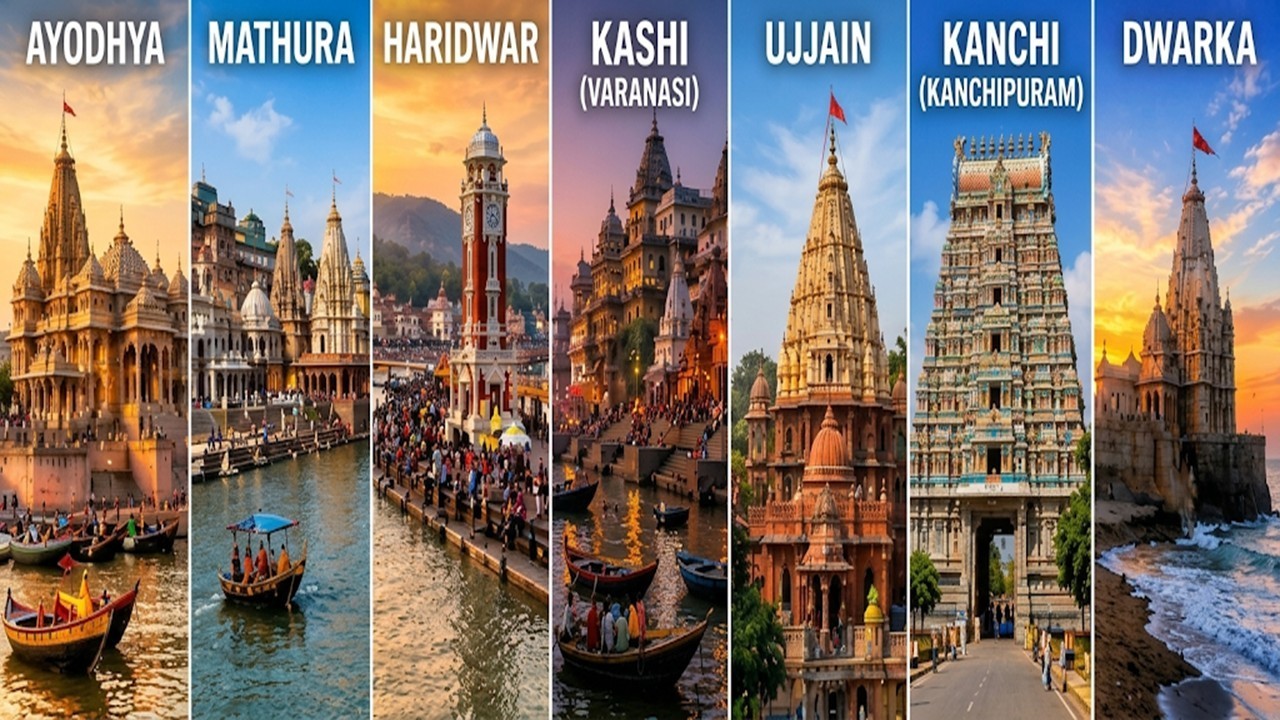
Sapta Moksha Puri – Seven Sacred Cities That Bestow Liberation
The seven cities include
- Ayodhya – The birthplace of Lord Sri Rama.
- Mathura – The birthplace of Lord Sri Krishna.
- Haridwar – The gateway to the sacred Himalayas.
- Kashi – The eternal abode of Lord Shiva, believed to grant mukti to those who die here.
- Kanchipuram – The ancient city of a thousand temples.
- Ujjain – The city of Mahakaleshwar and the Kumbha Mela.
- Dwarka – The magnificent city established by Lord Sri Krishna.
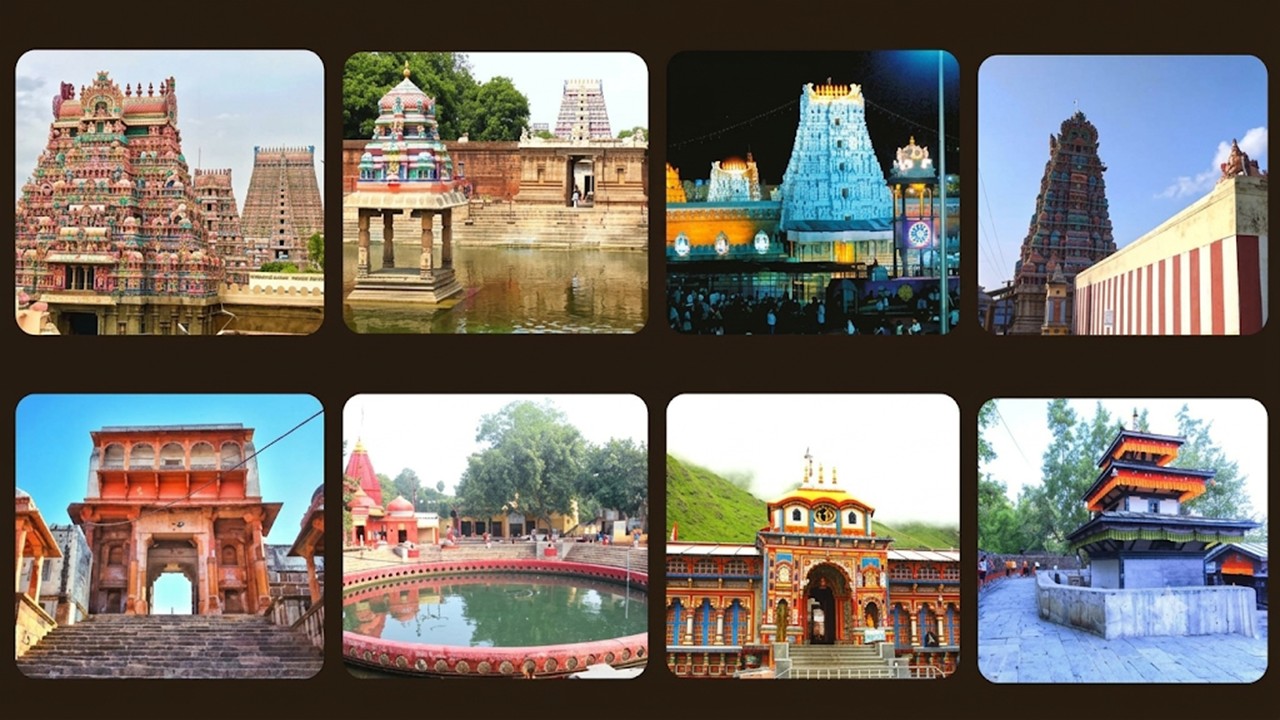
Ashta Swayam Vyakta Kshetras – Self-Manifested Vishnu Temples
The eight Swayam Vyakta Kshetras are:
- Sri Ranganathaswamy Temple – Srirangam, Tamil Nadu
- Bhu Varaha Swamy Temple – Srimushnam, Tamil Nadu
- Sri Venkateswara Temple – Tirumala, Andhra Pradesh
- Muktinath Temple (Gandaki/Shaligram Region) – Muktinath, Nepal
- Varaha Temple – Pushkar, Rajasthan
- Sri Vanamamalai Perumal Temple (Totadri Divya Desam) – Nanguneri, Tamil Nadu
- Chakra Tirtha – Naimisharanya, Uttar Pradesh
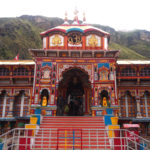
- Badrinath Temple – Badrikashram, Uttarakhand
Leave a Reply