
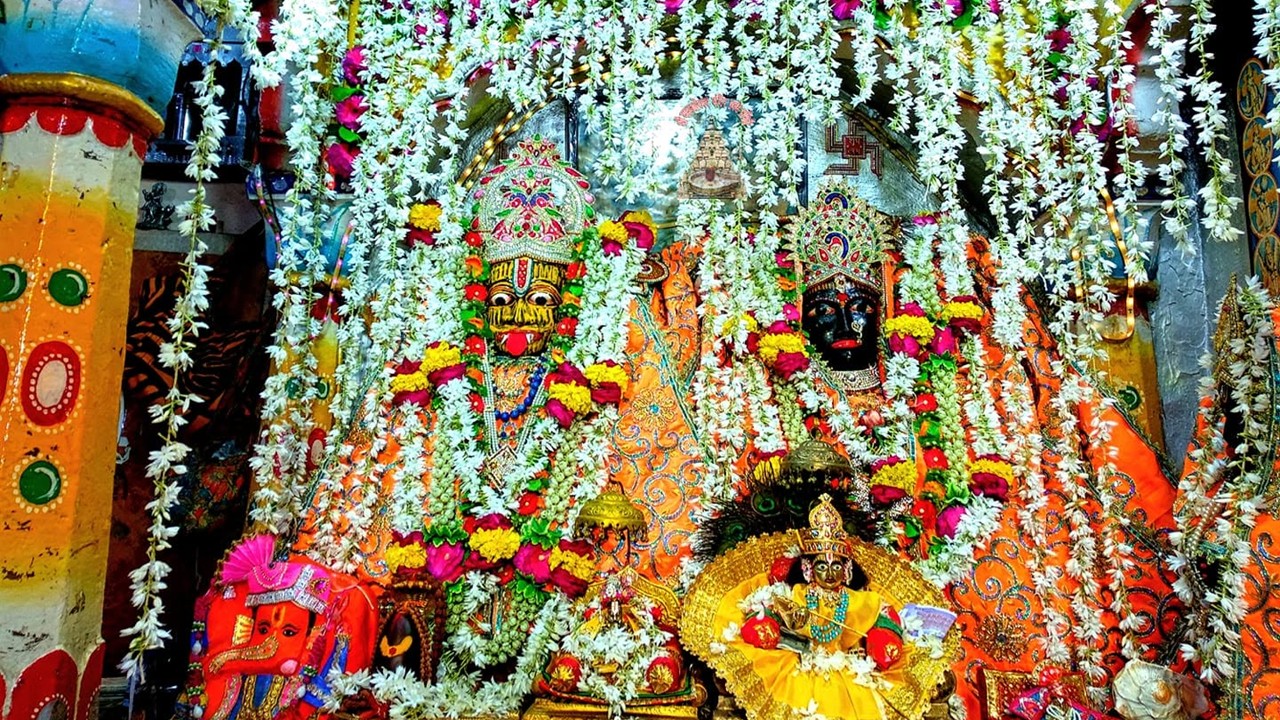
Lakshmi Narasimha Temple is one of the many sacred temples situated within the pilgrimage city of Ujjain. While Ujjain is primarily celebrated as the abode of Sri Mahakaleshwar Jyotirlinga, devotees who walk through the temple corridors soon encounter a captivating temple dedicated to Sri Narasimha, the fierce man-lion incarnation of Sri Vishnu.
Located within the sacred precincts of the Sri Mahakaleshwar Temple complex, the temple preserves an historic tradition that links the avatara of Vishnu with the sacred Shaiva center of Avanti. Known in the scriptures as Avanti and Avantika puri, the city has been celebrated in the Puranas, and classical Samskrita literature as one of Bharatas seven sacred Moksha-Puris. It has served as a center of astronomy, philosophy, trade, and spirituality for thousands of years.
The city occupies a prominent place in the Skanda Purana, particularly in the Avantika Khanda, which glorifies its sacred geography. Numerous temples dedicated to Bhagavan Shiva, Sri Vishnu, Devi’s, and other deities are scattered throughout Ujjain, creating an interconnected network of sacred spaces. Within this divine landscape, the Lakshmi Narasimha Temple represents one of the most important sites for all the Sanatana Dharma followers.
Sthala Purana of Lakshmi Narasimha Temple, Ujjain
Lakshmi Narasimha Temple’s historical evidence is extensively available in the Srimad Bhagavata Purana, Vishnu Purana and Skanda Purana. According to the Puranic sources, the demon king Hiranyakashipu, son of Kashyapa Muni and Diti, obtained extraordinary boons from Brahma that seemed to make him immortal. Inflated by power, he developed enmity towards Sri Vishnu, since Sri Vishnu killed his brother Hiranyaksha by assuming a boar form. Since then, he forbade the worship of Sri Vishnu throughout his kingdom and tortured his devotees. Yet his own son, Prahlada, remained deeply devoted to Sriman Narayana.
After repeated attempts to kill Prahlada failed, Hiranyakashipu challenged the child, asking whether Sri Vishnu existed within a nearby pillar in his palace. Prahlada answered that the Lord was present everywhere. In response, Hiranyakashipu struck the pillar, and from it emerged Sri Narasimha, half lion and half man avatara of Sriman Narayana, thereby not breaching the demon’s boon. At twilight, on a palace threshold, Narasimha placed Hiranyakashipu upon His lap and destroyed him with His claws, restoring cosmic order.
According to traditions mentioned in the Skanda Purana, after the destruction of Hiranyakashipu, Sri Narasimha remained engulfed in immense cosmic fury. The intensity of His anger shook the three worlds, disturbing devatas, sages and cosmic balance. Even after the victory of dharma, the Lord’s fierce form continued to blaze with destructive energy.
The devatas sought a way to pacify Him. At this crucial moment, Bhagavan Shiva directed Narasimha towards the sacred region of Mahakala Vana in Ujjain. Arriving at this very site within the city of Avanti, Sri Narasimha’s wrath gradually subsided. This event forms the main sthala purana of the temple. Devotees therefore approach the deity not only for protection from external dangers but also for freedom from anger, fear, and mental agitations.
Architecture of the Temple
Lakshmi Narasimha Temple in Ujjain is intimately connected with the larger Mahakaleshwar temple architectural complex. Rather than functioning as an isolated temple, it exists as part of an integrated pilgrimage circuit where devotees move from one sacred temple to another. The original builder of Mahakaleshwar Temple in Ujjain is unknown, and the sacred Mahakaleshwar Jyotirlinga is traditionally believed to be Swayambhu (self-manifested). The temple represents a remarkable reconciliation between both Shaiva and Vaishnava traditions.
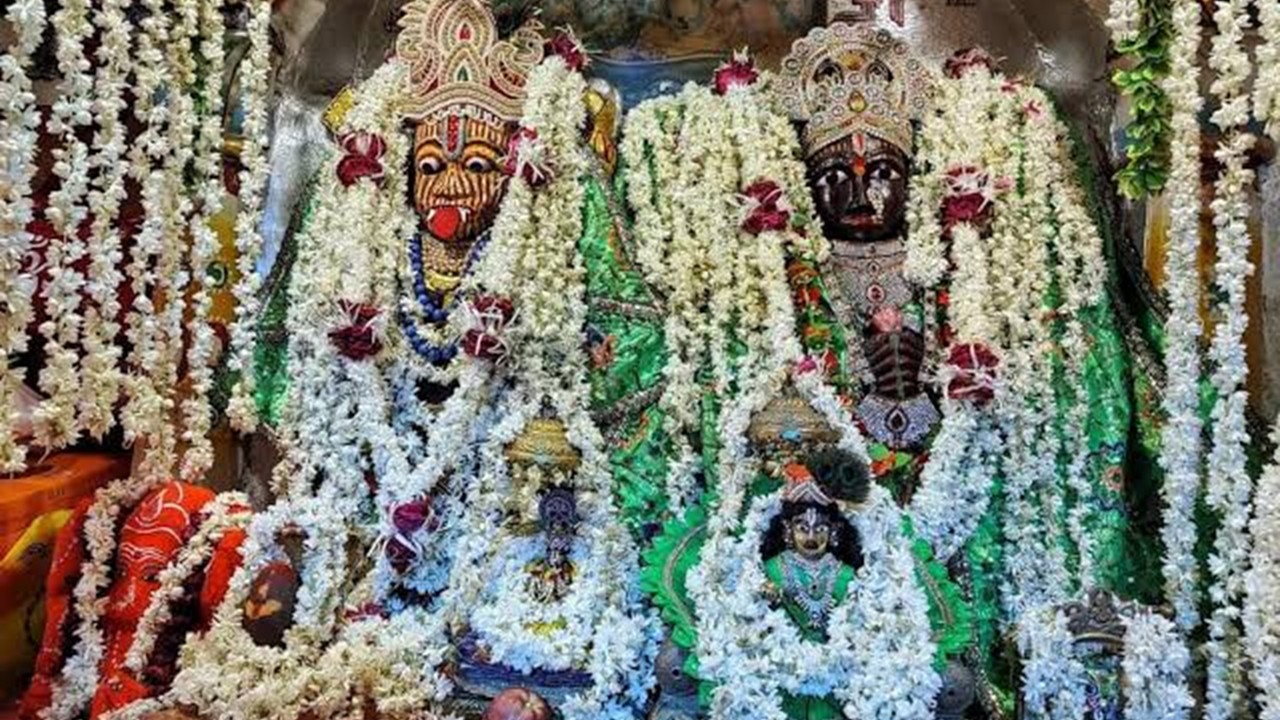
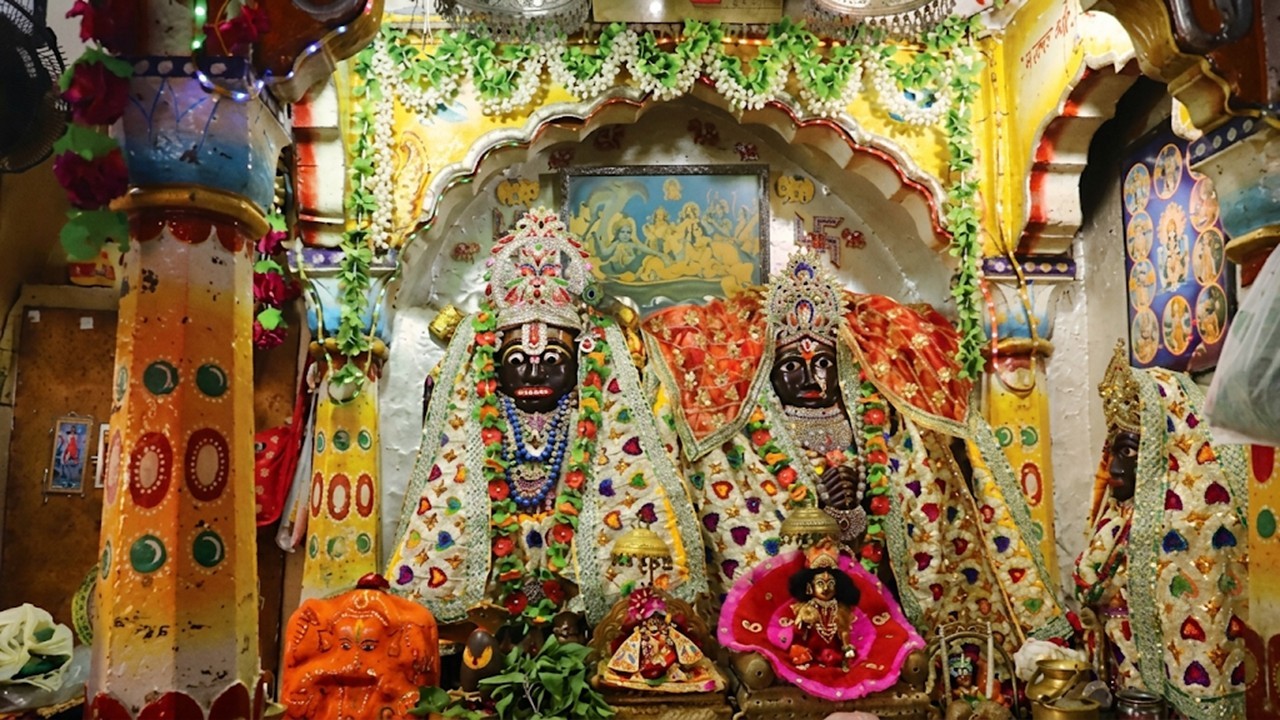
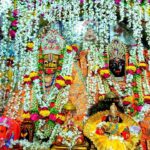
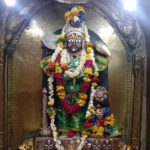
The presiding deity is worshipped as Sri Lakshmi Narasimha, in a peaceful and protective form rather than the ferocious Ugra Narasimha deities found in certain temples across Bharat. The temple houses what is popularly known as the “Narasimha Darbar.” Alongside Sri Narasimha deity there are Sri Lakshmi and Bhakta Prahlada deities as well. The temple atmosphere is characterized by traditional lamps, devotional offerings, and the rhythmic chanting of mantras dedicated to Sri Narasimha Deva.
Festivals
Lakshmi Narasimha temple’s most important annual celebration is Sri Narasimha Jayanti, observed on Vaishakha Shukla Chaturdashi. On this occasion special adornments, rituals, offerings, and worship are performed for Sri Narasimha deva. Saturdays, Swathi Nakshatras and Chaturdashi Tithis are considered particularly auspicious for worship. Regular darshan and aarti continue throughout the year, ensuring that the age-old tradition remains vibrant and accessible to yatris.
Darshan Timings of Lakshmi Narasimha Temple, Ujjain
The temple is open on all the days of the year between 6:00 AM to 7:30 PM.
Best Time to Visit Lakshmi Narasimha Temple, Ujjain
The best time to visit the Lakshmi Narasimha Temple in Ujjain is during the early morning hours in the month of October to March, when the temple atmosphere is serene and the crowds are relatively lighter, allowing for a peaceful darshan. Devotees may also choose to visit during the morning or evening aarti for a more spiritually enriching experience. The most auspicious occasions include Narasimha Jayanti (Vaishakha Shukla Chaturdashi), as well as Saturdays and Chaturdashi Tithis, when special worship is offered to Sri Lakshmi Narasimha.
Nearby Places to Visit
Sri Mahakaleshwar Jyotirlinga Temple – One of the twelve sacred Jyotirlingas of Bhagavan Shiva and the Lakshmi Narasimha Temple is situated within its temple complex.
Riddhi-Siddhi Ganesh Temple – Located just ahead of the Narasimha Temple in the Mahakal Corridor, this temple is dedicated to Sri Ganesh ji and attracts numerous devotees.
Sri Ram Darbar Temple – A beautiful marble temple enshrining Sri Rama, Sita, Lakshmana, and Hanuman, situated near the Kotitirtha within the Mahakal complex.
Avantika Devi Temple – Dedicated to the presiding Devi of Avantika puri (Ujjain), this revered temple is located behind the Ram Darbar Temple.
Chandradityeshwar Mahadev Temple – One of the revered 84 Mahadeva temples of Ujjain, known for its traditions and association with the Avantika Khand of the Skanda Purana.
How to Reach Lakshmi Narasimha Temple, Ujjain?
The easiest way to plan your visit is through Tirtha Yatra’s Ujjain Yatra package, which takes care of all the arrangements so that devotees can focus solely on the spiritual experience.

By Air: The nearest airport is Devi Ahilyabai Holkar Airport in Indore, located about 55 km from Ujjain. From the airport, taxis and buses are readily available to reach the city and the Sri Mahakaleshwar Temple complex.
By Train: The nearest railway station is Ujjain Junction Railway Station, which is well connected to major cities across Bharat. The temple complex is approximately 3-5 km from the station and can be reached by autorickshaw, taxi, or local transport.
By Road: Ujjain has an excellent road connectivity with major cities such as Indore, Bhopal, Ahmedabad, and Mumbai. Regular state-run and private buses operate to Ujjain, while those traveling by car can easily reach the city through well-maintained highways.
0
Leave a Reply