
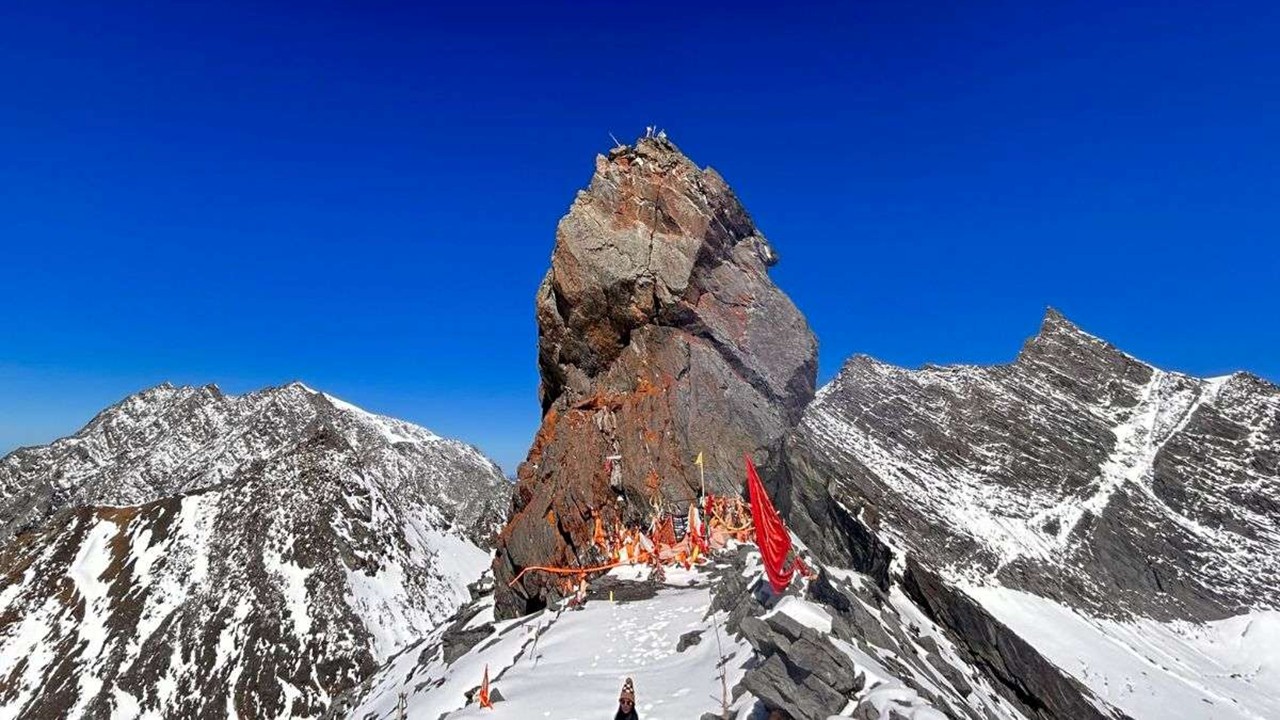
Nestled in the majestic Himalayas of Himachal Pradesh, Shrikhand Mahadev is one of the most revered pilgrimage destinations dedicated to Lord Shiva. The shrine is famous for its towering natural rock formation, worshipped as a Swayambhu (self-manifested) Shivling, standing at an elevation of around 5,227 metres (17,150 feet). Every year, thousands of devotees and trekkers undertake this demanding pilgrimage, which combines spiritual devotion with one of India’s toughest mountain treks.
The journey is not only about reaching the summit but also about experiencing ancient history, breathtaking Himalayan landscapes, glaciers, waterfalls, alpine meadows, and centuries-old traditions. For many pilgrims, completing the trek is a test of faith, endurance, and inner strength.
Whether you are visiting for religious reasons or seeking a challenging Himalayan adventure, this guide covers everything you need to plan your Shrikhand Mahadev Yatra.
Quick Facts
|
Feature |
Details |
|
Location |
Nirmand Valley, Kullu District, Himachal Pradesh |
|
Main Deity |
Lord Shiva |
|
Elevation |
Approx. 5,227 metres (17,150 feet) |
|
Shivling Height |
Around 75 feet |
|
Trek Distance |
About 35 km (one way) |
|
Trek Duration |
5–7 days |
|
Trek Difficulty |
Very Difficult |
|
Starting Point |
Jaon Village |
|
Registration Point |
Singaad |
|
Best Time to Visit |
July (Official Yatra Season) |
|
Mobile Network |
Limited, mainly Jio at selected camps |
Why is Shrikhand Mahadev So Special?
Shrikhand Mahadev is not a conventional temple built by human hands. At the summit stands a massive natural rock formation believed to be Lord Shiva’s self-manifested Shivling. Surrounded by snow-covered peaks and vast Himalayan landscapes, the mountain is regarded as one of the holiest destinations for Shiva devotees.
The trek is equally significant because every stage of the journey is associated with sacred places, ancient history, and local traditions. Pilgrims believe that the difficult climb represents devotion, patience, and spiritual purification.
Shrikhand Mahadev and the Pancha Kailash
Shrikhand Mahadev is traditionally regarded as one of the Pancha Kailash, the five sacred abodes associated with Lord Shiva. Along with Mount Kailash, Adi Kailash, Kinnaur Kailash, and Manimahesh Kailash, it holds a special place in Shaivite tradition.
Devotees believe Lord Shiva manifested here in a stone form, making the towering natural Shivling a symbol of his eternal presence. This belief has made Shrikhand Mahadev one of the most respected Himalayan pilgrimages for followers of Lord Shiva.
History of Shrikhand Mahadev
Although there is limited archaeological evidence documenting te early history of Shrikhand Mahadev, the region has been associated with pilgrimage for centuries. Ancient temples in the Nirmand Valley, especially the Devdhak (Devdang) Temple, indicate that the area has long been an important centre of worship.
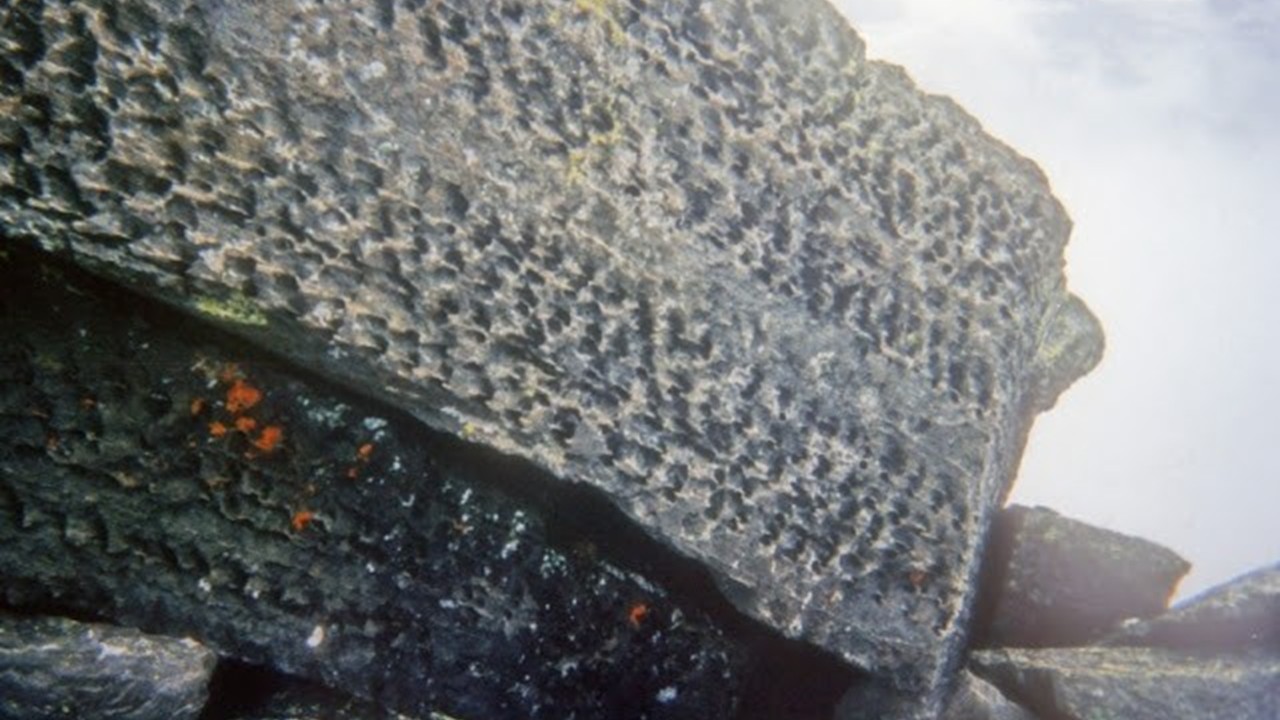
One of the most fascinating historical features is found at Bhim Dwar, where a giant rock bears mysterious inscriptions that remain undeciphered even today. Their origin is unknown, adding to the mystery surrounding this sacred route.
Local traditions also identify this trail as the path taken by the Pandavas during their final journey towards heaven. While this belief is based on regional tradition rather than verified historical evidence, it remains an important part of Shrikhand Mahadev’s spiritual identity.
Today, the annual Shrikhand Mahadev Yatra is organised with administrative support, allowing thousands of pilgrims to undertake the challenging pilgrimage safely.
The most famous Puranic history of Shrikhand Mahadev begins with the demon Bhasmasura, who performed severe penance to please Lord Shiva. Impressed by his devotion, Shiva granted him a powerful boon that allowed him to reduce anyone to ashes simply by touching their head.
Blinded by arrogance, Bhasmasura decided to test the boon on Lord Shiva himself so that he could possess Goddess Parvati. To escape, Lord Shiva travelled through the mountains of present-day Himachal Pradesh and is believed to have hidden inside the ancient Devdhak Cave in the Nirmand Valley.
According to local tradition, the cave still houses a sacred Shivling on which water continuously drips from the mountain rocks, creating a natural abhishek throughout the year.
As the demon continued his pursuit, Lord Shiva climbed higher into the Himalayas and finally reached the peak of Shrikhand. Here, devotees believe he transformed into the towering natural Shivling that stands at the summit today.
To save Lord Shiva, Lord Vishnu assumed the enchanting form of Mohini. She challenged Bhasmasura to imitate her dance movements. While copying her, the demon unknowingly placed his own hand on his head and was instantly reduced to ashes by his own boon.
The Puranic Account symbolises the victory of wisdom over pride and remains one of the most important stories associated with Shrikhand Mahadev.
Goddess Parvati, Nayan Sarovar and Bhim Dwar
Local tradition says that while searching for Lord Shiva, Goddess Parvati wept continuously. Her tears formed the sacred Nayan Sarovar, a peaceful lake located a few kilometres before the summit. Many devotees believe its waters possess divine blessings and stop here to offer prayers before the final climb.
Nearby lies Parvati Jharna, a beautiful waterfall where Goddess Parvati is believed to have encouraged Lord Shiva to bathe after emerging from deep meditation.
Another important stop is Bhim Dwar, a place associated with both Bhasmasura and the Pandavas. According to local belief, this is where Lord Vishnu, in the form of Mohini, defeated Bhasmasura. The naturally red soil found here is traditionally believed to represent the ashes of the demon.
Bhim Dwar is also famous for a massive stone bearing mysterious inscriptions that have never been deciphered. Sacred Account further claim that Bhima attempted to build a staircase to heaven from this point but could not complete it before sunrise.
The Sacred Shivling
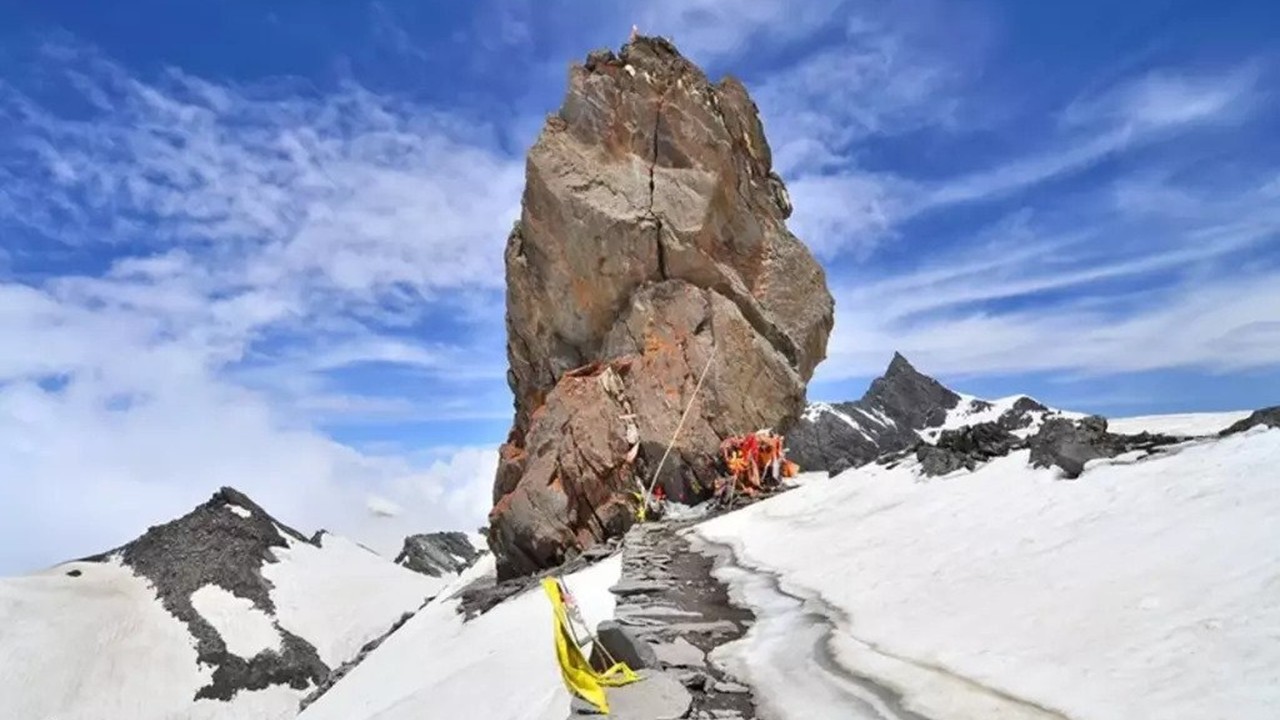
The greatest attraction of Shrikhand Mahadev is its magnificent natural Shivling, rising nearly 75 feet above the surrounding rocks. Unlike idols carved by human hands, this enormous rock formation is worshipped as a Swayambhu manifestation of Lord Shiva.
One of its most remarkable features is the way it appears to glow when the morning sunlight falls upon it. Scientifically, this effect is enhanced by the clear Himalayan atmosphere and the reflection of sunlight from the surrounding snow. For devotees, however, the radiant appearance represents the divine energy of Lord Shiva, making the first darshan at the summit an unforgettable spiritual experience.
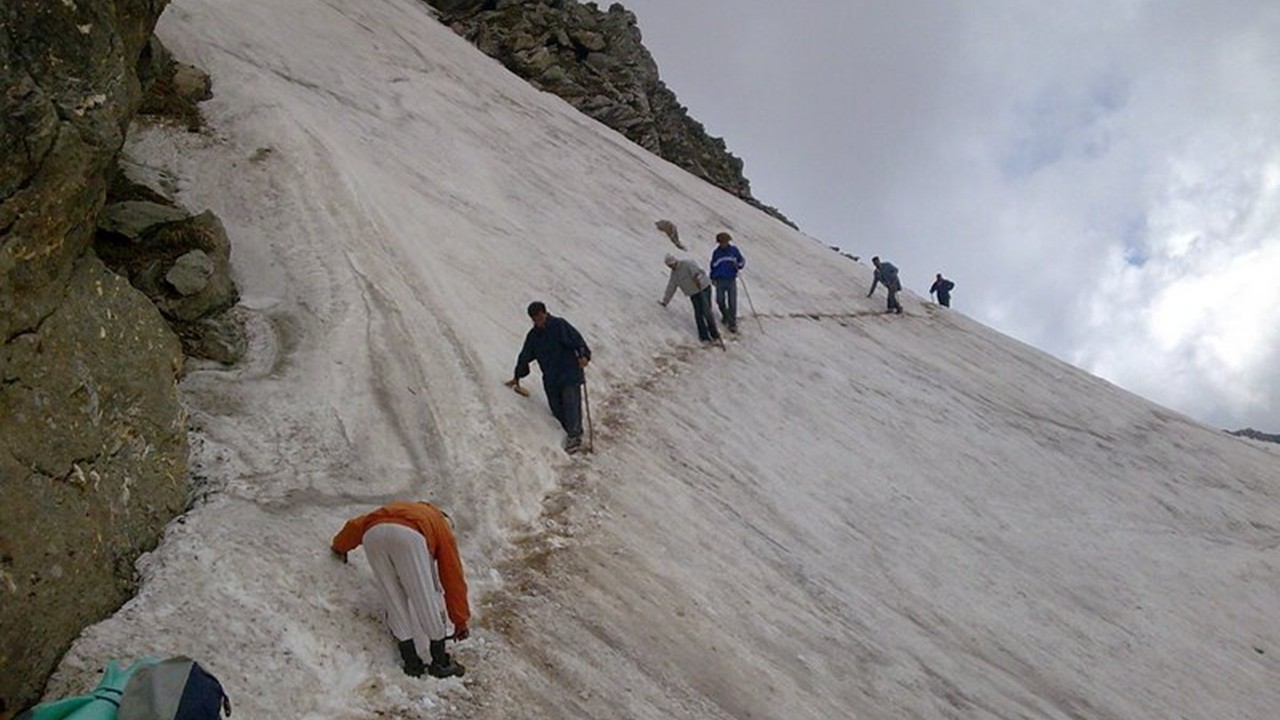
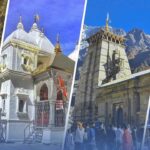
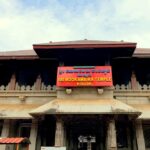
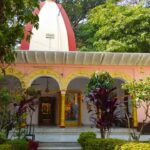
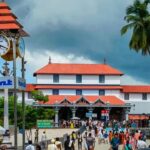
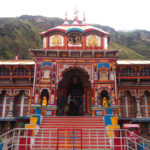
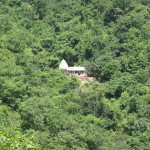
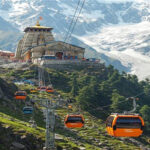
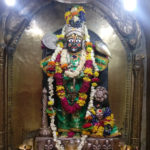
Temple and Sacred Places Along the Trek
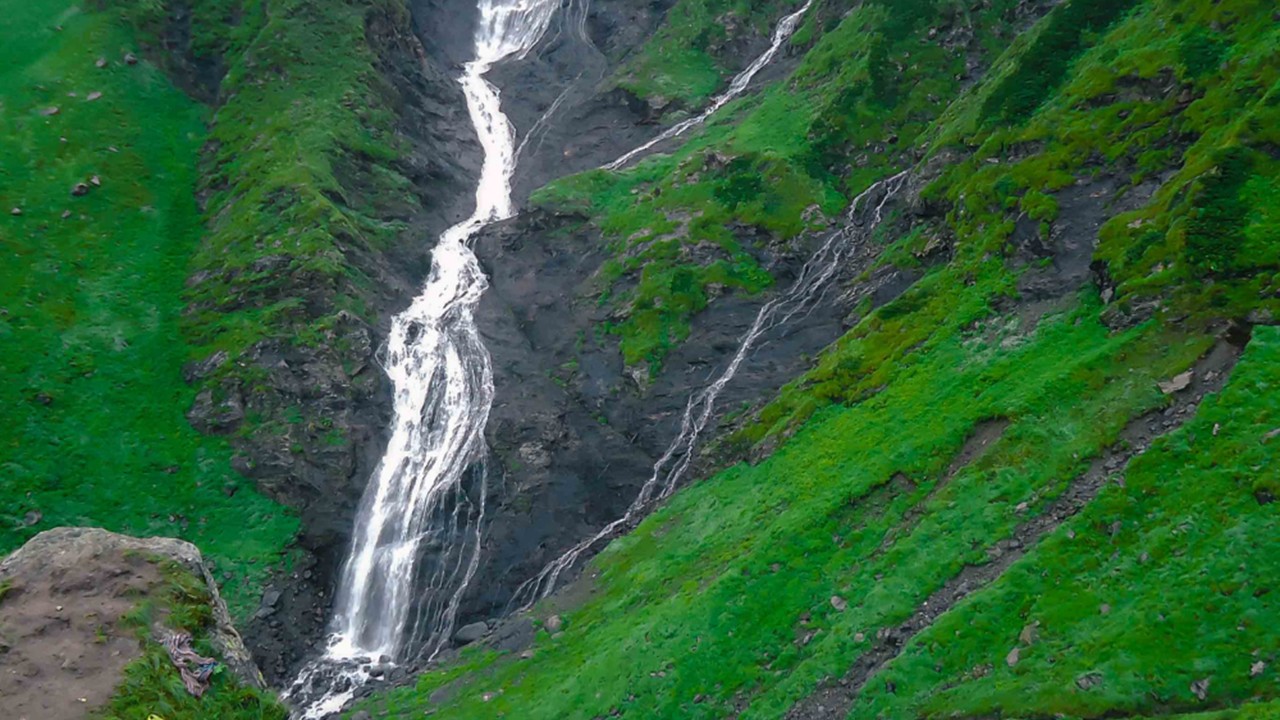
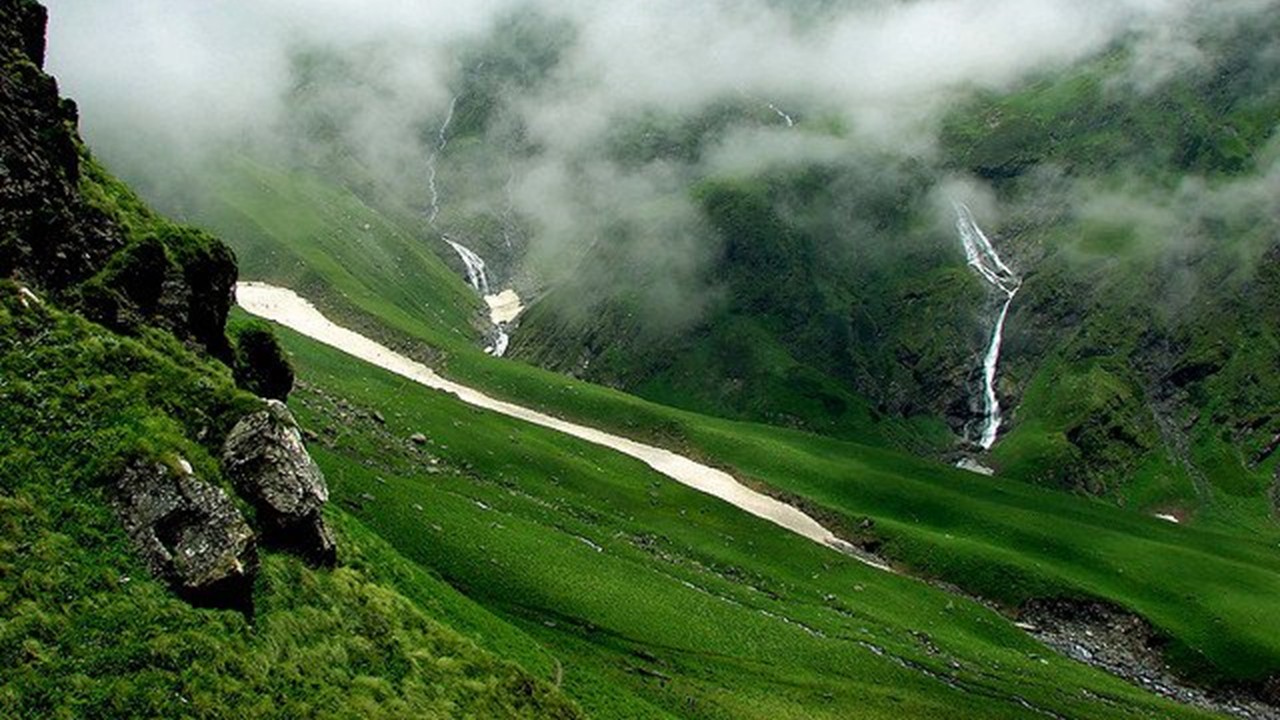
Complete Trek Guide
Day-wise Trek Itinerary
|
Day |
Route |
Approx. Time |
|
Day 1 |
Jaon Village → Singaad → Thachdu |
8–10 hours |
|
Day 2 |
Thachdu → Kali Top → Kunsha → Bhim Dwar |
6–8 hours |
|
Day 3 |
Bhim Dwar → Parvati Bagh → Nayan Sarovar → Shrikhand Mahadev Summit → Return to Bhim Dwar |
12–14 hours |
|
Day 4 |
Bhim Dwar → Thachdu |
6–8 hours |
|
Day 5 |
Thachdu → Jaon Village |
6–8 hours |
Leave a Reply