
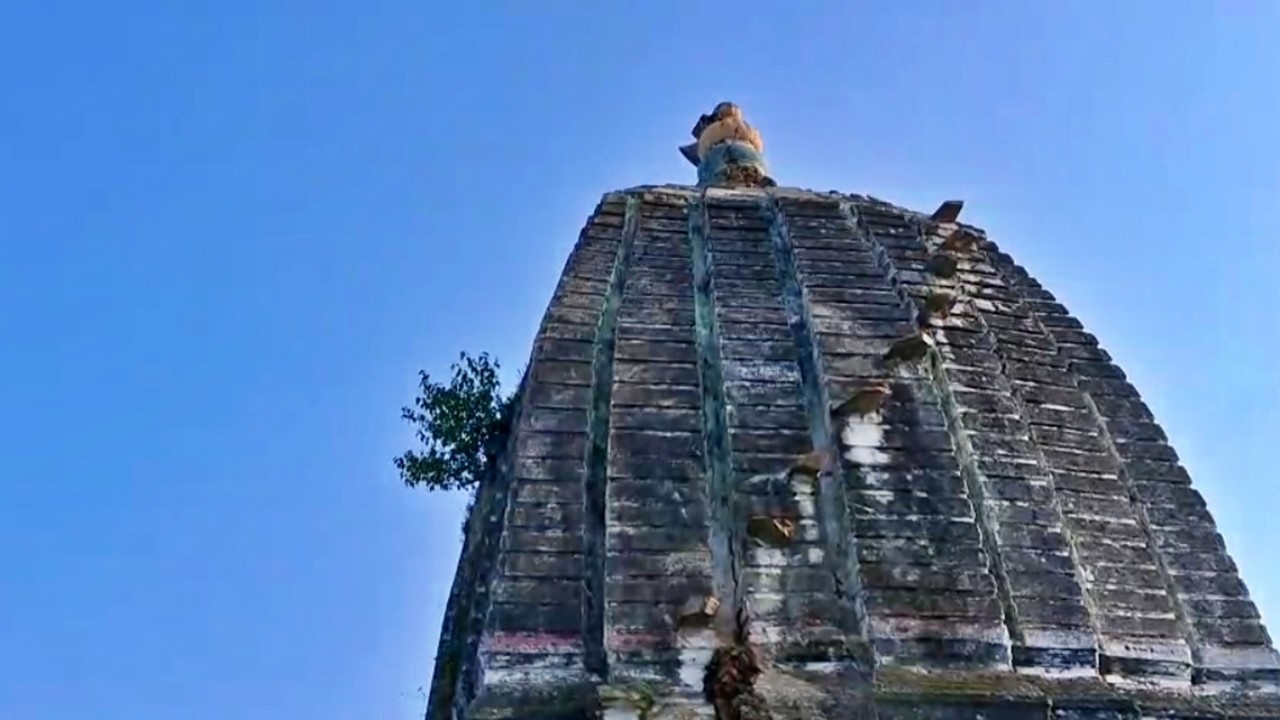
Sri Janardhana Temple is one of the most sacred shrines in the Gaya Kshetra and is revered as one of the important vedis among the traditional 54 Gaya vedis where pinda dana and shraddha rites are performed. The temple is situated on the Bhasmakuta Hill, to the north of the revered Mangala Gauri Temple in Gaya, Bihar. Unlike the other vedis associated primarily with offerings for departed ancestors, Janardhana Vedi is renowned as the only place where a living person may perform Atma Pinda Dana, the offering of pinda for oneself while still alive. This tradition has made the temple one of the most extraordinary pilgrimage sites in India.
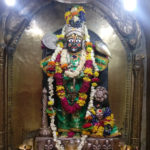
The temple is dedicated to Sri Vishnu in His Janardhana form. It is beautifully expressed in a famous verse traditionally recited in connection with Gaya Mahatmya of Vayu Purana, chapter 46, text 92:
Gayayam pitrirupena svayam eva Janardanah
Tam drishtva Pundarikaksham mucyate cha rinatrayat
Meaning: “In Gaya, Sri Janardana Himself is present in the form of the pitrus. By seeing that lotus-eyed Pundarikaksha, one becomes freed from the three debts.” This verse summarizes the theological importance of Gaya. Offerings made to the Pitrus in Gaya are believed to be ultimately received by Sri Vishnu Himself in the form of Janardhana through pitrus. Thus, the act of shraddha becomes worship of Hari through ancestors.
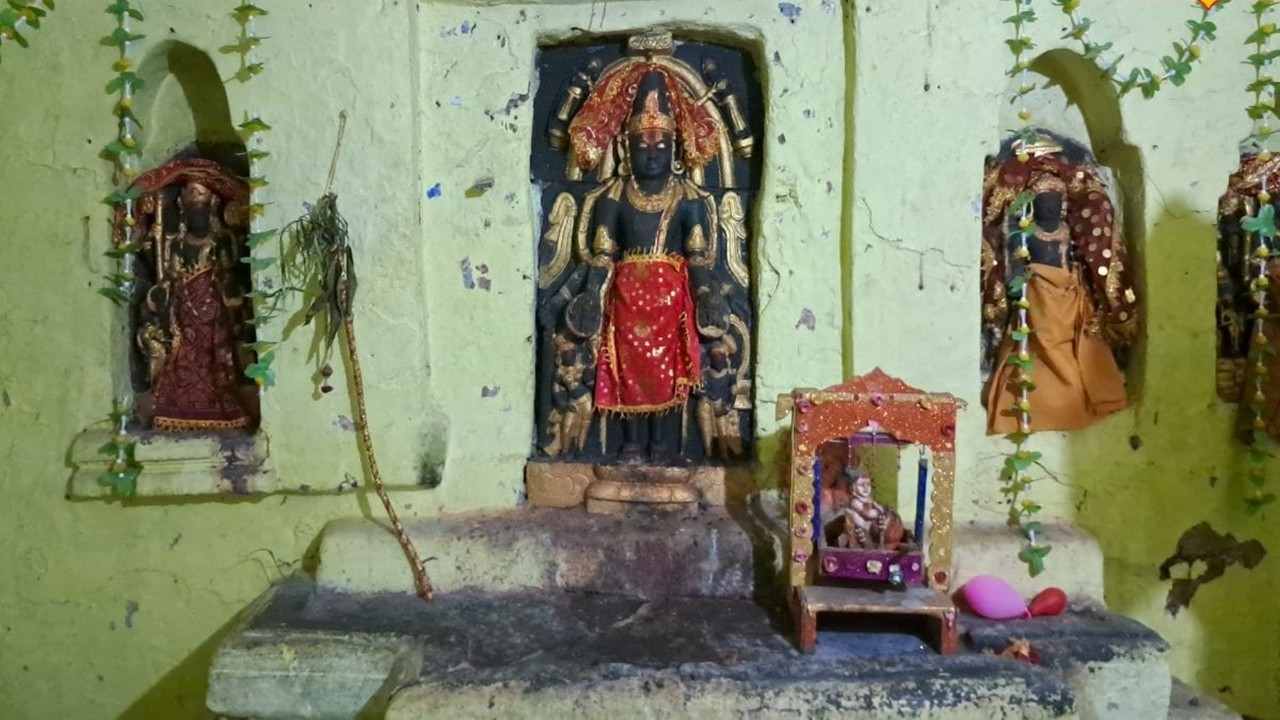
The Unique Tradition of Atma Pinda Dana
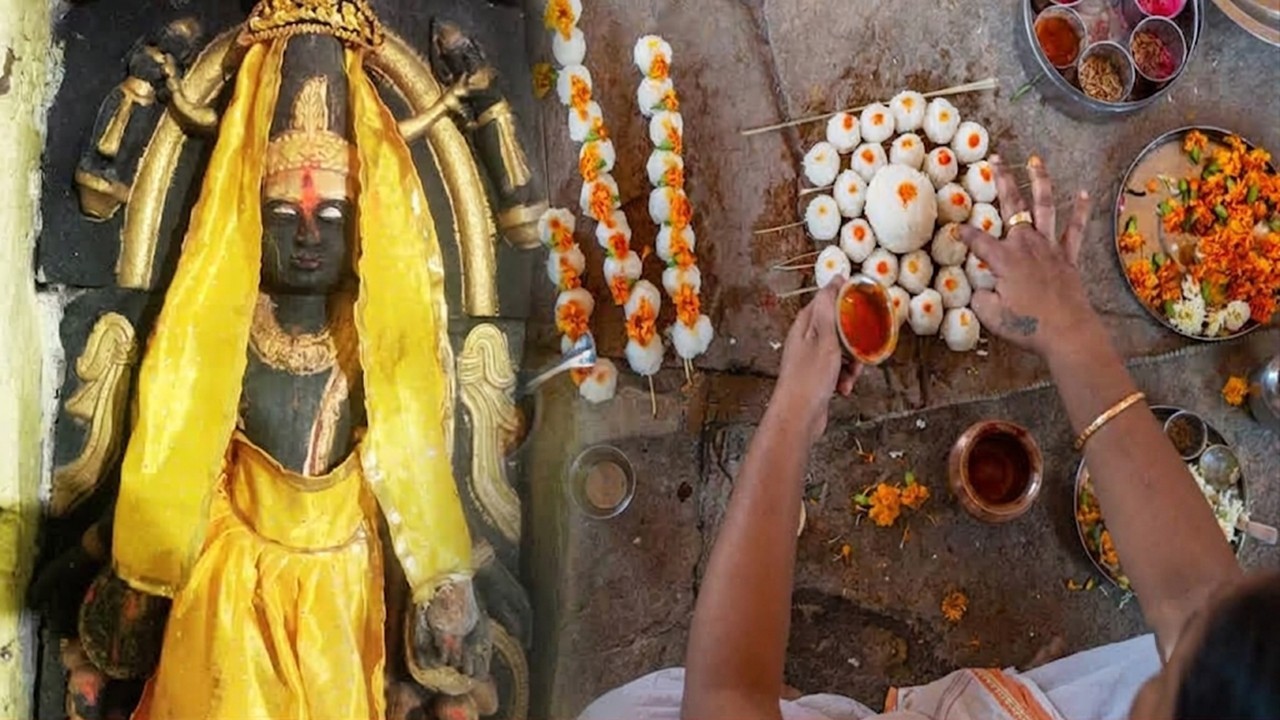
The Janardhana Temple is especially known for Atma Pinda Dana. Childless people, ascetics, renunciants, and those unsure whether anyone will perform their final rites may offer shraddha and pinda dana for themselves while still alive, rather than expressing despair.
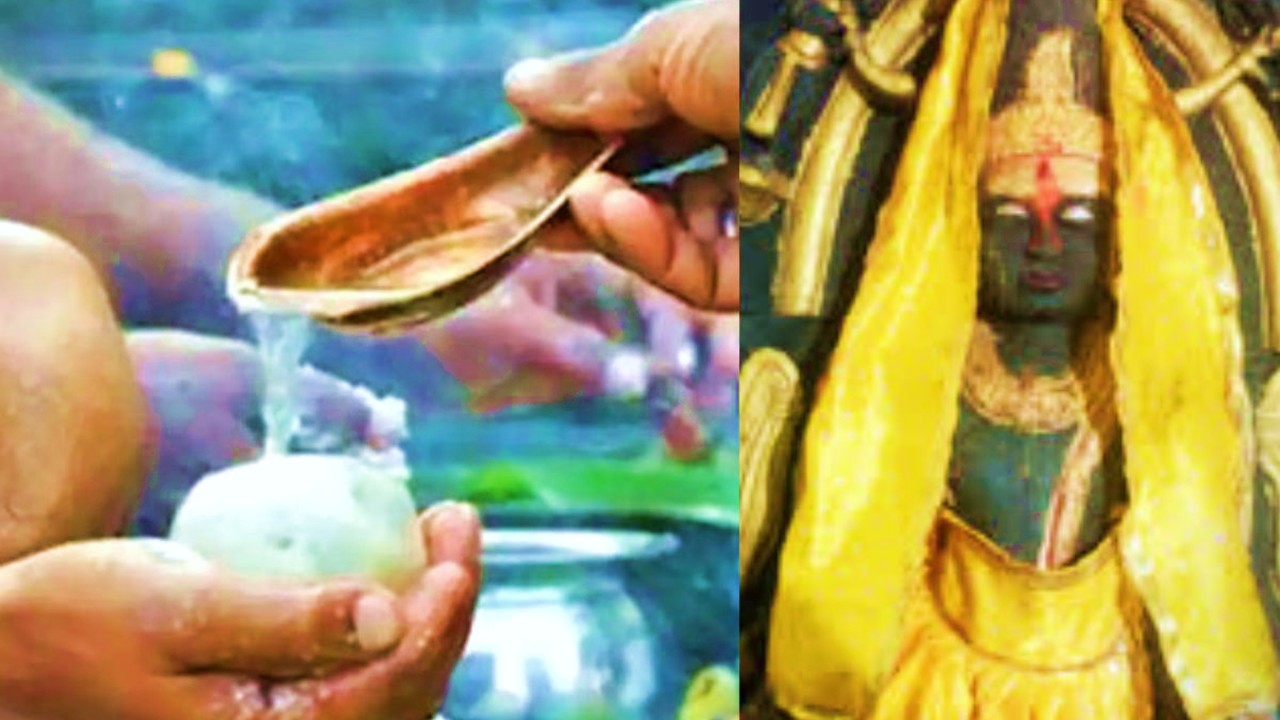
According to temple tradition, the devotee places the pindas in Sri Janardhana’s right hand, entrusting them to Him. After the devotee’s death, Sri Janardhana is believed to offer them at Vishnupada and grant liberation to the soul. This three-day Atma Shraddha or Atma Pinda Dana begins with a vow for spiritual fulfilment and atonement, followed by worship and chanting at the temple. The devotee then offers three pindas made of rice and curd. Unlike ordinary shraddha, sesame seeds are not used.
The Chapter 46 of Vayu Purana contains one of the oldest and most influential accounts of Gaya Mahatmya:
46.88
Janardano Bhasmakute tasya haste tu pindadah
Atmano ‘py athavanyesham savyenapi tilair vina
Jivatam dadhi-sam mishram sarve te Vishnulokagah
Meaning: At Bhasmakuta, Sri Janardana is present, and the pindas are offered into His hand. Pindas may be offered for oneself or for others, even without sesame. When offered for the living with curd, they attain Vishnuloka.
46.89
Yas tu pindo maya dattah tava haste Janardana
Yad uddishya tvaya deyas tasmin pindo mrite Prabho
Meaning: “O Janardana! The pinda that I have offered into Your hand, please give that pinda, to the intended person for whom it is intended.”
46.90
Esha pindo maya dattah tava haste Janardana
Antakale gate mahyam tvaya deyo Gayashire
Meaning: “O Janardana! This pinda has been offered by me into Your hand. When my final time comes, may You offer this pinda for me at Gayashira.”
Gayasura and the Origin of Gaya Kshetra
Gaya’s sanctity originates in the story of Gayasura in the Gaya Mahatmya of the Vayu Purana. After severe austerities, he received a boon from Sri Vishnu: anyone who saw, touched, or remembered him would be purified and gain supreme spiritual merit. When this left Yama’s realm empty, the concerned devatas sought Brahma’s help, and Brahma turned to Sri Vishnu for guidance.
Following Sri Vishnu’s instruction, Brahma asked to use Gayasura’s body for a cosmic sacrifice. Gayasura willingly agreed, but his immense spiritual power kept his body moving even after the yajna. Sri Vishnu finally subdued him with His divine gada and became known as Adi Gadadhara.
Gayasura then asked that the land sanctified by his body bear his name and remain the holiest place for shraddha, pinda dana, and liberation. Sri Vishnu granted the boon, and the region became known as Gaya, the foremost centre of ancestral worship. The Vayu Purana identifies Gayasura’s head as Shiro Gaya and describes the rest of his body as extending across Gaya Kshetra.
Architecture and Festivals
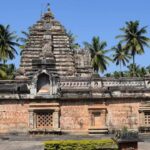
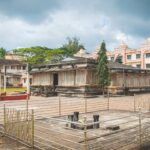
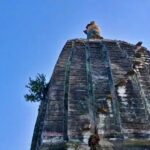
The Janardhana Temple stands upon the ancient Bhasmakuta Hill, built primarily of stone and reflects the traditional architectural style characteristic of the medieval temples of Gaya. Historical traditions connect its renovation with Raja Man Singh of Amber, one of the notable patrons of pilgrimage sites during the medieval period. The sanctum houses the four-armed image of Sri Vishnu as Janardhana. The hilltop location provides a beautiful view of the sacred terrain of Gaya and symbolically links the temple to Vishnupada, Akshayavat, Pretshila, Ramshila, and the other major pilgrimage centres of the kshetra.
Janardhan Temple celebrates major festivals such as Pitru Paksha Mela, Vaikuntha Ekadashi, Ram Navami, Krishna Janmashtami, and Kartik Purnima with special gatherings and rituals dedicated to Sri Vishnu.
Darshan Timings of the Temple
The temple is open on all the days of the year between 5:00 AM to 9:00 PM.
Nearby Places to Visit
Vishnupad Temple: Situated on the banks of the Falgu River, this temple is renowned for a stone-carved footprint of Vishnu.
Pretshila Hill: An important pilgrimage site and vedi associated with ancestral rites, particularly pinda dana.
Mangala Gauri Temple: One of the revered Shakti Peethas, this temple draws devotees seeking the blessings of Goddess Parvati.
How to Reach Janardhana Temple?
The best way to plan is through Tirtha Yatra’s Ayodhya Kashi Tour package. All the arrangements for your Yatra will be taken care of which you focus only on the spiritual experience of the journey.

By Road: Gaya is well connected by road to major cities in Bihar, including Patna (about 100 km away) and Bodh Gaya (about 15 km away). The temple can be reached by bus, taxi, or private car.
By Rail: Gaya Junction, the nearest major railway station, is about 10-12 km from the temple. From the station, take an autorickshaw, taxi, or local bus.
By Air: Gaya International Airport (Bodh Gaya Airport), the nearest airport, is about 15-18 km from the temple. Taxis and cabs are available at the airport.
0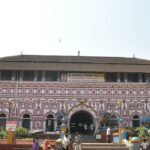
Leave a Reply