
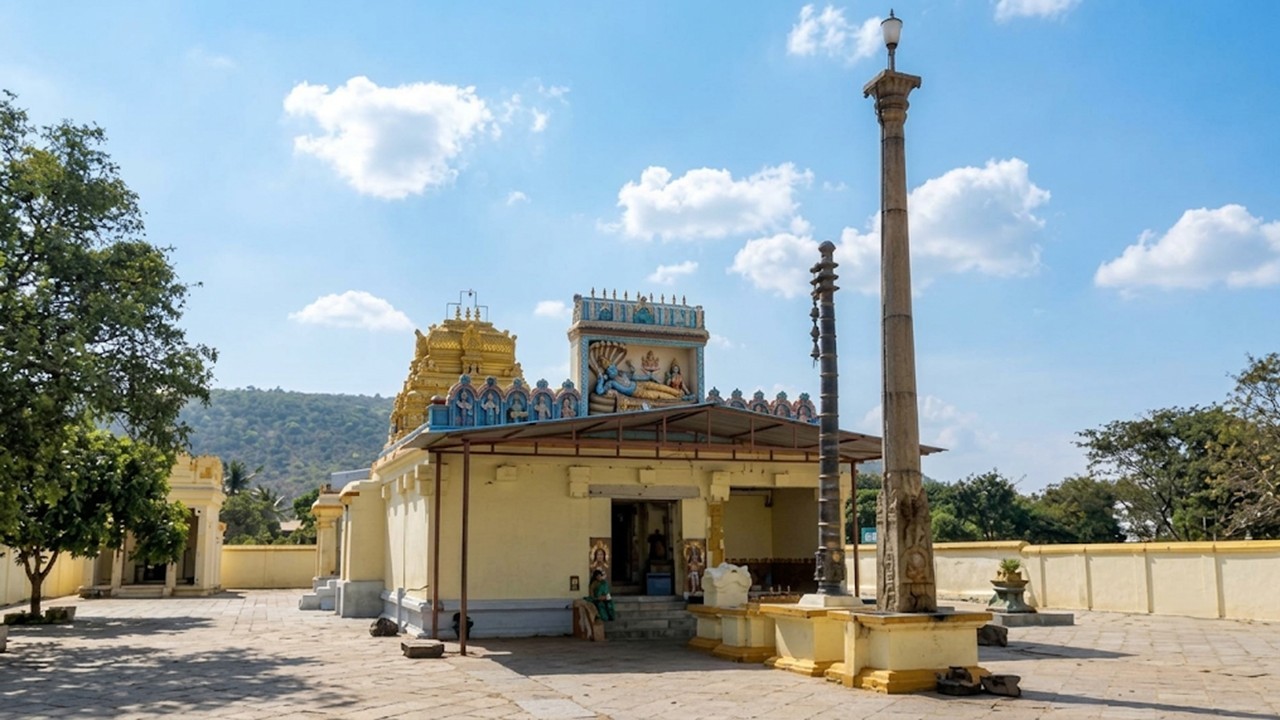
Madhyaranga Shri Ranganatha Swamy Temple is a spiritually significant temple, dedicated to Sri Mahavishnu. Situated on the banks of the River Kaveri, near Gaganachukki and Bharachukki waterfalls in Kollegala taluk, Chamarajanagara district in Karnataka. According to temple tradition, the divine origins of Shri Madhya Ranganatha Swamy Temple can be traced back to the Satya Yuga.
This temple is one of the sacred Tri Ranga Kshetra. Adhi Ranganatha in Srirangapatna, Mandya district Madhya Ranga in Shivanasamudra and Antya Ranga or Kasturi Ranga at Srirangam, Tiruchirappalli, Tamil Nadu. Situated along the sacred flow of the Kaveri River.
Among the three deities, the Vigraha here represent the youthful form of Sri Mahavishnu and hence it’s also locally known as Mohana Ranga or Jaganmohana Ranga. Surrounded by the waters of Kaveri River and situated close to the famous Shivanasamudra waterfalls, the temple has long inspired devotion and reverence.
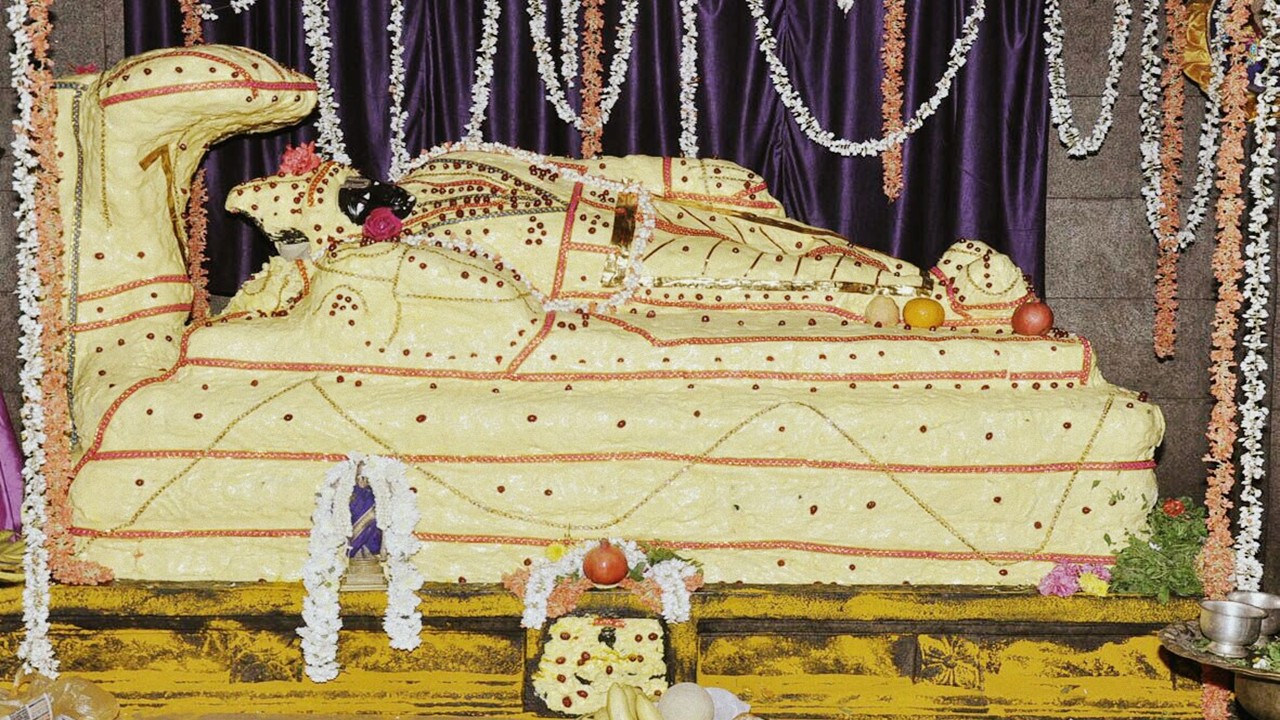
One of the most interesting features of the Tri Ranga Kshetras is that while Sri Ranganatha Swamy at Adi Ranga in Srirangapatna and Antya Ranga in Srirangam reclines on the five-hooded serpent Adishesha, at Madhya Ranga, Sri Mahavishnu uniquely reclines on the seven hooded Adishesha, setting this temple apart from the others.
Sthala Purana of Madhyaranga Shri Ranganatha Swamy Temple
Historically significant Shri Madhya Ranganatha Swamy Temple has a divine origin, directly linked to the puranic record of King Indra, the Bhagavan of devatas, and the powerful demon Vritrasura. The temple traditional revolve around Vrittrasura’s life in Chapter Six of the sacred text of Srimad Bhagavatam along with the traditional account of Madhya Ranga.
According to the temple tradition, Vritrasura became notorious throughout the three realms and started tormenting sages. He possessed enormous powers bestowed upon him by divine blessings and frequently disturbed the prayers and Tapasya of saints. Distressed sages prayed to Devatas for their deliverance from his absolutism. According to Purana, Brahma advised them that a promise made cannot be easily revoked. Instead, he asked them to pray to Sri Mahavishnu for their deliverance. Meanwhile, devatas were also enduring the absolutism of Vrittrasura who had emerged as a result of Yagna of Sage Tvashta after killing of his son Vishvarupa by Indra.
When the Devas described their predicament, Dadhichi gladly agreed to give his life for the good of the cosmos. By his yogic powers, he cast off his physical body. Then the architect of the devatas, Vishwakarma, fashioned the powerful Vajrayudha from the bones of Dadhichi. Graced by the bhagavan power and the offering made by the sage, Indra took his divine vehicle Airavata and went to war. There was intense fighting between the Devas and Vritrasura. But even with all his bravery and heroism, Vritrasura met his death in accordance with the divine will of Sri Mahavishnu. Armed with the Vajrayudha, Indra killed Vritrasura and brought back peace in all the three worlds. Now the sages were able to meditate and offer their yagna without any fear.
But Indra was burdened with a terrible price. Because of his sins, he had to bear the Brahmahatya Dosha, the great sin which results from slaying a sacred sage. This Dosha was constantly tormenting him, causing much distress to him. How Indra was tormented after the killing of Vritrasura is described in the Srimad Bhagavatam. Tearful and remorseful, Indra approached Sri Mahavishnu. He requested bhagavan to relieve him of his terrible Dosha. Sri Mahavishnu advised him to perform severe Tapasya at the sacred Thakshaka Kshetra, located at an island in River Kaveri.
With a view to transforming, it into a temple, Indra called upon Shilpi Vishwakarma, the divine architect. As per purana, Vishwakarma consecrated the sacred land and sculptured an exquisite form of Sri Ranganatha Swamy using a single sacred stone. Sri Mahavishnu appeared lying in majesty upon the seven hoods of the serpent Adishesha. Then Indra took a sacred dip in the divine River Kaveri and practiced severe Tapasya. He continuously meditated on Sri Ranganatha Swamy both day and night for forgiving him of his sins and seeking spiritual cleansing.
Impressed by his devotion and repentance, Sri Ranganatha Swamy appeared before him and blessed him. Due to the grace of Sri Mahavishnu, Indra was liberated from the dosham of Brahmahatya Dosha. He was freed from the effects of Brahmahatya Dosha and regained peace of mind. and gained mental peace. Ecstatic with joy, Indra celebrated the sacred Kshetra in heaven. Since then, the temple acquired a great reputation as Madhya Ranga Kshetra, one of the sacred Pancha Ranga Kshetras situated on the banks of the River Kaveri.
As per tradition that worship at this sacred Kshetra yields spiritual punya and cleanses one of sins along with bestowing blessings of Sri Ranganatha Swamy. Even till date, devotees undertake a pilgrimage to this temple for the purpose of being purified, obtaining divine blessings, and liberating oneself from the sufferings of the world. Hence, the Madhya Ranga temple tradition regards this Kshetra as the one where Indra was released from the Dosham of Brahmahatya Dosha due to the grace of Sri Ranganatha Swamy.
History of Madhyaranga Shri Ranganatha Swamy Temple
Madhyaranga Sri Ranganatha Swamy Temple at Shivanasamudra is dedicated to Sri Mahavishnu. Traditionally associated with the early Ganga dynasty, which ruled large parts of southern Karnataka between the 4th and 11th centuries CE. The temple later received the patronage and renovations of successive South Indian rulers, including the Hoysala’s, Vijayanagara Emperors and Mysore Wodeyar’s.
Sri Madhya Ranganatha temple is a important pilgrimage destination for Sri Vaishnava and devotees of Sri Mahavishnu for centuries. Also, this pilgrim site is one of the sacred Tri-Ranga Kshetras of the Kaveri River.
Architecture
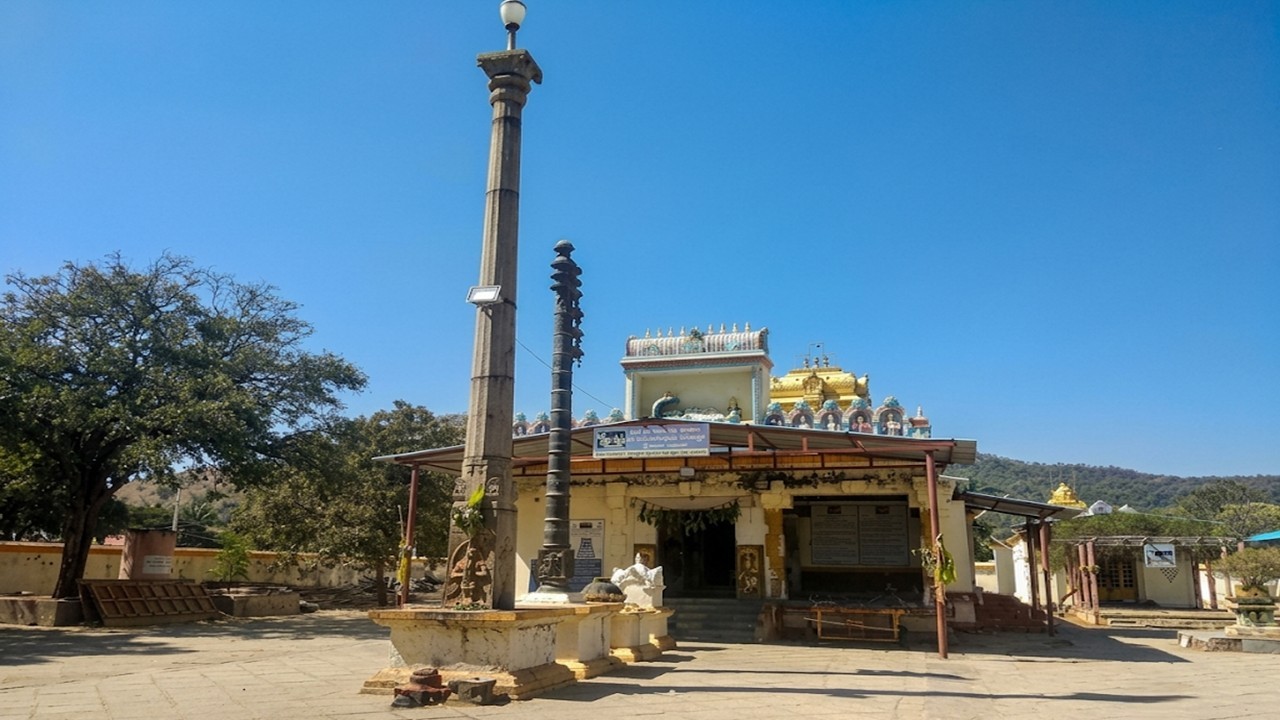
Madhyaranga Shri Ranganatha Swamy Temple is built in the traditional Dravidian style of architecture. The temple features, a modest yet graceful layout comprising a traditional Rajagopura, a central Garbha Griha and spacious temple grounds that provide a calm and atmosphere for devotees. Also, a four-pillared Mandapa stands outside the entrance, directly in front of the Rajagopura (main entrance), enhancing the temple’s architectural charm.
Before reaching the Garbha Griha, devotees pass by two Garuda Stambhas which stand prominently along the approach to the Garbha Griha. Also, a traditional stone or brass lamp mounted on top of the Garuda Stambha. Between the Garbha Griha and the Garuda Stambha Garuda, the sacred vahana of Sri Vishnu, Garuda is enshrined in a kneeling posture with folded hands, offering eternal obeisance to Sri Ranganatha Swamy.
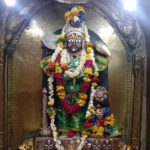
At Garbha Griha, the presiding deity, Sri Jaganmohana Ranganatha, is a magnificent Vigraha measuring approximately 8 feet in length. The Vigraha is exquisitely sculpted from a single black Saligrama Shila and reclines majestically beneath the protective hood of a seven headed serpent, Adishesha. Near the sacred feet of Sri Ranganatha Swamy is Sri Lakshmi Devi, symbolizing the divine sanctity of the River Kaveri and its association with the deity. the divine sanctity of the Kaveri River and its intimate association with the deity. Also, there is a small unique deity of Garuda deva, near the Sri Ranganatha Swamy head.
Festivals Celebrated in Madhyaranga Shri Ranganatha Swamy Temple
Vaikunta Ekadashi: On Vaikunta Ekadashi, the presiding deity undergoes a special and rare alankaram, using pure fresh butter, attracting devotees and pilgrims from across the region.
Dhanurmasa Pooja: Throughout the Tamil and Kannada sacred month of Dhanurmasa, the temple hosts special early-morning rituals and prayers.
and special prayers.
Ratha Saptami: also known as Surya Jayanti is a highly significant festival celebrated at this temple, Ratha Saptami marks a powerful day of worship at this island temple
Darshan Timings of Madhyaranga Shri Ranganatha Swamy Temple
Devotees who wish to seek the blessings of Sri Ranganatha Swamy, can visit during the following hours.
Morning: 7:30 to 1:30
Evening: 3:00 to 6:00
Best Time to Visit Madhyaranga Shri Ranganatha Swamy Temple
The best time for visiting is between July and January, when the climate is pleasant and the Kaveri River adds to the charm of the surroundings of the temple. Devotees can even come here during festivals like Vaikunta Ekadasi and Dhanurmasam, which are very important and celebrated with pomp and fervour at the temple.
Nearby Places to Visit
Sri Prasanna Meenakshi & Someshwara Temple: Located around 500 meters from Madhya Ranganatha Swamy temple, this temple dedicated to Bhagavan Shiva and Mata Parvati.
Shimsha Maramma Temple: This is village (Grama Devate) Temple, dedicated to Durga Devi, located around 1.5 km Distance from Sri Ranganatha Swamy Temple.
Marehalli Sri Lakshmi Narasimha Swamy Temple: 1,200-year-old temple dedicated to Sri Narasimha, Situated around 23 km distance from Sri Madhya Ranganatha Swamy temple and 2 km from Malavalli town,
Talakadu Temple Cluster Sri Vaidyanatheshwara, Pataleshwara: This temple is located Talakadu village 30 km distance from Sri Madhya Ranganatha Swamy temple.
Keerti Narayana Temple: This temple is one of the Pancha Narayana Kshetra located in Talakadu ,12th-century temples dedicated to Sri Narayana. Situated Approx. 33 km From Shivanasamudra.
How to Reach Temple Madhyaranga Shri Madhya Ranganatha Swamy Temple?
The best way to plan is through Tirtha Yatra’s Srirangam or Pancha Ranga Yatra packages. All the arrangements for your Yatra will be taken care of while you can focus only on the spiritual experience of the journey.
By Air: The nearest airport is Kempegowda International Airport Bengaluru and Mysuru Airport. From here, Pilgrims can book private taxis or cabs to reach from this airport.
By Rail: The nearest railway station is Mandya Railway Station and Mysuru Junction, from the Railway Station Pilgrims can book private taxis or State and Private Public transport Buses available to reach Madhya Ranganatha Swamy Temple.
By Road: The temple is well connected with major cities like Bangalore, Mysuru, Maddur, Mandya Taxis and buses are available from this city’s, pilgrim can reach though public transport via Malavalli Town.
0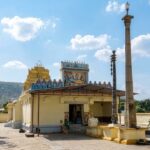
Leave a Reply