
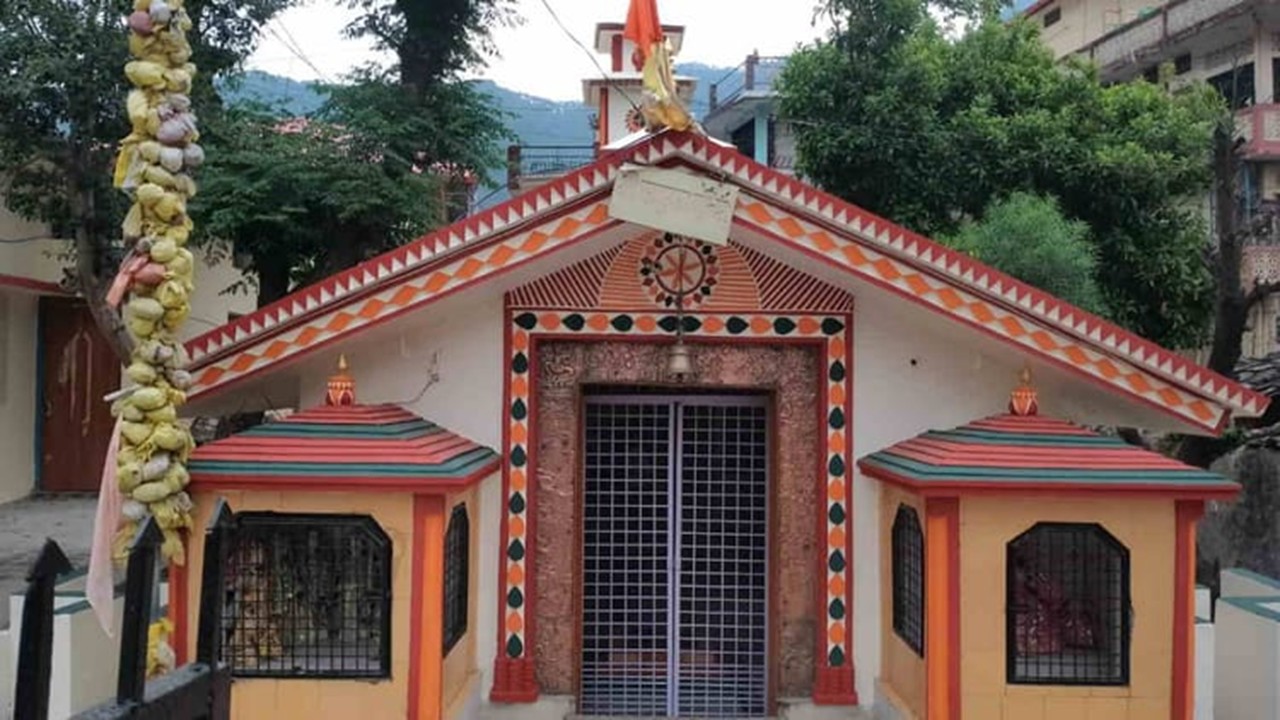
Sri Parashurama Temple, situated in the serene town of Uttarkashi in Uttarakhand, is a revered Himalayan spiritual center. Uttarkashi, traditionally known in Sanatana Dharma as Saumya Kashi, is home to several historic temples and sacred sites. This historic temple is dedicated to Bhagavan Parashurama, who is believed to have withdrawn from his martial mission and undertaken intense tapasya in these sacred Himalayan regions.
Sri Parashurama appeared on the auspicious day of Akshaya Tritiya. According to the Skanda Purana and the Bhavishya Purana, Sri Mahavishnu incarnated as the son of Maharshi Jamadagni and Mata Renuka during the Treta Yuga to reestablish dharma and protect the righteous.
The Brahmanda Purana recounts that Bhoomi Devi, assuming the form of a cow, approached Sri Mahavishnu seeking relief from the oppression and adharma prevailing on Earth. In response to her prayer, Sri Mahavishnu incarnated as Sri Parashurama in the revered lineage of Maharshi Jamadagni. Raised in his father’s ashrama, he received a comprehensive Vedic education and mastered the sacred knowledge of the Vedas and Dharma under the guidance of his parents and revered sages.
Before becoming renowned as Sri Parashurama, Bhargava Rama performed intense tapasya to Bhagavan Shiva. Deeply pleased by his unwavering devotion, Bhagavan Shiva bestowed upon him the divine Parashu (axe) and imparted the knowledge of celestial warfare. Thereafter, Bhargava Rama became known as Sri Parashurama, the warrior-sage who bore the divine Parashu and dedicated himself to the protection of dharma.
Sthala Purana of Parashurama Temple, Uttarkashi
According to the Kedarkhand of the Skanda Purana, Bhagavan Parashurama retired to the sacred Himalayas after fulfilling his divine mission of restoring dharma by subduing unrighteous Kshatriya rulers on twenty-one occasions. Although he had accomplished this sacred duty, he sought deeper spiritual peace and complete inner serenity through intense tapasya.
Bhagavan Shiva instructed Sri Parashurama to undertake severe tapasya in the Himalayas to attain spiritual tranquillity. Following His divine command, Sri Parashurama journeyed to Varunavat Parvata, near the sacred confluence of the Varuna and Bhagirathi rivers, where he immersed himself in profound meditation and austerities.
Through years of deep contemplation and tapasya, his mind became serene and free from anger. Scriptural traditions further state that he became an eminent disciple of Bhagavan Sri Dattatreya at this sacred site. Having attained spiritual wisdom and mastery over the science of warfare, Sri Parashurama later imparted the divine knowledge of Dhanurveda to renowned warriors such as Bhishma, Dronacharya, and Karna.
The Skanda Purana further recounts that Sri Parashurama worshipped Bhagavan Shiva atop Varunavat Mountain to overcome the remnants of anger within himself. Pleased by his steadfast devotion and rigorous tapasya, Bhagavan Shiva manifested before him and bestowed His divine grace, establishing Sri Parashurama in a state of profound peace and spiritual fulfilment.
Thereafter, Sri Parashurama revealed that Bhagavan Shiva eternally resided at this sacred site in the form of a Shivalinga. Since that time, devotees and local communities have revered and worshipped this divine temple as Sri Vimleshwara Mahadeva, considering it a sacred manifestation of Bhagavan Shiva’s divine presence.
History of Parashurama Temple, Uttarkashi
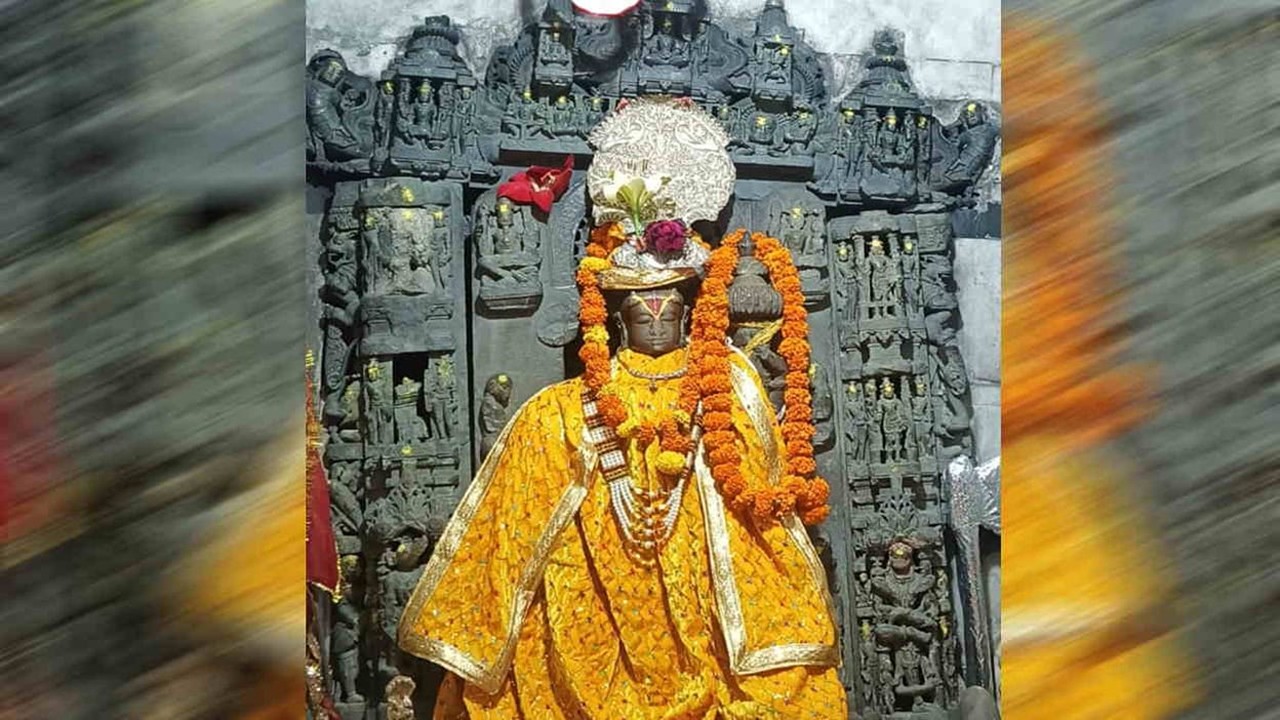
Sri Parashurama Temple, Uttarkashi, is a historic temple renowned for its historic Sri Mahavishnu Vigraha. According to temple priests and local traditions, the principal deity is believed to date back to the 8th or 9th century CE.
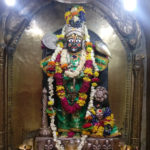
The magnificent stone image depicts Sri Mahavishnu standing gracefully upon a lotus pedestal (Kamalasana). Surrounding the deity is an exquisitely carved stone Prabhavali (ornamental arch) adorned with representations of the Dashavatara and the Pandavas, reflecting the rich artistic and spiritual heritage of the region. The temple complex also houses sculpted images of the Pandavas, further enhancing its religious and historical significance.
In recent years, the temple has attracted considerable attention because of the striking similarities observed between this historic Sri Vishnu Vigraha and the newly consecrated Ram Lalla Vigraha at Ayodhya. Devotees, scholars, and art historians have noted resemblances in their facial features, lotus-standing posture, and the beautifully sculpted arch surrounding the deity.
The ornate Prabhavali of the Uttarkashi Vigraha is particularly remarkable for its intricate depictions of the avataras of Sri Mahavishnu, including a prominent representation of Sri Parashurama Avatara. These artistic elements make the temple an important center of both devotion and traditional iconography.
Architecture
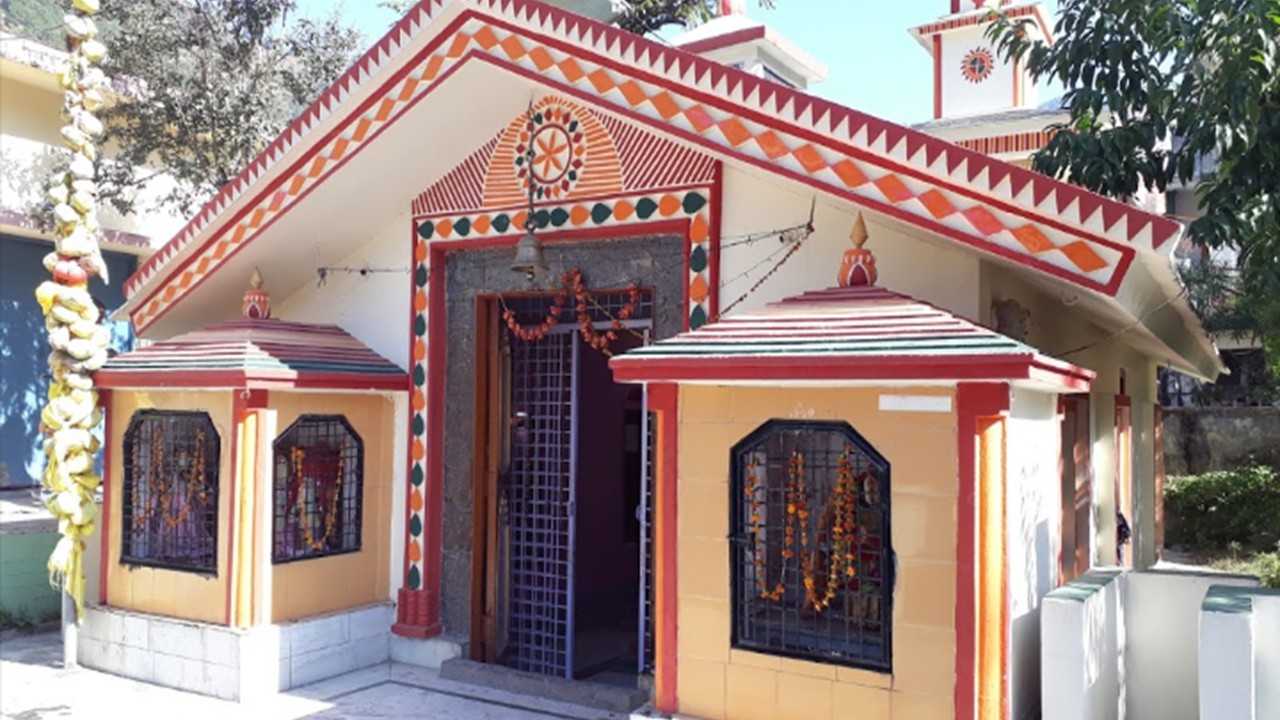
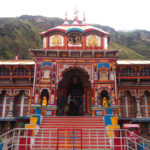
Sri Parashurama Temple exemplifies the traditional Himalayan style of temple architecture, reflecting the simplicity, durability, and spiritual character of the Garhwal Himalayas. Constructed primarily from locally sourced stone and other materials suited to the mountainous terrain, the temple harmoniously blends with its natural surroundings.
Modest in scale yet rich in spiritual significance, the temple emphasizes devotion and functionality rather than elaborate grandeur. The stone-built Garbha Griha and traditional architectural features preserve the historical heritage of the region while showcasing the practical building techniques developed for the Himalayan environment.
The temple complex is especially notable for its historic Sri Mahavishnu Vigraha and associated stone carvings, which contribute to its religious, artistic, and cultural importance.
Festivals Celebrated in Parashurama Temple, Uttarkashi
Sri Parashurama Jayanti (Akshaya Tritiya): Celebrated on the auspicious occasion of Akshaya Tritiya, which falls during the Shukla Paksha of the month of Vaishakha (April-May), this festival commemorates the divine appearance of Bhagavan Parashurama, the sixth avatara of Sri Mahavishnu, to Maharshi Jamadagni and Mata Renuka. The day is observed with special pujas, devotional gatherings, and spiritual discourses.
Magh Mela (Makar Sankranti): One of the most significant cultural and religious festivals in Uttarkashi, Magh Mela is celebrated in mid-January during Makar Sankranti. During the festival, revered local deities are ceremonially brought to the banks of the sacred Bhagirathi River, attracting thousands of devotees and pilgrims from across the region.
Maha Shivaratri: As Sri Parashurama is regarded as one of the foremost devotees of Bhagavan Shiva, Maha Shivaratri is celebrated with great devotion and enthusiasm at the temple. Devotees gather to offer special prayers, perform abhisheka, participate in devotional singing, and seek the blessings of both Bhagavan Shiva and Sri Parashurama
Darshan Timings of Parashurama Temple, Uttarkashi
The temple is open to devotees every day of the year from 06:00 AM to 08:30 PM.
Best Time to Visit
The best time to visit Sri Parashurama Temple, Uttarkashi, is during the summer months from March to June and the autumn season from September to November, when the weather is pleasant and the Himalayan landscape is at its most picturesque.
Clear skies, comfortable temperatures, and favourable travel conditions make this period ideal for darshan, meditation, and exploring the sacred sites of Saumya Kashi. Many devotees also prefer to visit during Sri Parashurama Jayanti and other important Sanatana Dharma festivals to experience the temple’s spiritual atmosphere and festive celebrations.
Visitors are advised to exercise caution during the monsoon season, as heavy rainfall may occasionally trigger landslides and disrupt road connectivity in the mountainous regions of Uttarkashi. Similarly, the winter months bring cold temperatures and challenging travel conditions, particularly in higher-altitude areas. It is therefore advisable to check local weather and road conditions before planning your journey.
Nearby Places to Visit
Shree Kashi Vishwanath Temple, Uttarkashi: Located approximately 300 meters from Sri Parashurama Temple on Mall Road, this historical temple dedicated to Bhagavan Shiva is one of the most revered temples in Uttarakashi. Situated near the sacred Bhagirathi River, the temple is renowned for its divine Trishula, which is traditionally believed to have been bestowed by Maa Durga after the destruction of the demon Mahishasura. The temple is an important spiritual landmark of Saumya Kashi and attracts devotees throughout the year.
Kedar Ghat: A sacred bathing ghat situated on the banks of the divine Bhagirathi River, Kedar Ghat is a popular place for prayer, meditation, and ritual worship. The peaceful atmosphere and scenic surroundings make it a favored destination for pilgrims and visitors alike.
Kuteti Devi Temple: Located approximately 3 km from Uttarkashi on Hari Parvata, this revered temple is dedicated to Maa Kuteti Devi, a manifestation of Maa Durga Devi. The temple is an important center of devotion and offers panoramic views of the surrounding Himalayan landscape.
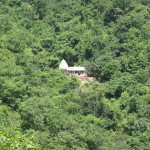
Sri Vimleshwara Mahadeva Temple: Situated atop Varunavat Parvata, about 12 km from Uttarkashi, this sacred temple is dedicated to Bhagavan Shiva. According to local tradition, it is closely associated with the tapasya of Sri Parashurama and is regarded as an important pilgrimage destination for devotees seeking spiritual peace and divine blessings.
How to Reach Parashurama Temple, Uttarkashi
The best way to plan is through Tirtha Yatra’s Char Dham Yatra packages. All the arrangements for your Yatra will be taken care of while you can focus only on the spiritual experience of the journey.

By Air: The nearest airport is Jolly Grant Airport, Dehradun, located approximately 170 km from Uttarkashi. Regular taxi and bus services are available from the airport to Uttarkashi.
By Rail: The nearest major railway stations are Rishikesh, Haridwar, and Dehradun. From these railheads, visitors can reach Uttarkashi by taxi, shared vehicles, or state-operated bus services.
By Road: Uttarkashi is well connected by road to Dehradun, Rishikesh, Haridwar, and other major towns of Uttarakhand through the Garhwal Himalayan highway network. Regular buses and taxis operate throughout the year.
0
Leave a Reply