
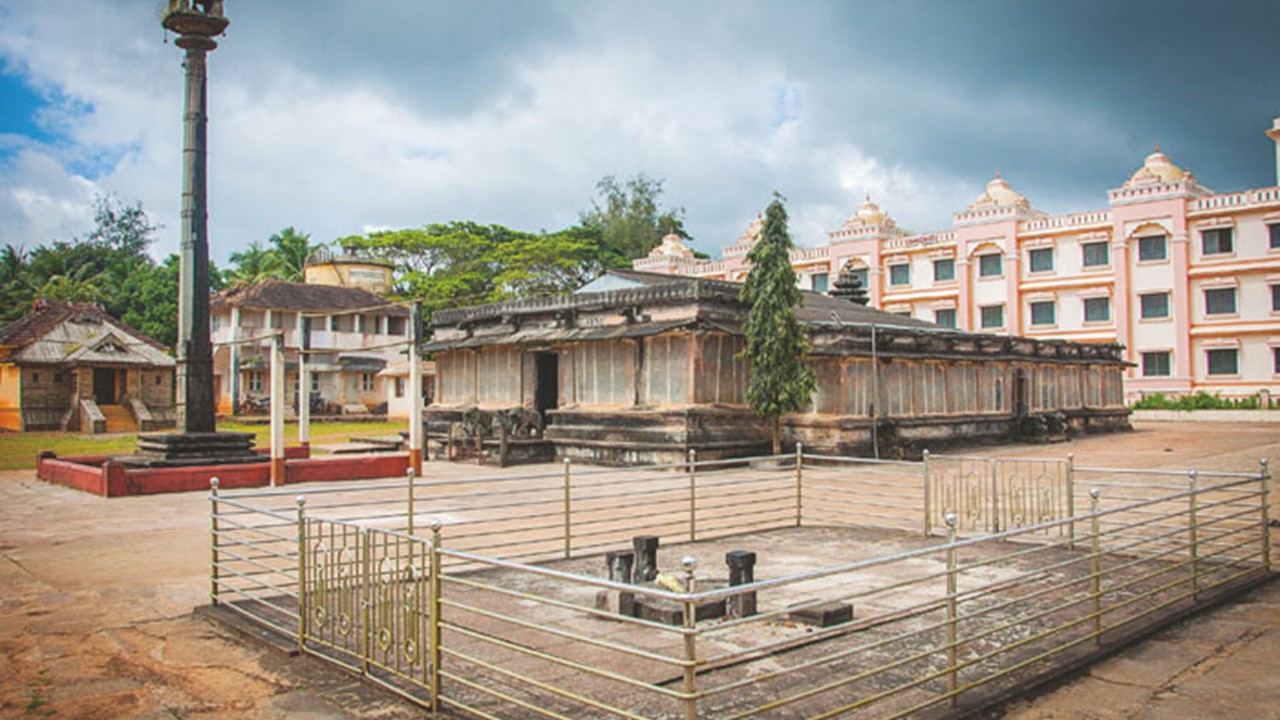
Present amidst the verdant forests of the Western Ghats in Sode (Sonda), near Sirsi in Karnataka’s Uttara Kannada district, Sode Sri Vadiraja Matha stands as one of the most revered centres of the Madhva tradition. The kshetra is intimately associated with Sri Vadiraja Tirtha (1480 – 1600 CE), one of the greatest saints and scholars in the Tattvavada tradition, whose spiritual presence continues to inspire devotees and seekers even today.
To preserve and propagate Tattvavada, its founder, Sri Madhvacharya (1238–1317 CE), installed the deity of Sri Krishna at Udupi and established the Ashta Mathas (Eight Monasteries). For centuries, these Mathas have served as centres of learning, worship, and spiritual leadership, carrying forward the teachings of Tattvavada.
Among the Ashta Mathas established in the Madhva tradition was this Matha whose original principal seat was at Kumbhasi. The first pontiff of this lineage was Sri Vishnu Tirtha, the younger brother and direct disciple of Sri Madhvacharya. Therefore, during its earlier history, the institution was known as Kumbhasi Matha
Over successive generations the Matha produced many distinguished scholars and spiritual leaders. However, it attained its greatest prominence under Sri Vadiraja Tirtha, who transformed the institution into one of the most influential centres of Tattvavada. When Sri Vadiraja established the Matha at Sode and made it the principal seat of the institution, the Matha gradually came to be known as Sode Matha. This association became permanent because Sode was both his principal centre of activity and the place where he later entered Brindavana.
Sri Vadiraja Tirtha
Sri Vadiraja Tirtha was born in 1480 CE at Hoovinakere near Kundapura and was named Bhuvaraha. Recognized for his exceptional spiritual inclination and intellect from childhood, he was initiated into sannyasa at a young age of eight and received the name Vadiraja Tirtha. He studied under eminent teachers such as Sri Vaagisha Tirtha and Sri Vidyanidhi Tirtha, mastering scriptures, philosophy, logic, literature, and devotional traditions.
Vadiraja Tirtha emerged as one of the Madhva tradition’s most remarkable figures – a philosopher, theologian, prolific author, poet, celebrated debater, spiritual leader, temple administrator, reformer, and tireless advocate of Tattvavada. He travelled extensively across India, visiting sacred Kshetras, engaging in philosophical discussions, and spreading Madhvacharya’s teachings. These journeys are recorded in his renowned work, Tirtha Prabandha. His writings enriched Sanskrit and Kannada religious literature, while his reforms strengthened temple worship, monastic administration, and scriptural education throughout the Madhva community.
During the sixteenth century, the ruler Arasappa Nayaka granted land at Sode to Sri Vadiraja Tirtha. Recognizing the spiritual significance of the location, Vadiraja established a grand Matha and temple complex there. Under his leadership Sode emerged as one of the foremost centres of Tattvavada, attracting scholars and devotees from across the region.
Sri Vadiraja Tirtha composed numerous Sanskrit and Kannada works under the devotional mudra “Hayavadana.” His notable compositions include Lakshmi Shobhane, Rukminisha Vijaya, Hayagriva Stotra, Hayagriva Sampada Stotra, Vishnu Stuti, Navagraha Stuti, Sri Rama Dashaka, Varaha Panchaka and many more. Among his important philosophical works are Yukti Mallika, Nyaya Ratnavali, Lakshalankara and Upanyasa Ratnamala. His Kannada devotional songs, including Baaro Murare, Bega Baaro Dariya Toro and Anjaneyane Amaravandita, remain popular in the Dasa Sahitya.
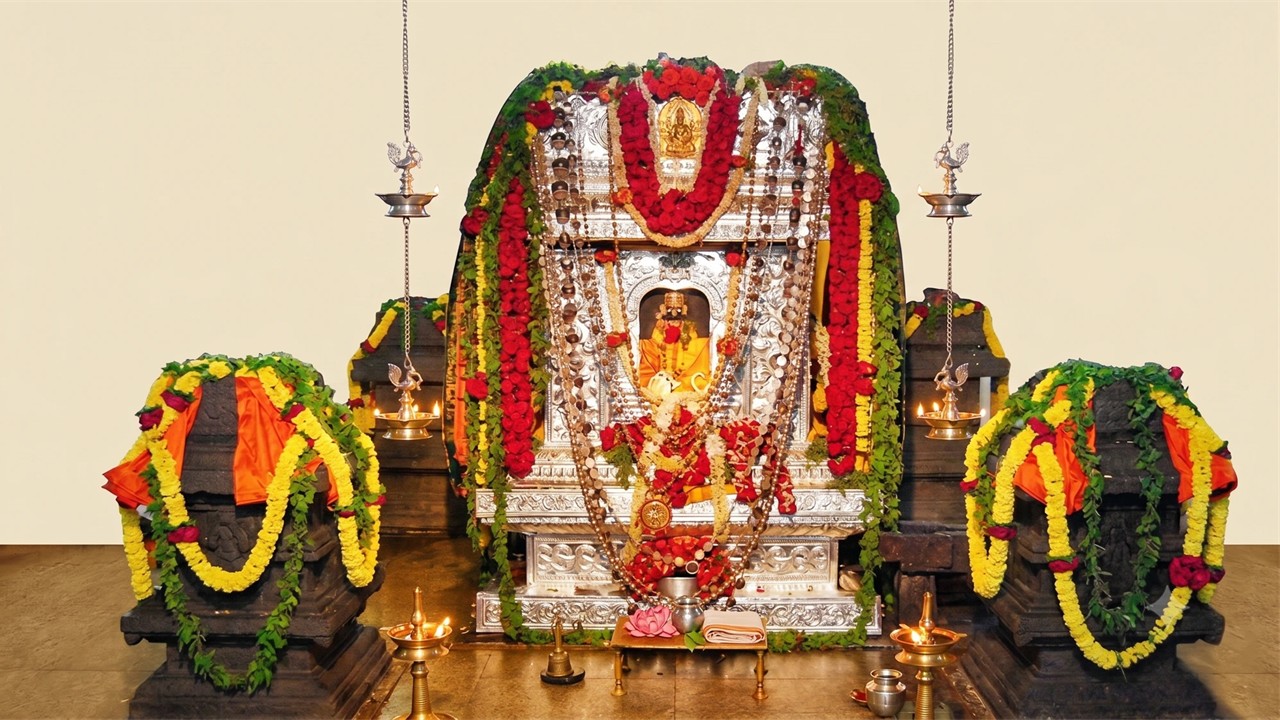
The Sacred Brindavana of Sri Vadiraja
Sode attained unparalleled sanctity because it became the site of Sri Vadiraja Tirtha’s Sajiva Brindavana Pravesha, entering alive into samadhi.
According to traditional accounts, on the appointed day, Sri Vadiraja worshipped Sri Hayagriva, Sri Bhuvaraha, Sri Trivikrama, and Sri Madhvacharya. After blessing his disciples, successors, and devotees, he entered Brindavana in a state of divine absorption. The spiritual lineage continues till now unbroken under His Holiness Sri Vishwavallabha Tirtha Swamiji, the present Peethadhipathi of Sode Matha.
One of the most sacred features of Sode is the Panchabrindavana, which houses the Brindavanas of revered five pontiffs of the Matha: Sri Vidyanidhi Tirtha, Sri Vaagisha Tirtha, Sri Vadiraja Tirtha, Sri Vishwadhiraja Tirtha, and Sri Varadendra Tirtha.
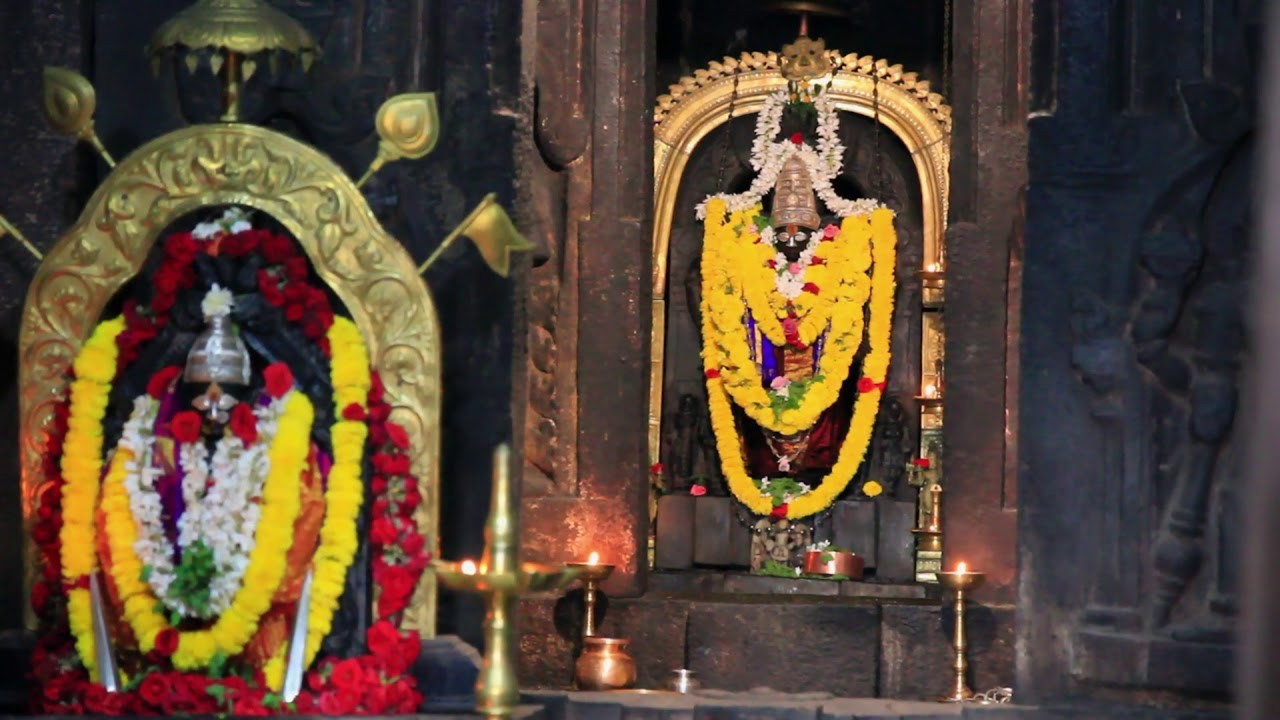
Sri Rama Trivikrama of Sode
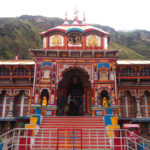
The presiding deity of Sode is Sri Rama Trivikrama, whose origin is inseparably linked with Sri Vadiraja Tirtha. According to tradition, during his visit to Urdhva Badarikashrama, Sri Vadiraja had the divine darshana of Sri Trivikrama. By divine command, the deity was brought from Urdhva Badari to Sode by Sri Bhutaraja, the devoted servant of Sri Vadiraja.
During the journey, a Daitya obstructed Bhutaraja’s mission. To protect the sacred deity, Bhutaraja destroyed the demon using one of the wheels of the chariot carrying Sri Trivikrama. This remarkable event is commemorated even today through the unique tradition of a three-wheeled Ratha associated with the Sode temple.
Upon arrival at Sode, Sri Vadiraja consecrated and installed Sri Rama Trivikrama deity as the spiritual centre of the kshetra. Traditional Madhva scriptures associate this form of Trivikrama with the Rju-devatas. Consequently, the worship of Sri Trivikrama at Sode enjoys a special place within the Tattvavada tradition.
Sode also houses the deities worshipped by Sri Vadiraja Tirtha, including Sri Rama Trivikrama, Sri Mukhya Prana, and Sri Rudradeva. In addition, Sri Hayagriva and Sri Bhuvaraha occupy an important place in the worship traditions of the Matha.
Sri Vadiraja is traditionally associated with offering Hayagriva, a sweet preparation made from gram, jaggery, and coconut. This offering eventually became famous as Hayagriva Prasada and remains one of the most cherished traditions associated with the saint and the Matha.
Architecture
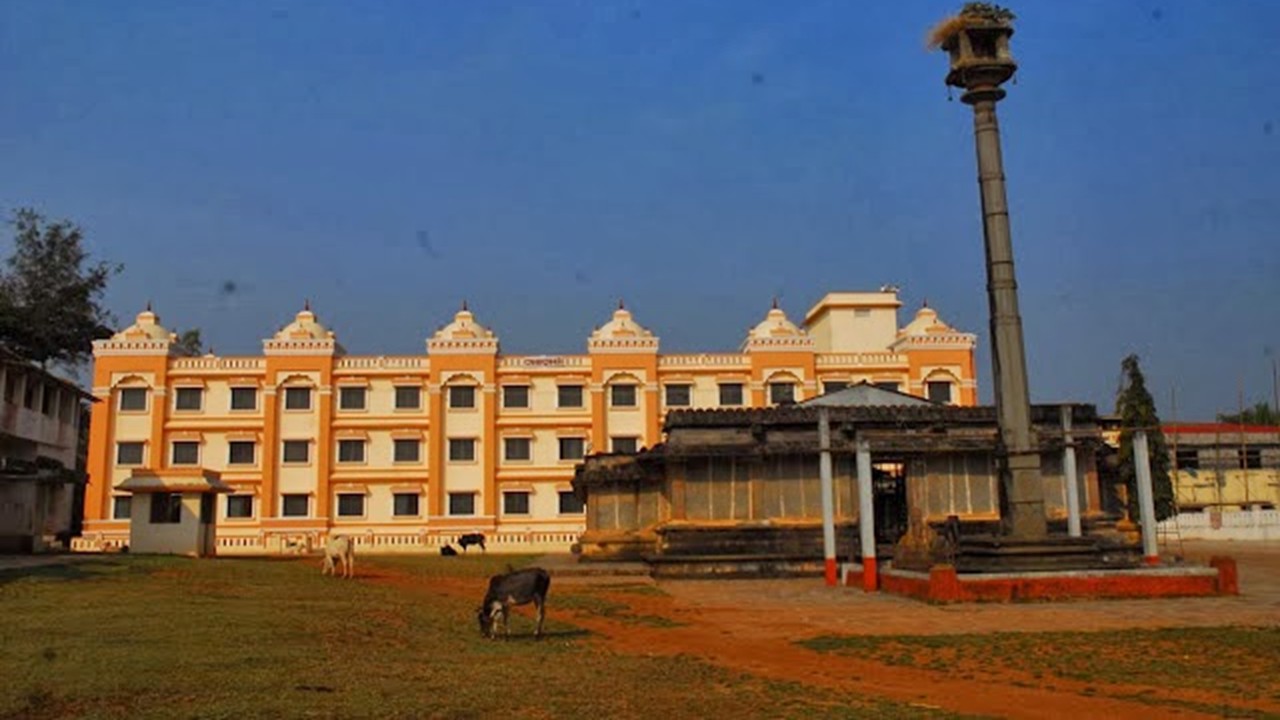
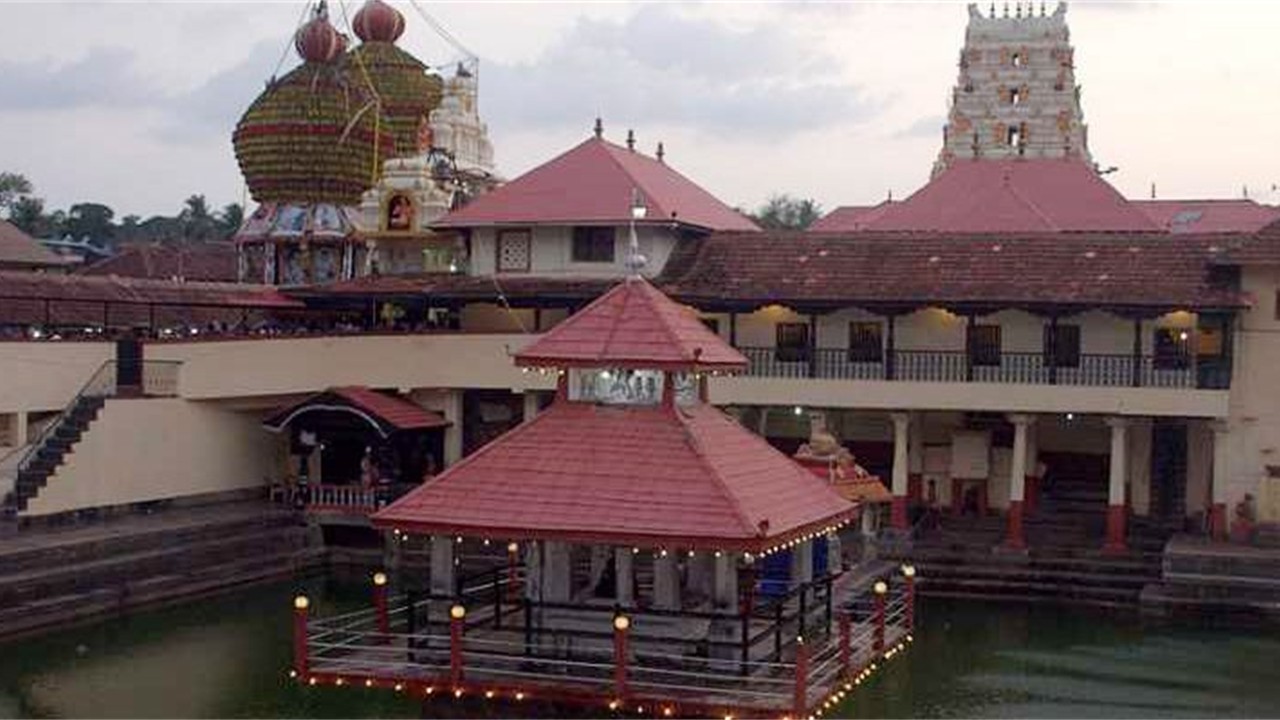
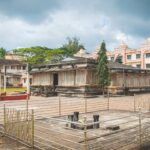
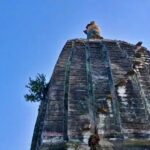
Sode’s architecture blends Karnataka’s traditional temple heritage with Vijayanagara influences. At the centre of the complex stands the Sri Rama Trivikrama Temple, the principal shrine installed by Sri Vadiraja and the focus of daily worship, festivals, and major rituals. The celebrated post-Vijayanagara stone chariot is both an artistic landmark and a reminder of the Trivikrama tradition associated with Bhutaraja. Nearby, the sacred Hayagriva Samudra enhances the serenity of the kshetra with the traditional water sources Antaraganga, Sheetalaganga, and Dhavalaganga. The assembly halls, pilgrim accommodation, dining facilities, administrative buildings, traditional kitchens, and monastic residence form the marvellous architectural complex.
Festivals
Sode preserves the centuries-old traditions through observances such as Vadiraja Aradhana, Madhva Jayanti, Krishna Janmashtami, Narasimha Jayanti, Hayagriva-related celebrations, and the annual Rathotsavam held during the Holi Purnima day, draws many devotees. The Matha also continues the venerable tradition of Annadana, serving meals to pilgrims and visitors. Traditionally revered not merely as a monastic headquarters, but as a sacred Tridhama comparable to Svetadvipa, Anantashayana, and Vaikunta on Earth.
Darshan Timings of the Temple
The temple is open on all the days of the year between 5:30 AM to 8:00 AM and 5:00 PM to 8:00 PM.
Nearby Places to Visit
Swarnavalli Matha: A prominent Advaita monastery located close to Sode.
Sirsi Marikamba Temple: One of Karnataka’s most revered Shakti temples, known for its grand architecture and famous jatra.
Sahasralinga: A scenic riverbed featuring hundreds of Shiva lingas carved into rocks along the Shalmala River.
How to Reach Sode Vadiraja Temple?
The best way to plan is through Tirtha Yatra’s Udupi Yatra Tour package. All the arrangements for your Yatra will be taken care of which you focus only on the spiritual experience of the journey.

By Road: Sode is easily accessible by road from Hubballi, Bengaluru, and other major towns in Karnataka. Local buses and taxis are available from Sirsi to Sode.
By Rail: The nearest major railway stations are Hubballi and Kumta. From either station, travellers can continue by road to Sirsi and then onward to Sode.
By Air: The closest airports are Hubballi Airport and Goa International Airport (Dabolim). From there, road transport provides convenient access to Sirsi and Sode.
0
Leave a Reply