
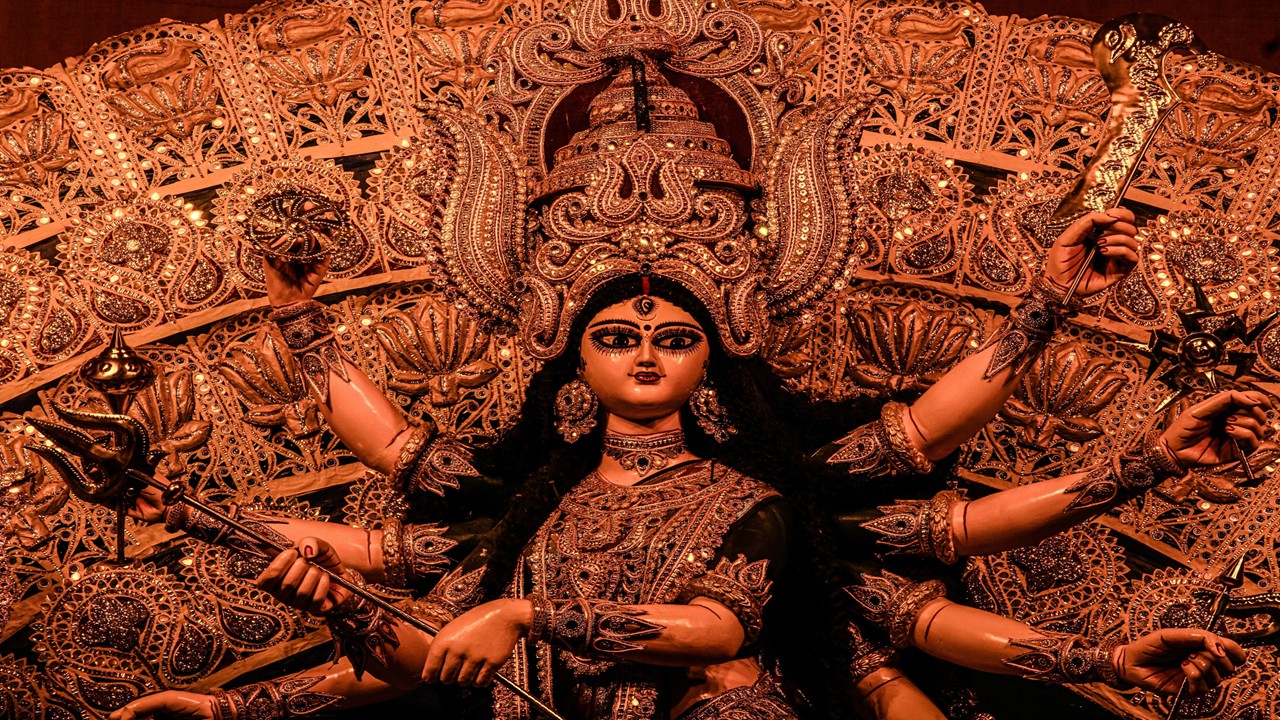
It is called Gupta Navratri because devotees traditionally perform their worship privately through mantra japa, meditation, and spiritual sadhana rather than public celebrations.
Among the four Navratris observed annually, Ashadha Navaratri is less well known to the general public. Traditionally, it was observed primarily by sadhakas and tantric practitioners, who performed their spiritual practices in secrecy. Hence, it came to be known as Gupta Navaratri, where Gupta means “hidden” or “secret.”
Ashadha Gupta Navratri 2026 Date
- Starts: Wednesday, July 15, 2026
- Ends: Thursday, July 23, 2026
Four Navaratris Celebrated in a Year
- Magha Navaratri (January–February)
- Chaitra Navaratri (March–April)
- Ashadha (Gupta) Navaratri (June–July)
- Sharad Navaratri (September–October)
Spiritual Benefits of Observing Ashadha Gupta Navratri
- Divine Blessings – Receives the grace of Goddess Durga.
- Spiritual Growth – Enhances meditation and devotion.
- Removal of Obstacles – Helps overcome life’s challenges.
- Protection: Wards off evil influences and negative energies.
- Strength and Courage – Builds confidence and inner power.
- Peace of Mind – Promotes mental clarity and emotional balance.
- Wish Fulfilment – Helps fulfil righteous desires.
- Prosperity – Attracts wealth, abundance, and success.
- Wisdom – Improves knowledge, intellect, and spiritual awareness.
- Karma Purification – Helps cleanse past karmas and leads towards moksha (liberation).
Divine Stories of Goddess Durga’s Grace During Gupta Navaratri
Prince Sudarshan and the Power of the ‘Kleem’ Mantra During Gupta Navratri
King Dhruvasandhi ruled the ancient kingdom of Kosala (Ayodhya). He had two queens—Manorama and Lilavati. Manorama’s son was Prince Sudarshan, while Lilavati’s son was Shatrujit.
After King Dhruvasandhi died unexpectedly, a dispute arose over the royal succession. Lilavati’s father, King Yudhajit, wanted his grandson Shatrujit to become king. To protect Sudarshan from danger, Queen Manorama fled with her young son into the forest and sought refuge at the ashram of Rishi Bharadwaja.
While living in the hermitage, Sudarshan once heard the sacred seed syllable “Kleem”. Being a child, he innocently repeated the mantra without understanding its meaning. Unknown to him, Kleem is one of the powerful Bija Mantras of Goddess Durga (or Tripura Sundari).
Prince Sudarshan kept repeating the sacred ‘Kleem’ mantra with complete innocence and devotion throughout Gupta Navratri. Moved by his pure-hearted worship, Goddess Durga blessed him with divine strength, protection, and victory. She also granted him celestial weapons to defeat his enemies.
Later, when Sudarshan came of age, he defeated those who had usurped his rightful throne, married Princess Shashikala of Kashi, and regained the kingdom of Kosala. He ruled justly under the blessings of the Divine Mother.
Sage Shrungi and the Devoted Woman
According to tradition, Sage Shrungi was once teaching devotees when a distressed woman approached him for guidance. She explained that her husband’s immoral actions prevented her from performing worship and receiving the blessings of Goddess Durga.
The sage advised her to observe Ashadha Gupt Navaratri, a sacred period dedicated to the worship of Goddess Durga and the Dasa Mahavidyas. Following his guidance, the woman observed the nine-day festival with sincere devotion, prayer, and austerity. Pleased by her unwavering faith, Goddess Durga blessed her with peace and prosperity, and her husband renounced his immoral ways to lead a righteous life.
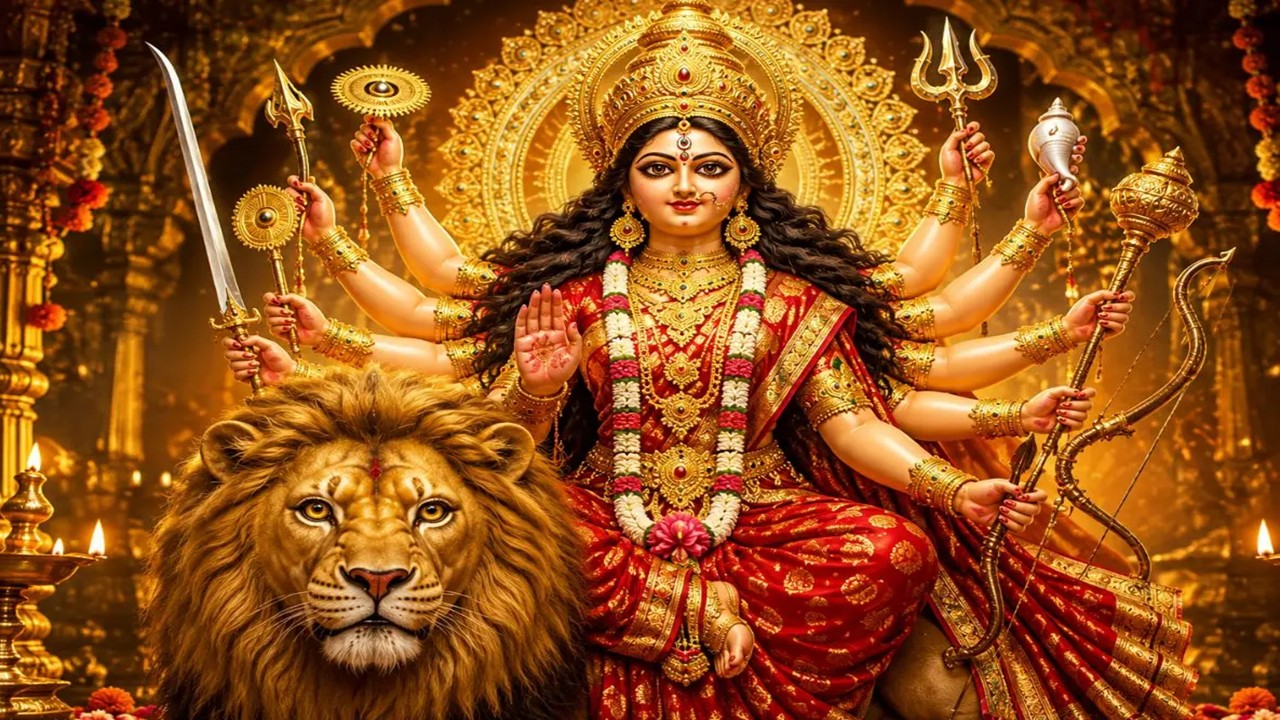
How to Observe Ashadha Gupta Navratri
How to Observe Gupta Navratri
- Wake up early and take a holy bath before beginning the day’s worship.
- Install a Kalash (Ghatasthapana) on the first day and invoke Goddess Durga.
- Offer flowers, fruits, coconut, incense, and a ghee lamp during daily puja.
- Recite Durga Saptashati, Devi Mahatmya, Lalita Sahasranama, or other hymns dedicated to the Goddess, and chant Durga mantras.
- Perform daily puja, mantra chanting, and meditation with sincerity and devotion.
- Meditate and perform mantra japa, especially for the Dasa Mahavidyas, as Gupta Navratri is considered ideal for spiritual sadhana.
- Keep your worship and sadhana private, in keeping with the spirit of Gupt (secret) Navratri.
- Observe a fast (vrat) according to your capacity or follow a sattvic diet with vrat-approved foods.
- Avoid tamasic foods such as onion, garlic, meat, and alcohol, and maintain purity in thought, word, and deed.
- Observe Brahmacharya (celibacy), if possible, and practice self-discipline throughout the nine days.
- Wear clean, modest, and auspicious-coloured clothing, such as white, yellow, or saffron.
- Practice patience, kindness, self-control, and self-reflection during the festival.
- Donate food, clothes, or other essentials to the needy as an act of charity.
- Avoid cutting your hair, shaving, or trimming your nails during the observance, if following traditional customs.
- On the final day, offer prayers, perform Kanya Puja (if possible), seek the blessings of young girls regarded as forms of the Divine Mother, and conclude with Kalash Visarjan, praying for health, prosperity, wisdom, and spiritual growth.
Rules to Follow During Ashadha Gupta Navratri: Don’ts
Don’ts
- Avoid tamasic foods and intoxicants such as meat, eggs, onion, garlic, alcohol, tobacco, and other intoxicating substances.
- Stay away from negative behaviour like anger, jealousy, gossip, harsh speech, dishonesty, and immoral actions.
- Do not wear leather items or black-coloured clothing and avoid cutting your hair or trimming your nails if following traditional customs.
- Keep the observance private by avoiding public celebrations and refraining from sharing puja photos or videos on social media.
- Do not undertake strict fasting if medically unsuitable. Children, pregnant women, senior citizens, and those with health conditions should follow practices appropriate for their well-being.
Different Names of Ashadha Navaratri
Shakambari Navaratri: Honours Goddess Shakambari, the nourisher who sustains the world with vegetables, fruits, herbs, and other vegetation during times of famine.
Gayatri Navaratri: Celebrated through the worship of Goddess Gayatri with mantra chanting, meditation, and spiritual disciplines.
Gupta Navaratri: Called Gupta (“hidden” or “secret”) because it emphasizes private worship, mantra japa, meditation, and spiritual sadhana rather than public celebrations.
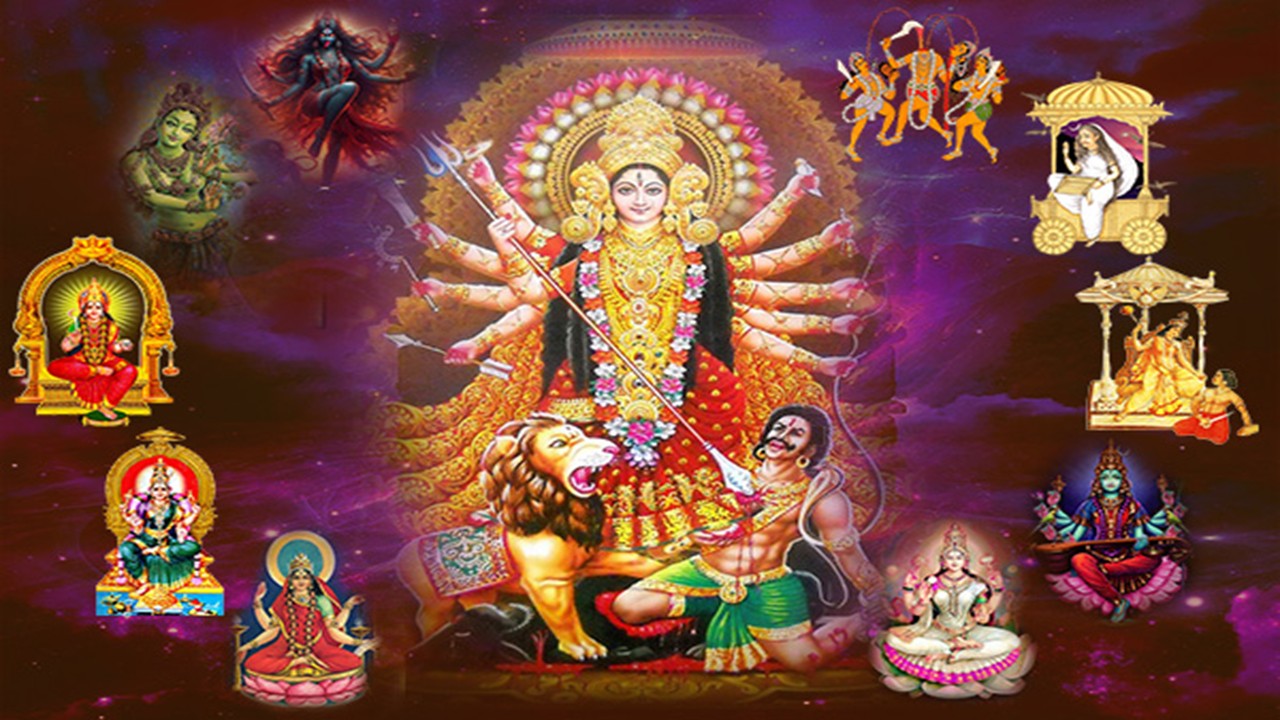
Worship of the Dasha Mahavidyas During Ashadha Gupta Navaratri
Nine Forms of Goddess Varahi Worshipped During Varahi Navaratri 2026
Date: 15 July 2026 (Wednesday)
Tithi: Pratipada
Devotees worship Swapna Varahi to seek divine guidance, protection, and auspicious dreams.
Day 2 – Chaitanya Varahi
Date: 16 July 2026 (Thursday)
Tithi: Dwitiya
Chaitanya Varahi symbolizes spiritual awakening, higher consciousness, and inner wisdom.
Day 3 – Sankata Varahi
Date: 17 July 2026 (Friday)
Tithi: Tritiya
Devotees pray to Sankata Varahi for relief from obstacles, hardships, and challenges.
Day 4 – Ugra Varahi
Date: 18 July 2026 (Saturday)
Tithi: Chaturthi
Ugra Varahi, the fierce form of the Goddess, is worshipped for courage and protection from evil forces.
Day 5 – Dhoomra Varahi
Date: 19 July 2026 (Sunday)
Tithi: Panchami
Devotees invoke Dhoomra Varahi to dispel negativity and safeguard themselves from harmful influences.
Day 6 – Kriya Varahi
Date: 20 July 2026 (Monday)
Tithi: Shashthi
Kriya Varahi is revered for success in righteous actions, duties, and spiritual practices.
Day 7 – Shanta Varahi
Date: 21 July 2026 (Tuesday)
Tithi: Saptami
The serene form, Shanta Varahi, is worshipped for peace, harmony, and emotional balance.
Day 8 – Vichitra Varahi
Date: 22 July 2026 (Wednesday)
Tithi: Ashtami
Devotees seek the blessings of Vichitra Varahi for wisdom, insight, and spiritual enlightenment.
Day 9 – Maha Varahi
Date: 23 July 2026 (Thursday)
Tithi: Navami
The festival concludes with the worship of Maha Varahi, the supreme form of the Goddess, who is believed to bless devotees with protection, prosperity, strength, and spiritual fulfilment.
Ashadha Navaratri is a sacred time to seek the blessings of Goddess Durga through devotion, prayer, and self-discipline. May this auspicious festival bring peace, strength, prosperity, and spiritual growth to all.





Leave a Reply