
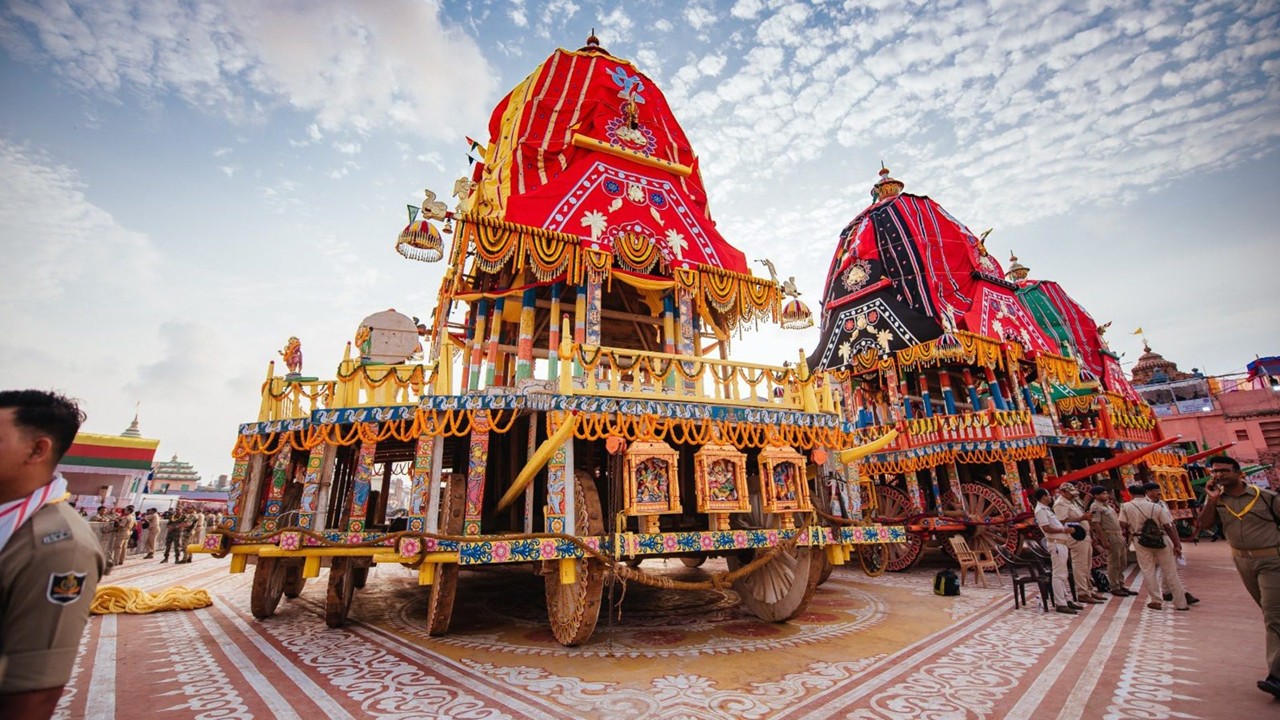
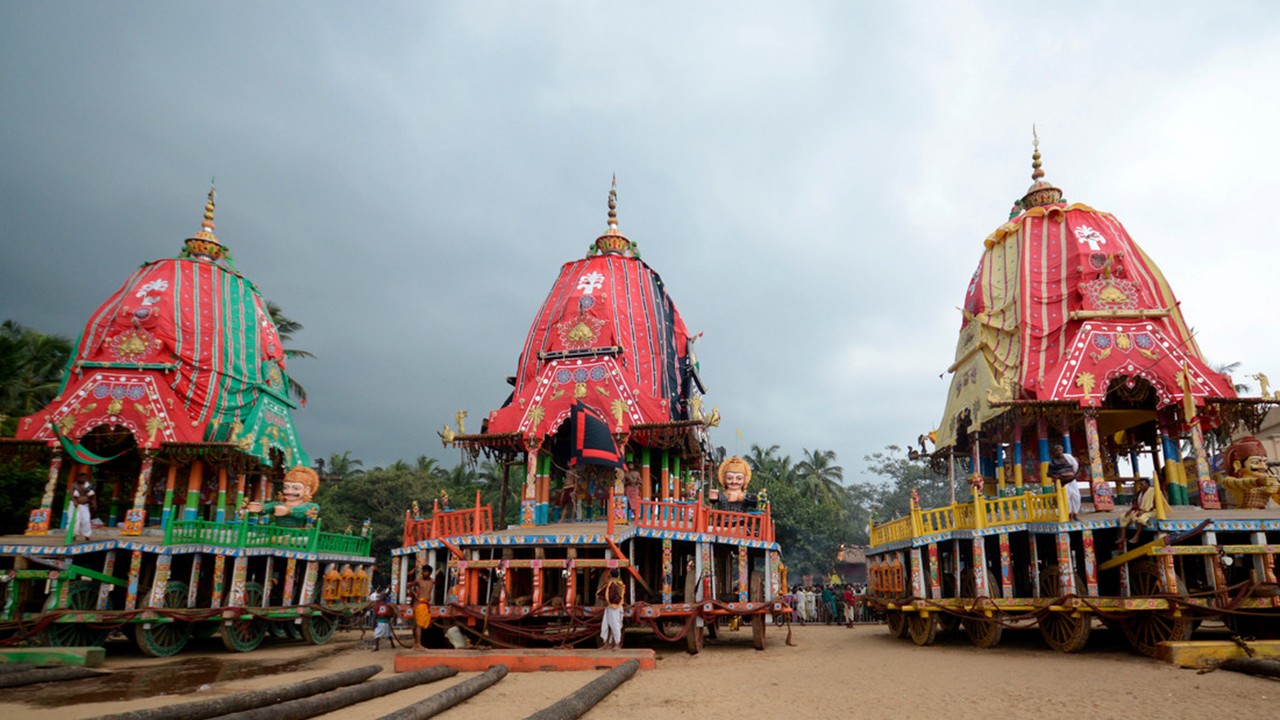
 The construction began on the auspicious occasion of Akshaya Tritiya, following centuries-old rituals and temple traditions. Since then, hereditary carpenters, sculptors, painters, and craftsmen have been meticulously shaping every wooden component while maintaining the sacred architectural principles associated with the annual Rath Yatra.
Several important construction milestones have already been completed, including Tumba rounding, thread weaving, and the installation of the Natagoda. These rituals mark the steady progress of the chariot-building process and pave the way for the final ceremonial preparations.
Meanwhile, 17 Darji servitors are preparing the iconic Duarabedha canopies for the chariots of Lord Jagannath, Lord Balabhadra, and Devi Subhadra. Nearly 1,250 metres of vibrant fabric is being cut and stitched to create the traditional coverings that adorn the towering wooden chariots during the festival.
The remaining work includes the sacred Netra Utsav, followed by the Haribol rituals and the ceremonial installation of the Kalasa and Olata Sua atop the chariots. These rituals will officially complete the construction before the grand procession begins.
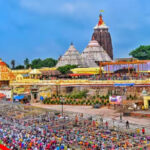
The Jagannath Rath Yatra 2026 is expected to attract millions of devotees and tourists from across India and around the world. As Puri Rath Yatra 2026 preparations enter the final phase, the holy city is gearing up for one of the most anticipated Hindu festivals, celebrated for its spiritual significance, vibrant traditions, and centuries-old heritage.
Download the Temples of Bharat mobile app to explore temple news, history, Sthala Purana, and Hindu festivals, all in one place. Discover India’s rich spiritual and cultural heritage with authentic information.





Leave a Reply