
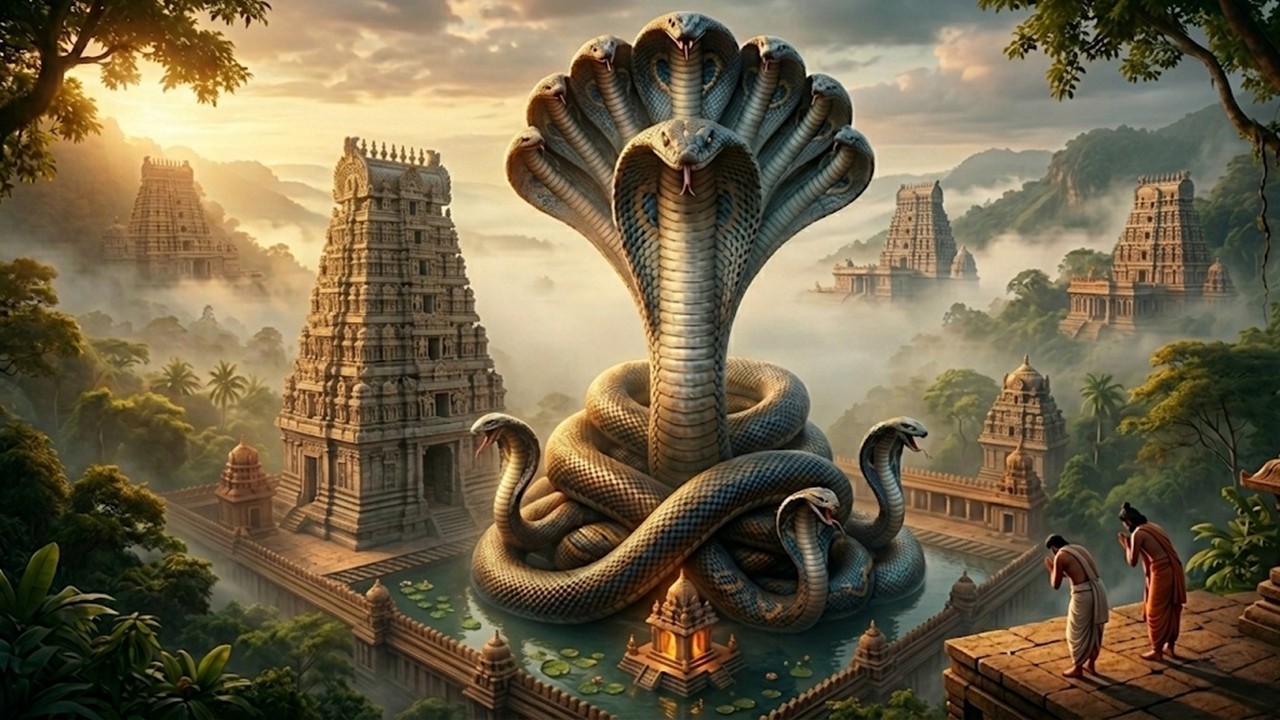
From the majestic Himalayas to the serene backwaters of Kerala, the worship of Nagas (divine serpent deities) has been an integral part of Sanatana Dharma for thousands of years. In Hindu tradition Nagas are far more than ordinary serpents. They are revered as celestial beings, protectors of sacred rivers and forests, guardians of hidden treasures, and faithful devotees of the Divine.
Devotees pray to the Nagas for protection, family well-being, prosperity, fertility, and relief from Sarpa Dosha or ancestral karmic obstacles. Festivals like Naga Panchami continue to celebrate this timeless bond between humanity and the divine serpent guardians.
From the revered abode of Takshaka in Himachal Pradesh to the sacred shrines of Vasuki, Nagaraja, and Nagapooshani, each temple reflects a distinct chapter in the enduring tradition of Naga worship. Here rare Naga temples that continue to inspire faith and attract pilgrims from around the world.
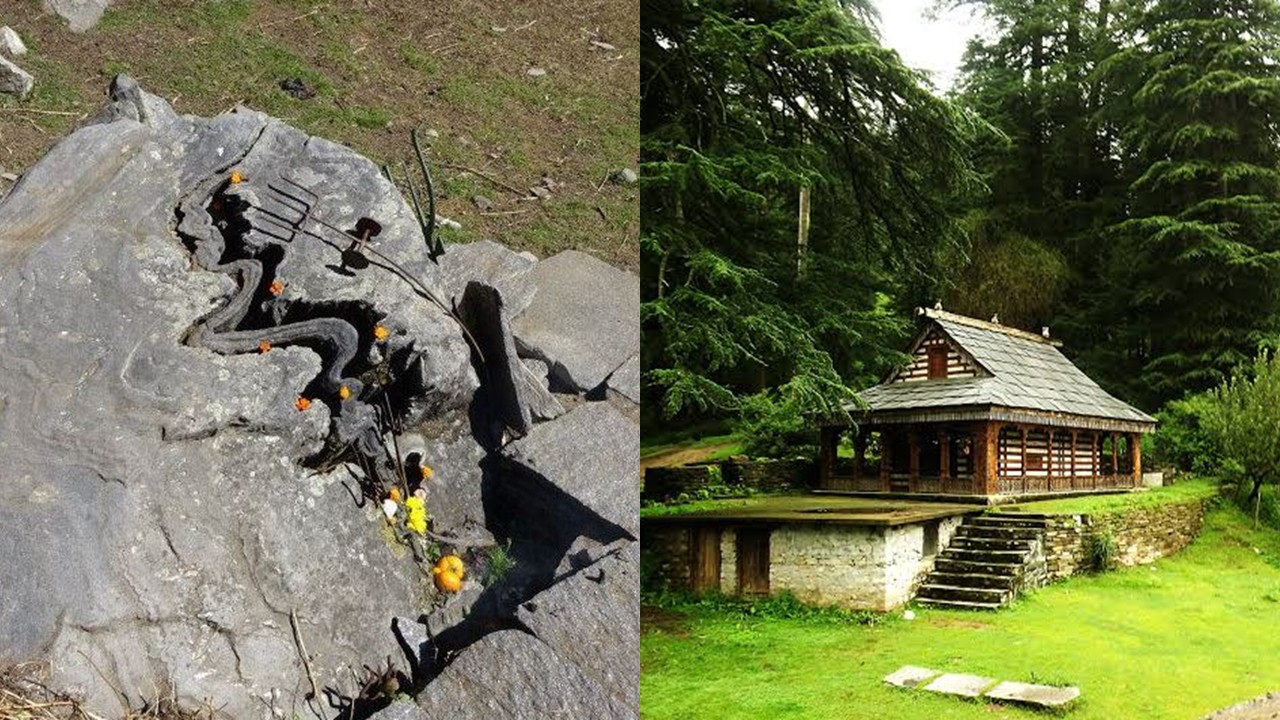
1. The Takshak Nag Temple, Manali, Himachal Pradesh
Located in the peaceful cedar forests near Manali the Takshak Nag Temple is one of the most revered serpent shrines in the Himalayan region. The presiding deity is Takshaka, a revered serpent king remembered in Hindu scriptures, including the Mahabharata and many Puranas. Takshaka belonged to the lineage of the divine Nagas and was regarded as a powerful guardian of nature and sacred waters. The temple reflects the deep respect that the people of Himachal Pradesh have maintained for serpent deities for generations.
Temple built in the traditional Kath-Kuni style using wood and stone. Local devotees believe that Takshak Nag protects nearby villages from natural calamities and blesses sincere worshippers with peace, prosperity, and harmony. During Naga Panchami and other regional festivals, special prayers and offerings are made, drawing pilgrims from across the Kullu Valley
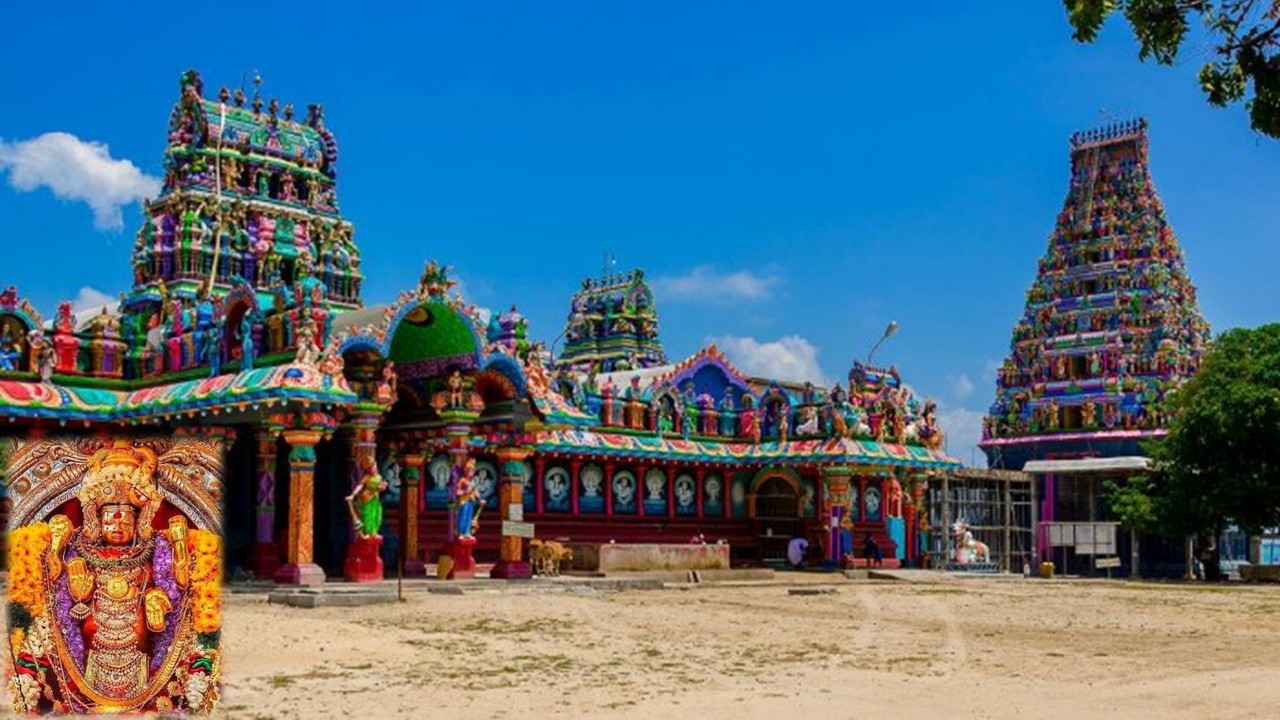
2. Nagapooshani Amman Temple, Nainativu, Sri Lanka
Located on the sacred island of Nainativu (Nagadeepa) in northern Sri Lanka, the Nagapooshani Amman Temple is dedicated to Goddess Nagapooshani, a revered form of nagamata surasa. The name itself reveals the temple’s unique spiritual significance. “Naga” means serpent, while “Pooshani” means “She who adorns” Thus, Nagapooshani is worshipped as “The Mother who protects the Nagas.” Just as serpents are seen adorning Lord Shiva, the same sacred symbolism is associated with the Divine Mother at this temple.
According to the Ramayana, Surasa, the mother of the Nagas, tested Lord Hanuman while he was flying across the ocean in search of Goddess Sita. Pleased with Hanuman’s wisdom, humility, and devotion, she blessed him and allowed him to continue his divine mission. Because Surasa is revered as the Mother of the Nagas, devotees associate Goddess Nagapooshani with the same divine maternal protection over the serpent race.
Every year, thousands of pilgrims visit the temple to seek blessings for protection, prosperity, family harmony, and spiritual well-being. Its magnificent Dravidian architecture and deep connection with the ancient Naga tradition make it one of the most revered serpent temples in the Hindu world.
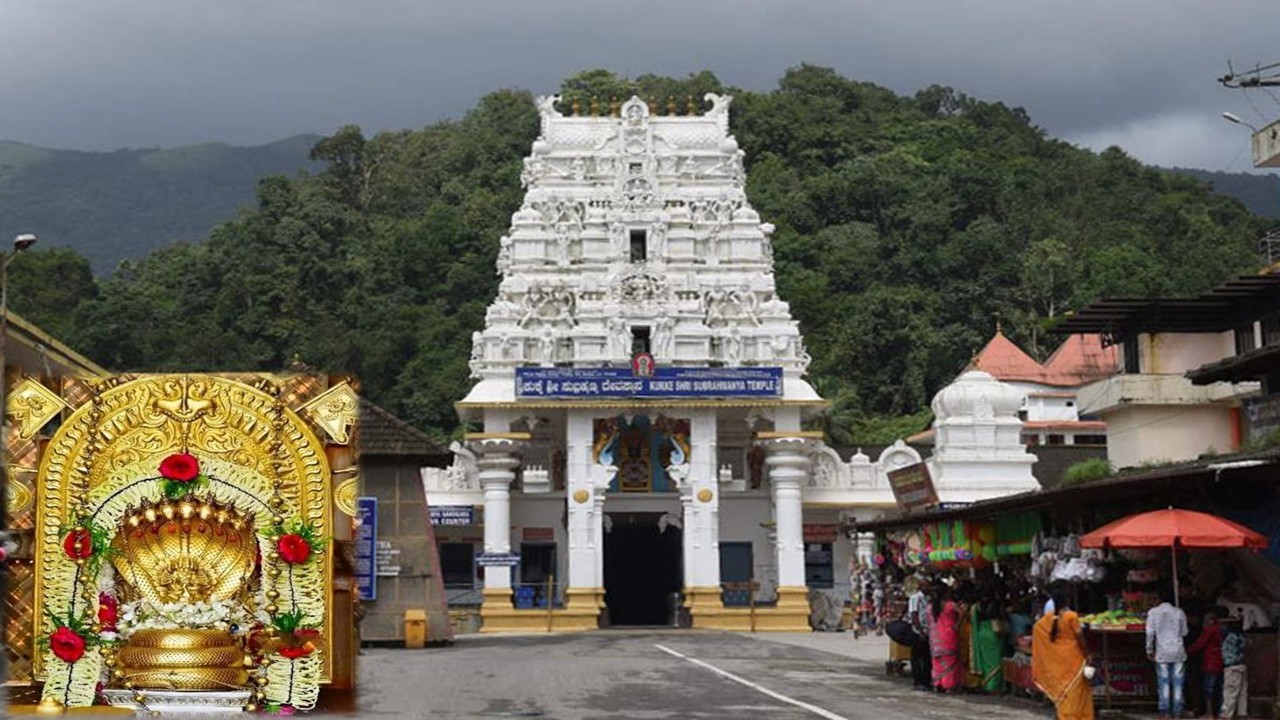
3. Kukke Shri Subrahmanya Temple, Karnataka
Located in Karnataka’s Dakshina Kannada district, amidst the scenic hills of the Western Ghats and along the banks of the Kumaradhara River, Kukke Shri Subrahmanya Temple is one of Bharath’s most revered centres of Naga worship. The temple is dedicated to Lord Subrahmanya who is revered here as the divine protector of Vasuki, the King of the Nagas. According to the Skanda Purana, Vasuki sought refuge from Garuda by performing intense penance in these forests. Pleased with his devotion, Lord Subrahmanya granted him protection and chose to reside with him at this sacred place.
Devotees perform sacred rituals such as Sarpa Samskara, Ashlesha Bali, and Naga Pratishtha, seeking relief from Sarpa Dosha, ancestral karmic obstacles, and family difficulties. These rituals are conducted according to ancient Vedic traditions and attract thousands of pilgrims throughout the year.
4. Mannarasala Sri Nagaraja Temple, Haripad, Kerala
Hidden within a serene sacred grove (Sarpa Kavu) near Haripad in Kerala’s Alappuzha district, Mannarasala Sri Nagaraja Temple is one of the largest and most revered serpent temples in Bharath. Dedicated to Sri Nagaraja, the Divine Serpent King, the temple is surrounded by thousands of stone serpent idols placed beneath centuries-old trees, creating a peaceful atmosphere that reflects Kerala’s ancient tradition of preserving sacred groves dedicated to Naga worship.
According to temple tradition a devout Brahmin woman who received the divine blessings of Nagaraja and was entrusted with the responsibility of caring for the temple. Since then, the temple has followed the rare custom of appointing a senior woman of the family, known as the Valiyamma (Mother Priestess), to lead its Main rituals-a tradition that has continued for generations.
The temple is especially revered by couples praying for children and families seeking prosperity, health, and relief from Sarpa Dosha. During the grand Ayilyam Festival, thousands of pilgrims gather to seek the blessings of Sri Nagaraja.
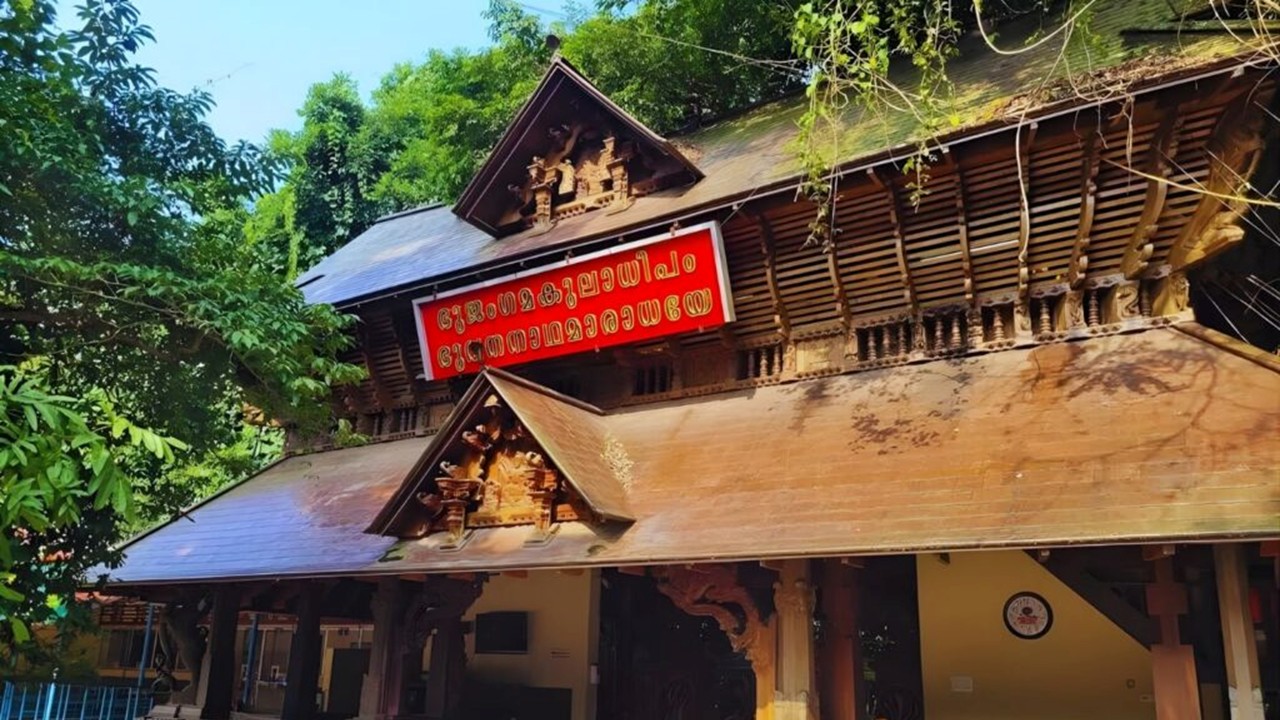
5. Sri Bhavanarayana Swamy Temple, Sarpavaram, Andhra Pradesh
Situated in Sarpavaram, near Kakinada in Andhra Pradesh, the Sri Bhavanarayana Swamy Temple is an ancient Vaishnavite shrine with a unique connection to serpent worship. Dedicated to Lord Bhavanarayana, a divine form of Lord Vishnu.
According to local temple tradition, Naga King Ananta performed intense penance at this sacred place to seek the blessings of Lord Vishnu. Pleased with his devotion, the Lord manifested here as Bhavanarayana and granted Ananta the honour of becoming His eternal divine couch in Vaikuntha and this made the temple an important centre where devotees worship both Lord Vishnu and the revered serpent deities.
Pilgrims visit the temple to offer prayers for family well-being, prosperity, and relief from Naga Dosha, especially during Naga Panchami and Ananta Chaturdashi.
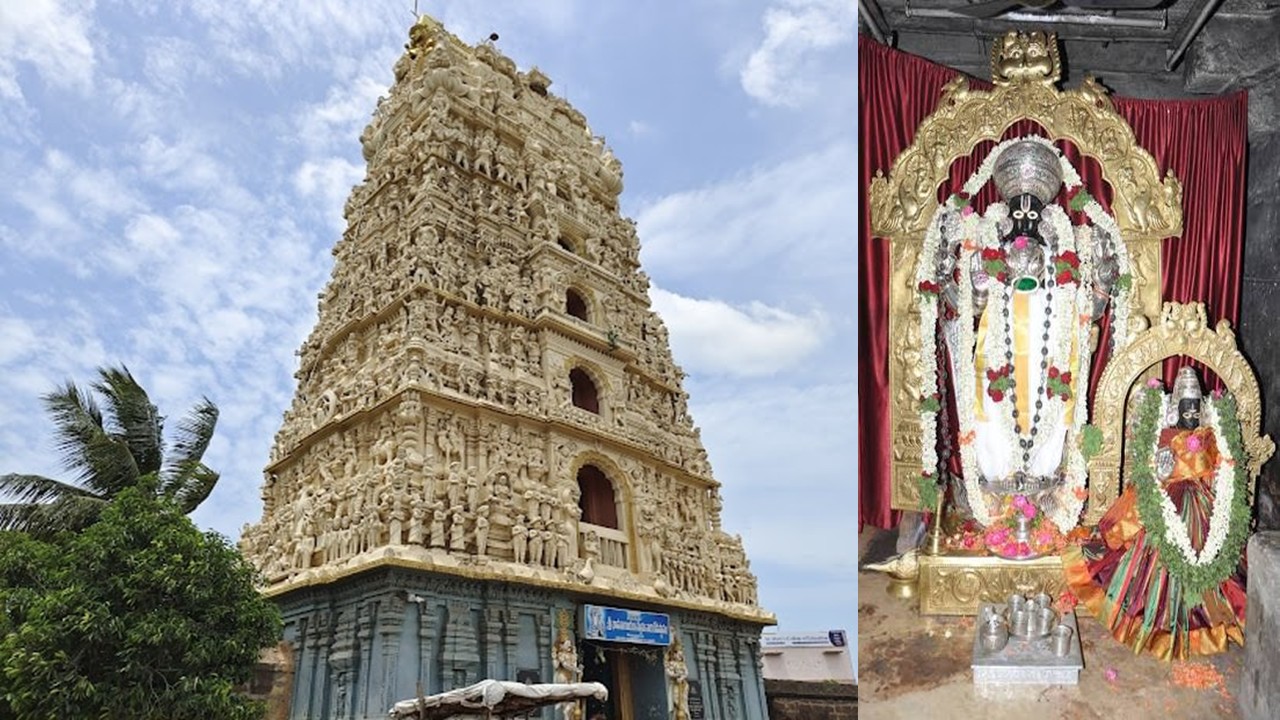
6. Arulmigu Sri Nagaraja Temple, Nagercoil, Tamil Nadu
Located in the heart of Nagercoil in Tamil Nadu’s Kanniyakumari district, the Arulmigu Sri Nagaraja Temple is one of South India’s oldest temple dedicated to Nagaraja, the Divine Serpent King. The town itself derives its name from this ancient temple, reflecting its deep-rooted connection with serpent worship.
One of the temple’s most distinctive features is the natural sand covering the sanctum floor instead of a conventional stone base. According to temple tradition, this sacred sand is change its colour with the seasons—appearing darker during the rainy months and lighter in the summer. Devotees receive a small portion of this sand as prasadam, regarding it as a symbol of Nagaraja’s blessings and divine protection.
The temple also has shrines dedicated to Lord Shiva, Lord Vishnu, Lord Subrahmanya, and other deities. Thousands of devotees visit the temple throughout the year, particularly during Naga Panchami, to seek protection, family well-being, prosperity, and relief from Sarpa Dosha.
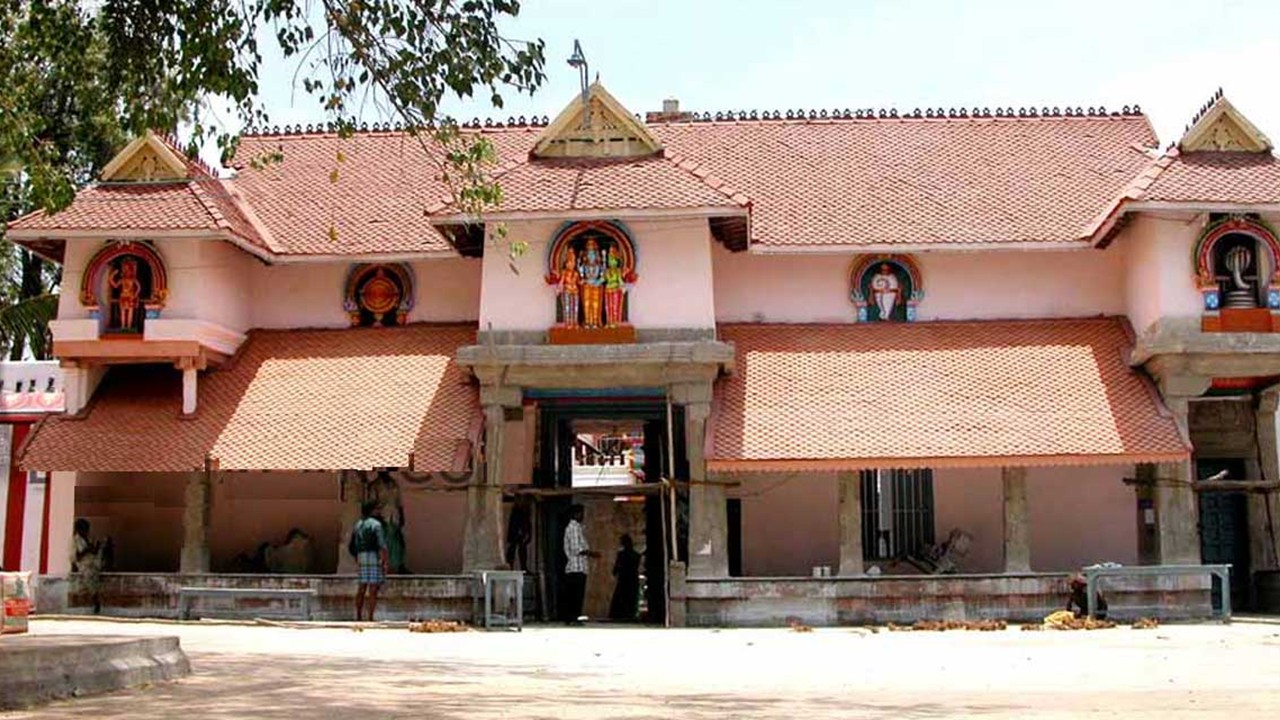
7. Shri Soumyakeshava Swamy Temple, Nagamangala, Karnataka
Situated in the historic town of Nagamangala in Karnataka’s Mandya district, the Shri Soumyakeshava Swamy Temple is an ancient Hoysala-era shrine dedicated to Lord Soumyakeshava, a graceful form of Lord Vishnu. Temple has tradition of Naga worship, making it an important spiritual destination for devotees seeking the blessings of both Lord Vishnu and the divine serpent deities.
Temple’s most remarkable features is the beautifully carved image of Adishesha on the temple ceiling, surrounded by 108 conches (Shankhas). According to temple tradition, the serpent’s head symbolises Rahu, while its tail represents Ketu, making this carving a powerful symbol of protection and cosmic balance. Devotees perform Nagamandala Pooje and offer special prayers here seeking relief from Sarpa Dosha, Rahu–Ketu-related afflictions, and obstacles affecting family life and prosperity.
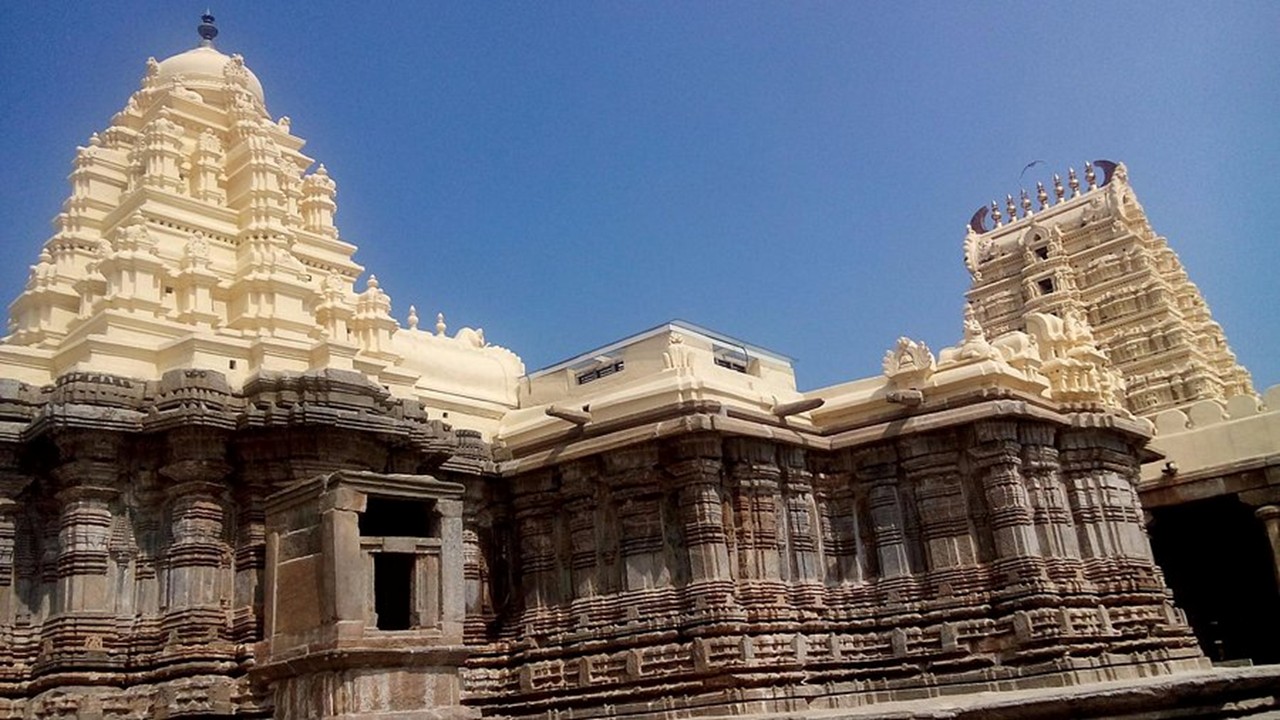
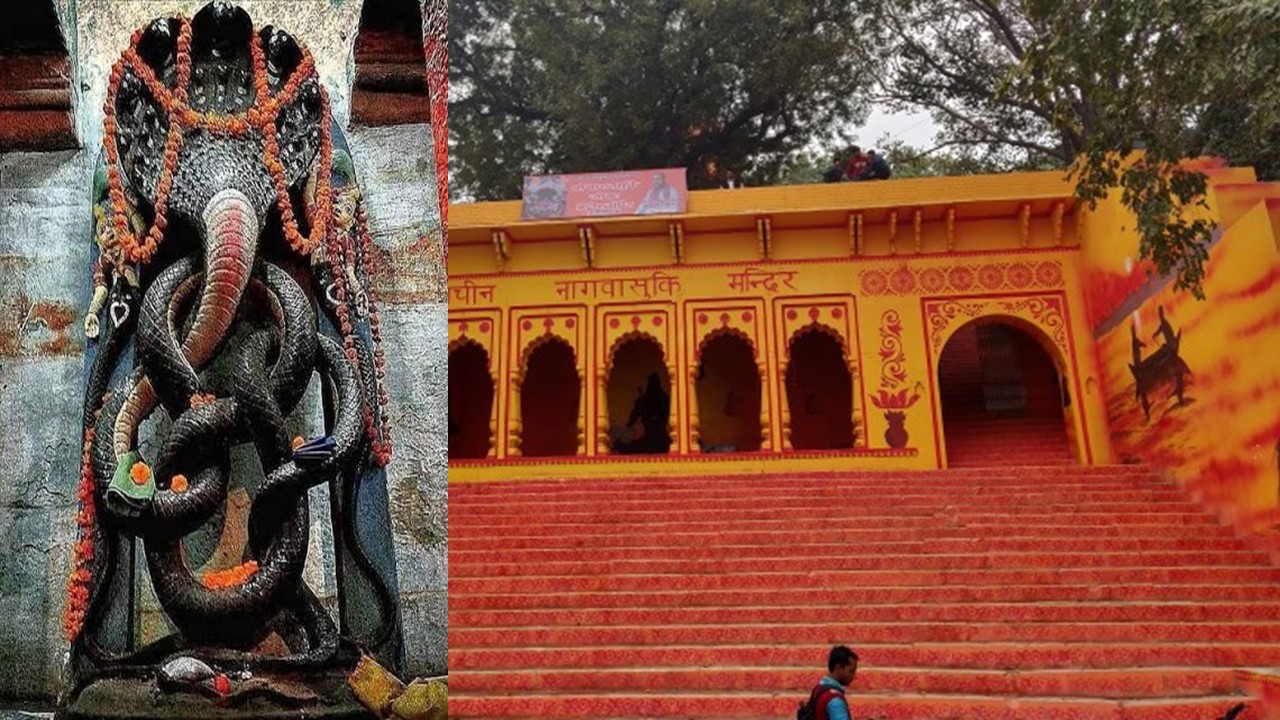
8. Shri Nagvasuki Mandir, Prayagraj, Uttar Pradesh
Situated in Daraganj, near the sacred Triveni Sangam in Prayagraj, the Shri Nagvasuki Mandir is one of the most revered temples dedicated to Nagvasuki, the divine King of the Nagas. Pilgrims visiting Prayagraj have considered this shrine an important part of their spiritual journey, offering prayers after taking a holy dip at the confluence of the Ganga, Yamuna and mystical Saraswati the sacred Triveni Sangam.
According to the Padma Purana, Nagvasuki is regarded as the guardian deity of Prayagraj, protecting this sacred land and its pilgrims. Because of this devotees seek his blessings for protection, prosperity, and freedom from obstacles. During Nag Panchami the temple comes alive with special worship, Vedic chanting, and offerings of milk, flowers, and turmeric, drawing thousands of devotees from across North India.
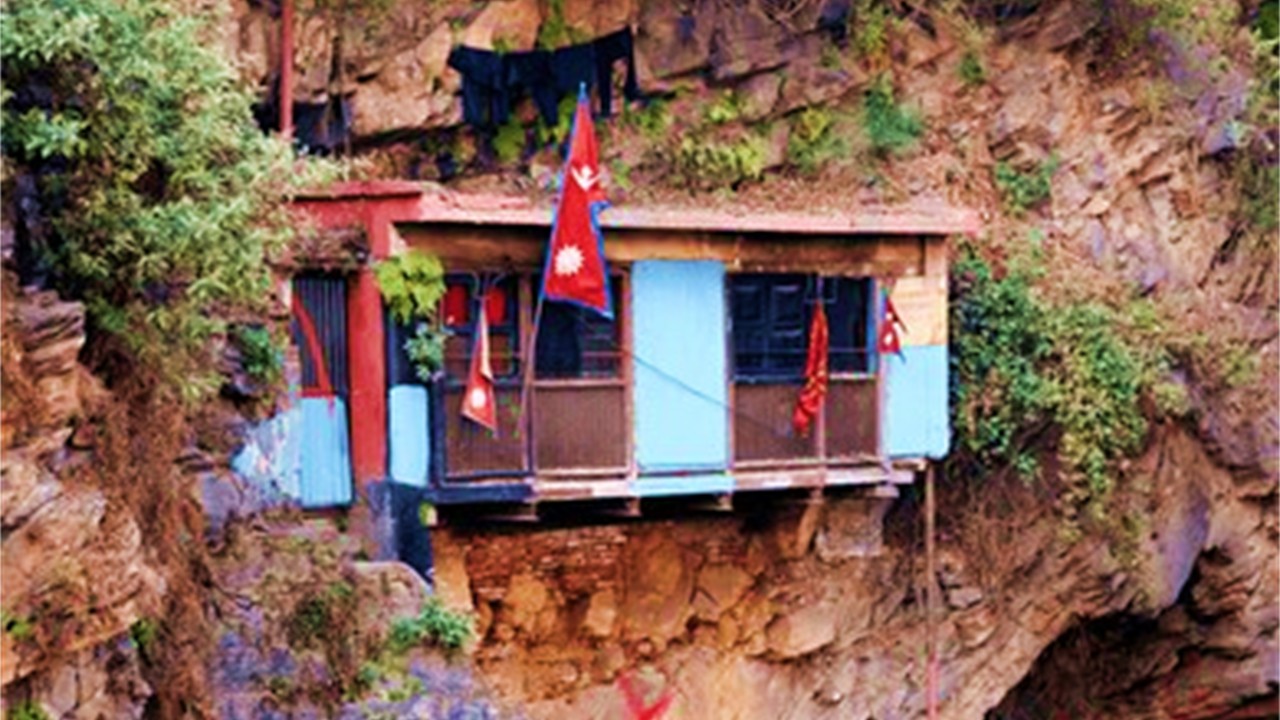
9. Vasuki Temple, Pashupatinath, Nepal
Located within the sacred Sanctum of the Pashupatinath Temple in Kathmandu, Nepal, the Vasuki Temple is a revered shrine dedicated to Vasuki. Closely associated with Lord Pashupatinath the temple. As Vasuki is traditionally depicted adorning Lord Shiva’s neck, devotees regard this shrine as a symbol of divine protection, spiritual strength, and unwavering devotion.
According to the Puranas, Vasuki played a pivotal role during the Samudra Manthana (Churning of the Ocean), serving as the celestial rope that enabled the Devas and Asuras to churn the cosmic ocean. This act established Vasuki as one of the most revered serpent kings in Sanatana Dharma. His shrine near the holiest Shaivite temple in Nepal further strengthens this sacred association with Lord Shiva. Pilgrims visiting Pashupatinath often offer prayers at the Vasuki Temple, especially during Nag Panchami and Maha Shivaratri, seeking protection from negative influences, family well-being, prosperity, and spiritual progress.
The rare naga temples of bharath stand as enduring symbols of faith, devotion, and harmony with nature. Preserving centuries-old traditions and sacred rituals, these revered shrines continue to inspire millions of devotees, reminding us of the timeless spiritual wisdom and rich heritage of Sanatana Dharma.



Leave a Reply