
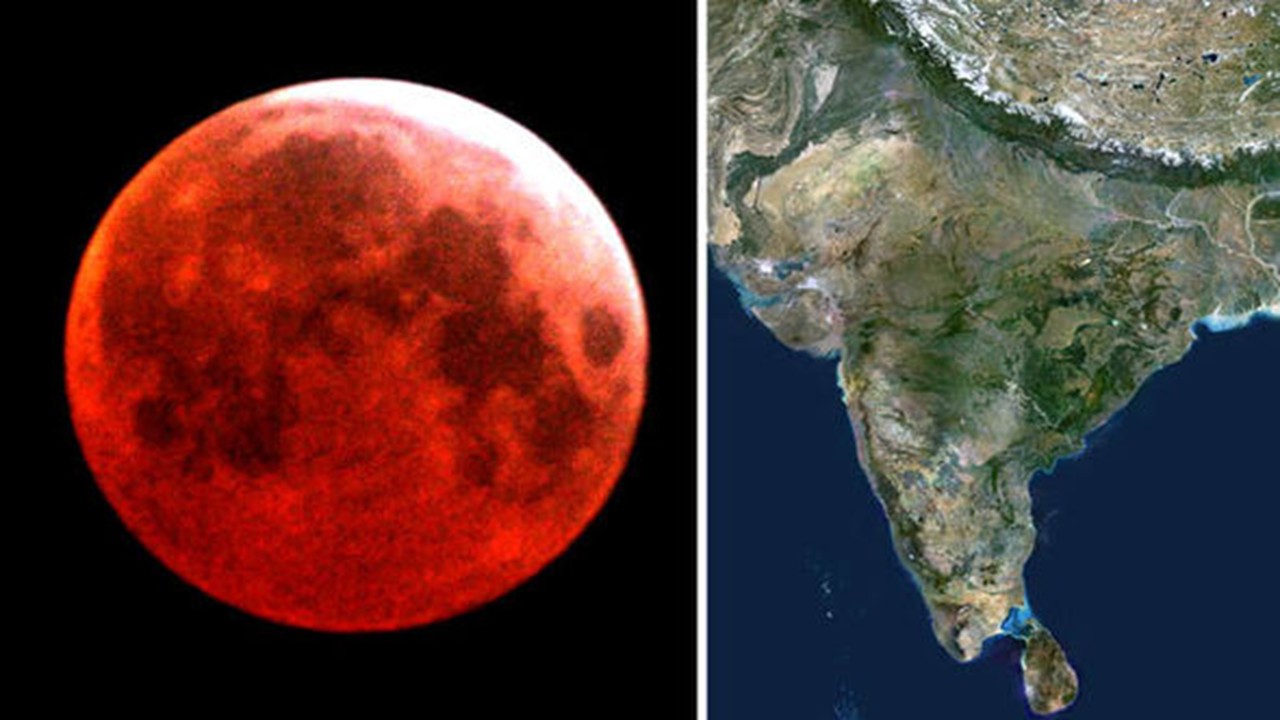
Observed on Vishvavasu Phalguna Purnima, this eclipse will be a Grastodit Khagrasa Chandragrahana, meaning it begins before moonrise in most parts of India. As a result, many regions will witness only the final phase (Moksha) after moonrise.

Ahara Niyama for Grastodit Khagrasa Chandra Grahana 2026
- Consume the food on previous night (Monday).
- Do not partake food on the day of grahana.
- If observing a complete fast (upavasa) throughout the day is not possible, one may take a light meal such as yavagu or kanji. However, even this should be avoided during the yama preceding the grahana (after around 2–3 PM). Under no circumstances should any food be consumed during the eclipse period.
- Once the moksha snanam (ritual bath after the eclipse) is completed, fresh food can be prepared and eaten.
Yes, the Total Lunar Eclipse on March 3, 2026, will be visible in India, though mostly in its concluding stage.
Chandra Grahana 2026: India Timings (IST)
- Date: March 3, 2026
- Eclipse Start: 03:20 PM
- Eclipse Ends (Moksha): 06:47 PM
Global Visibility of Total Lunar Eclipse 2026
The eclipse will be widely visible across North and South America, with a key phase around 6:04 a.m. EST. It will also be seen in India, parts of Asia, Australia, New Zealand, Russia, Pakistan, Afghanistan, Iran, Iraq, and Antarctica, depending on weather conditions.
Religious Observances During Chandra Grahana 2026
Devotees are advised to complete morning rituals as usual. After Moksha, sacred bath, puja, japa, and charity are performed. Those born under Purva Phalguni Nakshatra or Simha Rashi are encouraged to undertake special spiritual remedies.
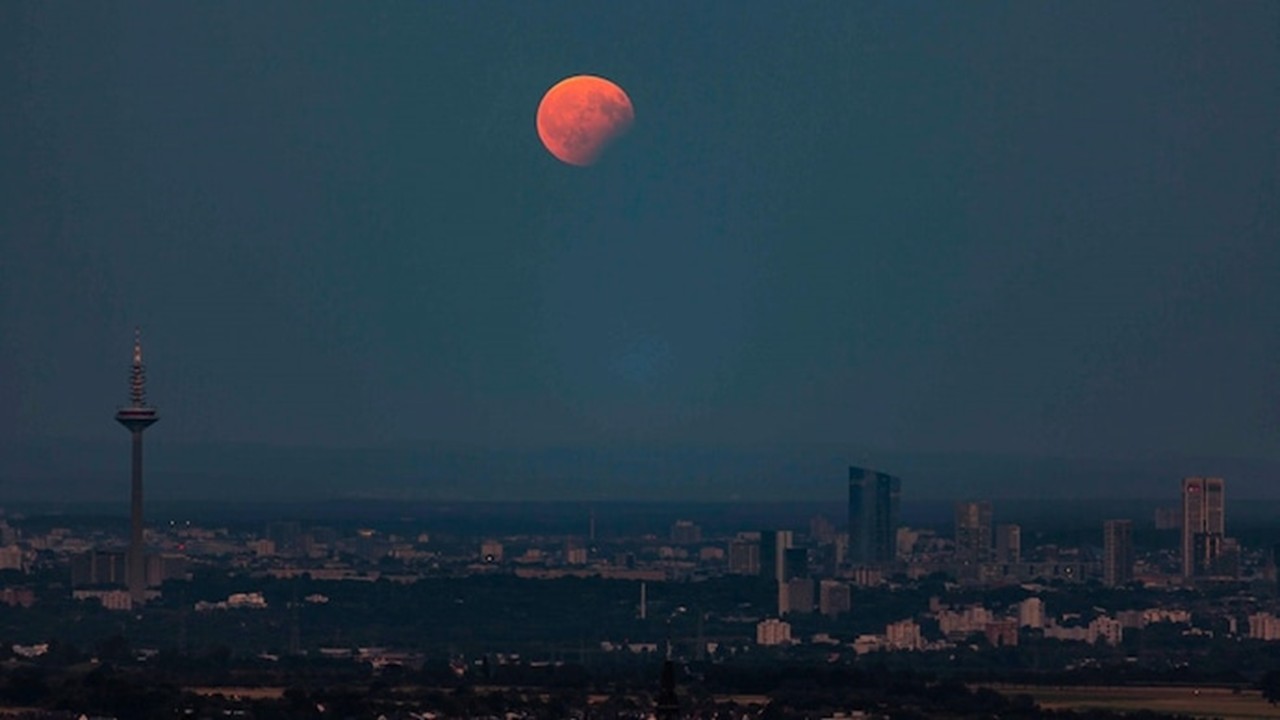
Blood Moon 2026 is safe to observe with the naked eye, and binoculars or a telescope can enhance the viewing experience.

Leave a Reply