
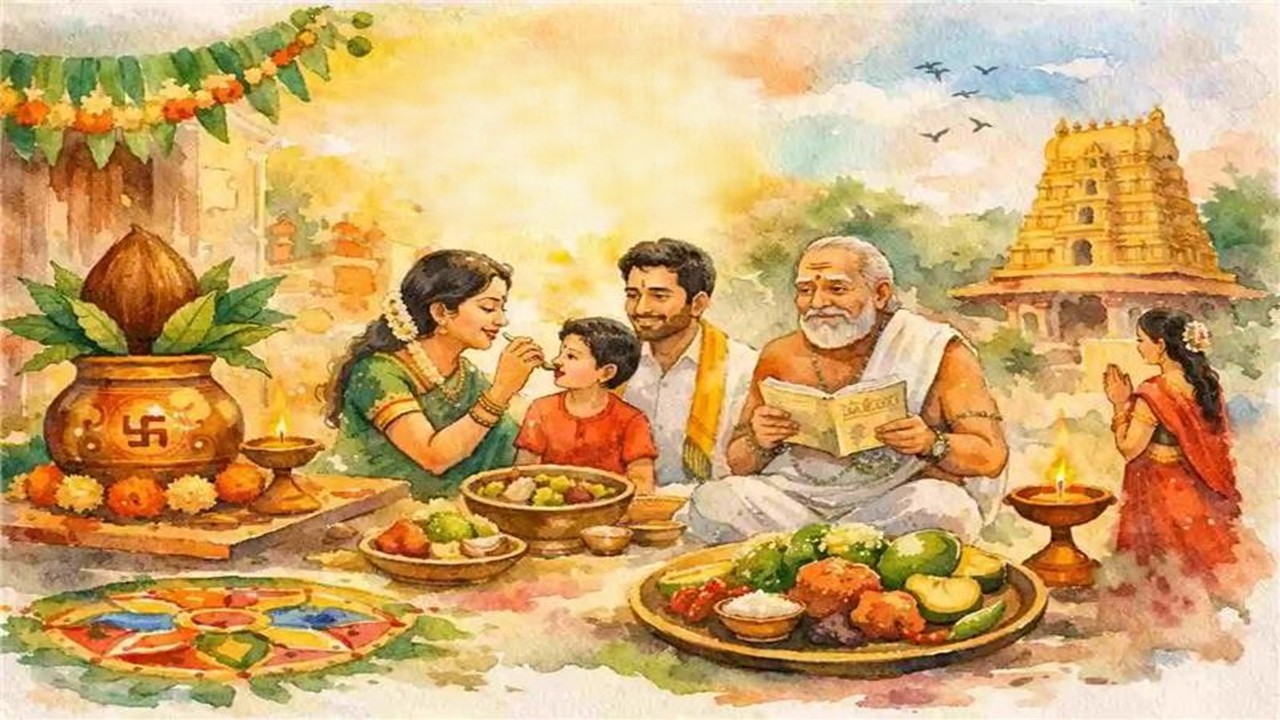
The festival is typically celebrated on April 14, although in some years it may fall on April 15 depending on precise solar calculations. This transition is considered highly auspicious, encouraging individuals to move forward with optimism while leaving behind past challenges. It also coincides with seasonal change, marking the onset of warmer months and a new agricultural cycle in many regions.
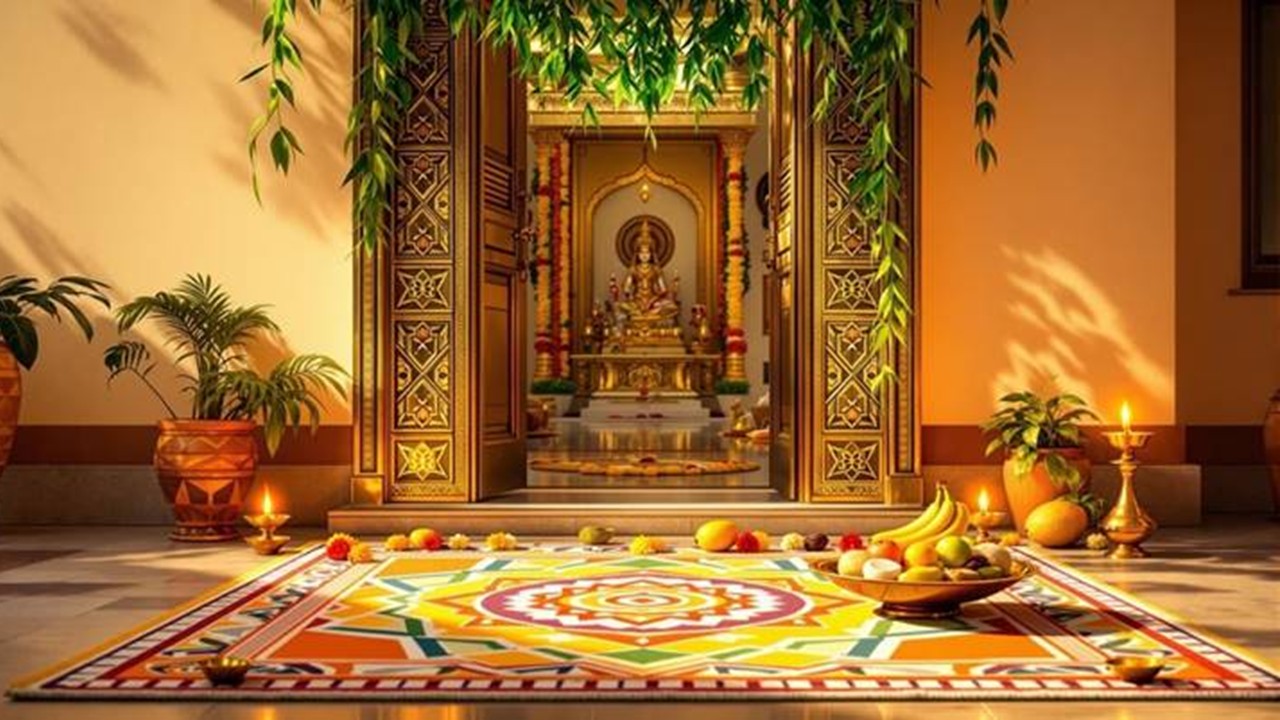
Sauramana Ugadi beautifully reflects the spirit of new beginnings. In preparation for the festival, people thoroughly clean their homes, symbolizing the removal of negativity and the welcoming of prosperity. Houses are decorated with flowers and traditional designs, creating a festive and inviting atmosphere. On this day, people wear new clothes, prepare special dishes, and spend time with family and friends, strengthening bonds and celebrating togetherness. The day is filled with joy, gratitude, and hope for a prosperous year ahead.
Diverse Celebrations Across India
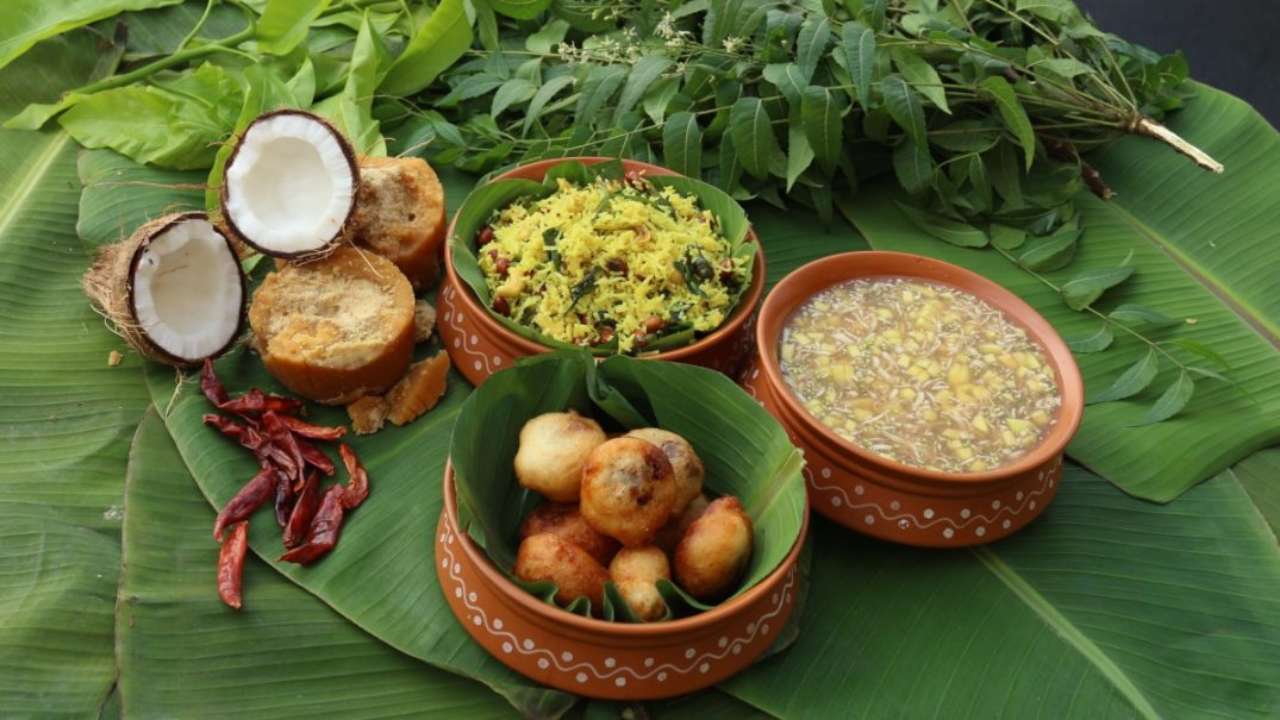
In Tamil Nadu, the festival is known as Puthandu. The day begins with the ritual of viewing auspicious items arranged the night before, believed to bring good fortune throughout the year.
In Odisha, it is celebrated as Maha Vishubha Sankranti or Pana Sankranti. A special drink called pana, made from wood apple, jaggery, yogurt, and spices, is prepared and offered. A unique ritual involves placing a pot filled with this drink above a Tulsi plant, allowing it to drip slowly, symbolizing relief from the summer heat and a prayer for rainfall.
In Tulu Nadu, Bisu Parba marks the beginning of the New Year and is celebrated with rituals such as Bisu Kani, festive meals, and the exchange of gifts known as kaineetham.
In Kerala, the festival of Vishu is observed with great enthusiasm. The first sight of Vishu Kani—an arrangement of auspicious items in a brass vessel—is believed to bring prosperity. People also wear new clothes, exchange gifts, and enjoy a traditional feast called Vishu Sadya.
In West Bengal, the day is celebrated as Pohela Boishakh, marking the Bengali New Year. It is a time when businesses open new account books, and people dress in traditional attire while enjoying festive foods and sweets.
In Assam, Rangali Bihu (also known as Bohag Bihu) celebrates the arrival of spring and the agricultural season with vibrant dances, music, and feasting.
In the Mithila region of Bihar and parts of Nepal, Jur Sital is observed as the New Year. Elders bless younger family members by sprinkling water on them, and people consume simple, cooling foods suited to the season.
In Tripura, Buisu is celebrated by the Tripuri community with traditional dances, rituals, and festivities that welcome prosperity and happiness.
In Punjab, Haryana, and Jammu, Baisakhi is celebrated as both a harvest festival and a day of deep cultural and religious importance, especially for the Sikh community.
Other regions also mark the occasion in unique ways. In Meghalaya, Chad Sukra is observed with community feasts and rituals. In Arunachal Pradesh, Sangken is celebrated as a water festival symbolizing purification and renewal. In Uttarakhand, Bikhoti is marked with fairs and traditional songs, while Himachal Pradesh celebrates Basoa to signify the start of a new agricultural cycle.
Celebrations Beyond India
In Nepal, Naya Varsh is observed with temple visits, family gatherings, and reflection on the year ahead.
In Cambodia, Chaul Chnam Thmey is a three-day festival that includes rituals, charitable acts, and cleansing ceremonies symbolizing renewal.
In Sri Lanka, Aluth Avurudda is celebrated with traditional meals, lighting of oil lamps, cultural games, and rituals that emphasize prosperity, harmony, and togetherness.
A Celebration of Renewal and Hope
As communities come together to celebrate, Sauramana Ugadi continues to inspire a sense of optimism and cultural pride, marking a fresh start filled with possibilities for the year ahead.









Leave a Reply