
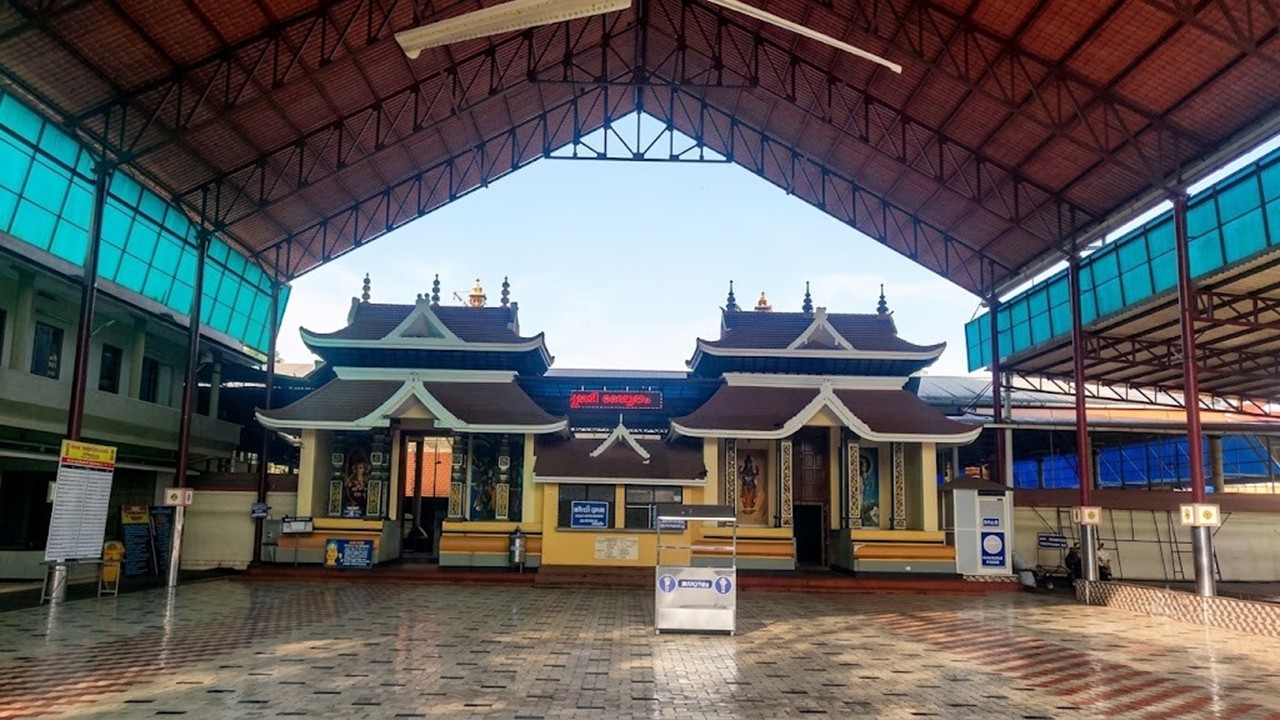
Chelamattom Shree Krishna Swamy Temple, reverently known as Dakshina Kashi (The Kashi of the South), is an ancient and sacred temple dedicated to Lord Krishna, situated on the banks of the Periyar River in Chelamattom village, Kunnathunadu Taluk, Ernakulam district, Kerala. Conveniently, it is located about one km west of the midpoint between Kalady and Perumbavoor on the Main Central Road.
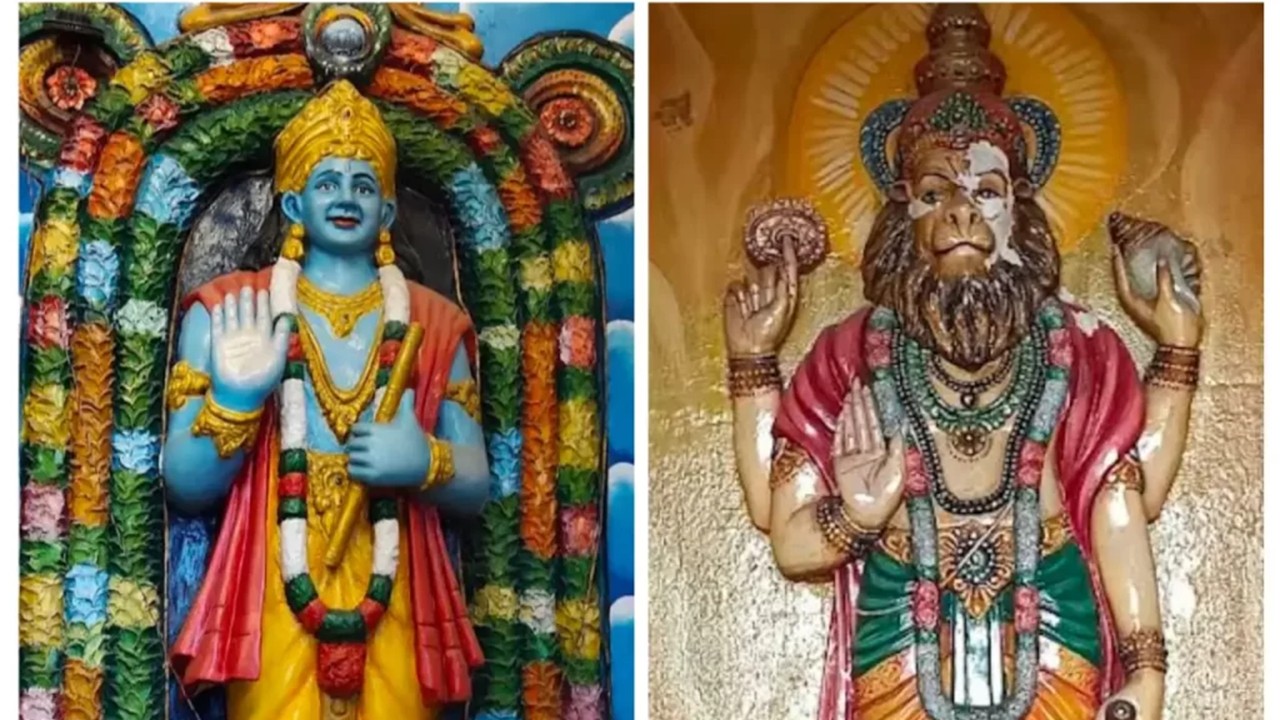
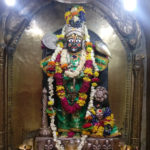
The temple complex houses several shrines dedicated to Lord Krishna, Lord Narasimha in a meditative posture, and Lord Vamana. It is especially revered as a centre for Pitru Tharpanam (Balitarpana), the sacred rituals performed in honour of departed ancestors. Sage Para Swamiyar is commemorated through a sacred image on the walls to the right of Lord Krishna’s shrine who is believed to have attained swargarohana at this site.
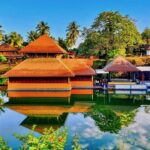
Chelamattom earned the title Dakshina Kashi because of its profound association with ancestral rites and spiritual liberation. One of the temple’s most remarkable features is the unique course of the Periyar River, which flows from west to east at this location, an extremely rare and auspicious phenomenon traditionally compared to the sacred flow of the River Ganga at Kashi (Varanasi). The river is also believed to encircle the temple protectively, enhancing the sanctity of the site.
The name Chelamattom is believed to have originated from traditions closely associated with the Periyar River and the temple’s sacred history. One interpretation derives it from the Malayalam term “Chelezhunn”, meaning a divine floating, referring to the local history that the deity of Lord Krishna arrived in a chest that floated down the Periyar and came to rest at this sacred spot during a flood.
Another explanation links the name to the river’s distinctive course around the temple area. Near the revered Aryam Rock, the Periyar briefly flows eastward and appears to encircle the site before rejoining its main course. In this context, “chela” is understood to mean surrounding or embracing, symbolizing the river’s protective embrace of the sacred land.
History
The temple is widely believed to have a history spanning to 16th century CE. The sacred site is said to have been centred around a shrine dedicated to Lord Narasimha. The history of the temple is closely associated with Veliyamkol Mana, an ancient Brahmin household situated near the riverbank. The family deity of the Mana was Anthimahakala, a Swayambhu form of Lord Shiva worshipped in a shrine overlooking the Periyar. According to local history, during one of the Periyar River’s great floods, a wooden chest was seen floating downstream through the turbulent waters. The chest eventually came to rest near the Anthimahakala shrine, despite the powerful currents.
The mysterious object first caught the attention of a women from the local Pulaya community, who observed that the chest neither drifted away nor could be retrieved despite repeated attempts. The extraordinary sight led her to report the incident to the elders of the Veliyamkol Mana.
Responding to her, the head of the Mana approached the riverbank. To the astonishment of all, only he was able to lift the chest effortlessly and bring it ashore. When opened, it revealed a beautifully deity of Lord Sri Krishna, believed to have arrived through divine providence. A new sanctum for Lord Krishna was therefore constructed by the Namboothiri of Veliyamkol Mana adjacent to the existing shrine of Lord Narasimha.
Tradition also speaks of the arrival of Lord Vamana deity. This deity was originally worshipped by the Thottamattom Namboothiri family in their ancestral home. Owing to its immense spiritual potency, it was later consecrated within the Chelamattom temple complex.
The temple history also recounts that the original deity of Lord Krishna was a daru-vigraha (wooden deity). In later years, a shila-vigraha (stone deity) was installed under the patronage of Sakthan Thampuran, the ruler of the Kingdom of Cochin. According to local tradition, this stone deity was initially intended for consecration in Thiruvananthapuram, but through a divine will, it ultimately found its permanent abode at Chelamattom, along with the principal wooden deity.
Krishna in Yama Puri?
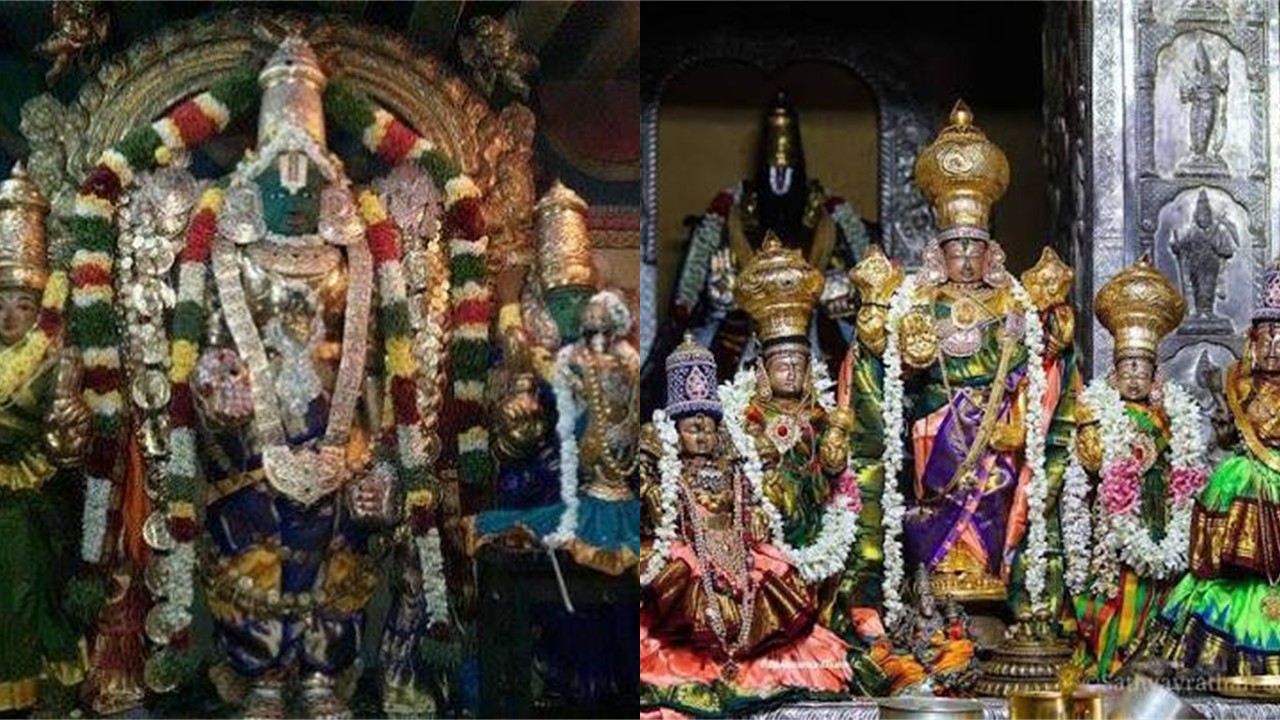
One of the most revered folklores associated with Chelamattom Krishna Temple connects the deity with Lord Krishna’s divine journey to Yamaloka. According to Bhagavata Purana, after completing his education under Sage Sandipani, Sri Krishna sought to offer Guru Dakshina. The sage, mourning the loss of his son who had perished in the sea, requested Krishna to restore him back to life.
Determined to fulfil his guru’s wish, Krishna traced the boy’s whereabouts, by first defeating the demon Panchajana and obtaining the sacred conch Panchajanya and then proceeding to Yamaloka. There, Yamadharma recognized Krishna’s divinity and returned the sage’s son. During this divine visit, Krishna is believed to have granted peace and liberation to countless departed souls there. The form of Lord Krishna worshipped at Chelamattom is said to commemorate this compassionate act, forming the spiritual basis for the temple’s status as Dakshina Kashi, a sacred centre for Pitru Tharpanam and ancestral rites believed to aid souls in attaining moksha.
Adi Shankaracharya’s visit
According to local tradition, Adi Shankaracharya visited this sacred site during his travels and arrived at the opposite bank of the Periyar River. Unable to cross, he prayed for assistance, whereupon a young dwarfish boy appeared, wearing a sacred thread and playing with a toy boat (pottakthoni), rowing a makeshift boat and safely ferried him across. Impressed by the boy’s kindness and willingness to help, Shankaracharya blessed the region, declaring that it would always flourish with Brahmin families, young boys undergoing upanayanam, and the tradition of toy boats. Shankaracharya identified the boy as Lord Vamanadeva, incarnation of Vishnu, affirming the temple’s ancient association with the worship of Vamanadeva.
Architecture and Deities
The Chelamattom Shree Krishna Swami Temple was constructed by the Kappingattumana family through its distinctive Dwi-tala layout, which accommodates the deities of Lord Krishna and Lord Narasimha within a single east-facing square Sreekovil. Lord Krishna is placed to the right of Lord Narasimha, and the Vamana temple is in the northeast corner, which is believed to be over 1,200 years old. Enclosed within a protective Matzikama (perimeter wall), the complex includes separate balikals, a seated image of Para Swamiyar, and two elegant seven-tiered bronze Deepasthambhams before the shrines.
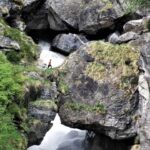
The temple is adorned with finely crafted stone carvings depicting historical themes and traditional Kerala motifs, including guardian figures known as Dwarapalas. The Anthimahakala Shiva Temple is positioned on the banks of the Periyar River, it receives a portion of the temple’s annual rice offerings (Naivedya). Local tradition holds that the Aryam Rock, situated along the Periyar River near Perumattom, was carried by Hanuman while building the Ram Setu in Lanka, but set it down to rest, after which it became permanently rooted here. The rock is believed to influence the river’s unique flow pattern and protect the sacred landscape. Another lore tells of the Arankavu Bhagavati temple situated to the west of the rock safeguarding the Periyar river from venomous serpents emerging from the rock’s crevices, thereby purifying the river and safeguarding its sanctity for devotees.
Major Festivals
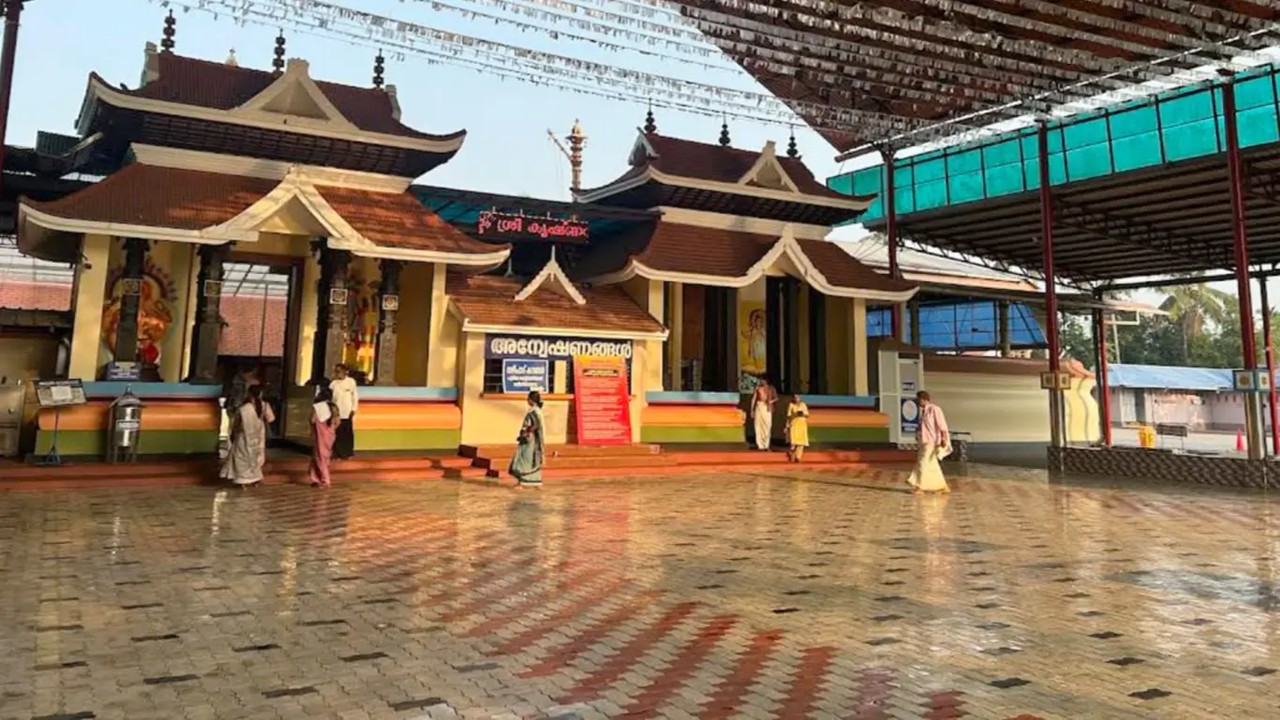
Chelamattom Shree Krishna Swami Temple’s religious life is centred on its eight-day Kumbham Utsavam (February-March), which begins with flag hoisting, features Laksha deepam, Valiyavilakku Ezhunnallippu with elephant processions, Sribhoothabali, annadanam, and concludes with the Arattu ritual in the Periyar River. Another major observance is Makara Vavu, dedicated to ancestral worship through Tilahavanam, Dwadashanama Pooja, Kalkazhukichootu, and Balitarpanam. The temple also celebrates Ashtami Rohini, Vishu, and Onam. It also conducts uninterrupted Vedic worship, including Usha, Uchcha, and Athazha Poojas. Special rites for Pitru Moksha and Tarpanam are performed on the Periyar’s banks, while offerings to Para Swamiyar and traditional rice distributions to Pulaya families continue long-standing customs.
Darshan Timings of the Temple
The temple is open on all the days of the year between 5:00 AM to 12:00 PM and 5:00 PM to 8:00 PM.
Nearby Places to Visit
Adi Shankara Janmabhoomi, Kalady: Birthplace of Adi Shankaracharya. The Sri Ramakrishna Advaita Ashram and the Sri Adi Sankara Keerthi Sthamba Mandapam are the major attractions here.
Thrikkakara Vamanamurthy Temple, Ernakulam: An ancient temple devoted to Lord Vamana and renowned for the Onam festivities.
Aluva Mahadeva Temple: Situated on the Periya riverbank, this Swayambhu Shiva lingam is believed to be originated from the river itself.
How to Reach Chelamattom Temple?
By Road: The temple is conveniently accessible from Perumbavoor Bus Stand, located about 5-7 km away, and Kalady Private Bus Stand, situated 4.5 km from the temple.
By Rail: The temple is accessible from Angamaly for Kalady Railway Station, located approximately 13-15 km away, and the Ernakulam Town and Ernakulam Junction Railway Stations, situated 35-40 km from the temple.
By Air: The nearest airport to Chelamattom is the Cochin International Airport situated at Nedumbassery. One may hire a cab from airport to reach the temple.
0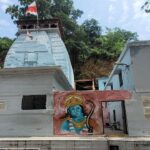
Leave a Reply