
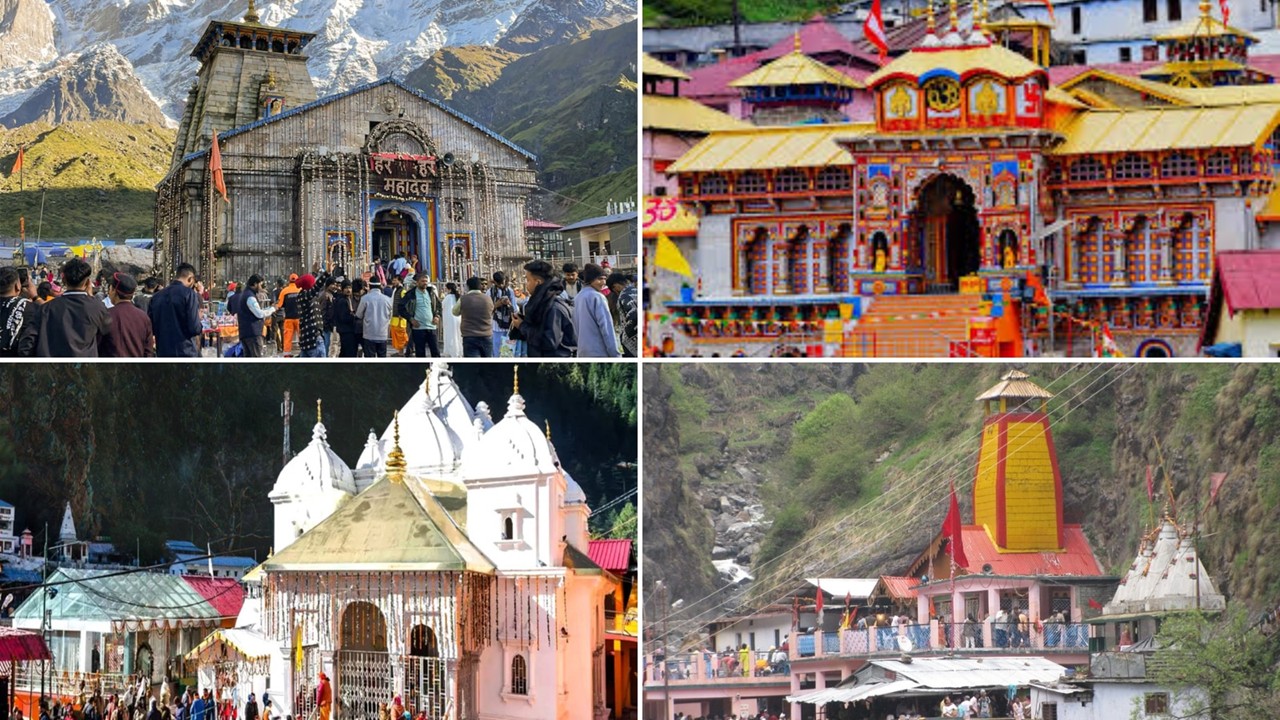

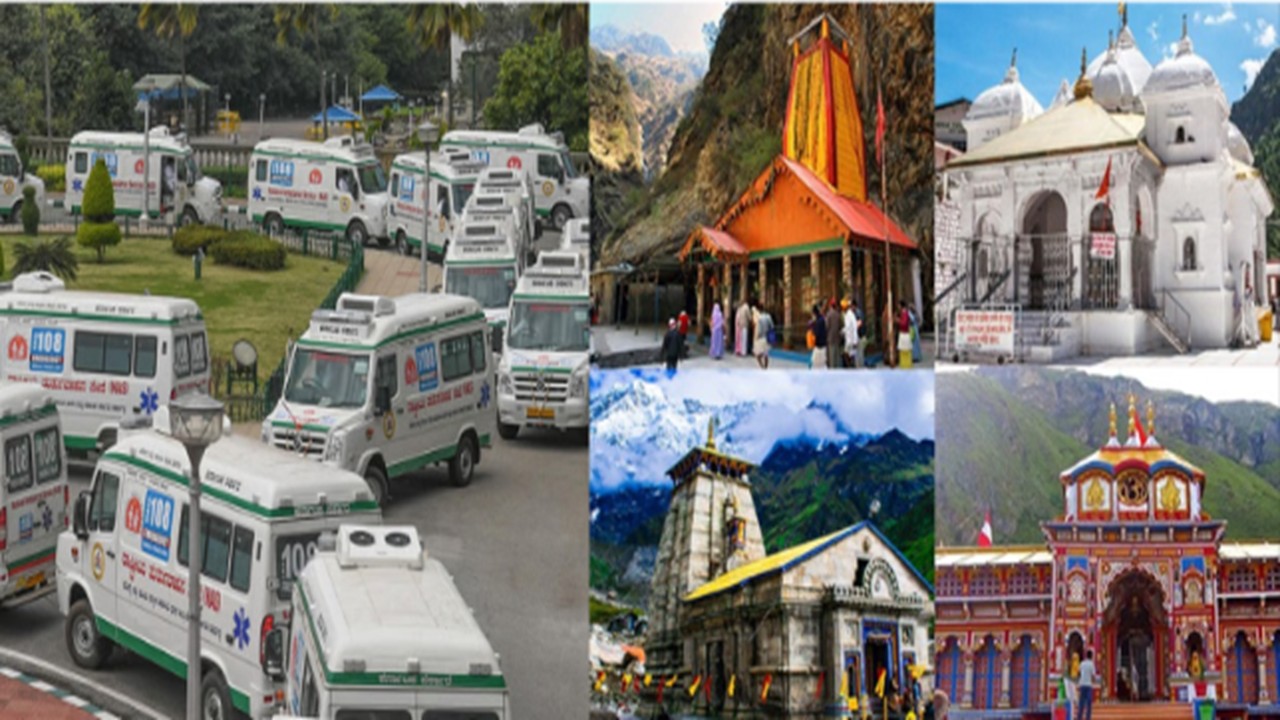
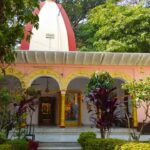
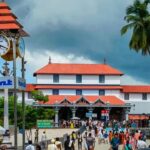
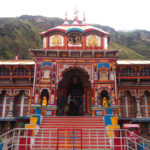
These medical teams will offer round-the-clock services at key locations such as transit camps, rest points, and major pilgrimage sites, ensuring immediate treatment in case of emergencies. The four sacred shrines—Gangotri Temple, Yamunotri Temple, Kedarnath Temple, and Badrinath Temple—are located at elevations of around 3,000 meters, while Hemkund Sahib is situated above 4,000 meters.
Due to the high altitude, pilgrims often face health issues such as oxygen deficiency, dizziness, breathlessness, dehydration, and heart-related complications. In recent years, several cases of altitude sickness have been reported during the yatra.
To address these challenges, medical facilities are being strengthened at primary health centers, community health centers, district hospitals, and along trekking routes, especially on the difficult paths to Kedarnath and Yamunotri. Additionally, 25 Medical Relief Posts (MRPs) are being set up to provide quick medical assistance.
Health screenings at entry points and awareness advisories along the routes are also being introduced to keep pilgrims informed and safe. According to officials, specialist doctors from government and private medical colleges will be deployed.
Medical teams are undergoing specialized training to effectively handle high-altitude health issues and emergencies, ensuring a safer and more secure pilgrimage for all devotees.




Leave a Reply