
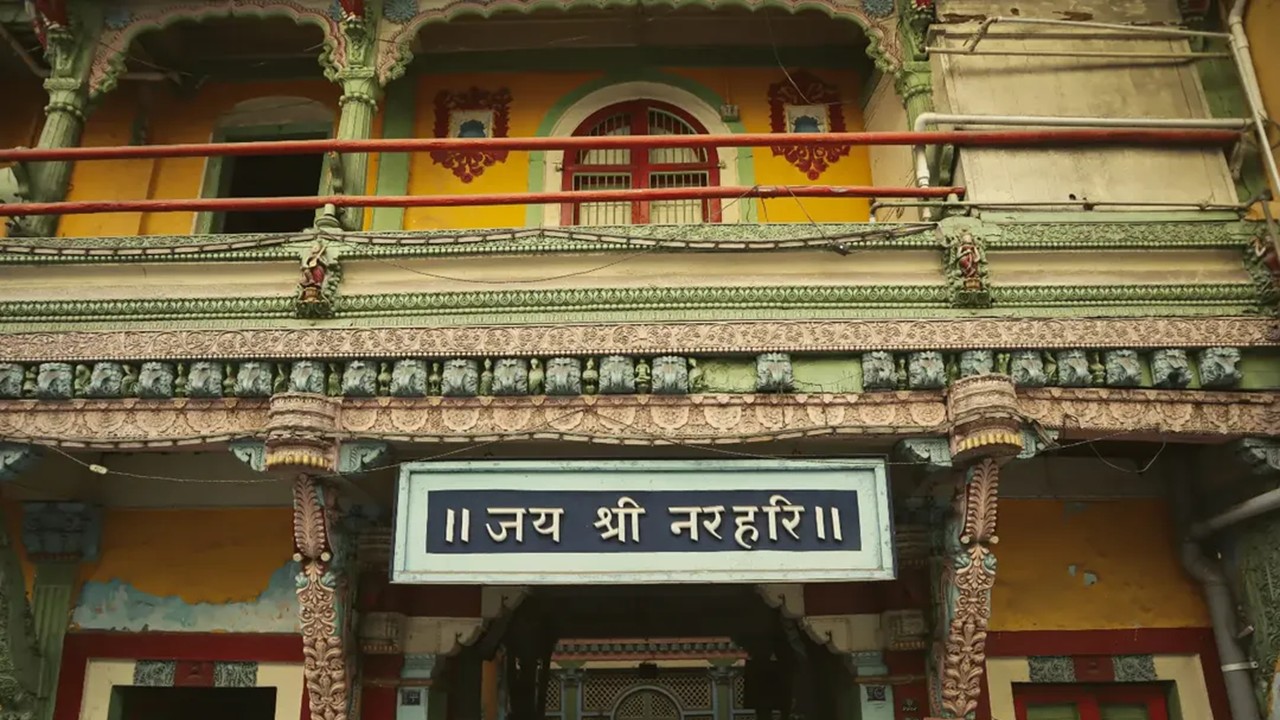
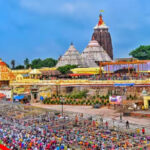
Sri Narsinhji’s Temple whispers the tale of Gujarati Gaekwad royal family’s patronage, reverence and devotion towards Lord Narasihji. There is a royal tradition that is practised, the royal family members dine only after seeing the diya lit atop deepamala, which is visible from Maharaj Palace or Sarkar Wada.
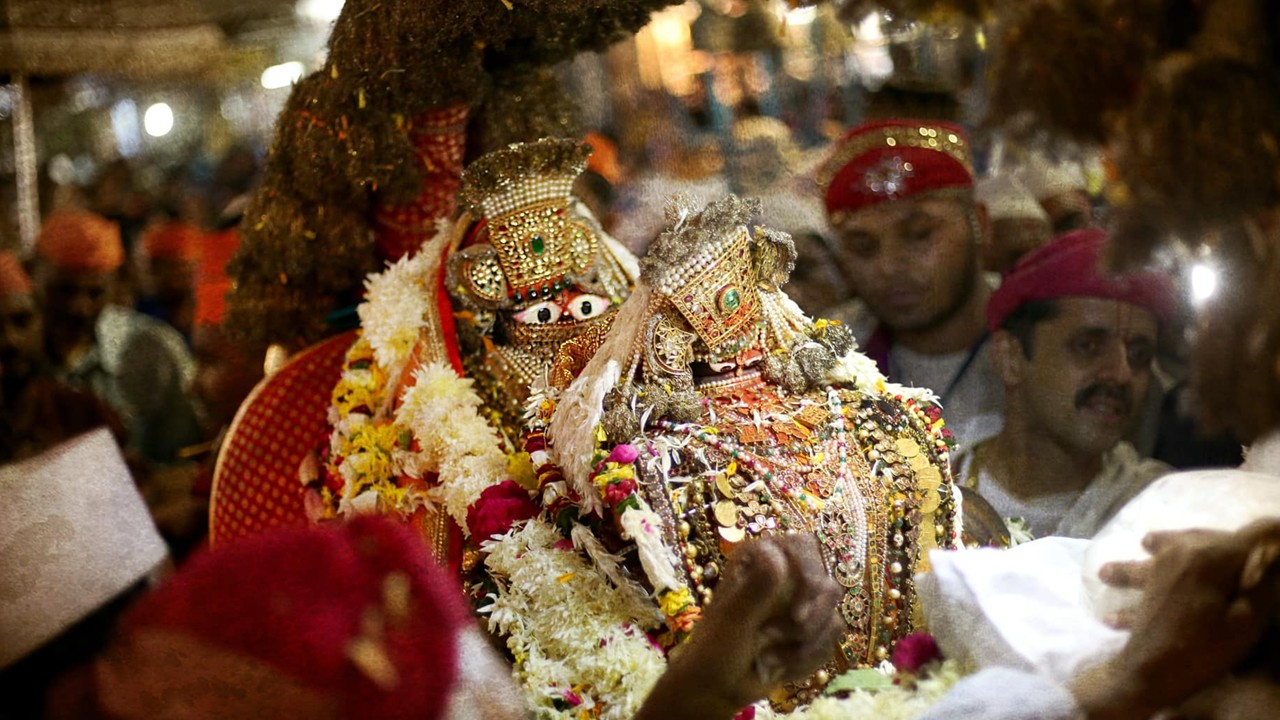
The main attraction of the temple is Varghodo Vadodara – the annual grand marriage procession of Narsinhji with Tulsi Devi, celebrated on Dev Diwali by Barodians. This spectacular event is a visual delight and is witnessed by lakhs of devotees every year.
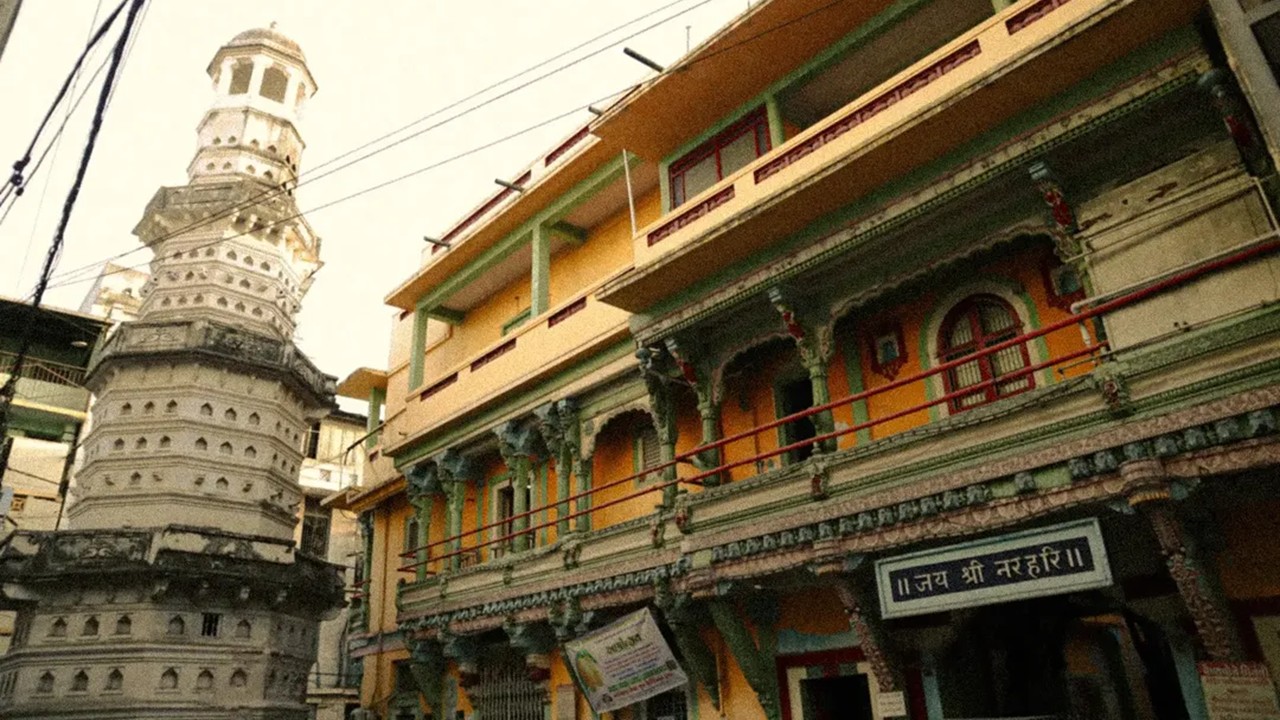
The temple is located in Narsinhji ni Pol, Kamala Nagar, in the Bajwada area near Mandvi in Vadodara, Gujarat. Historically, this locality was originally known as Vanik ni Pol. Over time, its name was changed to Madan Mohan ni Pol, and eventually, in the 18th century, it came to be known as Narsinhji ni Pol, the name it carries today.
Stala Puran of Sri Narsinhji Temple
Vadodara’s Royal Legacy Shines Through Devotion to Lord Narsinhji
Maharaja Anandrao Gaekwad supported the temple by creating a fund to maintain daily rituals and a sacred eternal lamp. Later, Maharaja Khanderao Gaekwad II built the iconic Deepmala in the 1860s, which became a symbol of devotion, with the royal family observing it before meals.
Maharaja Sayajirao Gaekwad III is also remembered for his faith, as he fulfilled a vow to Lord Narsinhji after safely returning from a sea journey. During a perilous sea journey, he is believed to have prayed to Lord Narsinhji for safety. Upon his safe return, he fulfilled his vow by visiting the temple before entering the palace.
These traditions continue to reflect Vadodara’s deep-rooted royal and religious legacy.
Architecture of Sri Narsinhji Temple
The temple’s primary structure was constructed using ten wooden pillars crafted from sesame wood.
The structure features narrow balconies supported by wooden brackets, showcasing a fine example of residential-style temple architecture in the city.
Deepmala is a tall decorative lamp, constructed by Maharaja of Baroda, Khanderao Gaekwad.
Festivals of Sri Narsinhji Temple
On Kartik Purnima, a grand palki procession carrying the sacred Shaligrama of Lord Narsinhji passes through the historic streets of old Baroda. The procession concludes at Tulsiwada, where the ceremonial wedding of Lord Narsinhji and Tulsi Devi is performed with great devotion and enthusiasm.
Darshan Timings of Sri Narsinhji Temple
Daily: 7 AM to 10 PM
Best Time to Visit
Nearby Places to Visit
- Laxmi Vilas Palace – A grand royal residence known for its stunning architecture and rich heritage.
- Sayaji Garden – One of the largest public gardens in India, ideal for family outings and leisure walks.
- Baroda Museum and Picture Gallery – A must-visit for history and art enthusiasts.
- Kirti Mandir – A memorial dedicated to the Gaekwad royal family.
How to Reach Sri Narsinhji Temple
- By Air: The nearest airport is Vadodara International Airport, located approximately 6–7 km from the temple. Taxis and cabs are easily available from the airport.
- By Railway: Vadodara Junction Railway Station is the nearest railway station, situated around 1.8 km away. It is well-connected to major cities across India.
- By Road: Vadodara has excellent road connectivity via national and state highways. Regular buses, taxis, and auto-rickshaws are available from nearby cities and within the city, making it convenient to reach the temple.
Leave a Reply