
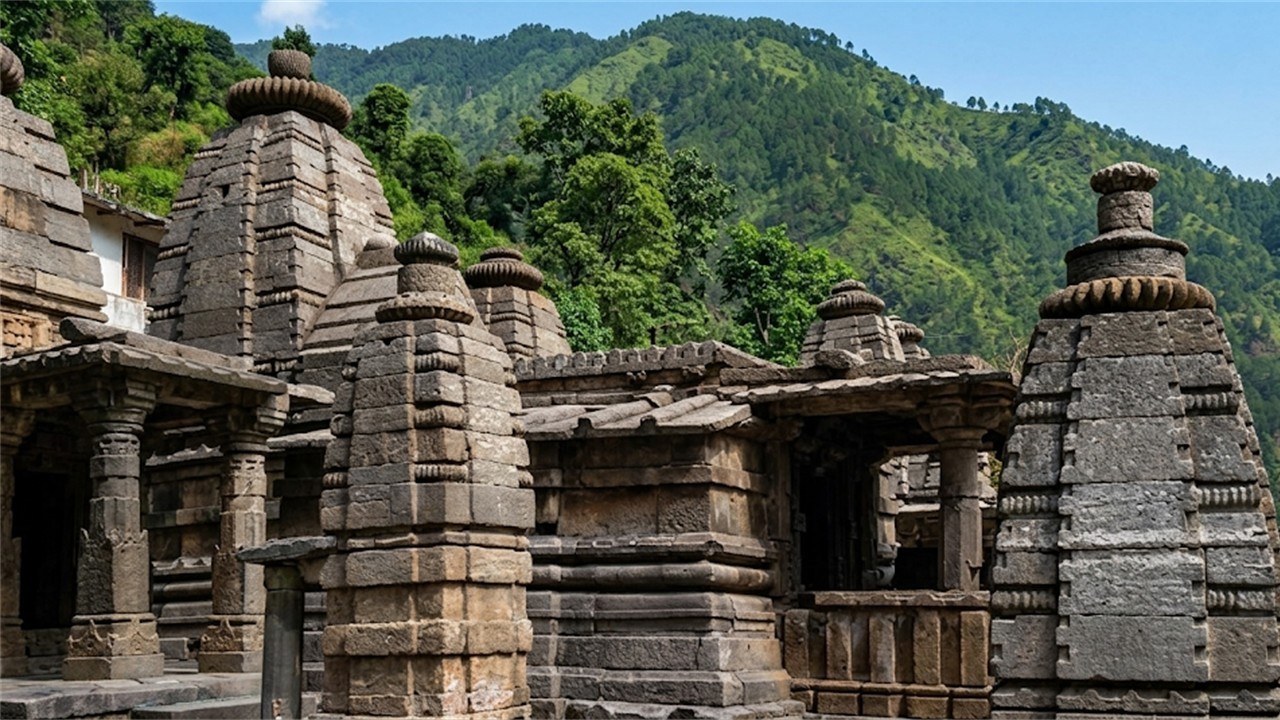
Adi Badri is one of the Himalayas’ oldest and most visited Vishnu temple situated amid the beautiful hills of Uttarakhand’s Chamoli district. Although millions of pilgrims visit Badrinath each year, few realize that the Badri tradition has far deeper roots. Meaning “The First Badri,” Adi Badri preserves the memory of an era when worship of Sriman Narayana flourished in the lower Himalayan valleys, long before the high-altitude routes became accessible to pilgrims.
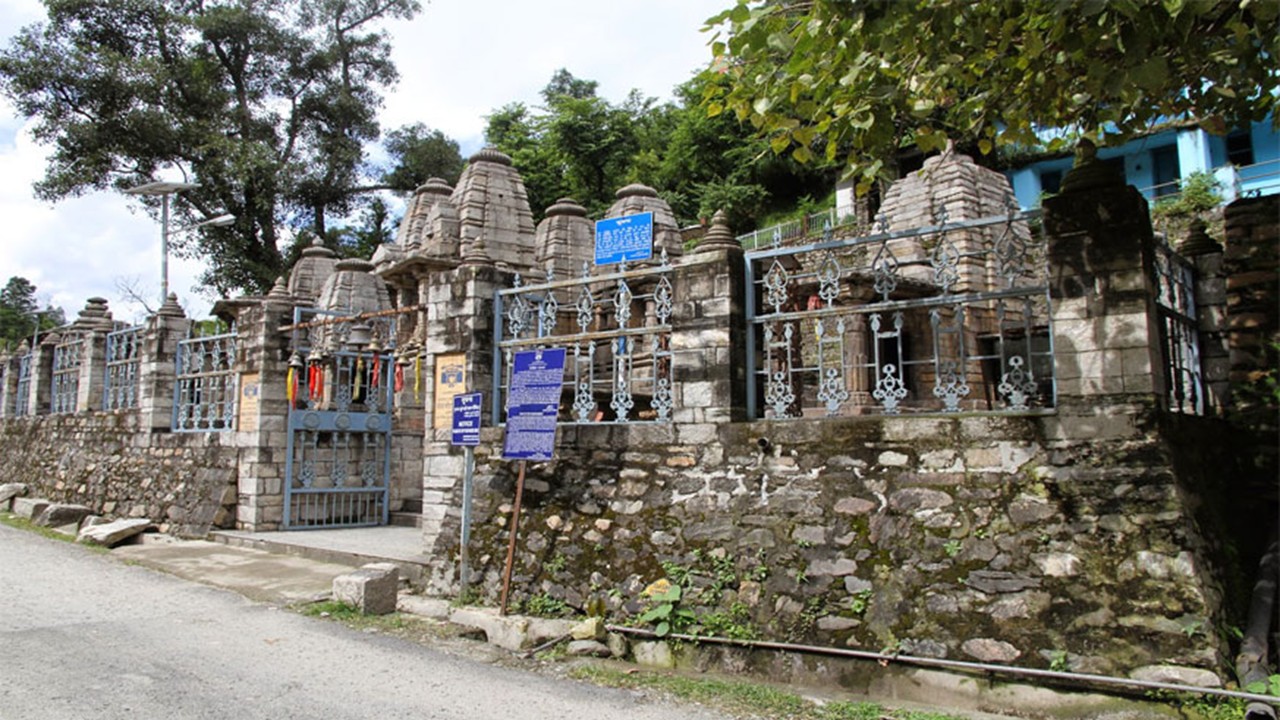
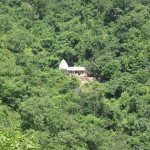
Located about 17 kilometres from Karnaprayag on the road towards Ranikhet, the temple complex comprises a cluster of many other temples surrounded by forests and mountains. It is believed that the Adi Badri temple of Uttarakhand was built during the late Gupta period from 5th-8th century, and it was reestablished by Adi Shankaracharya. Even today, local traditions regard it as one of the most sacred manifestations of Sri Vishnu in the Garhwal Himalayas.
Sthala Purana of Adi Badri Temple
Adi Badri is rooted in the Badri Mahatmya traditions associated with the Himalayan region. Although the temple itself is not explicitly mentioned by its present name in the major Puranas, the broader sacred geography of Badarikashrama receives extensive praise in texts such as the Skanda Purana, Vishnu Purana, and Varaha Purana.
According to sthala purana, Sri Vishnu resided at Adi Badri during the Satya, Treta, and Dvapara Yugas. When Kali Yuga began, the Lord shifted his deity to Badrinath in the higher Himalayas. The tradition further states that in the distant future, when the route to Badrinath becomes inaccessible, the deity will manifest at Bhavishya Badri. Thus, Adi Badri forms an important link in the sacred succession of Vishnu’s Himalayan abodes.
The regional lore states that the lower Himalayan valleys were once the preferred abode of Sri Vishnu because they remained inhabitable throughout the year. Sages and seekers performed penance in these forests and received the Lord’s blessings here. As spiritual practices evolved and the sanctity of the higher Himalayas gained prominence, Narayana chose Badarikashrama as his principal seat of meditation.
Another local belief connects Adi Badri with the pilgrimage routes of the Himalayas. In earlier centuries, heavy snowfall frequently prevented devotees from reaching Badrinath. Those unable to proceed further would worship Sri Vishnu at Adi Badri and receive the merit of a complete Badri Yatra. This belief continues to survive among pilgrims even today. The temple is therefore revered as a compassionate manifestation of Sri Vishnu who made himself accessible to devotees.
History of Adi Badri Temple
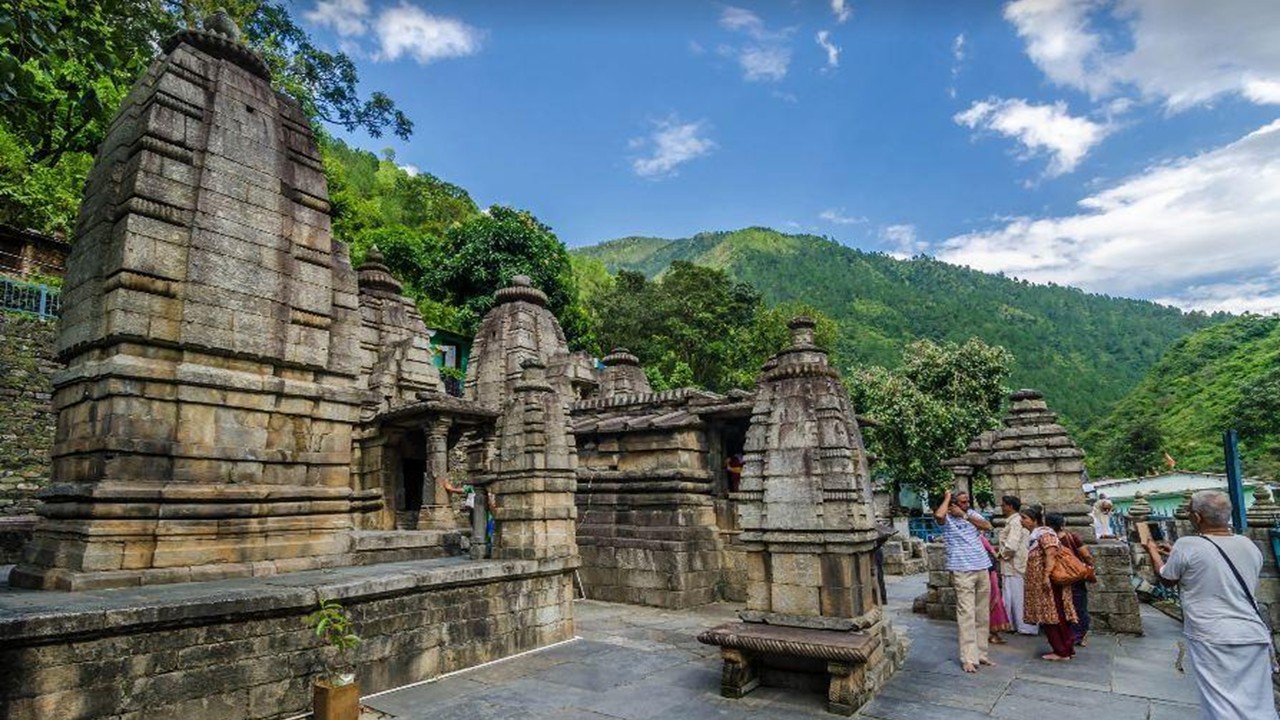
Adi Badri is one of the oldest temple complexes in Uttarakhand. Archaeological and architectural studies indicate that the earliest temples were built between the Gupta and post-Gupta periods, approximately between the 5th and 8th centuries CE. The temple complex is also located near Chandpur Garhi, the earliest capital of the Panwar rulers of Garhwal.
The temple complex originally consisted of sixteen temples, though fourteen survive today. Unlike several temples of the plains, Adi Badri remained largely insulated from major Mughal interventions due to its remote Himalayan location. No significant historical records suggest destruction, patronage, or occupation by Mughal empires.
Tradition also associates the temple with Adi Shankaracharya. While definitive historical evidence remains limited, local belief maintains that the philosopher-saint revived the temple during his efforts to restore Vedic worship across the Himalayas and reestablish pilgrimage centers dedicated to Sri Vishnu, simultaneously eradicating the influence of the Buddhists.
The concept of Panch Badri emerged gradually as different Vishnu temples gained prominence among pilgrims. Adi Badri came to occupy a special position as the oldest and most accessible among these sacred centers. Garhwali folklore continues to preserve stories of pilgrims, ascetics, and householders who visited the temple before undertaking the difficult journey to Badrinath. Another interesting fact is that the temple remains accessible throughout most of the year, unlike Badrinath, which closes during winter.
Architecture of the Temple
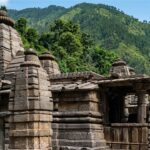
Adi Badri temple represents an excellent example of early Nagara architecture. Built from locally available stone, the temple displays an elegant shikharas rising above the main altar. The temple complex is arranged within a rectangular courtyard. The main altar stands prominently at the center and is surrounded by smaller subsidiary temples.
The walls bear decorative carvings, niches, and ornamental mouldings typical of early medieval North Indian architecture. Unlike the grand stone temples of later centuries, the beauty of Adi Badri lies in its restraint and simplicity.
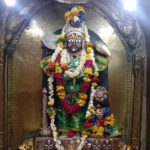
The principal deity of Adi Badri is Sriman Narayana, worshipped in the form of gracefully standing posture of Sri Mahavishnu. Sculpted in the black stone, the deity is depicted holding the Shanka, Chakra, Gada, and Padma. Adi Badri is notable for housing temples dedicated to several other deities alongside Sri Vishnu, including Gauri Shankara, Annapurna Devi, Surya Deva, Durga, Ganesha, Satyanarayana, Garuda, and Janaki.
Festivals
Adi Badri comes alive during several festivals, such as Krishna Janmashtami, celebrating the appearance day of Krishna, which is observed with devotional singing, and sacred recitations, and Rama Navami, marking the appearance of Sri Rama, drawing devotees for worship and religious ceremonies.
Other notable celebrations include Makar Sankranti, an auspicious festival associated with the Sun’s northward journey, and Vaikuntha Ekadashi. The temple also hosts traditional annual fairs and community gatherings, featuring cultural performances and religious festivities that provide visitors with a glimpse into the region’s rich spiritual and cultural heritage.
Darshan Timings of Adi Badri Temple
The temple is open on all the days of the year between 5:00 AM to 7:00 PM.
Best Time to Visit Adi Badri Temple
The best time to visit Adi Badri Temple is from October to March, when the weather is cool and pleasant, and the temple offers a peaceful spiritual atmosphere. Since it remains accessible during winter, it serves as an important pilgrimage destination when Badrinath Temple is closed. April to June is also a good time for pilgrimage due to comfortable weather, while the monsoon season (July to September) is best avoided because of heavy rainfall and occasional landslides in the region.
Nearby Places to Visit
Karnaprayag: One of the sacred Panch Prayagas, where the Alaknanda River meets the Pindar River. It is traditionally associated with Karna of the Mahabharata, who is believed to have performed penance here.
Yogdhyan Badri: Located at Pandukeshwar, Yogdhyan Badri is one of the revered Panch Badri temples dedicated to Sri Vishnu. According to tradition, King Pandu once meditated here.
Bhairavnath Temple: A local temple dedicated to Sri Bhairava, revered as a guardian deity in the Himalayan tradition.
Rudranath Temple: One of the revered Panch Kedar temples dedicated to Bhagavan Shiva, known for its scenic trekking route and spiritual significance.
How to Reach Adi Badri Temple?
The easiest way to plan your visit is through Tirtha Yatra’s Pancha Badri Yatra package, which takes care of all the arrangements so that devotees can focus solely on the spiritual experience.

By Air: The nearest airport is Jolly Grant Airport, Dehradun, located about 190 km from Adi Badri Temple. From the airport, taxis and buses are available to the temple.
By Rail: The nearest major railway station is Rishikesh Railway Station, approximately 170 km away. From there, regular buses and taxis connect to Karnaprayag and the surrounding region.
By Road: Adi Badri Temple is located about 17 km from Karnaprayag and is well connected by road to major towns such as Rishikesh, Haridwar, and Dehradun. Local taxis and shared vehicles are readily available from Karnaprayag to the temple.
0

Leave a Reply