
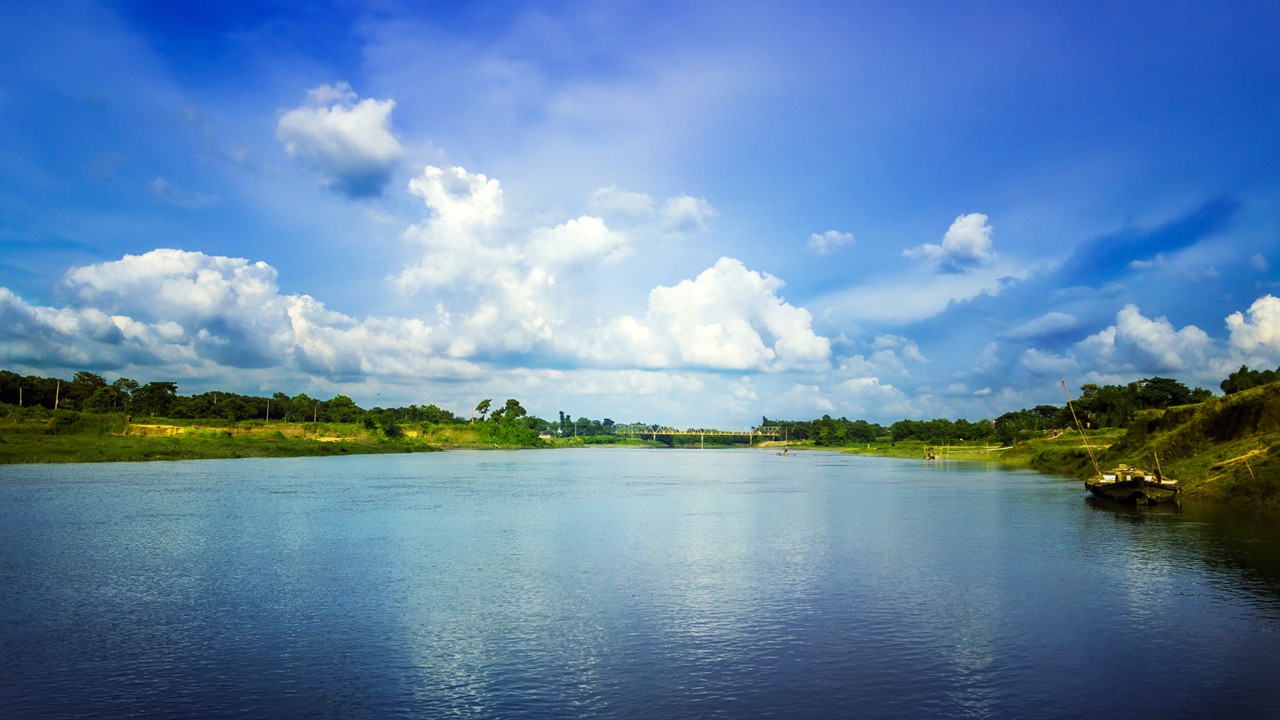
Gomati River has its origin in Gomat Taal, previously known as Fulhaar jheel, which is located near Madhotanda, Piliphit district, Uttar Pradesh. It is widely known as the river of purity because it cleanses the soul, body, and mind of an individual who takes a bath in this river.
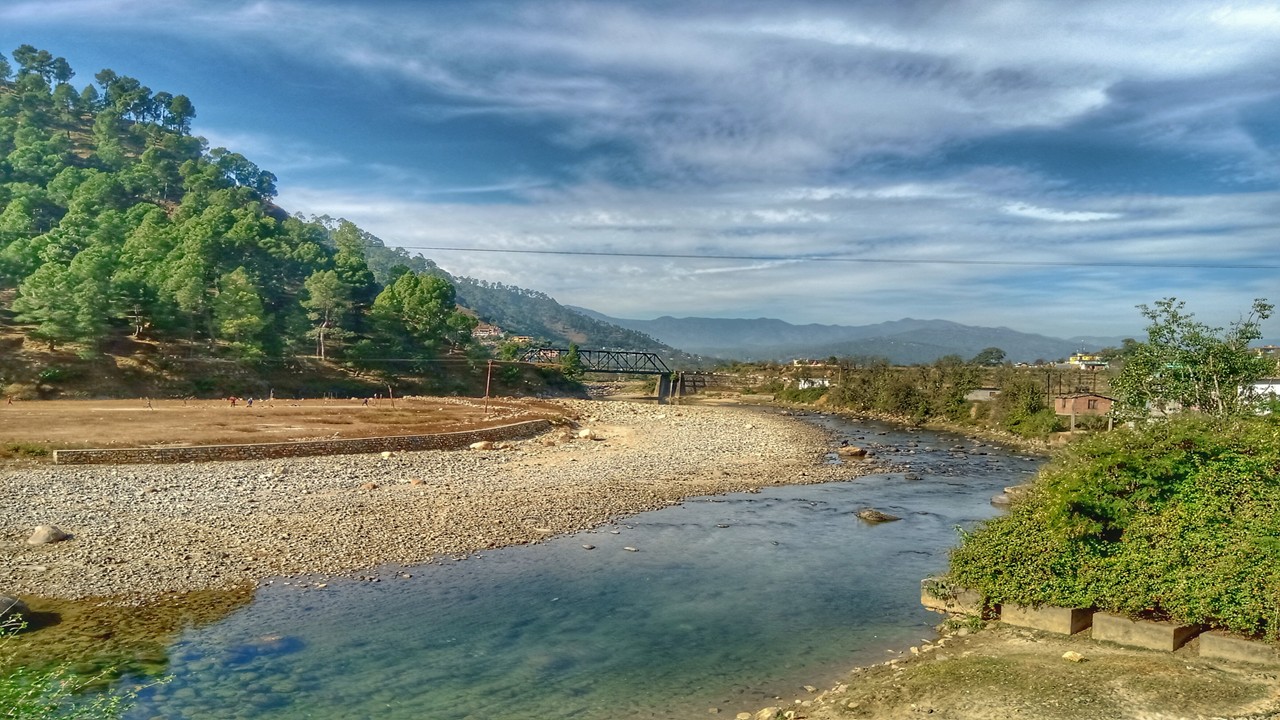
It is one of the most sacred rivers that flows across North India. It flows across the major cities in Uttar Pradesh, serving as a lifeline for the people across its banks.
Origin of the Gomati River
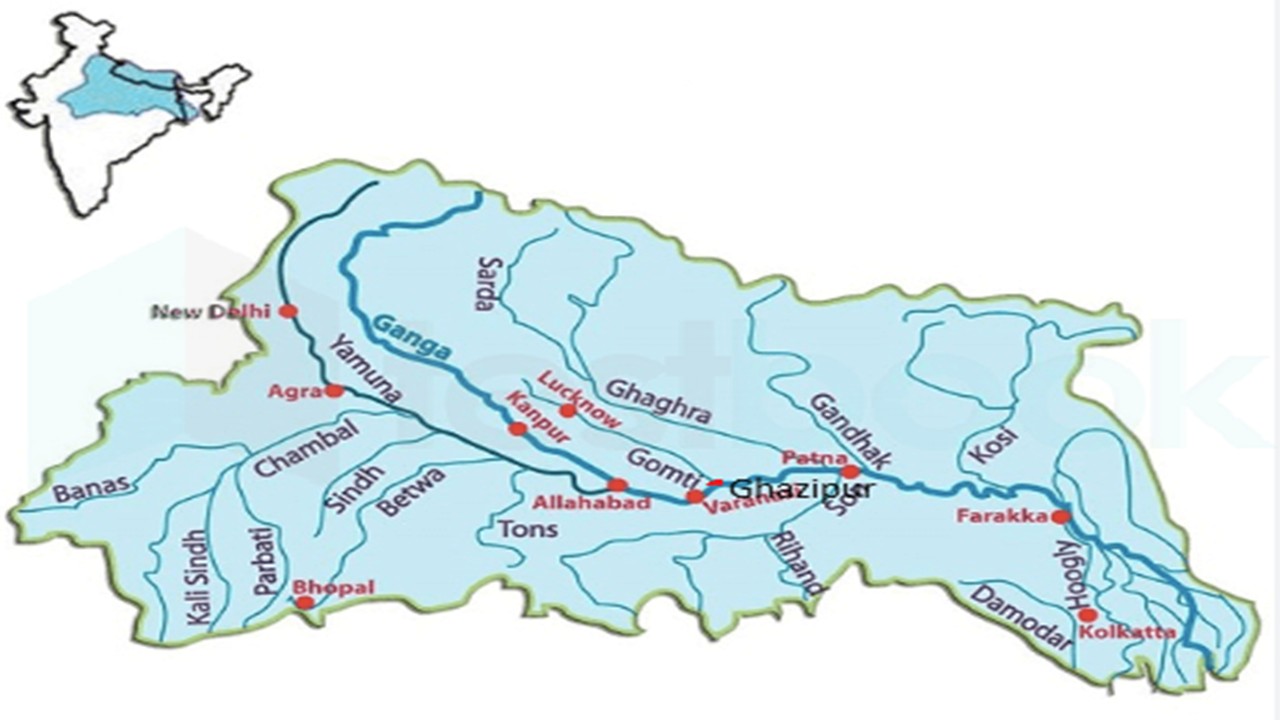
Gomati River is an underground water and monsoon-fed river that flows through major cities, villages, towns, and nourishes people and agriculture across its banks. The river Gomati passes through these places: Pilibhit, Shahjahanpur, Hardoi, Sitapur, Lucknow, Barabanki, Sultanpur, and Jaunpur.
Sai River, Chowka River, Kathina River, and Suru River are the major tributaries of the Gomati River.
Puranas Related to the Gomati River
According to the Bhagavata Purana, this river is considered one among the five transcendental, pure, divine, mystical rivers of the holy land of Bharat.
As per the episode in the great epic Kampa Ramayana, the river Gomati is associated with the name Kausiki. She was cursed by her husband, Ricika, to turn into a river to follow him when he was going to the deva loka to visit Lord Brahma.
Best Time to Visit Gomati River
How to Reach Gomati River
If you prefer to travel by yourself, here are a few options.
By Railway: Gomati Nagar Railway Station is the nearest railway station. It is well connected by auto, taxi, private, or government buses to traverse through the city of Lucknow.
By Road: It is well connected by the city bus network. It is connected to Agra, Delhi, Sultanpur, Barabanki, Ayodhya, and many more places.


Leave a Reply