
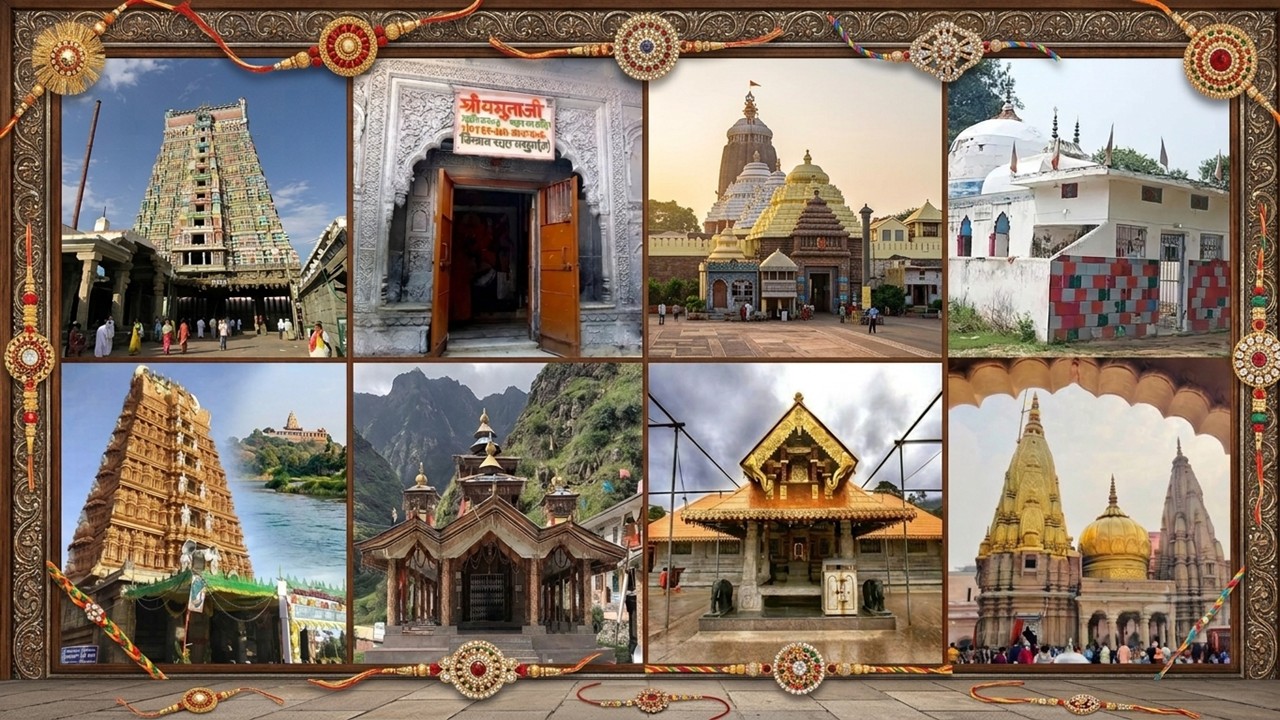
Have you ever visited a temple where Lord Krishna, Lord Shiva, Lord Ganesha, or Goddess Durga is worshipped in the garbhagriha? Or temples where divine couples like Radha-Krishna, Shiva-Parvati, Sita-Rama, and Lakshmi-Narayana are enshrined together?
But have you ever heard of a temple where a brother and sister are worshipped as the presiding deities?
Surprisingly, across Bharat, there are a handful of rare and fascinating temples that celebrate the sacred bond between siblings. These unique temples are dedicated not to divine couples, but to brothers and sisters whose relationship symbolizes love, protection, sacrifice, respect, and lifelong companionship.
From Lord Jagannath, Balabhadra, and Subhadra in Puri, to Lord Yamraj and Goddess Yamuna in Mathura, these extraordinary temples remind us that the bond between a brother and sister is not merely a family relationship—it is a sacred ideal deeply woven into Sanatana Dharma.
As Raksha Bandhan approaches, let us embark on a spiritual journey to discover these rare Temples of Brother-Sister in Bharat, where the timeless values of sibling love have been preserved through centuries of faith, folklore, and devotion.
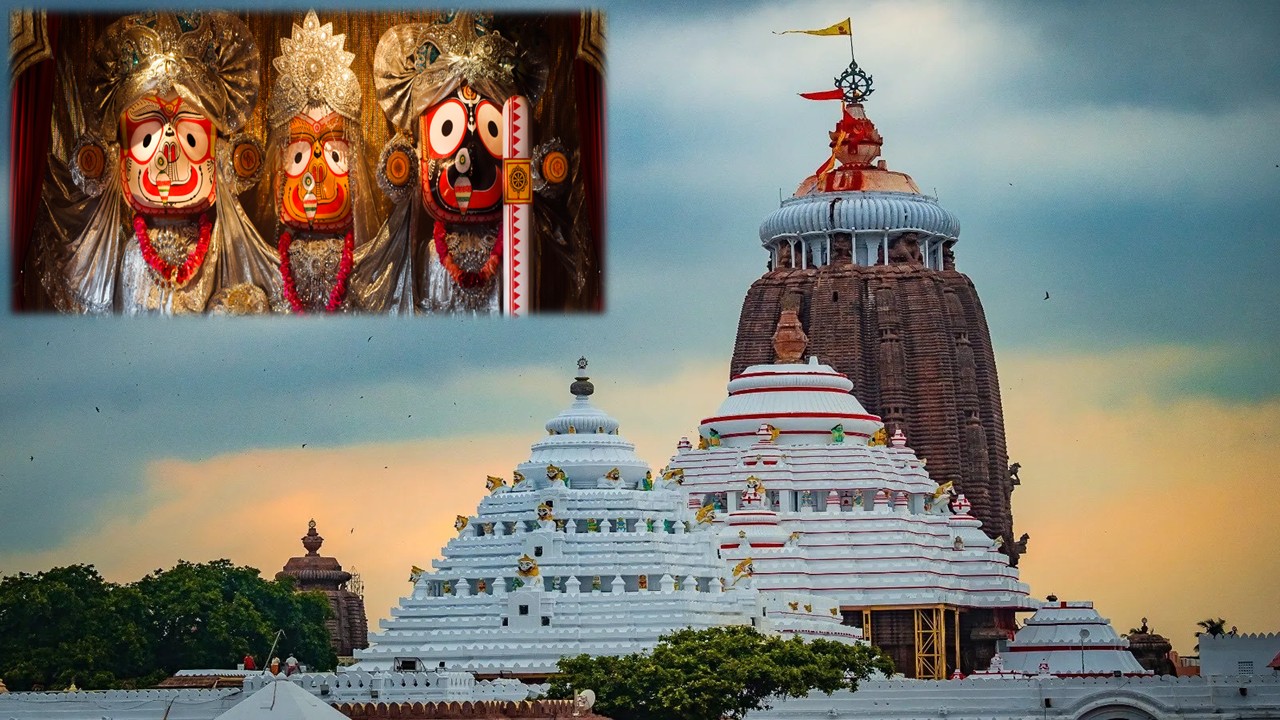
Jagannath-Subhadra Temple, Puri
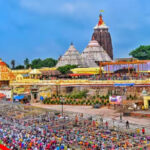
Sri Jagannath Temple is a renowned Vaishnava temple where Lord Jagannath, Devi Subhadra, and Lord Balabhadra are worshipped together. They are the divine siblings that are worshiped on earth.
Inside the garbhagriha, the Deities are placed accordingly – Lord Balabhadra on the left, Devi Subhadra in the centre, and Lord Jagannath on the right.
Like most temples in India, the presiding deity occupies the central position of the garbhagriha. But here, Goddess Subhadra Devi stands between her beloved brother, sharing divine and strong bond between the brothers. This unique arrangement symbolizes the love, protection, and mutual respect shared among the divine siblings. It also signifies that the bond between a brother and sister is sacred and worthy of reverence.
Lord Jagannath and Lord Balabhadra hold their sister Subhadra in the highest affection and always ensure that she accompanies them during the Rath Yatra. This enduring tradition has made the Jagannath Temple one of the most significant temples in Bharat celebrating the sacred brother–sister relationship.
For devotees, the divine siblings serve as an inspiration to nurture family relationships with love, respect, compassion, and selfless care. The temple reminds us that strong family bonds are an essential part of dharma and that the love between brothers and sisters is a divine blessing that should be cherished throughout life.
Yam Yamuna Temple, Mathura
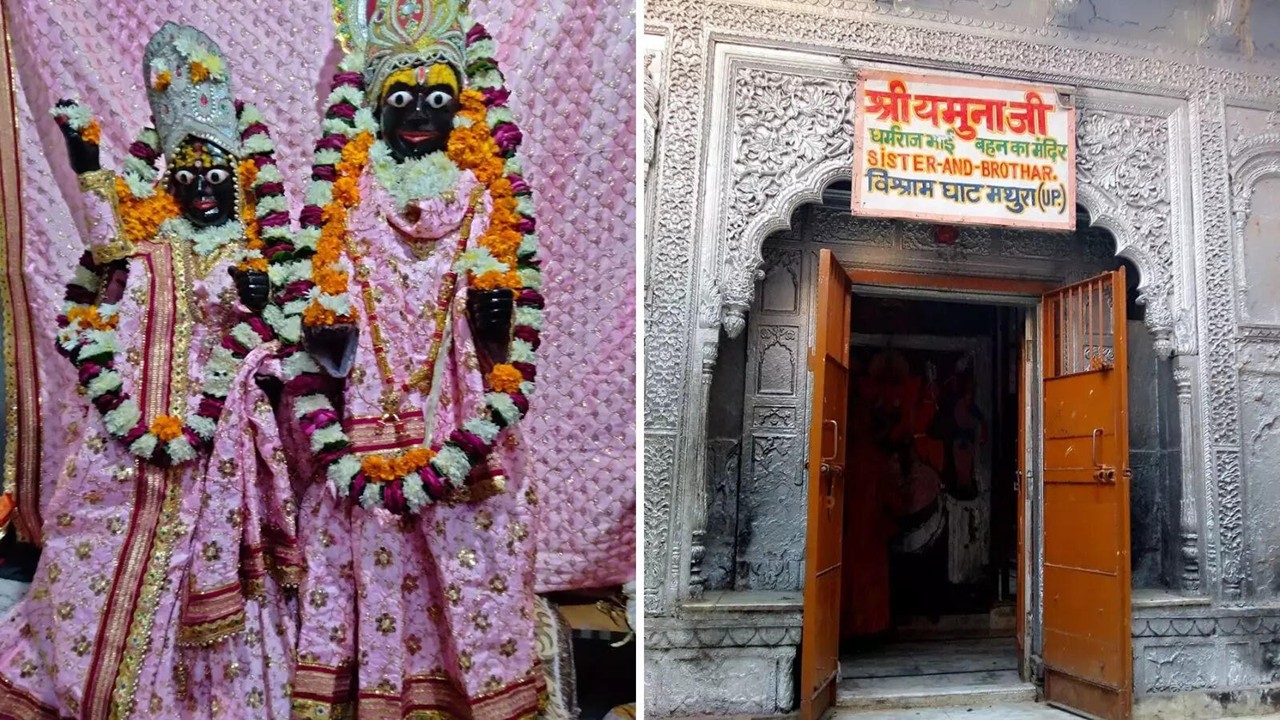
Yam Yamuna Temple, also known as the Sri Yamuna Dharmaraj Temple, is one of the ancient temples situated at the sacred Vishram Ghat on the banks of the holy River Yamuna in the Mathura district of Uttar Pradesh.
Dedicated to Lord Yamraj and Goddess Yamuna, the temple is closely associated with the festivals of Bhai Dooj (Yama Dwitiya). According to tradition, Lord Yamraj and Goddess Yamuna are the children of Lord Surya Narayana and Goddess Sangya.
The temple beautifully symbolizes the sacred bond between a brother Yama and sister Yamuna. Here, devotees worship Lord Yamraj, the God of Death and Justice, along with his divine sister, Goddess Yamuna.
Lord Surya Narayana and his wife, Goddess Sangya, were blessed with two children—a son named Yamraj and a daughter named Yamuna. The love and affection shared between the siblings were so profound that their bond was considered stronger than the mightiest mountains. They deeply loved, respected, and cared for one another.
Goddess Yamuna repeatedly invited her brother to visit her heavenly abode. However, owing to his responsibilities as the ruler of death and justice, Lord Yamraj could not accept her invitation for a long time.
Finally, on the auspicious day of Karthika Shukla Dwitiya, Lord Yamraj decided to take a break from his divine duties and visit his beloved sister.
As Lord Yamraj set out to visit his beloved sister, Goddess Yamuna, he performed a remarkable act of compassion. Before leaving, he opened the gates of Naraka (hell) and liberated many souls from their suffering. This extraordinary gesture reflected that, despite being the Lord of Death and Justice, Yamraj was also the embodiment of mercy, kindness, and divine compassion.
Overjoyed by her brother’s arrival, Goddess Yamuna welcomed him with immense love and reverence. She prepared a grand feast with a variety of delicious dishes, lovingly served him, and applied a sacred tilak on his forehead as a mark of affection, respect, and blessings.
Pleased with his sister’s warmth, devotion, and heartfelt hospitality, Lord Yamraj offered to grant her a boon.
Goddess Yamuna had no material desires. After reflecting for a moment, she smiled and said, “Dear Brother, if you truly wish to grant me a boon, promise that you will visit me every year on this auspicious day. Also, bless every brother who visits his sister on this day and every sister who welcomes her brother by applying a sacred tilak on his forehead. May they never have to fear your wrath.”
Yamaraj touched by her hospitality, bestowed one more boon. Those brother and sisters, who take a holy dip in the sacred waters of the Yamuna River, shall not be affected from my wrath and all their sins will be vanished.
Thus, this day was celebrated as the Bhai Dhooj, the unbreakable bond between brothers and sisters, that still exists even though they are far apart.
Bhaiya-Bahini Temple
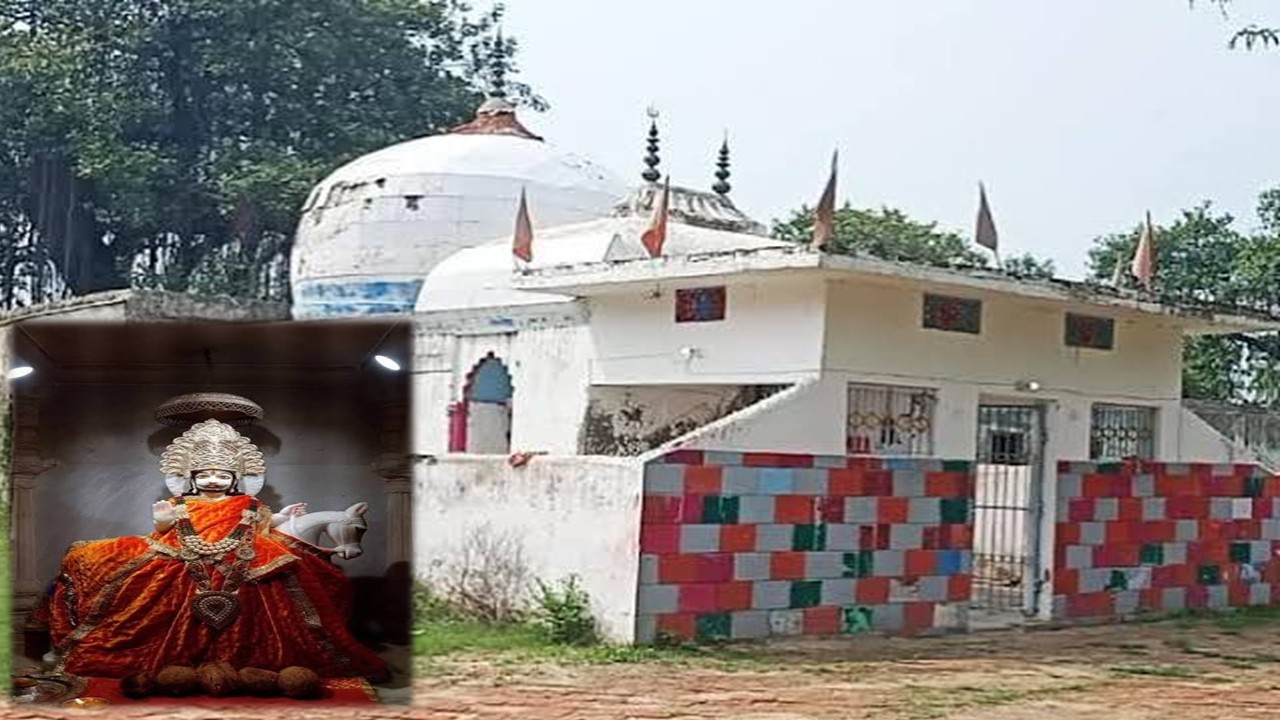
Bhaiya-Bahini Temple, located in Bhikhabandh village in the Siwan district of Bihar, beautifully symbolizes the timeless bond of love, sacrifice, and protection of brother and caring of sister. The sacred sibling duo is represented by two magnificent banyan trees that stand intertwined, signifying their eternal relationship. Inside the temple, there are no deities or images of any god. Instead, devotees worship a sacred earthen mound (pind), which represents the divine brother-sister pair.
According to local folklore, this sacred site is associated with a moving incident from the 17th century during the Mughal era. A brother was escorting his sister from her in-laws’ home when they were confronted by Mughal soldiers. The soldiers attempted to harass the young woman, but her brother courageously stood against them to protect her. Despite his valiant efforts, he was fatally wounded in the struggle.
Heartbroken and helpless, the sister prayed fervently to the God for protection and to preserve her honour. Moved by her sincere devotion, the earth miraculously split open, and both the brother and sister disappeared into it. It is believed that the two banyan trees later emerged at that very spot, forever commemorating their unbreakable bond and supreme sacrifice. Since then, the place has been revered as the Bhaiya-Bahini Temple, where devotees seek blessings for the well-being, longevity, and enduring love between siblings.
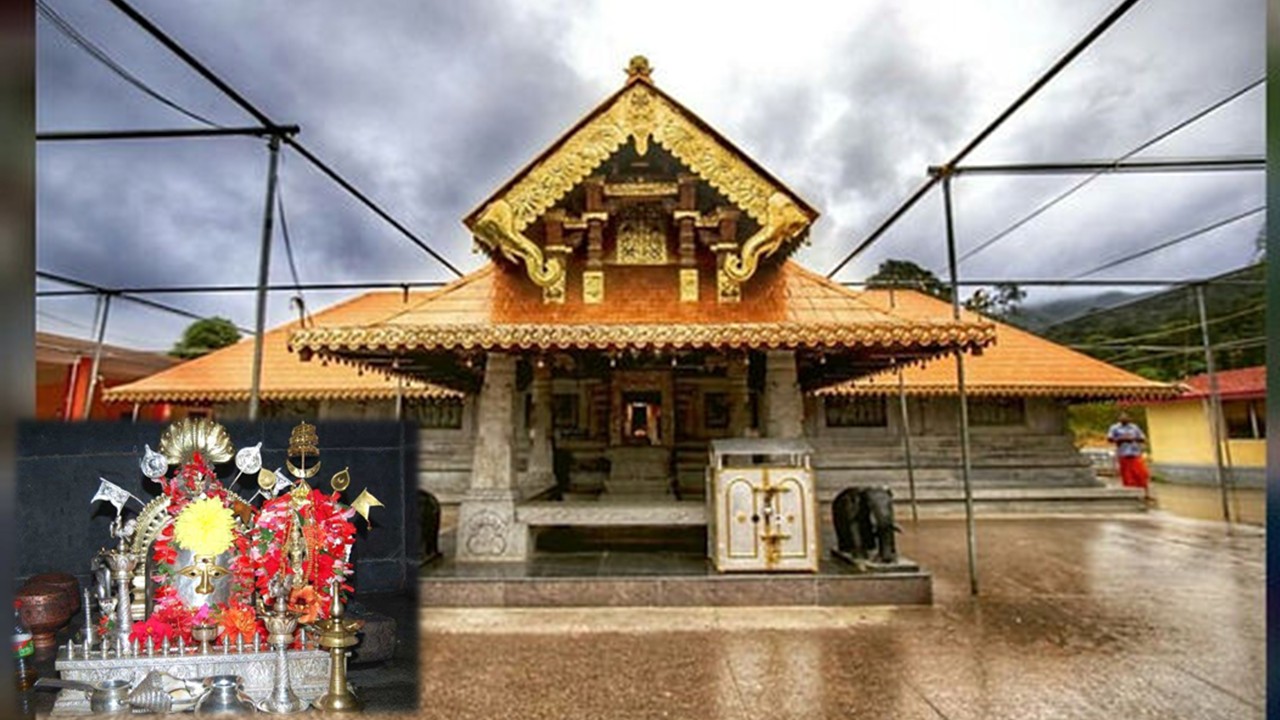
Padi Sri Igguthappa Temple
Padi Sri Igguthappa Temple is nestled amidst the lush forests of Kakkabe in Kodagu district, Karnataka. The temple is associated with the Kodava legend of seven celestial siblings—six brothers and one sister.
According to local folklore, the divine siblings first arrived on the Malabar coast. Three of the elder brothers settled in present-day Kannur, Kerala, where they are worshipped in local temples. The fourth brother, Sri Igguthappa, regarded as an incarnation of Lord Subramanya, journeyed to Kodagu and established his abode at Padi Nadu, where the revered Padi Sri Igguthappa Temple was later built. Today, Lord Igguthappa is one of the most revered deities among the Kodava community and is worshipped as the guardian of agriculture, prosperity, and the people of Kodagu.
The only sister, Thangamma, is worshipped by the Kodava community as Ponnangala Thamme (Ponnangalatamme). Her temple is located at Yavakapadi village near Kakkabe in Kodagu, where devotees seek her blessings for protection, family well-being, and harmony. Together, the temples of Sri Igguthappa and Ponnangala Thamme preserve the sacred tradition of the divine brother-sister bond that has been cherished by the Kodava people for generations.
Although Raksha Bandhan is not traditionally celebrated at Padi Sri Igguthappa Temple, the temple beautifully embodies the festival’s core values of love, protection, duty, and lifelong companionship between siblings.
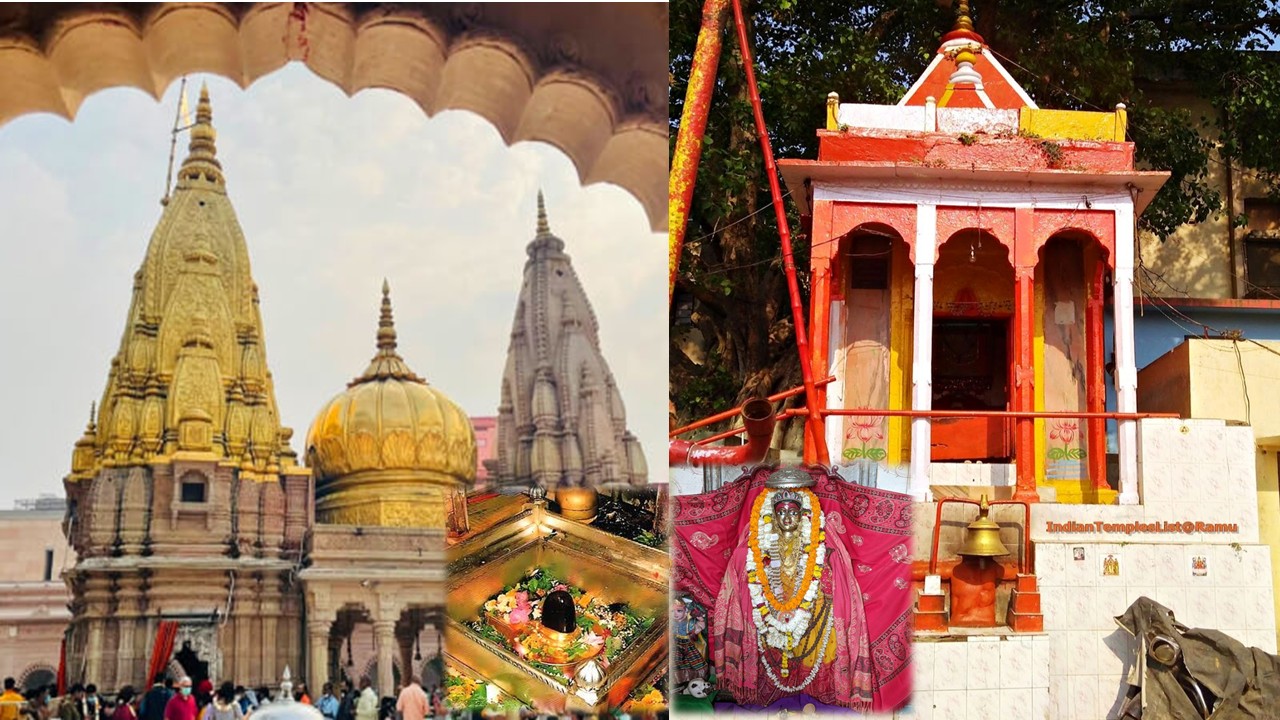
Kashi Vishwanatha Temple and Kawadi Mata Temple
The brother-sister relationship between Lord Kashi Vishwanath and Kaudi Mata is rooted in the local folklore and oral traditions of Varanasi. Although this legend is not mentioned in the major Puranas or other ancient scriptures, it has been passed down through generations and continues to be deeply revered by the local community. Many devotees believe that a pilgrimage to Kashi Vishwanath is spiritually complete only after seeking the darshan of Kaudi Mata. Today, the Kaudi Mata Temple remains one of the lesser known yet spiritually significant temple in Kashi.
The folklore narrates that Kaudi Mata once visited Kashi, the eternal city of Lord Shiva. Enchanted by its divine atmosphere, she decided to make the sacred city her abode. One day, the shadow of a woman belonging to a lower caste accidentally fell upon her. Believing herself to have been ritually defiled, Kaudi Mata immediately went to the holy River Ganga to purify herself through a sacred bath.
This act displeased Goddess Annapurneshwari, who regarded all devotees as equal in Kashi regardless of their caste or social status. She cursed Kaudi Mata for discriminating among her devotees and declared that everyone who came to Kashi deserved equal respect. As a result, Annapurneshwari cursed Kaudi Mata that she would henceforth be worshipped in a locality inhabited by the marginalized sections of society, and that cowrie shells (kaudi) would become the principal offering made to her.
Deeply saddened by the curse, Kaudi Mata approached Lord Kashi Vishwanath, narrated her plight, and sought his compassion. Lord Shiva patiently listened to her and explained that the curse pronounced by Goddess Annapurneshwari could not be revoked. However, to console and honour her, he granted her a divine boon. He declared that he would regard Kaudi Mata as his elder sister, and that the spiritual merit of a pilgrimage to Kashi would be considered complete only after devotees had her darshan.
Even today, devotees visit the Kaudi Mata Temple after offering prayers at Kashi Vishwanath. As part of a unique tradition, they offer five cowrie shells (kaudi) to the goddess. According to local belief, Kaudi Mata accepts four of the cowries, while the fifth is symbolically accepted by Lord Kashi Vishwanath, signifying the inseparable bond between the divine brother and sister and the completion of the sacred pilgrimage.
This beautiful local tradition continues to remind devotees that humility, equality, compassion, and familial affection are integral to the spiritual heritage of Kashi.
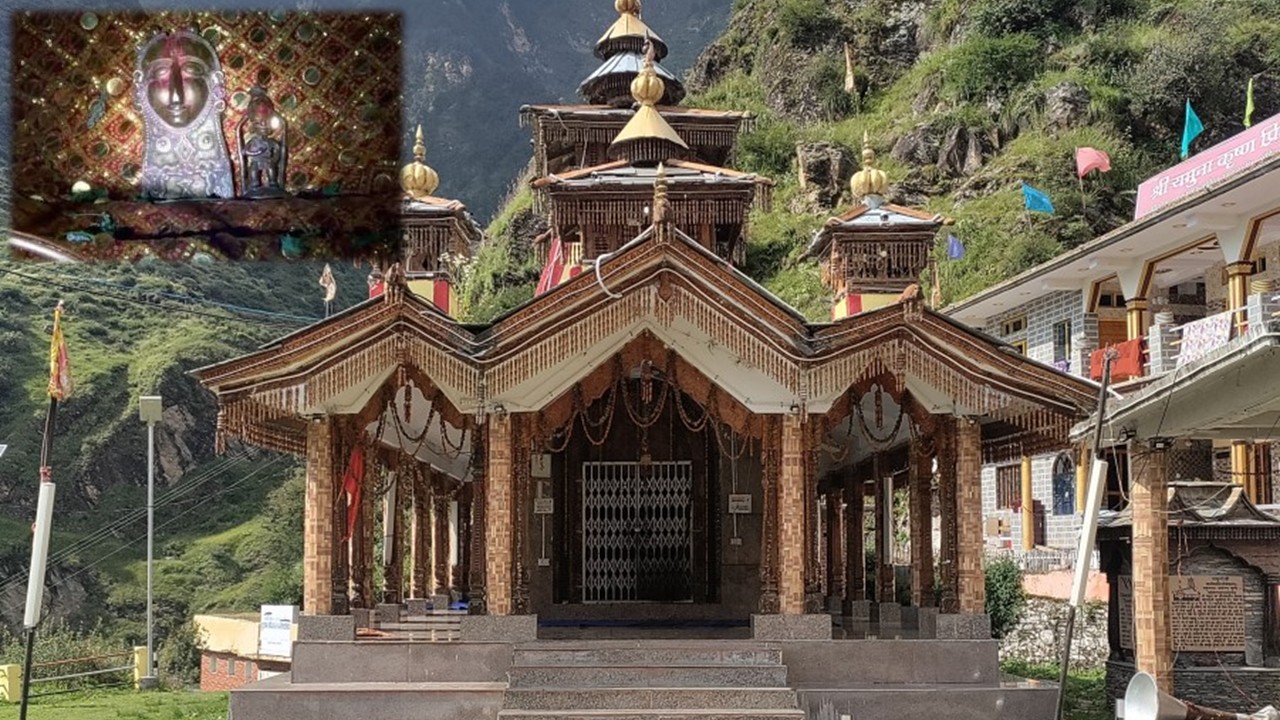
Shani Temple, Kharsali – Lord Shani and Goddess Yamuna
Shani Dev Temple at Kharsali, near Yamunotri in Uttarakhand, celebrates one of the most revered divine sibling relationships in Sanatana Dharma. According to the Puranas, Lord Shani and Goddess Yamuna are the children of Surya Deva.
While Lord Shani became the divine dispenser of justice, rewarding or punishing beings according to their karma, Goddess Yamuna descended to Earth as the sacred river that purifies devotees of their sins. Their respective duties kept them apart for long periods, but the affection between the siblings remained unbroken.
Local tradition holds that when the Yamunotri Temple closes during winter due to heavy snowfall, the deity of Goddess Yamuna is ceremonially brought to Kharsali, where she resides in the Shani Temple until the temple at Yamunotri reopens. This annual tradition symbolizes a sister returning to her brother’s home, making the temple a living representation of the sacred brother-sister bond.
The story of Shani and Yamuna also inspires the celebration of Bhai Dooj (Yama Dwitiya), when brothers and sisters pray for each other’s well-being and lifelong protection.
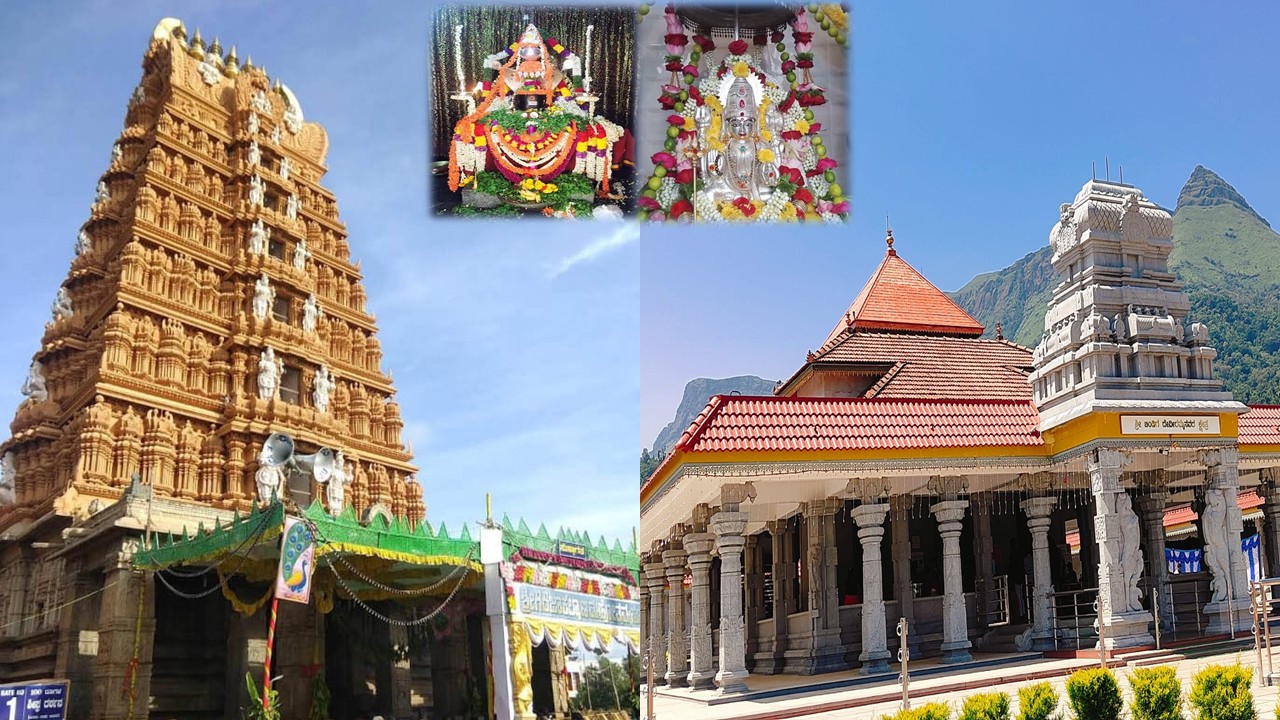
Nanjundeshwara Temple and Devirammana – A Cherished Local Tradition
The relationship between Sri Nanjundeshwara (Lord Shiva) of Nanjangud and Goddess Deviramma is preserved through the oral traditions of the Mysuru region. According to local folklore, Devirammana is revered as the younger sister of Lord Nanjundeshwara.
According to the local folklore, once Lord Nanjundeshwara invited all his sisters to Nanjangud for a grand feast. He personally arranged and prepared a variety of delicious dishes to welcome them with great affection. However, while serving his younger sister, Deviramma, there was a shortage of avarekalu (hyacinth beans), which was one of her favorite dishes. Feeling disappointed and insulted, Deviramma became upset and decided to leave.
Realizing her distress, Lord Nanjundeshwara stopped his sister and lovingly pleaded with her not to leave. To console her, he promised that she would receive greater honour in Nanjangud. Keeping his word, a temple was established in her honour, and the village came to be known as Devirammanahalli.
Lord Nanjundeshwara further declared that the first puja in the village would always be offered to Goddess Deviramma, and that her annual jatre (fair) would be. He also promised to send Bagina, the traditional offering presented with love and respect, to his sister every year as a symbol of their eternal bond.
Devotees still believe it is Deviramma who protects the devotees of her brother, Nanjundeshwar.
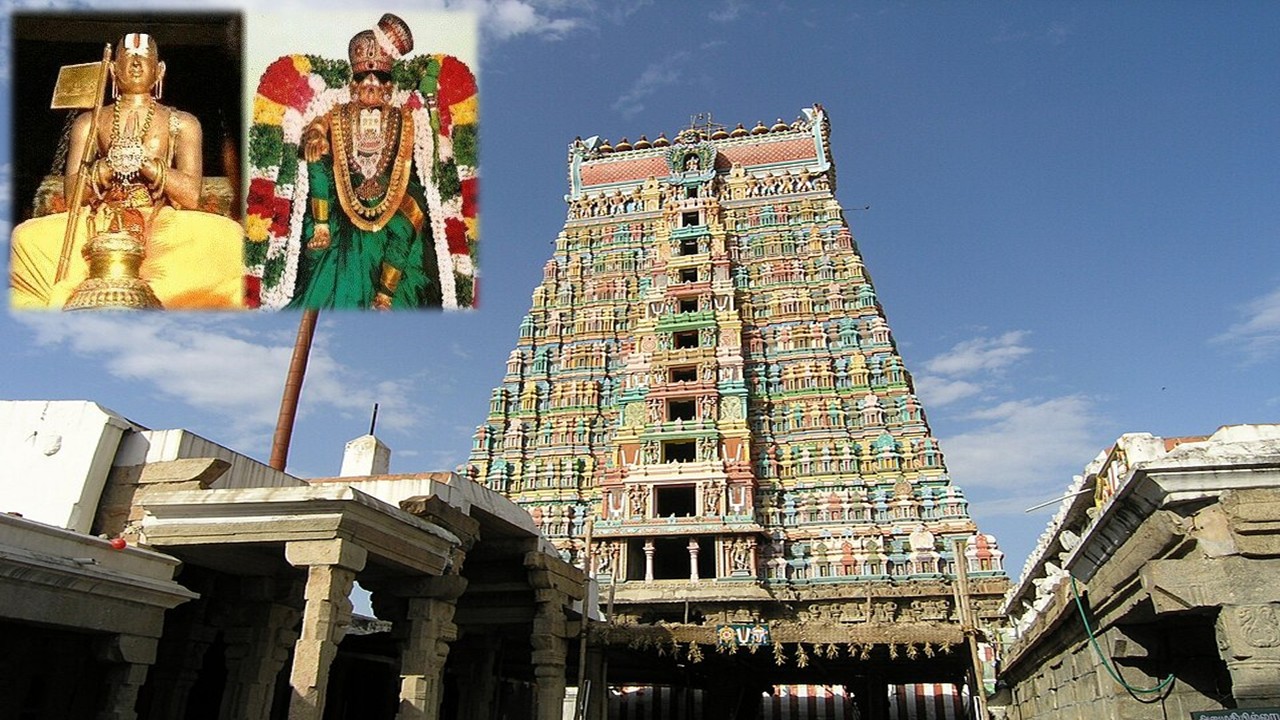
Srivilliputhur Andal Temple: Why Sri Andal Called Ramanujacharya Her Elder Brother
Sri Andal and Sri Ramanujacharya share a unique and sacred brother-sister bond in the Sri Vaishnava tradition. Sri Andal, also known as Goda Devi or Nachiyar, had expressed a heartfelt desire to offer 100 pots of butter and 100 pots of Akkaravadisal to Lord Sundararaja Perumal at Azhagar Kovil. However, before she could fulfill this vow, she attained divine union with Lord Sri Ranganatha at the Srirangam Ranganathaswamy Temple.
Centuries later, while studying the verses of Nachiyar Tirumozhi, Sri Ramanujacharya came across Andal’s unfulfilled wish. Deeply moved by her devotion, he resolved to fulfill the vow on her behalf. He personally arranged the offering of 100 pots of butter and 100 pots of Akkaravadisal to Lord Sundararaja Perumal at Azhagar Kovil.
According to Sri Vaishnava tradition, when Sri Ramanujacharya later visited the Srivilliputhur Andal Temple, a divine voice of Andal affectionately addressed him as “Anna,” the Tamil word for elder brother. From that day onward, Sri Ramanujacharya came to be revered as Andal’s elder brother, symbolizing their eternal spiritual bond and his unwavering devotion to fulfilling her divine wish.
The temples of brother-sister across Bharat stand as living testimonies to the eternal values of love, protection, sacrifice, and devotion, inspiring devotees to cherish this sacred bond for generations to come.


Leave a Reply