
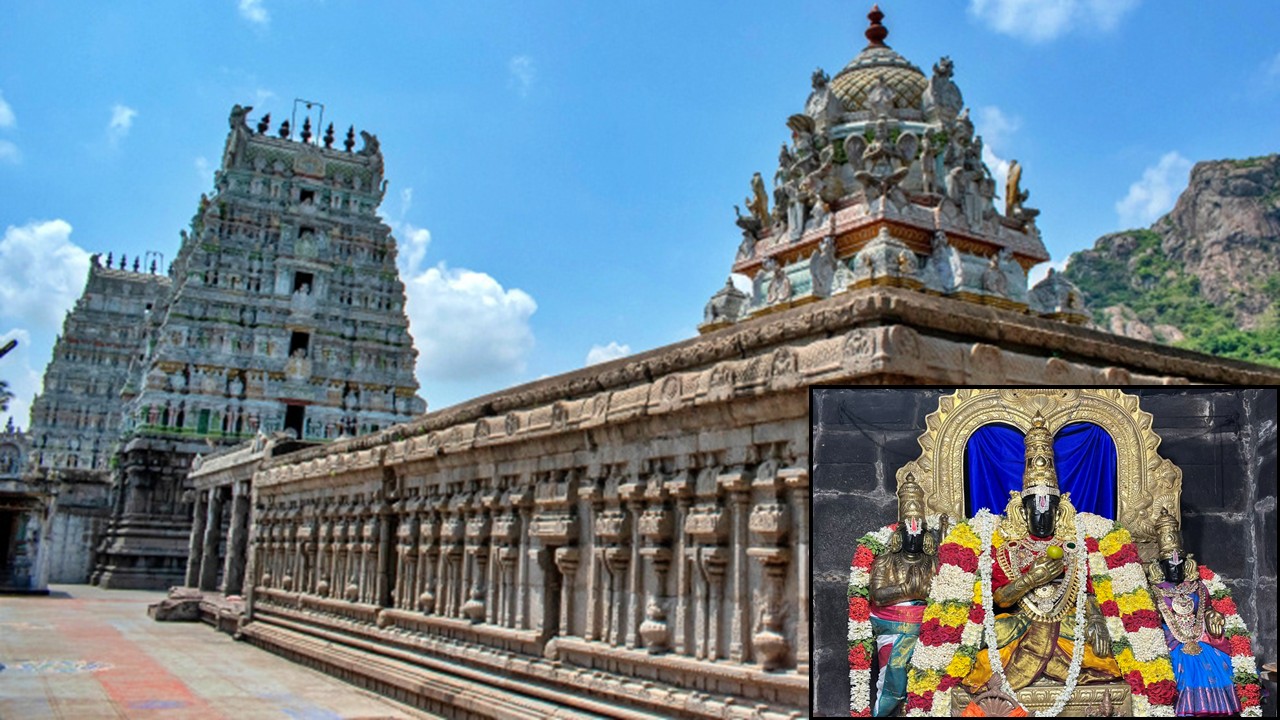
Unlike the other temples, where Lord Sri Rama is worshiped in a warrior form, holding a bow and arrow. This is the only temple where Lord Sri Rama is seen in a calm, meditative state.
This punya kshetras is beautifully nestled in the serene village of Nedungunam in the district of Tiruvannamalai, Tamil Nadu.
It is the largest Vaishnava temple in the Tiruvannamalai district, where Lord Sri Rama is worshipped as Yoga Rama, while Goddess Lakshmi Devi is worshipped as Sengamalavalli Thayar.
It is a spiritually profound temple, where Lord Sri Rama is worshiped as the embodiment of peace, yogic meditation, and divine wisdom.
Deities Worshipped in the Sanctum of Sri Yoga Ramar Temple
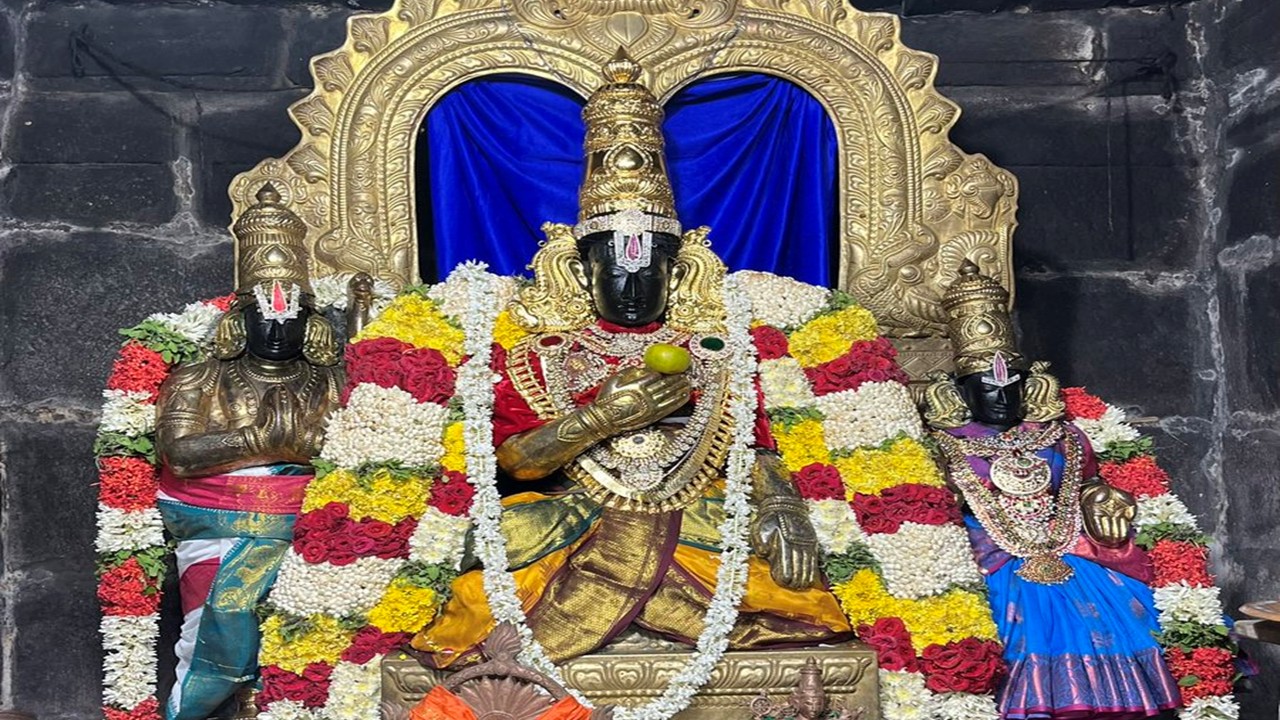
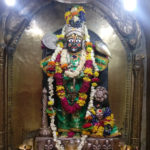
Lord Sri Ramachandra, in His seated posture, holds the chin mudra in His right hand and places it near the chest. Towards the left side, there is Sita Devi holding Kamala, or a lotus flower, in her right hand, while her left hand is pointing towards the feet of Lord Sri Rama. This symbolically indicated that everyone should take shelter under the abode of Bhakta Vatsala Lord Sri Rama. It is the only way to attain Mukti, by completely surrendering at His lotus feet.
Towards the right side, there is Lord Lakshmana standing with folded hands, showing complete devotion and honor to Lord Sri Rama.
Lord Hanuman is seen seated obediently in front of Lord Sri Rama, offering his service. Vayu Putra Hanuman chants Vedas to the Lord.
Sthala Purana of Sri Yoga Ramar Temple
Sage Sukha Brahma was believed to possess the mystical power to assume different forms. On one occasion, he transformed himself into a parrot and flew to Mount Kailash to secretly listen to the sacred teachings that Lord Shiva was imparting to Goddess Parvati. When Parvati discovered this, she cursed him to remain a parrot forever. However, Lord Shiva later softened the curse by granting him a human body while retaining the face of a parrot.
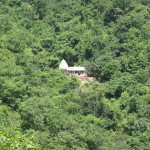
It is believed that the hill located opposite the temple reflects this legend. When viewed from a particular angle, the hill appears to resemble a human face with features similar to that of a parrot, symbolically representing Sage Sukha Brahma. At the top of this hill, there is a sacred footprint that belongs to Lord Sri Rama.
According to another legend, Sage Shuka performed severe tapasya to have the darshan of Lord Sri Rama. Pleased by his devotion, Lord Rama, who was returning to Ayodhya after the war with Ravana, stopped at this place and blessed the sage with his divine presence. During this time, the sage handed palm-leaf manuscripts to Lord Hanuman and requested him to recite them. As Hanuman began reading the sacred script, he realized that it contained the profound teachings of the Brahma Sutras. Lord Rama then assumed the role of a guru, explaining the meaning of the text while seated in the Chin Mudra posture. In this sacred moment, Hanuman became the disciple and received spiritual wisdom directly from Lord Rama.
Architecture of Sri Yoga Ramar Temple
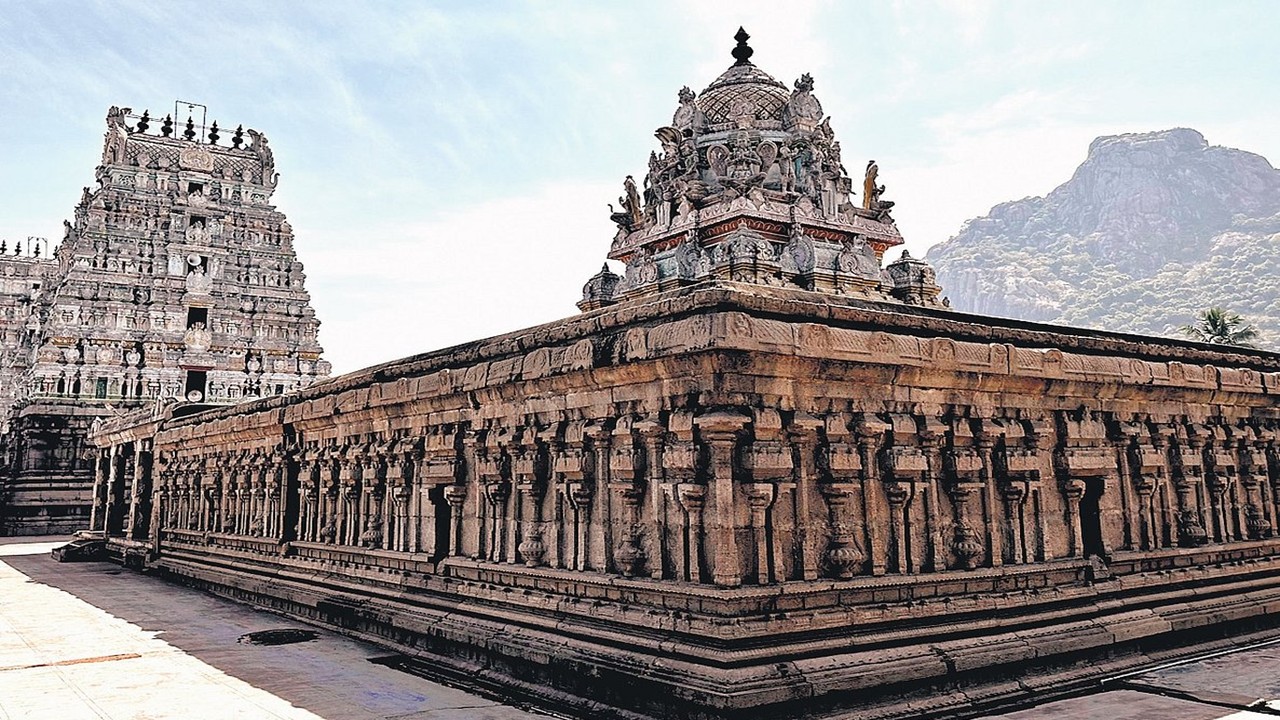
This magnificent temple showcases the remarkable craftsmanship of the Pallava and Vijayanagara architectural styles. The temple was originally built by the Pallavas during the 6th century. Later, in the 16th century, the rulers of the Vijayanagara Empire significantly expanded and enhanced the temple through major contributions and renovations.
Among them, the renowned king Krishnadevaraya of the Vijayanagara Empire played an important role in supporting and developing the temple.
The temple walls are adorned with exquisite carvings that beautifully illustrate episodes from the sacred epic Ramayana as well as the ten divine incarnations of Vishnu, known as the Dashavatara. These intricate sculptures reflect the artistic excellence and deep devotional spirit of the period.
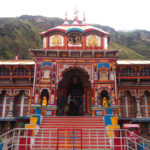
The east-facing temple showcases two tall gopurams on the eastern side—a 105 ft, 5-tiered Raja Gopuram and a 65 ft Kili Gopuram. The temple complex also includes two prakarams.
Raja Gopuram serves as the entrance to the outer prakaram, whereas the Kili Gopuram provides entry to the inner prakaram. Kili Gopuram is constructed in memory of Sage Shuka Brahman.
Sengamalavalli Thayar is located in the south-west corner of the outer prakaram of the temple. There is a pond inside the temple complex known as Shuka Tirtha or Surya Tirtha.
The pillars in the mantapams of the inner prakaram are adorned with Yali carvings. These sacred figures depict a composite form with the head of an elephant, the body of a lion, a long elephant-like trunk, large sharp teeth, curved horns, and a serpent-like tail.
Opposite the temple stands a hill known as Dheerkachala Hill, which resembles the face of a parrot and the body of a human. The hill is believed to represent Shuka Brahman.
Festivals and Ritual Celebrations
Panguni Brahmotsavam: This is a 10-day festival where Lord Sri Rama is taken on the processional ride in different vehicles. It is celebrated in the Tamil Panguni month (March-April).
Kaanum Pongal: It is celebrated on the next day after the Pongal festival, where Utsava murtis are taken in procession around the hill.
Darshan Timings of Sri Yoga Ramar Temple
Best Time to Visit Sri Yoga Ramar Temple
During the summer, the weather is very hot, making it extremely difficult for temple visits. Also, a monsoon can also be avoided, since this place experiences heavy rainfall.
Nearby Places to Visit
Sathanur Dam: It is among the largest dams in Tamil Nadu and is built across the Thenpennai River. It is a popular tourist destination known for its scenic surroundings, landscaped gardens, and a well-known crocodile farm. Visitors often come here to enjoy nature, relax in the park, and take in the picturesque views of the reservoir.
How to Reach Sri Yoga Ramar Temple
Another nearest airport is Puducherry Airport, which is about 86 km away from the Sri Yoga Rama Temple. From Puducherry, devotees can travel by bus, taxi, or private vehicle via Tindivanam and Gingee to reach the temple.
By Railway: Madimangalam Railway Station is the nearest railway station to reach Sri Yoga Ramar Temple, which is 35 km away.
By Road: Chetpet Bus Stand is the nearest bus stand, which is 4.6 km away.
Leave a Reply