
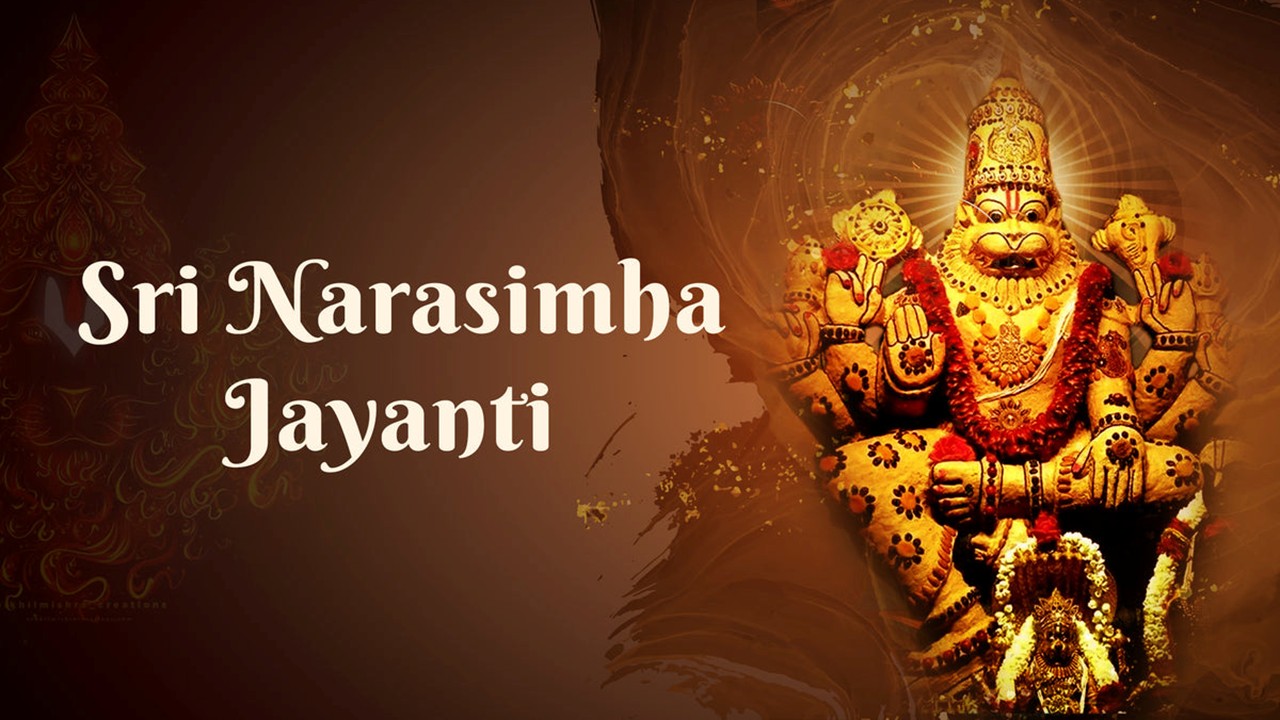
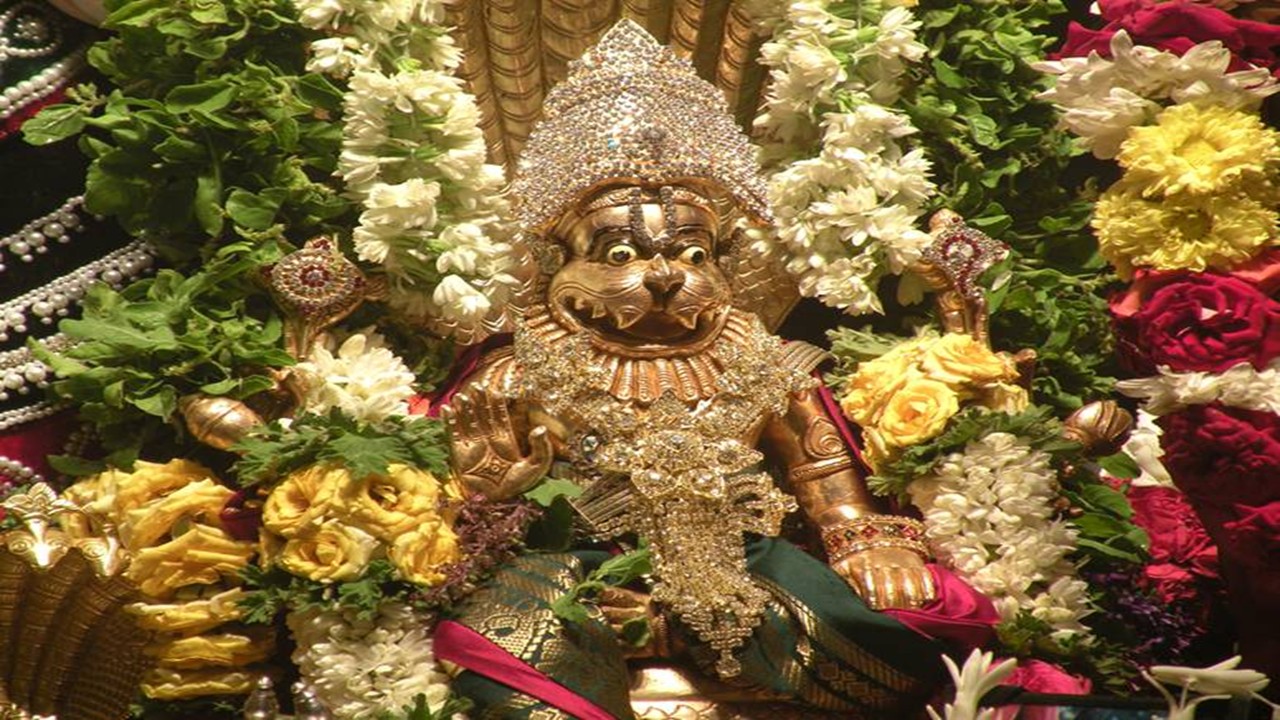
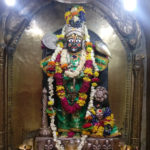
The day commemorates the powerful manifestation of Lord Narasimha in a unique half-man, half-lion form to protect his devoted follower Prahlada and to destroy the tyrannical demon king Hiranyakashipu. This divine event symbolizes the eternal triumph of righteousness over evil and reinforces the belief that God always protects true devotees.
On this auspicious day, devotees observe fasting (vrat) and engage in various spiritual practices. Special pujas and abhishekams are performed in temples and homes, along with chanting sacred hymns such as the Narasimha Kavacham and reciting stories from the Puranas. Many temples organize processions and elaborate evening rituals to mark the exact time of the Lord’s appearance. Devotees usually break their fast after sunset or after the main puja.
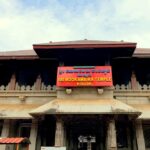
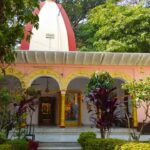
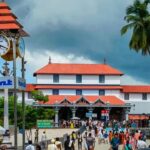
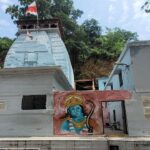
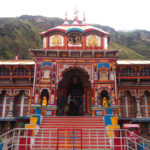
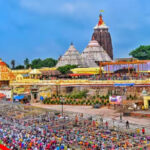
Prominent temples where Narasimha Jayanti is celebrated with great devotion include Ahobilam Narasimha Swamy Temple, Simhachalam Temple, and Mangalagiri Lakshmi Narasimha Temple in Andhra Pradesh; Yadagirigutta Temple and Dharmapuri Narasimha Swamy Temple in Telangana; Melukote Yoga Narasimha Temple and Devarayanadurga Lakshmi Narasimha Temple in Karnataka; and Sholingur Narasimha Temple and Namakkal Narasimha Temple in Tamil Nadu. Other important sites include Narsingh Temple and temples of ISKCON worldwide.
Spiritually, Lord Narasimha represents courage, protection, and unwavering faith. Worshipping Him is believed to remove fear, overcome obstacles, and guard against negative influences, inspiring devotees to remain steadfast and devoted like Prahlada.

Leave a Reply