
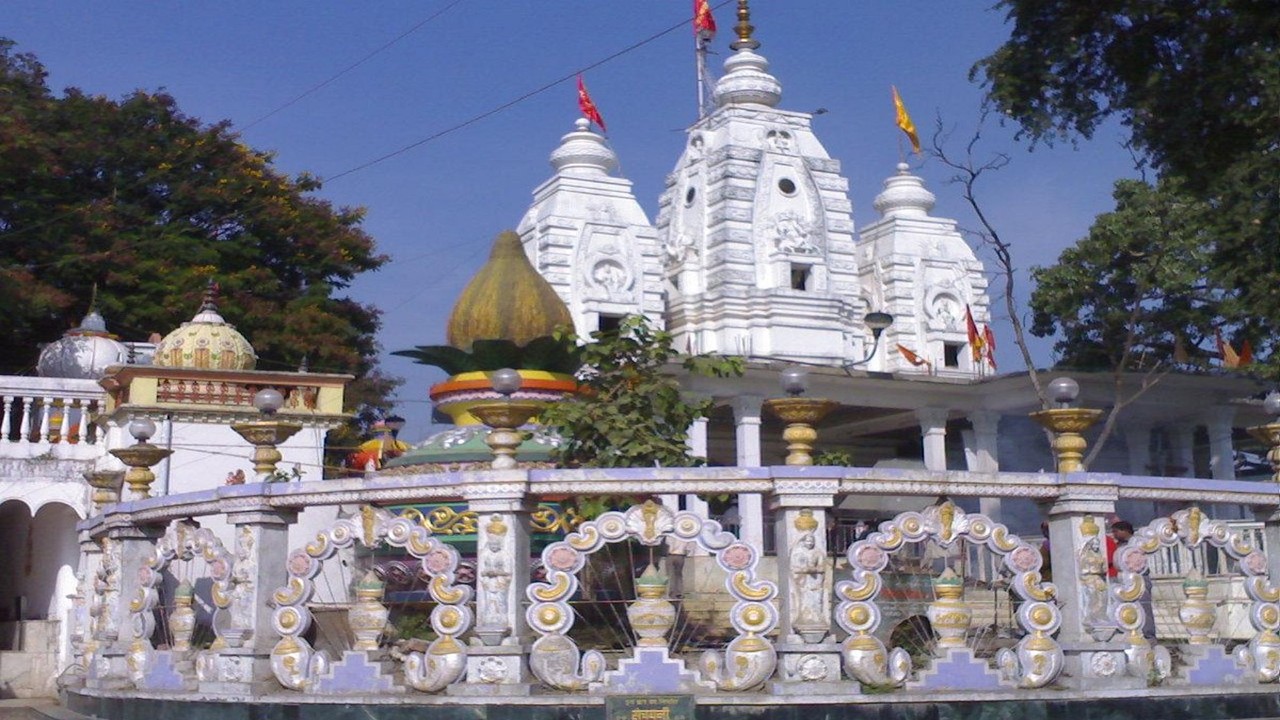
Khajrana Ganesh Temple is one of Bharat’s most revered Ganpati temples, located in Indore, Madhya Pradesh. This temple of Sri Ganesh is widely known for fulfilling devotees wishes and attracts thousands of devotees every day.
History of Khajrana Ganesh Temple
In the 18th century CE, during the rule of the Mleccha king Aurangzeb in Bharath. Many temples were destroyed, and many revered temple deities were shifted due to repeated attacks by these Mleccha kings. Even this temple of Sri Ganesha was about to be attacked, but the temple priest and devotees came to know about the incident, and they concealed the deity of Sri Ganesha out of love and concern in the deep well in that village of Khajrana, so that the deity would not be damaged or touched by any Mleccha.
For many years, Sri Ganesh’s deity remained hidden, away from anyone’s notice and very safe. So, as time passed, the location of the deity was not shared with anyone, and it was completely forgotten. Though everyone forgot about Sri Ganesha, he remembered his devotees and never abandoned them.
As a result, on one night, a pious and renowned priest, Pandit Mangal Bhatt, received a divine vision in his dream, Sri Ganesha appeared before him, revealed where he was hidden by the previous priest, and told him to recover the deity from the well. So that devotees could again receive Sri Ganesha’s blessing.
The priest informed Maharani Ahilyabai Holkar of this miraculous dream, a great ruler who was well known for patronage and devotion towards Santana. Recognising the sacred revelation, the queen ordered that the well be dug. To everyone’s surprise, the deity of Sri Ganesha was found in the same location as it was indicated in the dream.
Maharani Ahilyabai Holkar, out of joy and devotion, installed the deity with Vedic rituals and constructed a temple in the year 1735 CE. Thereafter, Sri Ganesha became the guardian deity of this kshetra, blessing the sincere and faithful devotees who visited the temple.
This temple is also considered a Manokamna Siddha Kshetra of Sri Ganpati. As Sri Ganesha chose to reveal this presence through a dream, he listens to every prayer of the devotees who come to worship him at this Khajrana kshetra. Countless devotees have claimed that their prayers were answered, generation after generation, which shows that this is Manokamna Siddha Ganapati Kshetra.
Architecture of Khajrana Ganesha temple
The Khajrana Ganesha temple blends Maratha and later North Indian temple elements, with later modern renovations. Originally, the temple was established by Maharani Ahilyabai Holkar in the year 1735 of the Christian Era (CE).
The temple has a beautiful design around the Garbha Griha, where Sri Khajrana Ganapati is seated, and over time the temple expanded with additional halls, courtyards, entrances, and small subsidiary temples on the same premises.
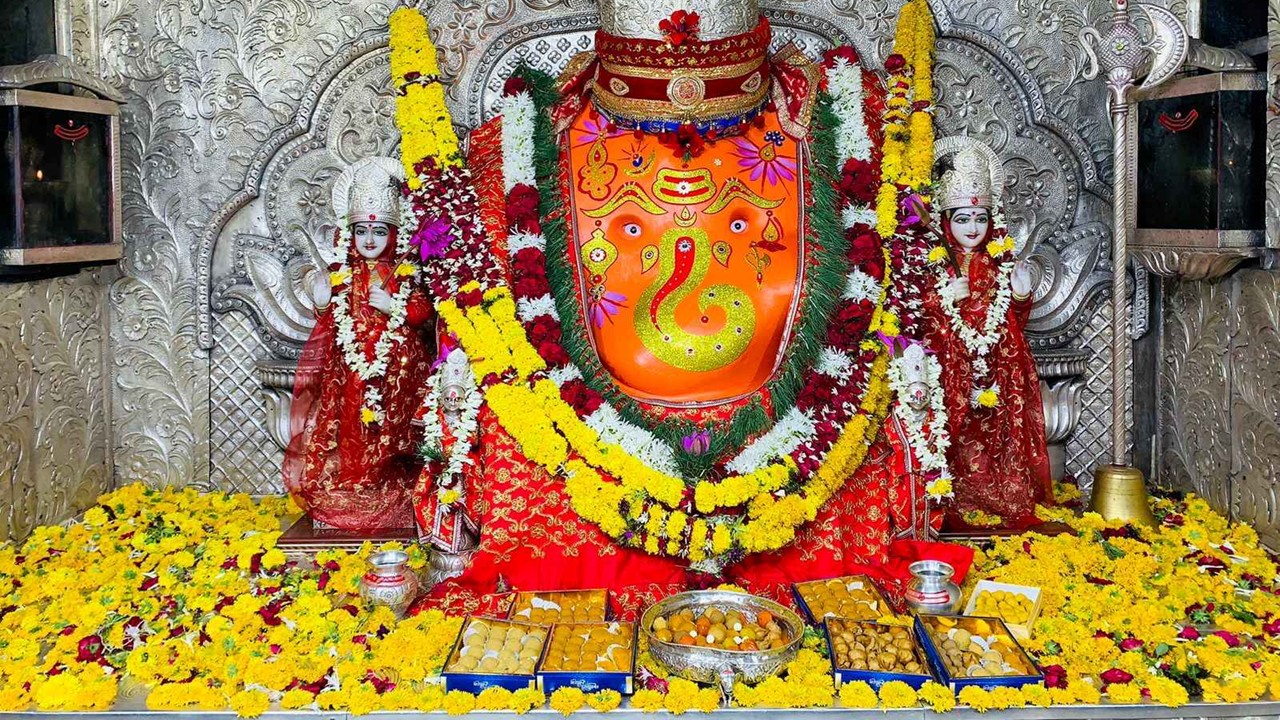
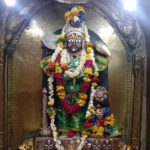
The Garbha Griha is at the heart of the temple, where Sri Khajrana Ganapati is wrapped in silver work, and the doors are plated with silver panels that show sacred patterns, flowers and devotional symbols. The walls around Sri Khajrana Ganapati sparkle with silver, making the whole area glow.
The deity of Sri Khajrana Ganapati wears fine silk clothes, precious jewellery, and a crown, and the eyes of Sri Khajrana Ganapati are set with diamonds that a devotee gave, giving Sri Khajrana Ganapati a caring look. There are courtyards, marble‑paved paths and queues that lead to Sri Khajrana Ganapati.
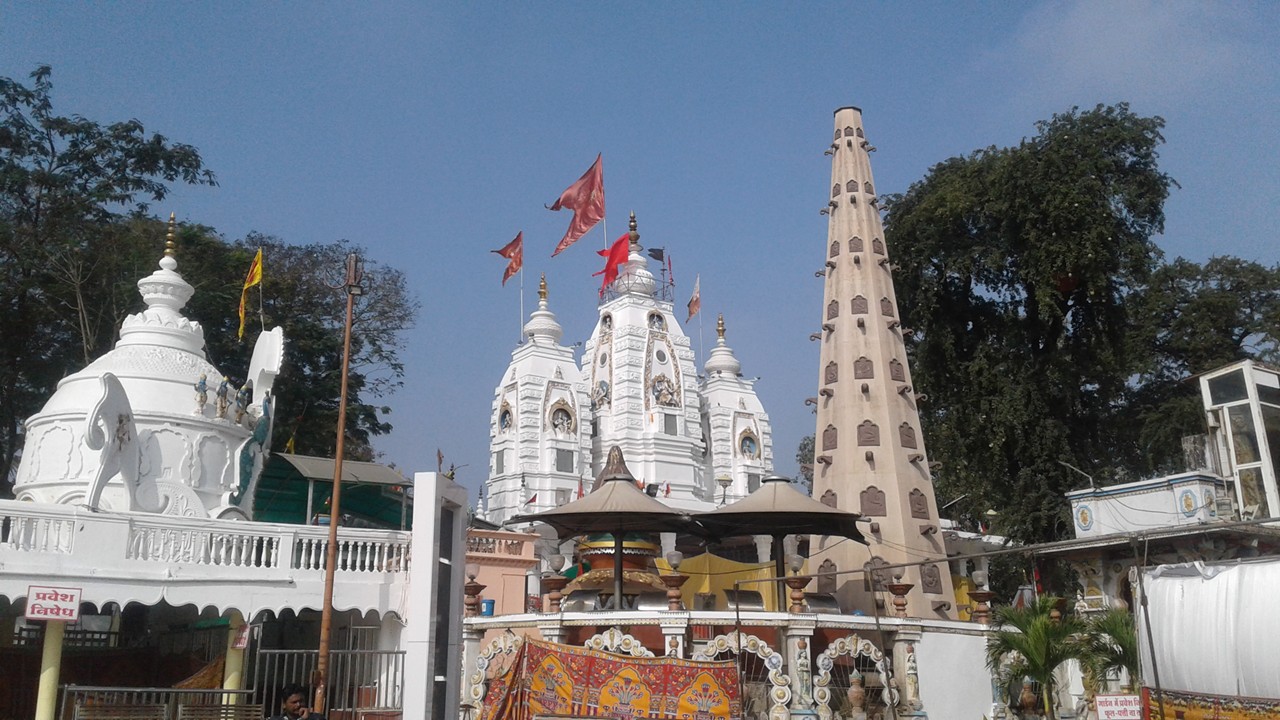
Above Sri Khajrana Ganapati is the temple’s Shikhara, built in the Nagara style that is common in Northern parts of Bharath. The Shikhara climbs in tiers, showing the idea that the devotee is climbing toward the divine. At the top of Sri Khajrana Ganapati’s Shikhara flies the temple flag, visible from far away, and it signals to pilgrims that they are near the shrine.
In front of Sri Khajrana Ganapati there is a Mandapa or prayer hall, where people gather to see Sri Khajrana Ganapati, sing bhajans, kirtans, celebrate festivals and perform daily aartis. The hall is big enough for people, especially on Wednesdays, Sankashti Chaturthi and Ganesh Chaturthi, when thousands of worshippers come to visit Sri Khajrana Ganapati.
Festivals celebrated at Sri Khajrana Ganapati
Ganesh Chaturthi: The grandest festival of Khajrana Temple, celebrated as the appearance day of Sri Ganesha with special Alankaram, abhishekam, and lakhs of devotees come to witness the form.
Sankashti Chaturthi: Monthly observance dedicated to Sri Ganesha for the removal of obstacles and fulfilment of wishes.
Angaraki Sankashti: The most auspicious Sankashti Chaturthi, occurring when it falls on a Tuesday and drawing massive crowds of devotees.
Til Chaturthi (Ganesh Jayanti): Celebrated with sesame-based offerings and special worship marking an important manifestation day of Sri Ganesha.
Weekly Wednesday Celebrations: Every Wednesday, special pujas and aartis are performed as the day is sacred to Sri Ganesha.
Deepavali: The temple is illuminated with thousands of lamps, and devotees worship Sri Ganesha for prosperity and auspiciousness.
Vedic New Year: Special prayers and darshans are conducted to seek Sri Ganapati’s blessings for the coming year.
Gregorian New Year: Thousands of devotees visit Khajrana Ganapati to begin the year with divine blessings.
Navaratri: The temple observes the nine nights of devotion with special prayers and cultural programs.
Major Hindu Festivals: Other important occasions in the Vedic calendar are celebrated with bhajans, kirtans, and special pujas throughout the year.
Best Time to Visit Sri Khajrana Ganapati Temple
The best time to visit Sri Khajrana Ganapati Temple is from October to March, when the weather in Indore remains pleasant. During these months, devotees can comfortably spend time in Darshan, participate in temple rituals, and explore other nearby spiritual and historical attractions in the city.
Darshan Timings of Sri Khajrana Ganapati Temple
Sri Khajrana Ganapati Temple is open daily from 5:00 AM to 12:00 Midnight.
There is no entry fee for darshan, making it freely accessible to all devotees.
Nearby places to visit
Khajrana Hanuman Temple – Located near the Ganesh Temple complex, this shrine is frequented by devotees seeking the blessings of Sri Hanuman after Ganapati darshan.
Gopal Mandir – Built by the Holkar rulers, this historic temple is dedicated to Sri Krishna and is renowned for its beautiful Maratha architecture.
Maa Vaishno Dham Temple – A popular temple complex inspired by the famous Vaishno Devi shrine, dedicated to Goddess Vaishno Devi and other deities.
Mahakaleshwar Jyotirlinga Temple, Ujjain – One of the twelve Jyotirlingas of Sri Shiva and among the holiest temples in India. Many pilgrims visit Mahakaleshwar immediately after Khajrana Ganapati darshan.
Annapurna Temple – Dedicated to Goddess Annapurna, the giver of nourishment and abundance, this temple is famous for its South Indian-style entrance and richly decorated shrine.
Bada Ganpati Temple – Home to one of the largest Ganesh idols in the world, this temple is another major Ganapati shrine in Indore and is highly revered by devotees.
Bijasen Tekri Temple – A hilltop temple dedicated to Goddess Bijasen Mata, offering panoramic views of Indore and attracting thousands of devotees during Navaratri.
Sri Sri Radha Govinda Temple (ISKCON Indore) – A beautiful temple dedicated to Sri Krishna and Radha, known for its grand aartis, kirtans, Bhagavad Gita classes, and serene devotional atmosphere. It is one of the most prominent Vaishnava temples in Central India.
How to Reach Sri Khajrana Ganapati Temple
The best way to plan is through Tirtha Yatra’s Ujjain Yatra package. This takes care of all the arrangements so that you can focus solely on the spiritual experience of the journey.
By Air: The nearest airport is Devi Ahilyabai Holkar International Airport, located approximately 10-12 km from the temple.
By Train: The nearest railway station is Indore Junction Railway Station, situated about 5-6 km from the temple. Indore is well connected to major cities across India through regular train services.
By Road: Indore has excellent road connectivity through national and state highways. Regular bus services operate from nearby cities such as Ujjain, Bhopal, Ahmedabad, Mumbai, and Nagpur.
0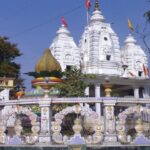
Leave a Reply