

The temple is considered one of the 18 Maha Shakti Peethas. In some Puranic texts, it is referred to by names such as Krouncha Pitha, as the region was known in ancient times as Krouncha Puri.
According to Purana, Mahishasura was a buffalo demon who had performed intense penance to please Lord Brahma. Pleased by his devotion, Lord Brahma granted him the boon that he could not be killed by any devatas, yaksha, kinnaras, gandharva, kimpurushas, and when asked what about women. He considered women to be very insignificant and said that he does not have any fear from women. Hence, Lord Brahma granted him boon to be not killed by anyone except women.
Empowered by this, he terrorized gods and humans and dominated heaven and earth.
Mahishasura was intoxicated by power; he disturbed the three worlds. He defeated devas, captured swargaloka (heaven), and spread fear among mortals. The devas and devatas became very powerless against his strength and wanted to defeat him. So, they sought the help of the supreme trinity, Lord Brahma, Lord Vishnu, and Lord Shiva. It was then they plotted a divine plan, leading to the creation of a supreme goddess.
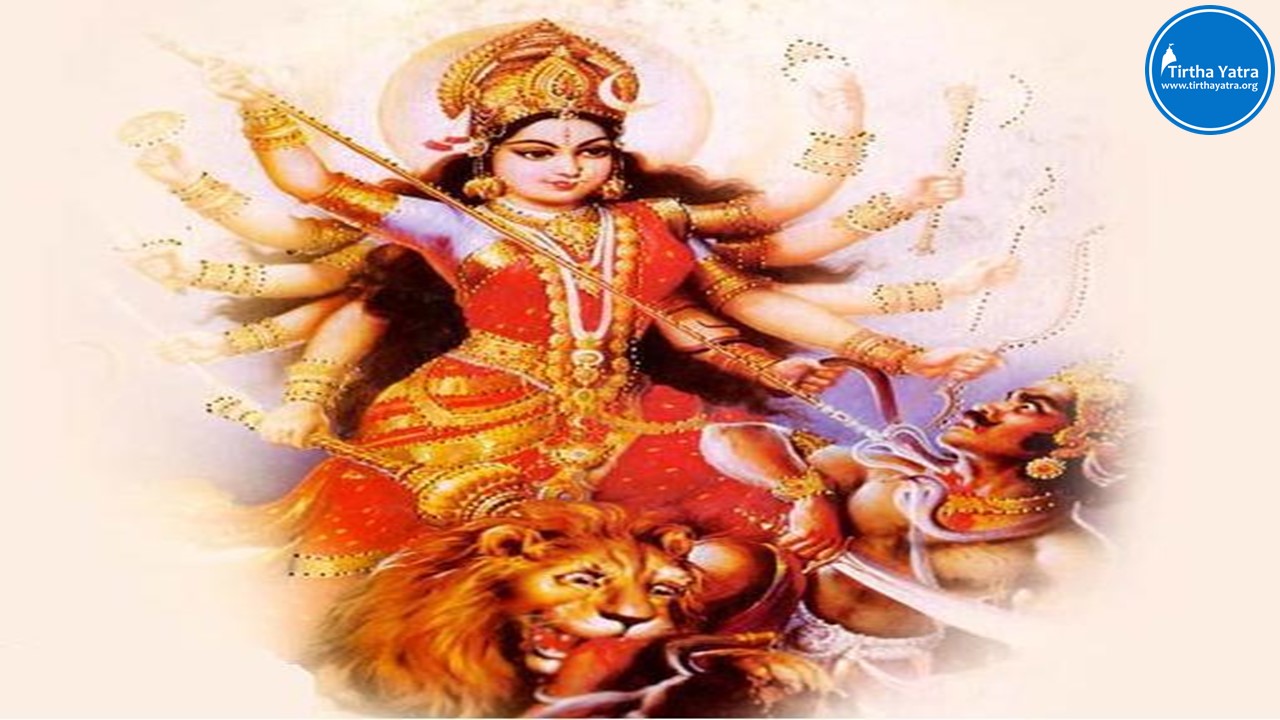
The gods, Lord Brahma, Lord Vishnu, Lord Mahadeva, and other gods, combined their powers to bring forth a brave warrior: Goddess Durga. Each deity offered her a divine weapon—Shiva gave a trident, Vishnu a discus, Varuna a conch, Agni a spear, marut a bow and arrow, and Indra a vajrayudham. Then she rode on a mighty lion. She is known as the personification of Shakti, the cosmic feminine force, radiant with intelligence, and incomparable strength. Her destiny was clear: to free creation from the terrible demon Mahishasura.
For nine nights and days, Durga Devi and Mahishasura clashed in a fierce battle. The demon took various forms, such as human, lion, elephant, and buffalo—yet Durga met each form with courage and grace. At dawn on the tenth day, wielding the trident, she struck decisively, ending his tyranny. In that moment, she earned the name Mahishasura Mardini—the slayer of Mahishasura.
Her victory is more than myth; it reflects the perennial struggle of right over wrong, light over darkness, hope over despair. In Durga Puja, devotees worship her not only as a divine woman but also as a source of courage, fortitude, and inspiration in life’s trials.
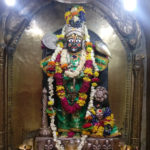
Devotees believe that worshiping Chamundeshwari bestows protection, courage, prosperity, and peace. The temple is not only a place of worship but a cultural hub, a heritage site, and a symbol of enduring faith.
Major festivals include Dasara (Vijayadashami), where the Deity of Chamundeshwari is carried out in procession and worshipped as the guardian deity of the Wodeyar royal family.

Leave a Reply