
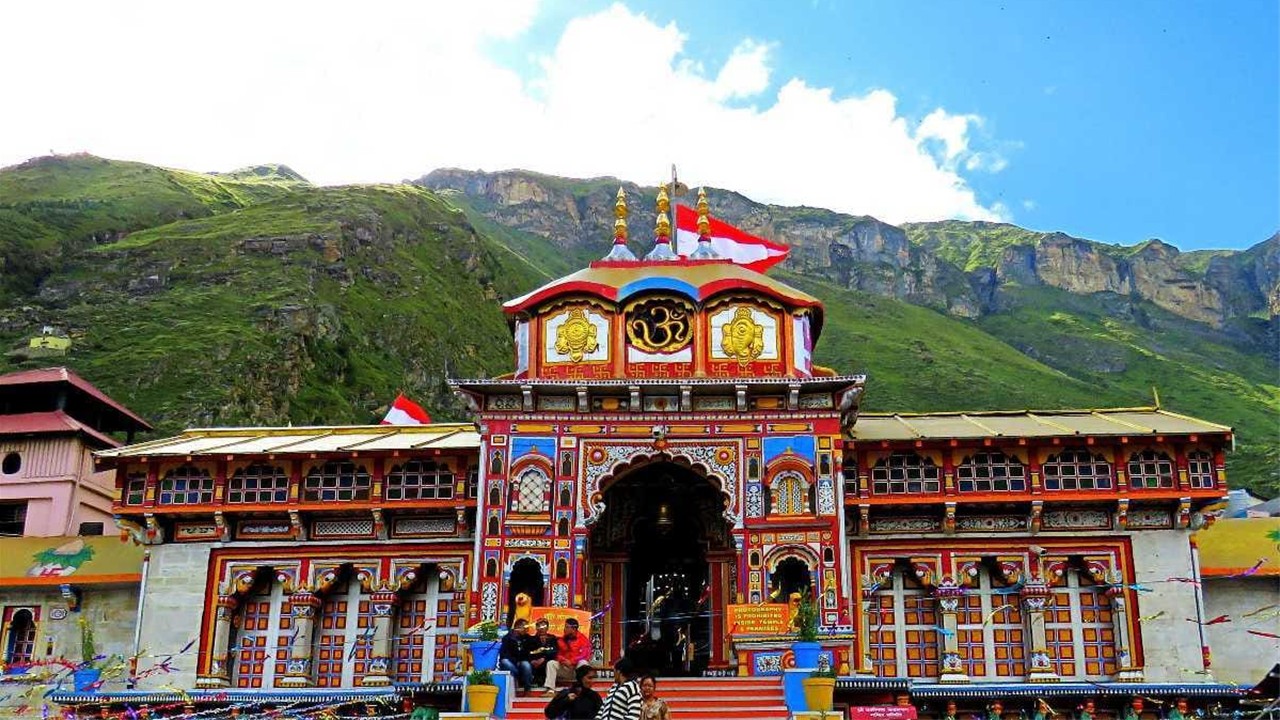
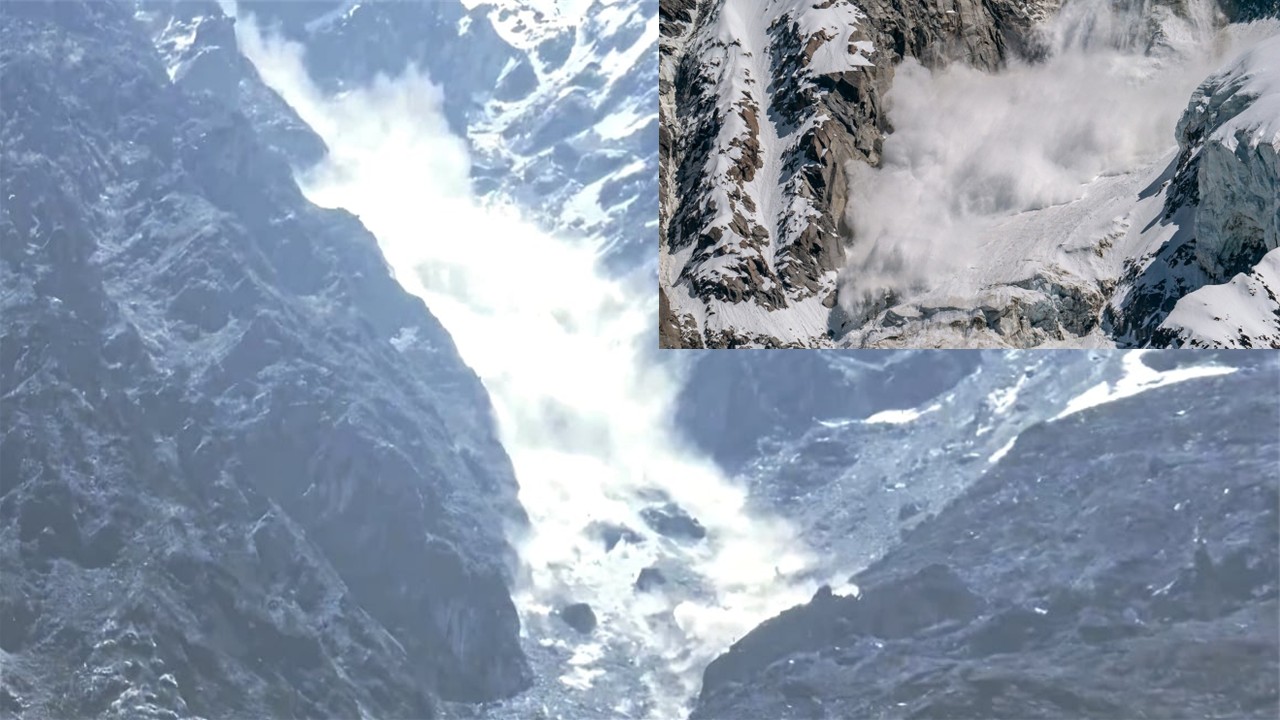
According to local administration sources, the glacier collapse occurred in the high-altitude Kanchanganga region near Badrinath in Chamoli district. Preliminary assessments suggest that increasing temperatures in the Himalayan belt may have weakened the glacier structure, causing a section of the ice mass to break apart. Experts believe that rapid glacier melting during the summer season is contributing to the rise in such incidents across Uttarakhand’s mountainous regions.
Scientists and environmental experts have repeatedly warned about the alarming effects of global warming on Himalayan glaciers. The fragile terrain, combined with rising temperatures and retreating ice formations, has significantly increased the risk of glacier collapses, avalanches, flash floods, and debris flows in the region. Hanging glaciers situated on steep slopes are considered particularly vulnerable to sudden breakage.
The glacier collapse near Badrinath Dham has once again highlighted the ecological sensitivity of Uttarakhand’s Himalayan zones, especially around major pilgrimage destinations visited by lakhs of devotees every year. Authorities stated that disaster management teams and local officials are closely monitoring the area to ensure the safety of pilgrims, tourists, and nearby residents.
Environmentalists have also stressed the importance of sustainable infrastructure development and scientific monitoring in glacier-prone regions of the Himalayas. Previous natural disasters in Uttarakhand, including glacier bursts and flash floods, have demonstrated the devastating impact of climate-related events in the state.







Leave a Reply