
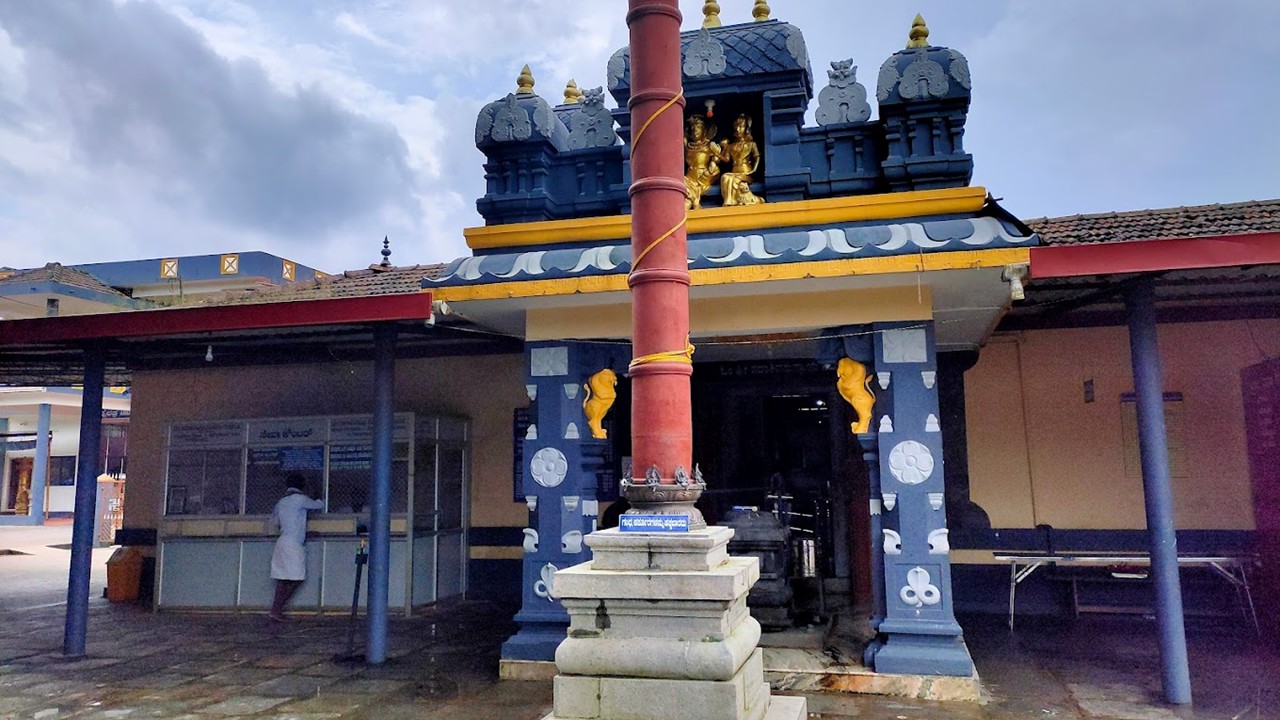
Set amid the lush greenery of Karnataka’s Dakshina Kannada district, Sri Sadashiva Rudra Devasthana, popularly known as the Surya Temple of Ujire, located at Nada village is one of South India’s most distinctive temples. Although dedicated to Bhagavan Shiva, it is widely known as “Surya” and is especially revered for Mannina Harake, its unique tradition of offering clay models in fulfilment of vows, which draws devotees from across India.
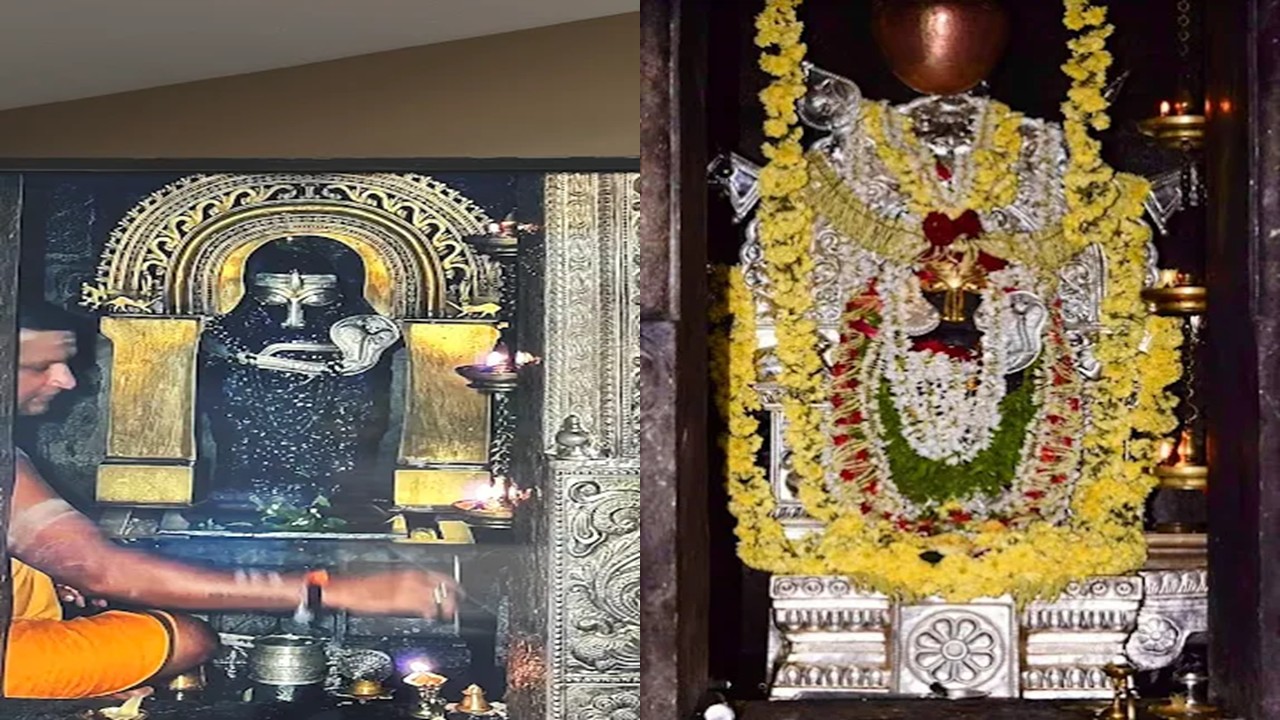
The principal deity of the temple is Bhagavan Sadashiva Rudra, worshipped in the form of a Shiva Linga. The deity is believed to be highly responsive to sincere prayers and vows made by devotees. The temple’s spiritual center also includes a sacred grove known as Harake Bana, where a revered Swayambhu (self-manifested) Shiva Linga is worshipped.
Origin of the Name “Surya”
One of the most fascinating stories associated with the temple explains how it acquired the name “Surya.” According to local tradition, many centuries ago a woman was cutting grass in a field accompanied by her young son. While working, her sickle got struck to a stone hidden beneath the ground. To her shock, blood began to flow from the stone. Terrified by this miraculous occurrence, she cried out to her son, calling his name, “Sureya!”
The event attracted local attention, and the stone was recognized as sacred. Over time, the place’s name evolved through several forms: Sureya, Suriya, and finally Surya. Thus, the temple and the locality came to be associated with the name Surya, despite the shrine being dedicated to Bhagavan Shiva.
Scholars and local traditions suggest that the temple is at least 700 years old. The temple’s known history extends back to the 13th century, when the region was ruled by the Banga Kings. These rulers are believed to have contributed significantly to the development and preservation of the shrine. Ancient inscriptions found near the Nandishwara deity indicate that the sacred site’s origins may even predate the 13th century.
Mannina Harake Ritual
The temple is renowned across Karnataka for its distinctive tradition of clay offerings. Devotees first visit Harake Bana, the sacred grove associated with the original Shiva Linga, where they make a sincere vow or prayer for divine assistance.
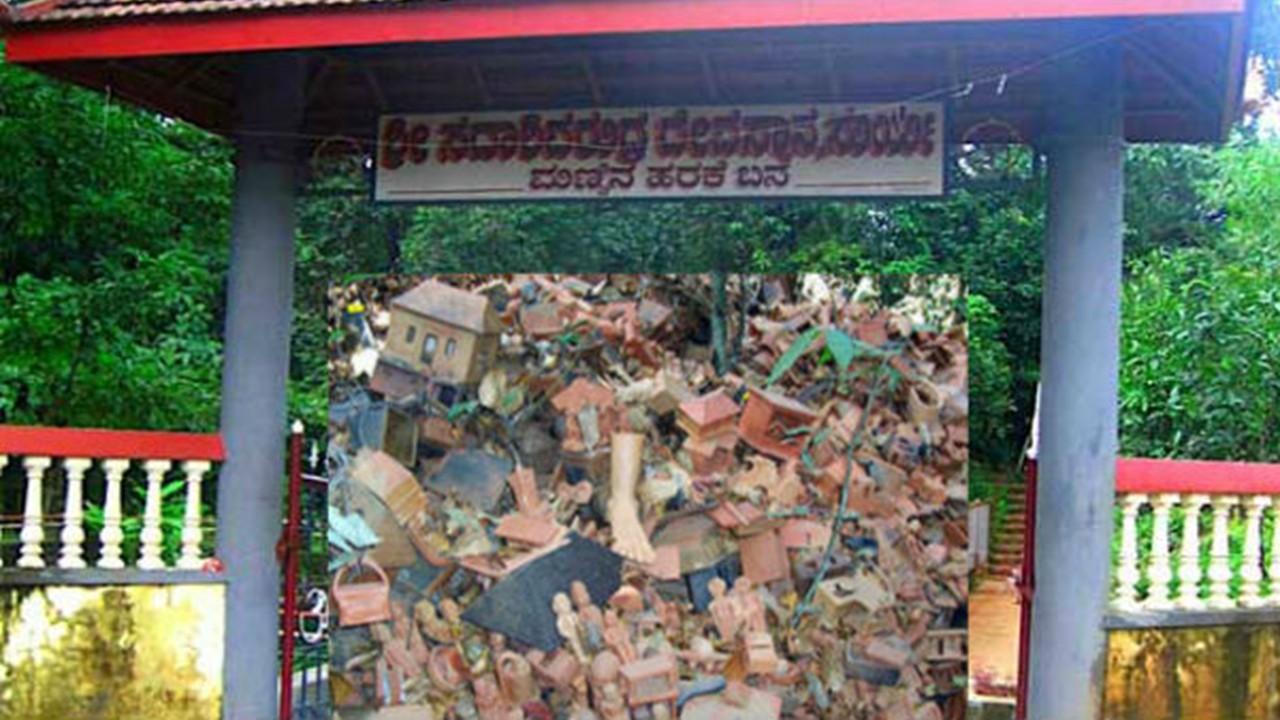
When their wish is fulfilled, devotees return with a clay model symbolizing the blessing received and offer it to Sri Sadashiva Rudra in gratitude. Common offerings include cradles for childbirth; houses for a new home; vehicles for ownership; body parts for healing; books for educational success; animals for livestock prosperity; bride-and-groom figures for marriage blessings; and business symbols for commercial success. These figures are made by traditional artisan families associated with the temple and are available on the premises.
Architecture
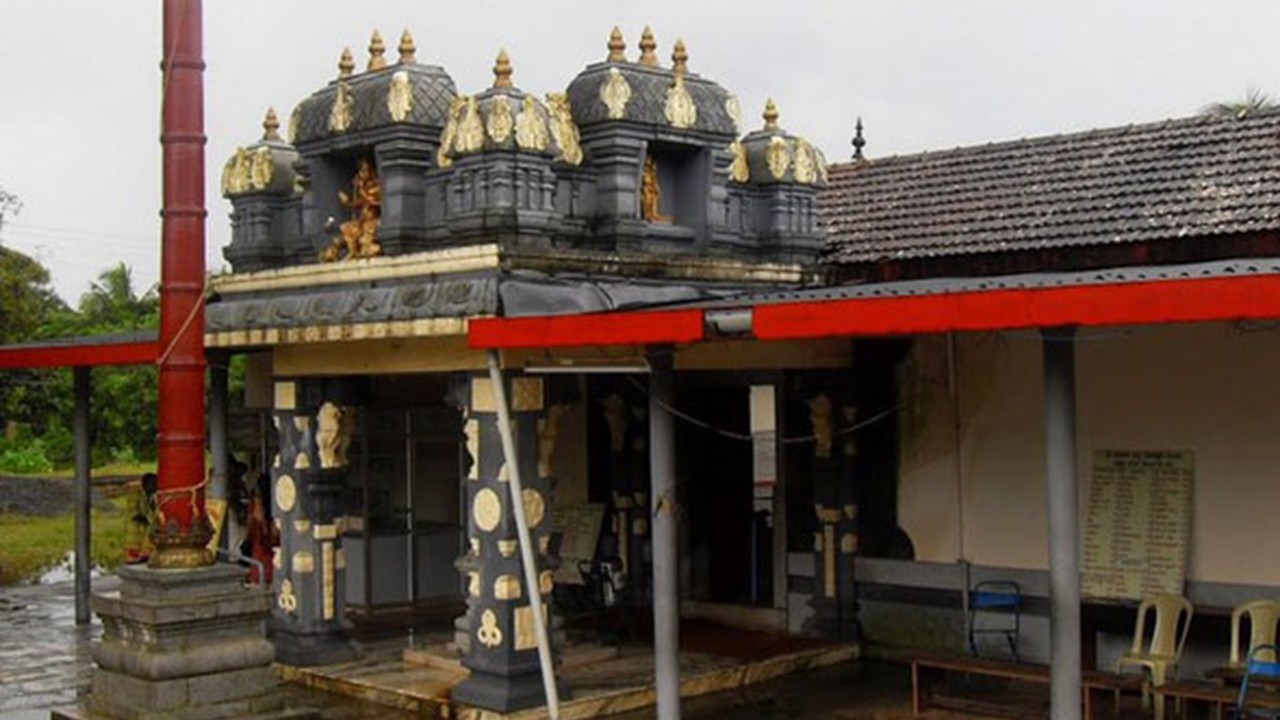
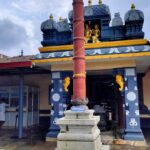
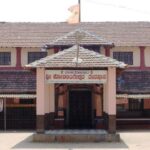
The temple showcases the traditional architectural style of the coastal Karnataka region. Its architectural features include a traditional sloping tiled roof suited to heavy monsoon rainfall, an entrance arch adorned with images of Shiva and Parvati, Nandi facing the sanctum, and a tall Dhwaja Sthambha (flagstaff). The complex also contains a circumambulatory pathway (Pradakshina Patha), a Mandapa, the sanctum housing the Shiva Linga, a traditional temple well and sacred water source, and an adjacent shrine dedicated to Naga devatas (serpent deities).
Near the temple stands a stepped sacred well known as a Kalyani, reportedly over 55 feet deep. A narrow pathway leads devotees to this water structure, which contributes to the temple’s serene atmosphere. Its most notable tradition is the offering of clay representations of devotees’ wishes, which forms the centrepiece of worship. Thousands of clay models surrounding the shrine stand as a silent story of hopes, struggles, blessings, and thanksgiving offered to Bhagavan Sadashiva Rudra.
Festivals
The temple observes several major festivals each year. Maha Shivaratri, its foremost celebration dedicated to Bhagavan Shiva, draws large numbers of devotees. Other important occasions include Surya Jayanti, marked by special rituals and prayers; Makar Sankranti, celebrated through traditional worship and community participation; Navaratri, observed with nine nights of special poojas and festivities; and Rathotsava, the annual chariot festival celebrated with deep devotion and broad public involvement.
Darshan Timings of the Temple
The temple is open on all the days of the year between 7:30 AM to 2:00 PM and 4:00 PM to 6:30 PM.
Nearby Places to Visit
Dharmasthala: Famous pilgrimage center with Sri Manjunatha Temple, Bahubali statue, and museums.
Southadka Mahaganapathi Temple: Unique open-air Ganapathi temple with a peaceful atmosphere.
Ballalarayana Durga Fort: Historic hilltop fort known for panoramic views and trekking opportunities.
How to Reach Sadashiva Rudra Temple?
By Road: The nearest bus stop is in Ujire town, located about 4 km from the temple. From Ujire, travel along the Dharmasthala-Ujire road towards Nada village, where the temple is situated. Local buses, auto-rickshaws, and taxis are available from Ujire.
By Air: The closest airport is Mangalore International Airport, approximately 65 to 75 km from the temple. From the airport, visitors can hire a taxi and travel via Belthangady and Ujire to reach the shrine.
By Train: The nearest major railway stations are Mangalore Junction and Mangalore Central. From either station, regular bus and taxi services are available to Ujire and Dharmasthala, from where the temple can be easily reached by local transport.
0
Leave a Reply