
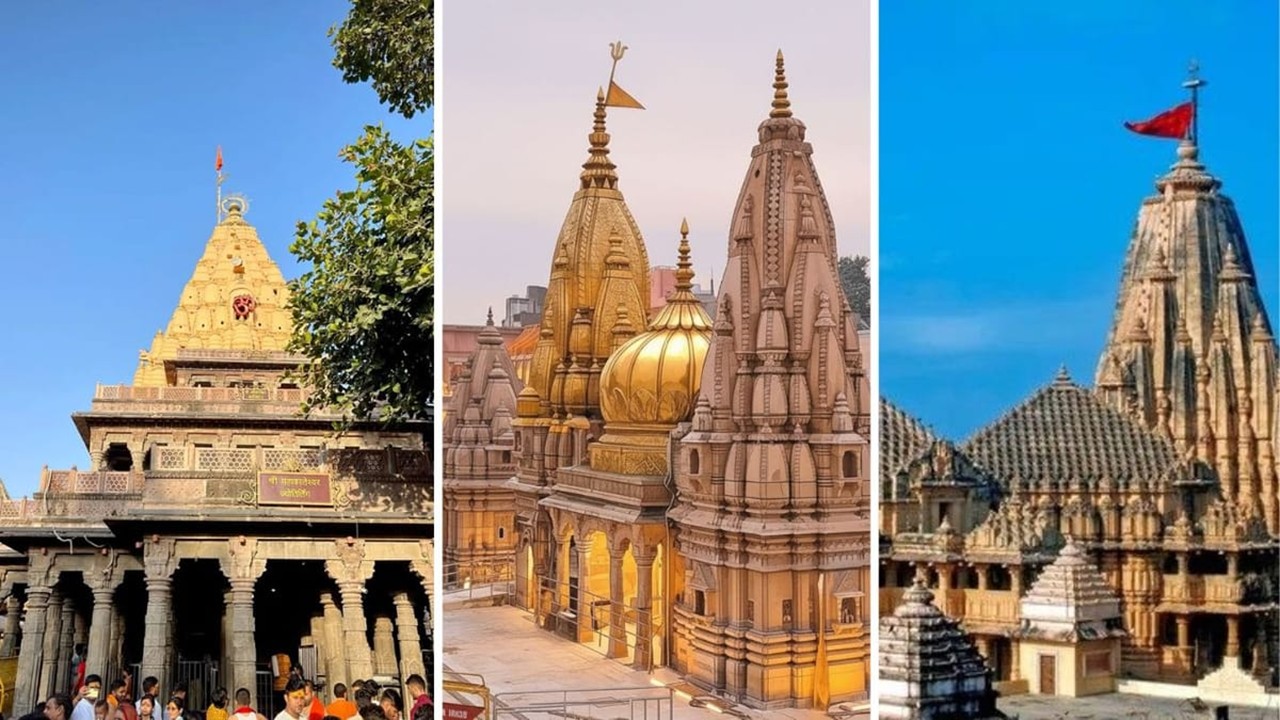
At the sacred Kashi Vishwanath Temple, long queues of devotees were seen waiting patiently for darshan. Special rituals and Rudrabhishekams were performed amid tight security arrangements. Similarly, the revered Somnath Temple witnessed a massive turnout of pilgrims who participated in night-long bhajans and spiritual discourses.
In an unusual decision, the famed Bhimashankar Jyotirlinga temple in Maharashtra will remain closed for darshan on Mahashivratri (15 February 2026) due to ongoing development and renovation work, with authorities citing safety and crowd management concerns.
In the south, grand celebrations were held at Sri Kalahasti Temple and Ramanathaswamy Temple, where special poojas were conducted throughout the day and night. Temples were beautifully decorated with flowers and illuminated with traditional lamps, creating a divine atmosphere.
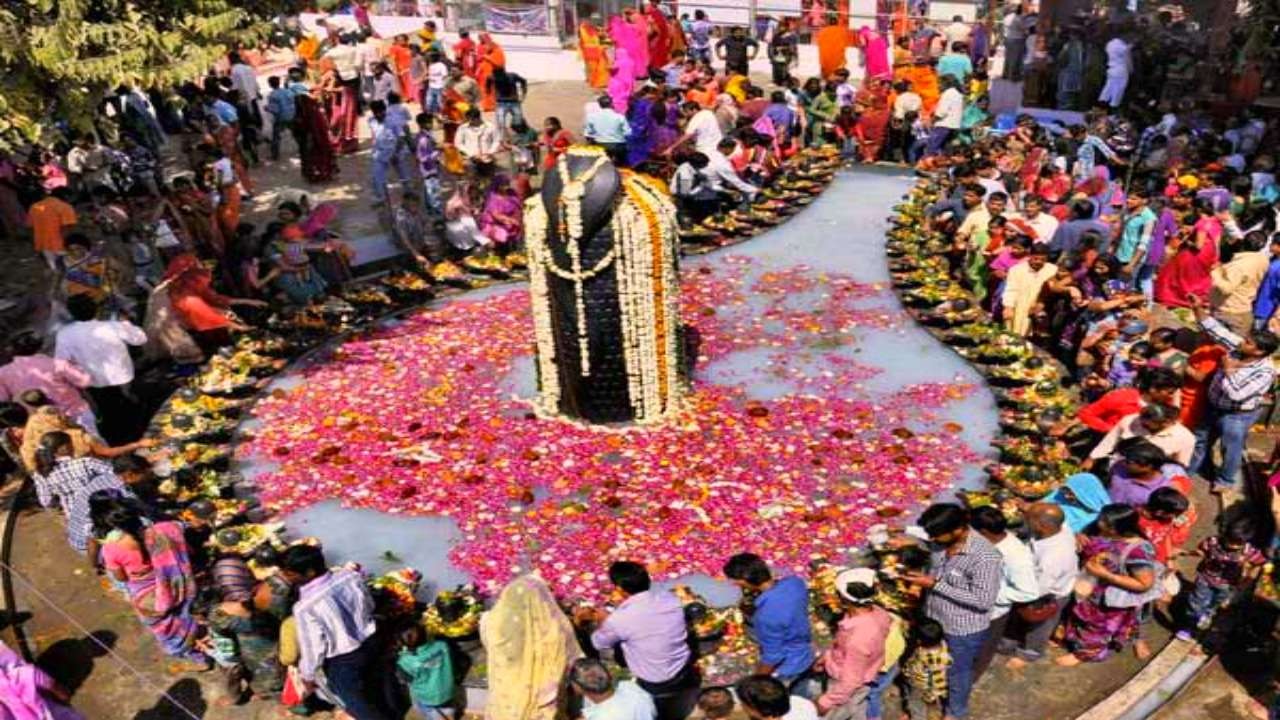
Devotees observed fasts, offered milk and bilva leaves to the Shiva Lingam, and stayed awake through the night in spiritual vigil, marking the sacred occasion believed to commemorate the divine union of Lord Shiva and Goddess Parvati.
State administrations ensured smooth crowd management, medical facilities, and security arrangements to facilitate a peaceful celebration. The festival once again reflected India’s rich spiritual heritage and the deep-rooted devotion of millions towards Lord Shiva.
Mahashivaratri celebrations concluded with early morning aartis, leaving devotees spiritually uplifted and blessed.
Leave a Reply