
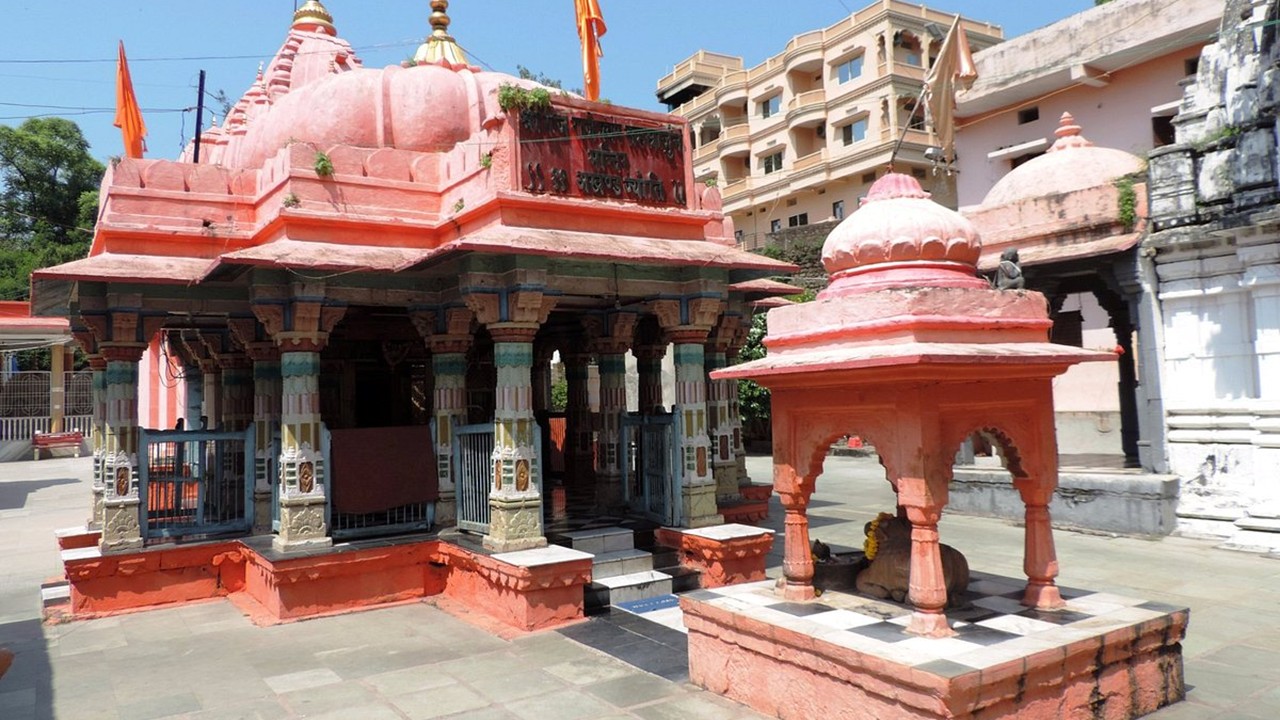
Royal Origins of Rai Rajeshwar Temple
The Rai Rajeshwar Temple was built in the 19th century by Maharaja Sawai Ram Singh II, one of Jaipur’s most influential rulers. Historical records reveal that the temple was constructed as a private place of worship for the Jaipur royal family and has remained closely associated with royal rituals ever since.
Why the Temple Is Closed to the Public
Unlike most temples in Rajasthan, Rai Rajeshwar Temple is not open for daily darshan. Its restricted access preserves its original purpose as a sacred royal shrine. Even today, traditional customs and ceremonial practices of the erstwhile royal household are carefully maintained within the temple premises.
Open Only on Maha Shivaratri and Govardhan Puja
What makes Rai Rajeshwar Temple truly unique is its limited accessibility. The temple opens to devotees only on Maha Shivaratri and Govardhan Puja, drawing worshippers from Jaipur and surrounding regions. These rare openings offer devotees a special opportunity to experience royal-era Shiva worship and witness rituals that have continued unchanged for generations.
Spiritual and Architectural Significance
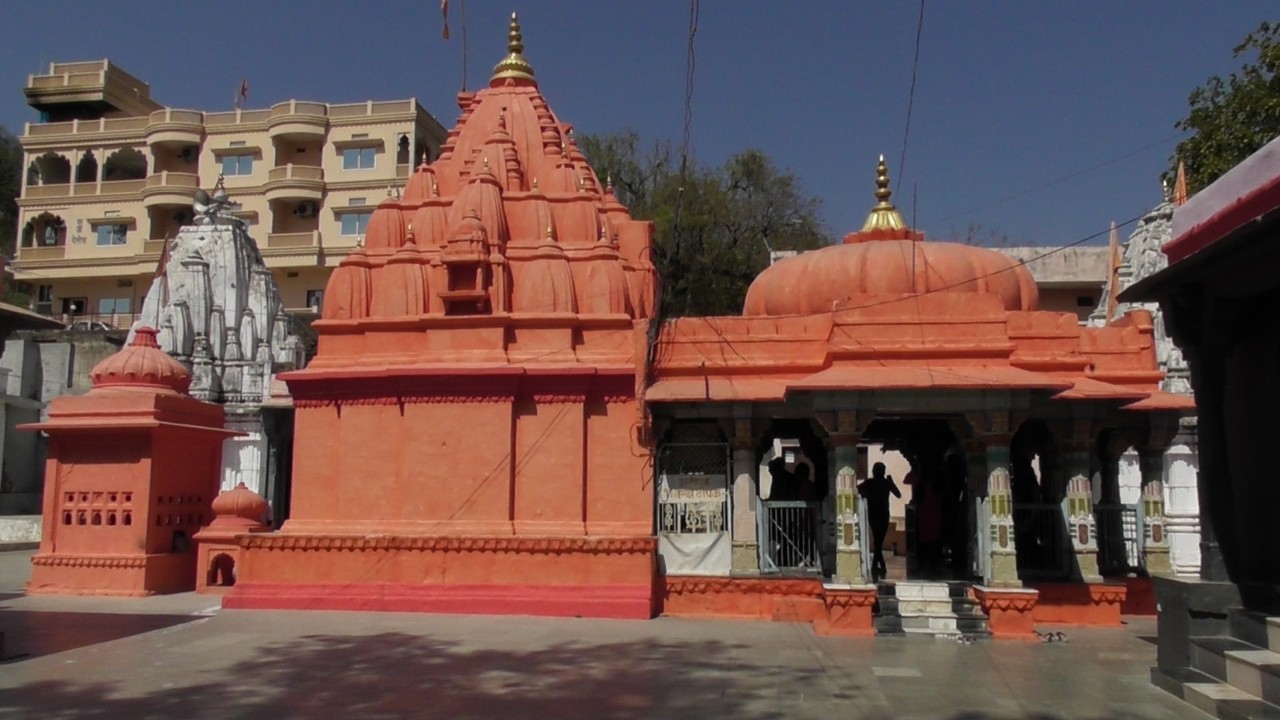
Dedicated to Lord Shiva, the temple is architecturally simple yet spiritually profound. During the annual openings, special pujas and ceremonies are performed by priests, following age-old royal traditions in a serene and disciplined atmosphere.
A Living Link to Jaipur’s Royal Past
Historians note that temples with such restricted public access are extremely rare today. The Rai Rajeshwar Temple remains a living reminder of Jaipur’s princely past, royal devotion, and enduring faith traditions. As heritage conservation and cultural tourism gain importance, this temple continues to quietly connect history, spirituality, and royal legacy in modern Rajasthan.
Leave a Reply