
“Rathastham Kesavam Dristva Punarjanma Na Vidyate.”
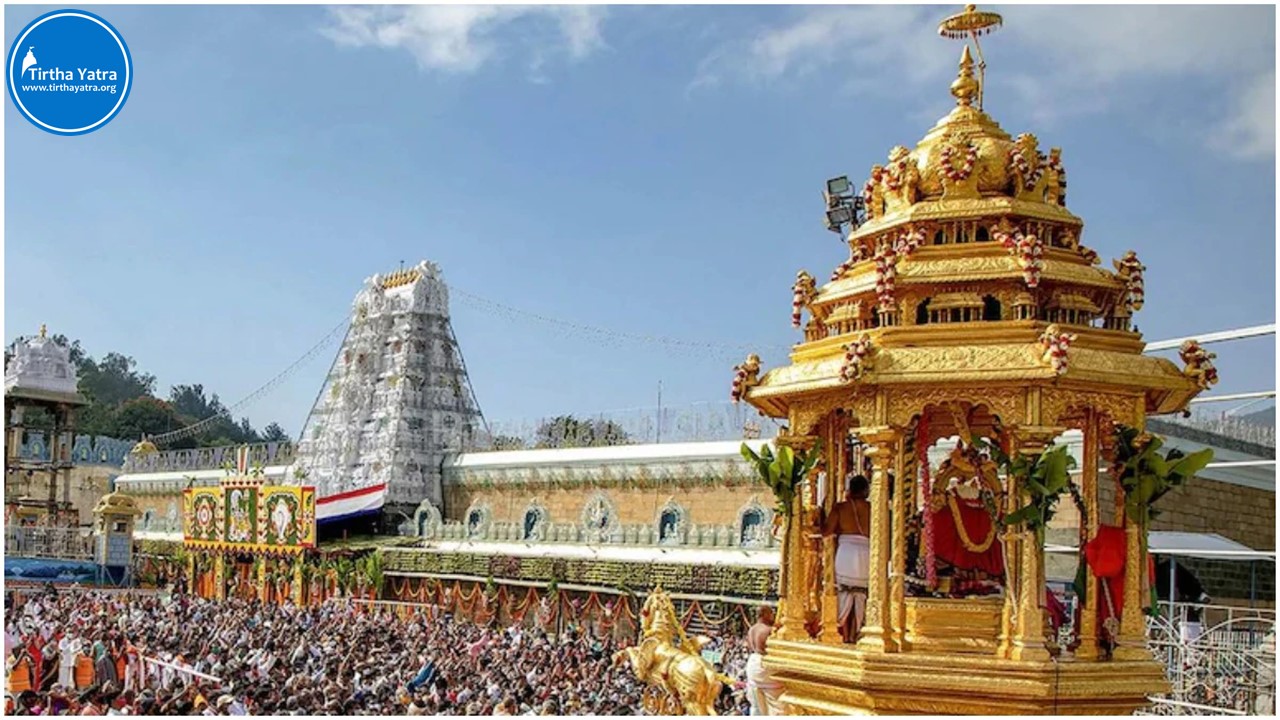
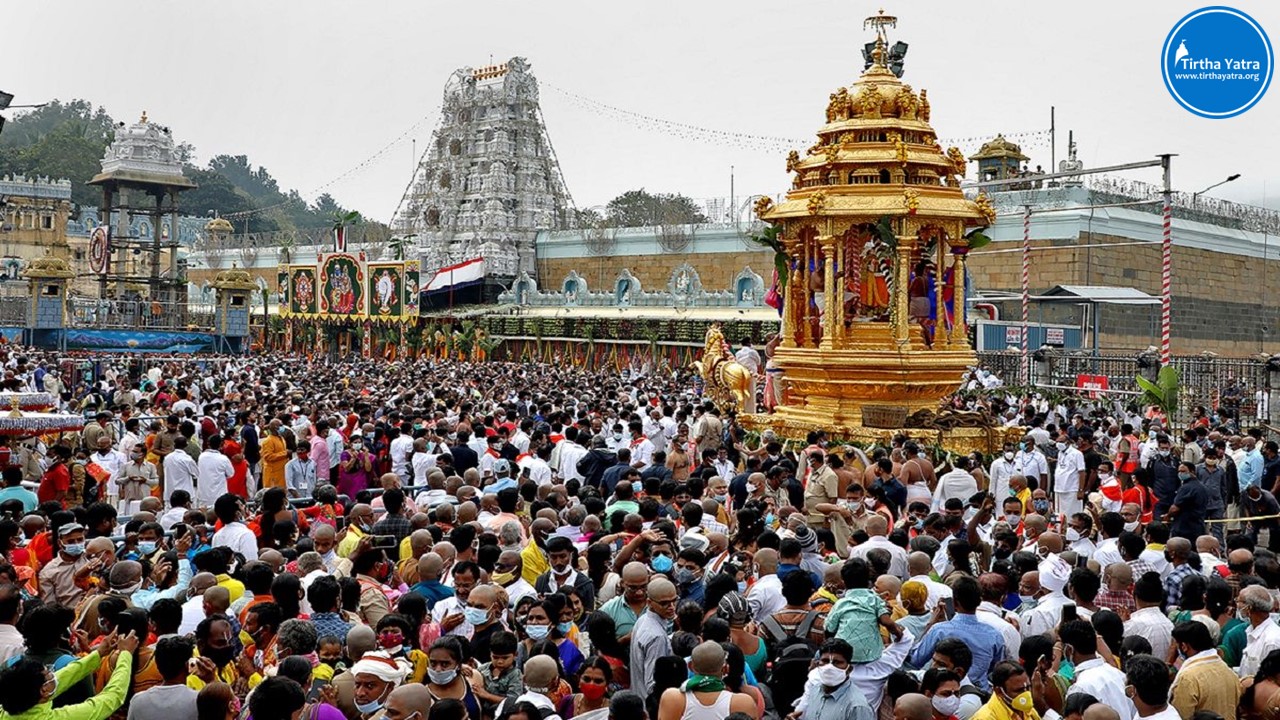
As thousands of devotees pull the chariot, chants of “Govinda! Govinda!” echo through the hills, marking the only occasion during Brahmotsavam when devotees physically serve the Lord.
As the chariot moves, the soul seems to stretch — longing, gratitude, humility — mingled with the scent of incense, the sound of drums and nadaswaram. Women toss rice or petals, children clap in awe, and the rhythm of devotion becomes breathing, a shared heartbeat sweeping through the streets.
Following this, the Ashwa (horse) Vahana Seva will be held after the Unjal Seva in the evening. The horse signifies speed and strength. As per the Purana, it was born during the Samudra Manthan alongside Sri Mahalakshmi, Airavata, and Amritam. Lord Venkateswara is believed to ride a horse during his divine hunting expeditions (Paruveta).
The day’s events are a vibrant blend of devotion, symbolism, and tradition. Devotees gather in large numbers, pulling the chariot, while others offer prayers seeking blessings and spiritual upliftment. Traditional nadaswaram and percussion ensembles accompany the procession, adding rhythm and reverence.
Preparations for the event began well in advance. Temple authorities, under Tirumala Tirupati Devasthanams (TTD), reinforced security, crowd control systems, and logistical arrangements to ensure smooth conduct. Engineers verified the chariot’s structural integrity, and volunteers were positioned along the route to assist pilgrims.
Every moment is alive: people fold hands, some lift voices in song, others weep quietly, overwhelmed by beauty too vast for words. Rathotsavam is not just a procession—it is a living tapestry of faith, longing, surrender, and connection. In that sacred space, every devotee, no matter their past, feels seen, held, and blessed.
Sriyah Kanthaya Kalyana Nidhaye Nidhayerthinam
Leave a Reply