
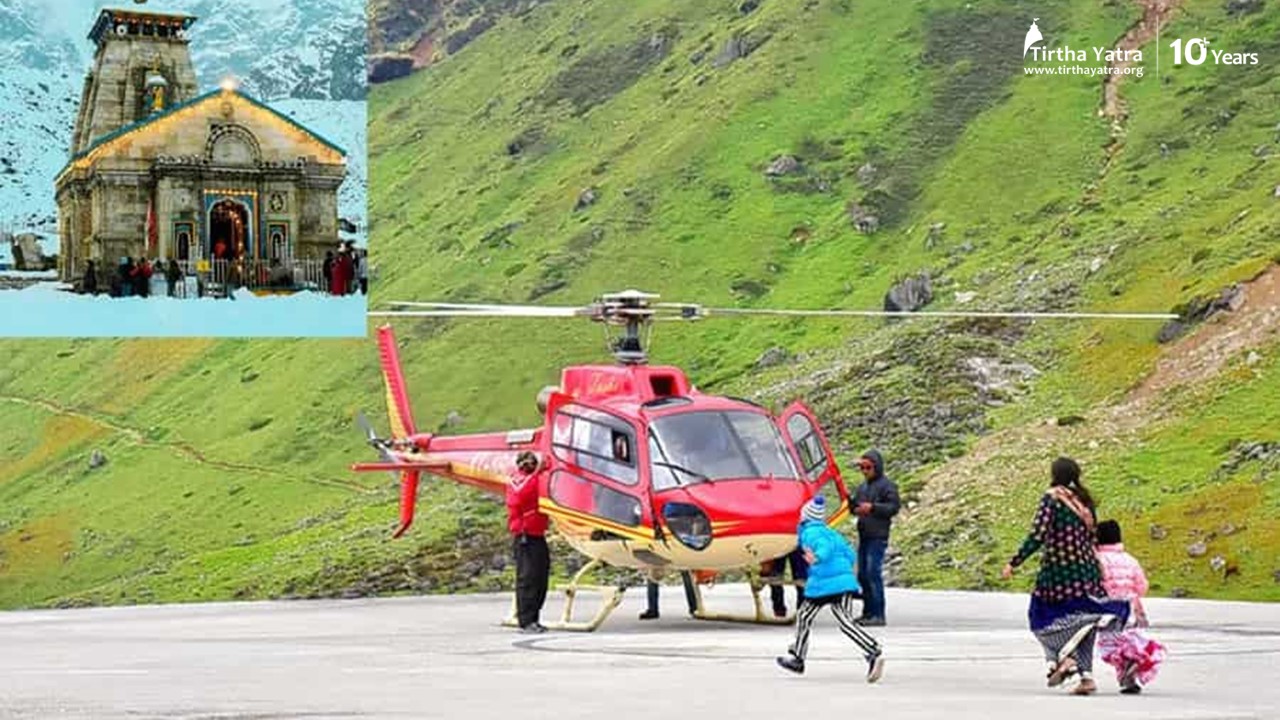
Revised Fare Structure
- Sirsi to Kedarnath: Previously ₹6,000 → Now ₹11,000 – ₹12,000
- Phata to Kedarnath: Previously ₹6,000 → Now ₹11,000 – ₹12,000
- Guptkashi to Kedarnath: Previously ₹7,500 → Now ₹13,000 – ₹14,000
The substantial fare increase is designed to ensure the service remains financially sustainable amid scaled-down flight operations. Daily helicopter sorties have dropped from 260 to 184, and passenger capacity has been cut from 1,467 to 1,012. Additionally, the number of companies operating has been reduced from nine to seven.
Safety Improvements & Booking Resumption
Following a series of fatal incidents—including a June 15 crash that claimed seven lives—operations were suspended during the monsoon until mid-September. The Directorate General of Civil Aviation (DGCA) has approved the helicopter services to restart, now under the umbrella of stricter safety standards and protocols.
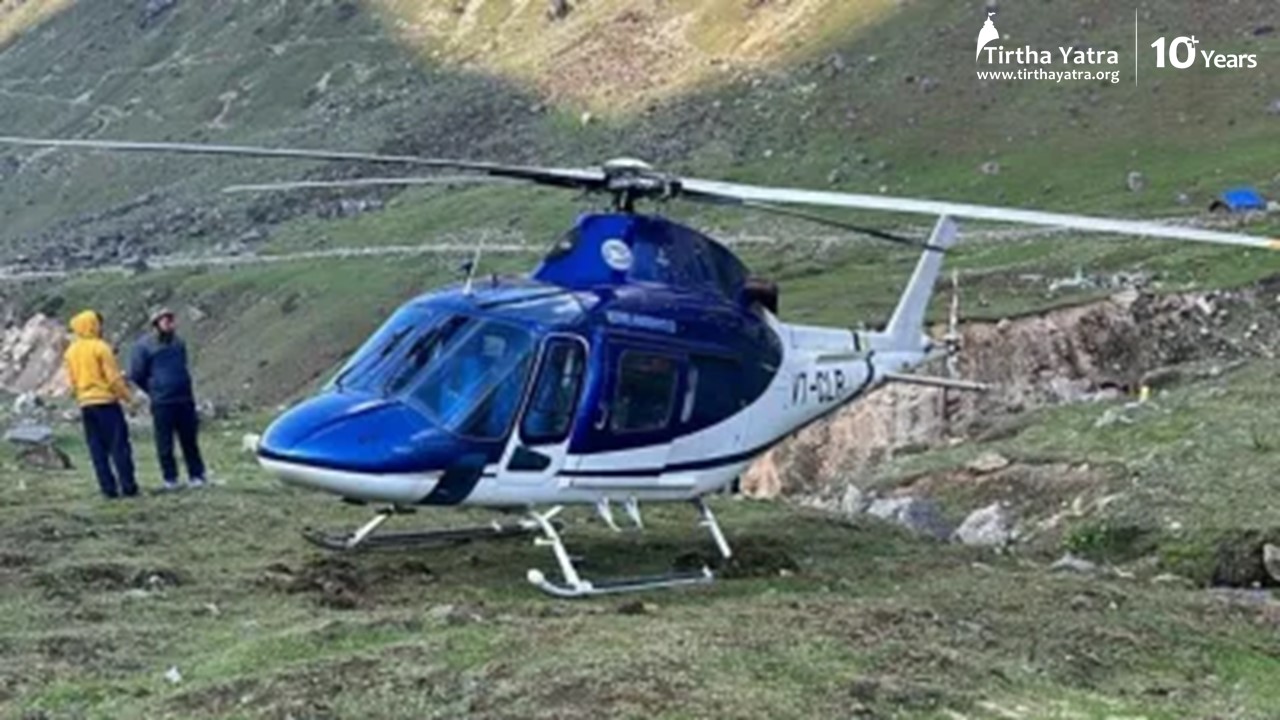
These include priority booking for IRCTC passengers, valley-experienced pilots only, grounding in adverse weather, twin-engine helicopter mandates, real-time monitoring, and a dedicated command-and-control centre in Dehradun.

Bookings will reopen on September 10, with helicopter operations scheduled to restart on September 15, subject to weather conditions.
Impact on Pilgrims & Pilgrimage Experience
While the fare increase adds financial strain, especially for elderly or economically modest pilgrims, many view it as a necessary step toward safety. Helicopter services remain a vital option for devotees unable to undertake the challenging trek to Kedarnath.
At the same time, environmental advocates are raising the alarm over the fragile Himalayan ecosystem. Heavy helicopter traffic has been linked to disturbance of wildlife like snow leopards and Himalayan tahr, prompting calls for stricter regulation or even temporary suspension of services.



Leave a Reply