
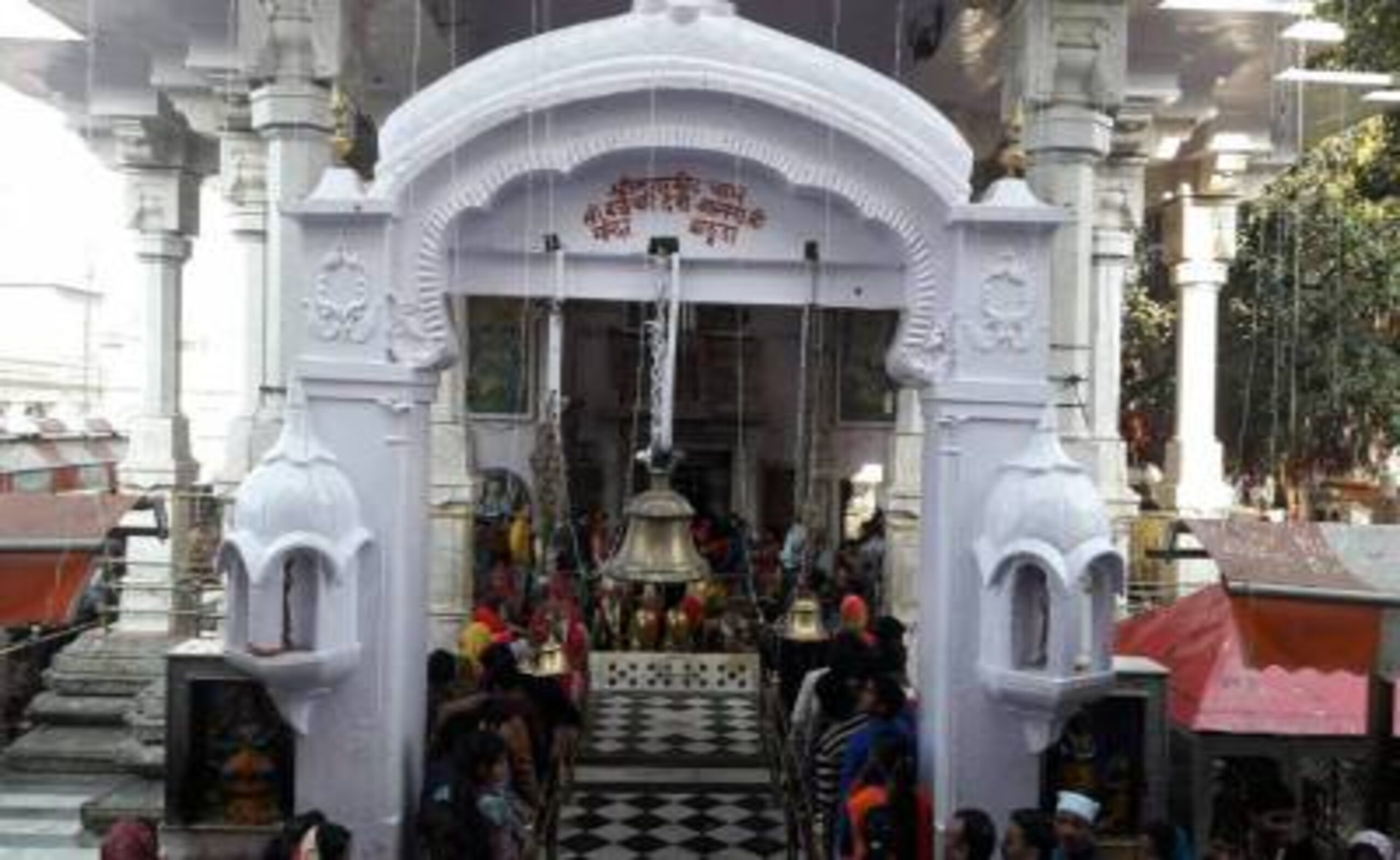
Bajreshwari Devi Temple, a renowned temple located in the heart of Kangra town in Himachal Pradesh, holds great historical and religious significance, particularly within the Shakti Peetha tradition. The presiding Deity of the temple is Goddess Bajreshwari, also known as Vajreshwari. She is worshiped in the form of Pindi.
The word Vajreshwari is the combination of two Sanskrit words, “Vajra,” meaning “thunderbolt,” and “Ishwari,” meaning “goddess.” She slayed the demon Kalikala using the divine thunderbolt.
Also known as Sri Bajreshwari Mata Mandir, it is one of the 51 Shakti Peethas, where the “left breast” of Sati Devi is believed to have fallen.
Devotees flock to this temple in large numbers from across North India, the rest of the country, and even from around the world.
This is one of the most revered and ancient temples in India and an important pilgrimage site for Hindus. Devotees fondly refer to the goddess as Kangra Devi or Mata Rani.
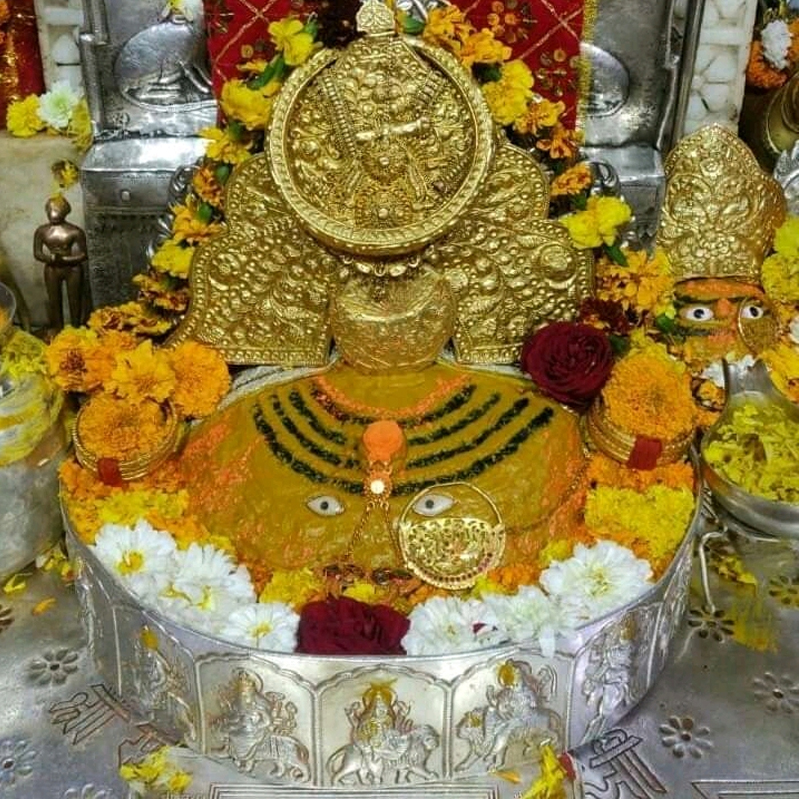
This revered Shakti Peetha is popularly known as Jalandhara Shakti Peetha or Bhrigupuri Shakti Peetha. The goddess is referred to as Vajratara or Vajreshwari as per the Jalandhara Mahatmya Khanda of the Padma Purana.
In 1905, a powerful earthquake measuring 7.8 struck the Kangra Valley, causing extensive damage to the temple. The government promptly undertook its reconstruction and completed the restoration within a year.
Sthala Purana of Bajreshwari Devi Temple
According to History, Pandavas were inspired to build the temple after receiving a divine vision of Goddess Bajreshwari in a dream.
She revealed to them that she had been residing in the village of Nagarkot and instructed them to construct a temple for Her.
Architecture of Bajreshwari Devi Temple
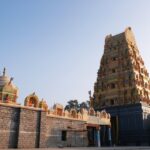
Bajreshwari Devi Temple is a marvelous illustration of the Indian style of architecture. Constructed in the Nagara architectural style, this revered temple is distinguished by a prominent shikhara (spire) rising above the sanctum sanctorum (garbhagriha).
There is a Nagarkhana (drum house) at the entrance of the temple, which adds to the grandeur.
This temple is a significant site for Hindus, renowned for intricate stone carvings depicting various gods and goddesses from various Puranas. It reflects the skilled craftsmanship of the artisans who worked on it for centuries.
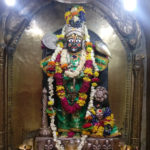
Inside the garbhagriha of the temple, Goddess Bajreshwari is worshiped in the form of Pindi. There is a Deity of Bhairava also.

Invasions
The temple was repeatedly attacked by many Mughal rulers like Muhammad Tuglaq, Feroz Tuglaq, and Muhammad Sayyid. In 1009 AD, it was desecrated by Muhammad of Ghazni. It is said that this temple was also visited by the Mughal emperors Akbar and Jahangir.
In ancient times, this temple contained tons of gold, and there were many ghantas that were made of pure silver. Muhammad Gazni attacked the temple at least 5 times and looted its wealth.
Langar Facilities
Langar (free community meals) has been arranged by temple management two times a day to feed the devotees, once in the afternoon and again in the evening.
Afternoon: 12:30 to 2:30 PM
Evening: 7:30 PM to 9:00 PM
During Navaratri, the temple trust organizes a langar facility from afternoon until night.
Temple Timings of Bajreshwari Devi Temple
The darshan timings of Bajreshwari Devi Temple are as follows:
Morning: 5:30 AM to 12:00 PM
Evening: 12:30 PM to 8:00 PM
Best Time to Visit Bajreshwari Devi Temple
To have the darshan of Bajreshwari, the best time to visit this sacred pilgrimage site is between October and March.
Festivals of Bajreshwari Devi Temple
Navaratri: This festival is celebrated with great fervor during September or October. Also known as Durga Puja, the nine forms of Goddess Durga are worshiped. Devotees throng in huge numbers to seek the blessings of the goddess to ward off evil.
Makara Sankranti: On Makara Sankranti, the temple organizes a special mela and religious ceremonies to mark the auspicious occasion. According to history, the goddess killed the demon Mahishasura, and she got injured during the battle. As a result, to cure the wound, butter is applied. This ritual is even followed in present times by applying butter all over her Pindi.
Predictive Tears of Bhairava: Baba Lal Bhairava is the guardian of the temple. Devotees believe that the Deity is alive and communicates by shedding tears. The Deity sheds tears as a sign of approaching calamities.
Nearby Places to Visit
Achhara Kunda: Achhara Kund is a sacred site and waterfall that has spiritual healing properties. There is a temple dedicated to Achhara Mata located near the waterfall. Devotees frequently visit this sacred site to bathe in the sacred waters and seek divine blessings.
Gupta Ganga: Gupta Ganga is a hidden spring where pilgrims come to purify themselves before visiting the Bajreshwari Devi Temple. The serene surroundings add to its spiritual charm.
Jayanti Mata Temple: This is a revered temple located in Kangra, Himachal Pradesh. It is dedicated to Goddess Jayanti Mata, a form of Durga Devi. Nestled amidst the scenic beauty, it is a perfect spot for meditation.
Suraj Kunda: It is nestled amidst the Aravalli Hills, a sacred lake literally known as the “Lake of the Sun.” It is built by King Surajpal of the Rajput dynasty.
Chakkar Kunda: It is also known as Chakkra Kunda. It holds great significance for devotees for soul purification. The word “Chakkar Kunda” translates to “round” or “circular pit.”
Kurukshetra Kunda: This revered sacred kunda is located inside the Bajreshwari Temple complex. Those who bathe in the water during the solar eclipse, sins of their three births will be cleared. Also blesses them with prosperity and progeny.
How to Reach Bajreshwari Devi Temple?
If you plan to visit the Bajreshwari Temple and other sacred places, consider taking Tirtha Yatra’s Nava Shaktipeetha Yatra. All arrangements for your yatra will be well taken care of.

However, if you prefer to travel on your own, here are a few options.
By Air: The nearest airport is Kangra-Gaggal Airport, from where you can hire taxis to reach the temple. Regular bus services are also available for convenient transportation.
By Railway: Kangra Mandir Railway Station is the nearest railway. Taxis or cabs can be hired to reach the destination. There are even frequent buses that ply from the railway station to the temple.
By Road: Well connected via buses and taxis to Chandigarh, Delhi, and Dharamshala
Leave a Reply