
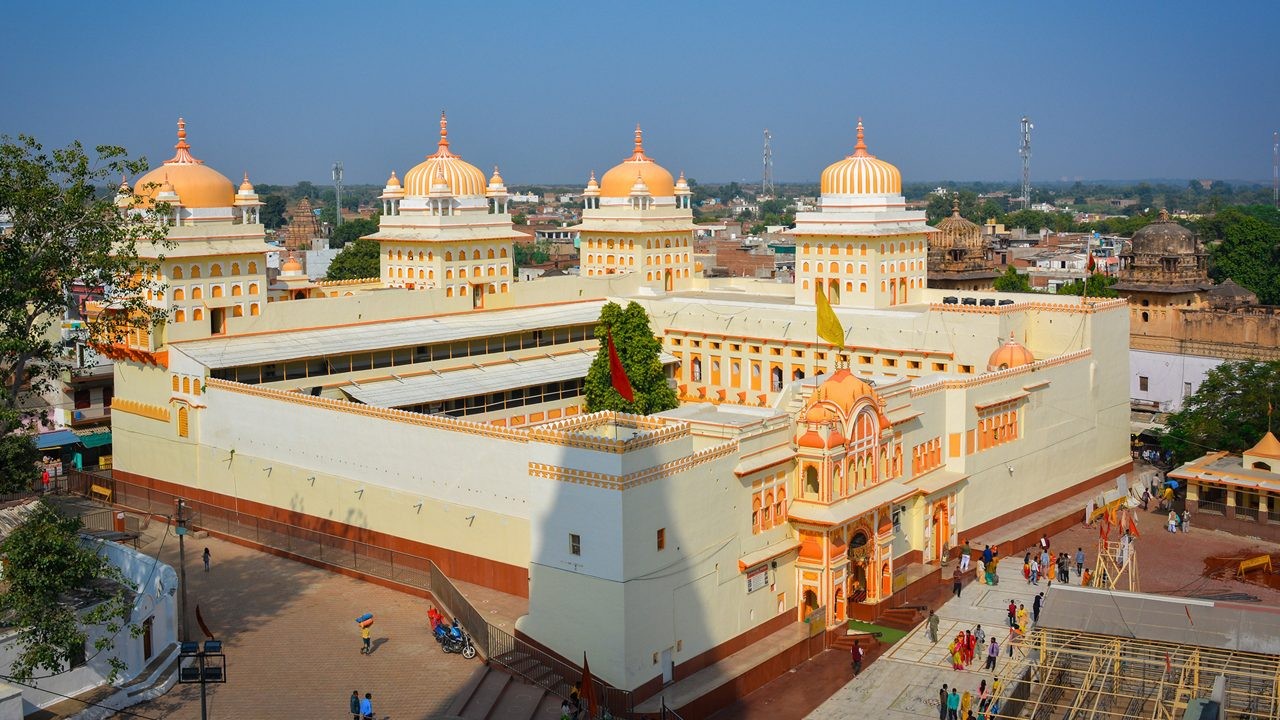
Located in the historic city of Orchha in Niwari district, Madhya Pradesh, stands as testament to the rich spiritual heritage and devotion. Nestled along the serene banks of River Betwa, step into Orchha where time stands still and essence of Bundeli traditions is felt in every corner.
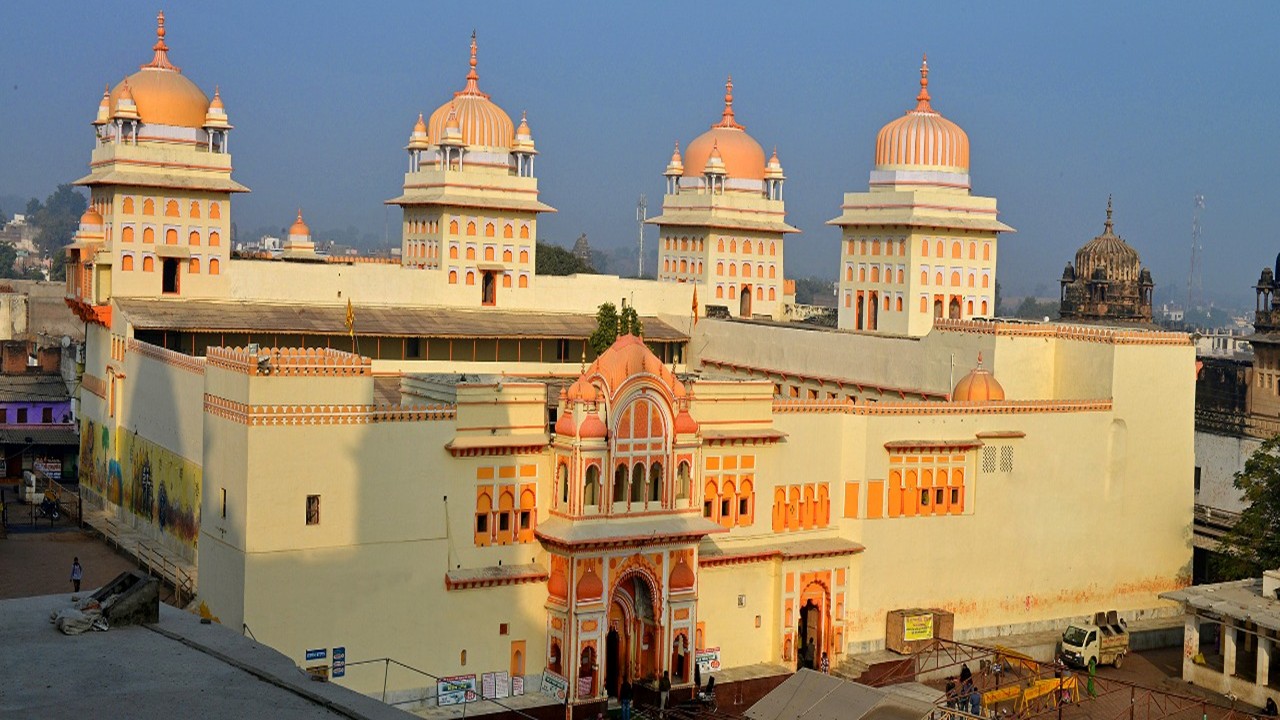
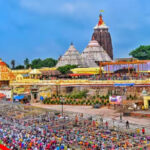
This structure doesn’t look like a temple; it resembles the palace. It was built in 16th century by Queen Ganesh Kanwari, who was an ardent devotee of Lord Sri Rama.
What truly sets the temple apart, however, are its unique traditions. During the evening aarti, Lord Rama is honoured with a ceremonial gun salute by guards, reflecting his royal status. After the ritual, it is believed that Lord Rama is symbolically escorted to another temple, from where Lord Hanuman accompanies him back to Ayodhya. Additionally, the temple follows an unusual custom of welcoming distinguished visitors with paan (betel leaf) and ittar (fragrance), instead of the typical sweet prasad offered at most temples.
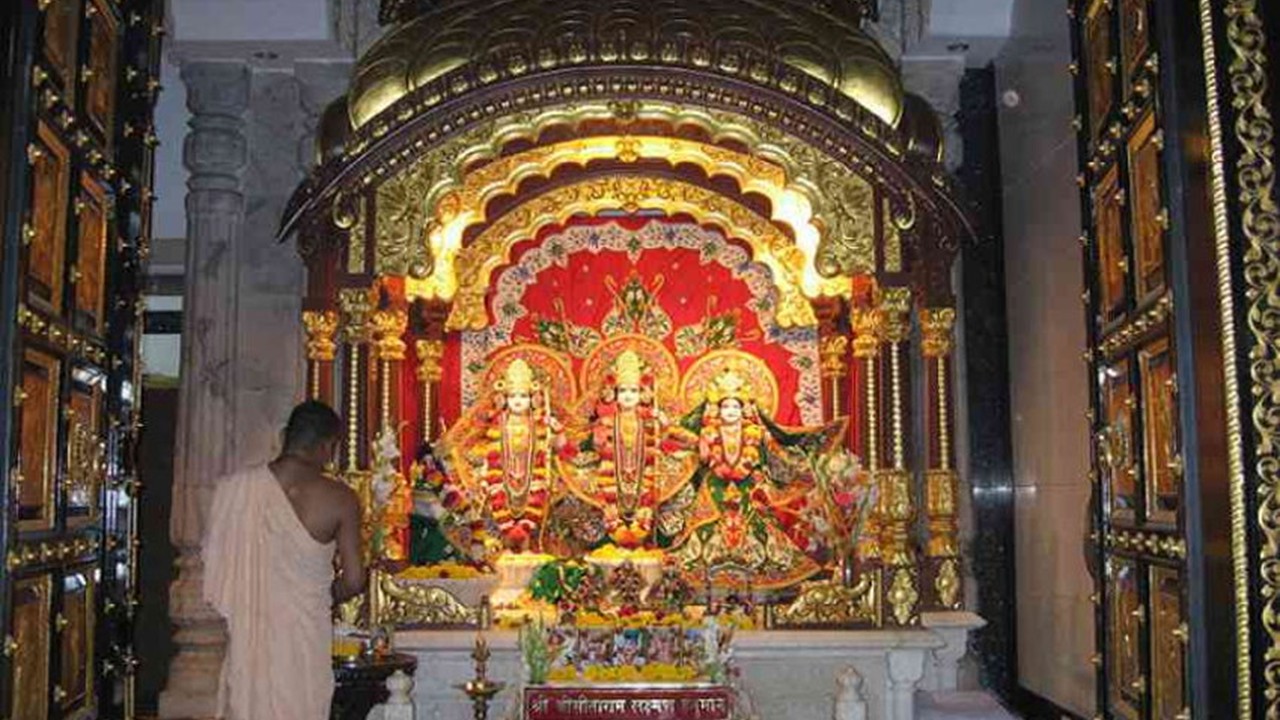
Inside the Raja Ram Darbar at Orchha
A unique feature of this temple is the depiction of Lord Ram holding a sword in one hand and a shield in the other, symbolizing both valor and protection. He is seated in a Padmasana posture, with His left leg elegantly placed over His right thigh, radiating divine grace and authority.
Sthala Purana of Sri Raja Ram Temple
Have you ever wondered how the Rani Mahal became the revered temple of Orchha? According to local belief, the story unfolds as follows.
The kingdom of Orchha was once ruled by Madhukar Shah Ju Dev, a devoted follower of Banke Bihari Ji, a form of Lord Krishna. However, his queen, Ganesh Kunwari, was a devoted worshipper of Lord Sri Rama.
Because of their differing devotions, the king and queen had a disagreement. The king challenged the queen, saying that if her devotion to Lord Rama was true and pure, she should bring the Lord from Ayodhya to Orchha.
Distressed yet determined, the queen set out on a journey from Orchha to Ayodhya with her attendants. Upon reaching Ayodhya, she chose the banks of the Sarayu River for meditation and performed sincere penance for about a month, but there was no sign of Lord Rama’s darshan. She then wandered through the streets of Ayodhya, continuously chanting the holy name of Lord Rama.
After a long struggle filled with grief and unable to have His darshan, she decided to end her life by jumping into the Sarayu River. At that moment, Lord Rama, pleased with her devotion, appeared before her in the form of a small boy and sat on her lap.
A famous doha describes this moment: the same Lord who sat on the lap of Mother Kausalya as the ruler of the universe also sat on the lap of Queen Ganesh Kanwari. The queen was truly blessed—not only did she have His darshan, but the Lord Himself rested on her lap.
- He would begin the journey only during Pushya Nakshatra.
- The first place where He would be placed in Orchha would become His permanent dwelling.
- He would be the king of Orchha.
Meanwhile, upon hearing this, the king began constructing a grand temple for Lord Rama. However, when the queen finally reached the palace, she was extremely tired and placed the Deity in the kitchen.
Later, when they tried to move the idol to the newly built temple, it would not move. From that moment onward, the palace itself became the sacred place where Lord Rama is worshiped.
As per His third condition, Lord Rama asked the queen to request the king to offer his crown to Him. The king, being a true devotee, placed his crown at the Lord’s feet and declared himself a servant forever.
Architecture of Sri Raja Rama Temple
The interiors resemble a royal darbar, highlighting the tradition of worshipping Lord Ram as a king, making the temple a rare blend of palace grandeur and spiritual significance.
Festivals Celebrated at Sri Raja Rama Temple
Ram Vivah Festival: This grand festival commemorates the sacred marriage of Lord Sri Ram and Maa Sita and is observed on Vivah Panchami, observed on the fifth day (Panchami Tithi) of the Shukla Paksha during the Margashirsha month.
It is celebrated with great enthusiasm. The entire town comes alive with devotional songs, bhajans, kirtans, and festive energy.
At the Sri Raja Ram Temple, the celebration resembles a royal wedding ceremony. Lord Ram is adorned as a groom, while Sita Ji is beautifully dressed as a bride, and the temple is decorated like a magnificent palace.
A vibrant baraat (wedding procession) with music and devotees adds to the festive spirit, followed by sacred rituals that reenact the divine wedding.
Diwali: The entire city celebrates the return of Lord Rama to Ayodhya, after defeating Ravana. The temple is beautifully illuminated with diyas.
Dussehra: This is the major festival celebrating the victory of Lord Rama over Ravana. The temple follows traditional rituals and witnesses huge influx of devotees.
Makar Sankranti: Devotees visit the temple for special prayers and offerings.
Holi: It is the festival of colours giving festive vibe to the temple.
All the festivals add royal charm to the Raja Ram Darbar, bringing happiness and divinity to the devotees.
Darshan Timings of Sri Raja Rama Temple
Morning: 8:00 AM to12:30 PM
Aarti Timings of Sri Raja Rama Temple
- Morning Aarti – 8:00 AM
- Rajbhog Chik – 12:00 PM (15 min)
- Rajbhog Aarti – 12:30 PM
- Sandhya Aarti – 8:00 PM
- Vyari Chik – 10:00 PM (15 min)
- Vyari Aarti – 10:30 PM
Best Time to Visit
Nearby Places to Visit
Orchha Fort Complex: It is a heritage site that houses fort, temple, palaces of 16th century Bundela architecture. It is the largest fort in Orchha town of Madhya Pradesh.
Betwa River: Known as Vetravati and often called the “Ganga of Madhya Pradesh,” this river flows through the city of Orchha and serves as an important source of water for agriculture, drinking, and daily life.
Orchha Chhatris: This is 16-17th century cenotaphs, built in honour of Bundela rulers. It is the most photographed site in Orchha. The Chhatris are famous for intricately carved dome and Bundela/Rajput influences.
How to Reach Sri Raja Ram Temple
By Railway: Virangana Lakshmibai Jhansi Railway Station is the nearest railway station, located 13 km away from the temple. From here, either hire an auto/taxi or travel by bus.
By Road: It is connected to major cities like Jhansi (13 km away), Jabalpur (350 km), Datia (50 km) and Tikamgarh (89 km).
Leave a Reply