
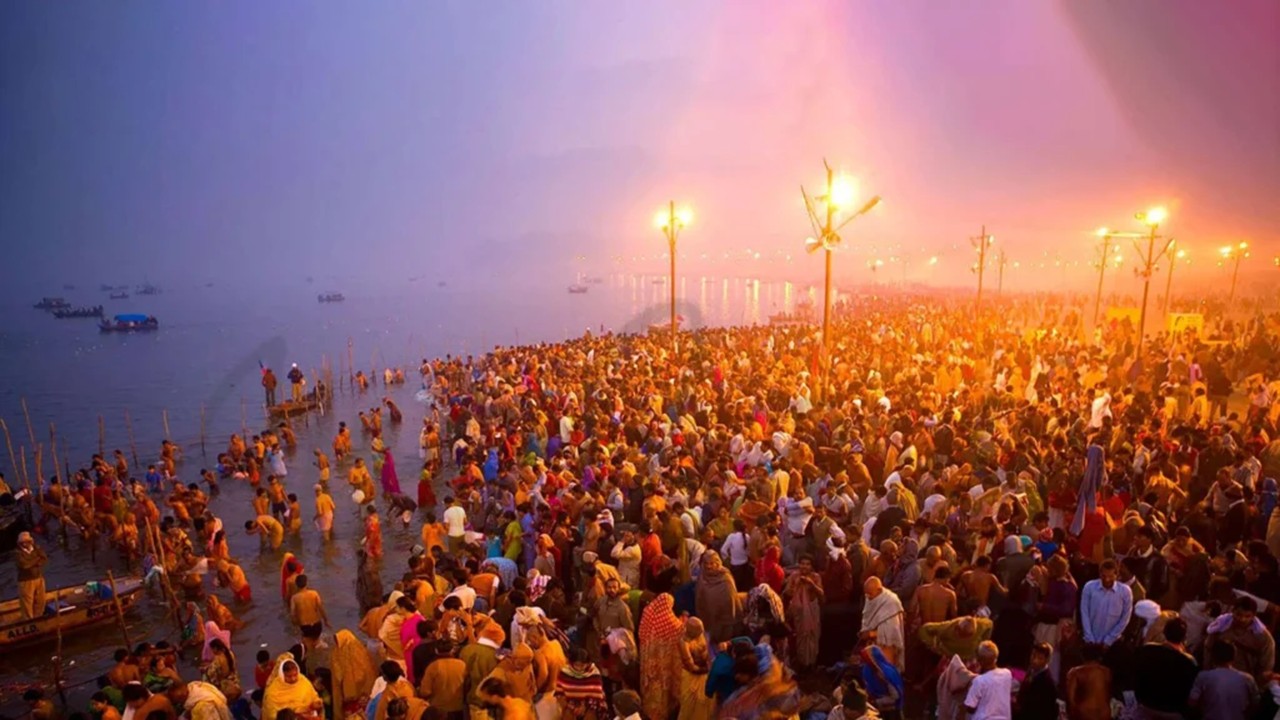
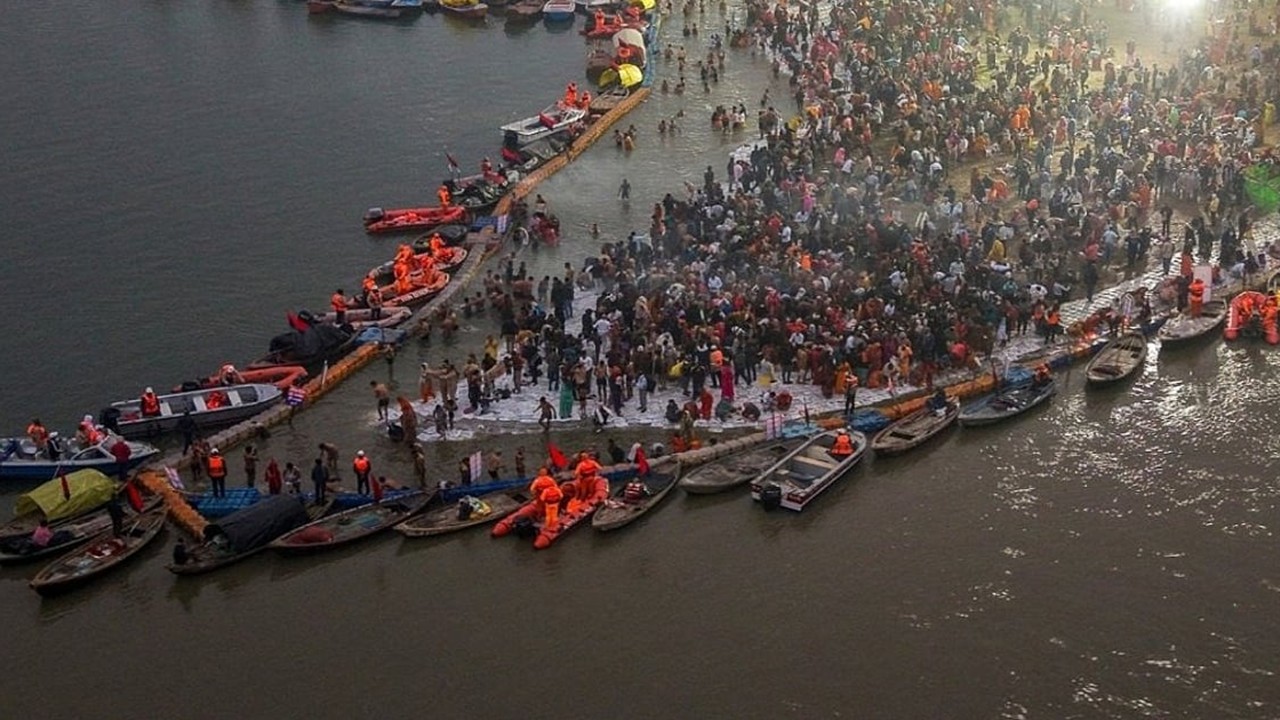
The Magh Mela, deeply rooted in tradition, sees millions of devotees, ascetics, and pilgrims gather to take ritual baths (snans), perform prayers, and engage in meditation and charitable activities. Many participants also observe Kalpavas — a month-long vow of austerity involving meditation, simple living near the riverbanks, and daily prayers.

The festival’s key bathing dates, considered especially sacred, include:
• Paush Purnima – 3 January
• Makar Sankranti – 14/15 January
• Mauni Amavasya – 18 January
• Basant Panchami – 23 January
• Maghi Purnima – 1 February
• Mahashivaratri – 15 February
Officials note that devotion was palpable during the opening rituals, with tens of thousands of pilgrims braving cold weather for the sacred dips. Authorities have bolstered security, sanitation, and transport arrangements to manage the massive influx and ensure a smooth experience for visitors.
Apart from the religious observances, the Mela features cultural programs, spiritual discourses, and wellness activities aimed at enhancing the overall experience for attendees. The event is not only a religious gathering but also a celebration of India’s diverse spiritual and cultural heritage.
Leave a Reply