

Addressing the media in Shimla, Negi noted that while trade at the pass has traditionally been modest, its revival could play a crucial role in boosting local employment and livelihoods in the remote border districts of Kinnaur and Lahaul-Spiti. The minister underscored that facilitating cross-border commerce would help bolster incomes for traders and youth, who have faced economic stagnation since trade ground to a halt in 2020 due to the pandemic and geopolitical tensions.
Negi also touched upon the broader potential of opening Shipki La beyond trade. He said the state government is exploring ways to make the pass a convenient route for the Kailash-Mansarovar Yatra, a revered spiritual pilgrimage, which could attract more visitors and provide a much-needed boost to the region’s tourism sector. Earlier state government communications have highlighted that military and civilian authorities are working to integrate Shipki La into pilgrimage plans as part of ongoing discussions with the Centre, which recently received positive indications from the Union Ministry of Tourism.
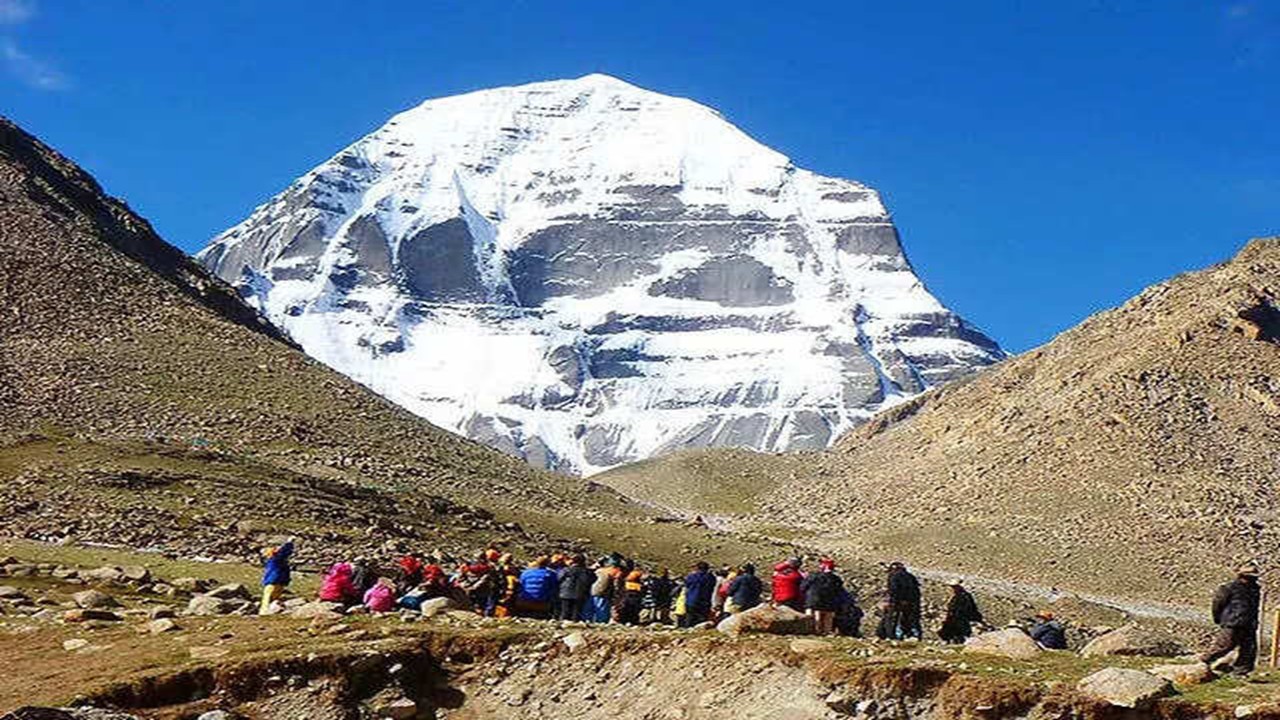
“We are optimistic that reopening this ancient link will not only enhance trade but will also create employment opportunities and support cultural and spiritual exchanges,” Negi said, reaffirming the state’s commitment to working closely with the Union government and security agencies to move forward on both trade and pilgrimage fronts. The state has been actively lobbying for formalities to be completed and infrastructure to be developed at the pass to support this vision.
The Shipki La Pass, a traditional trade corridor between India and Tibet, has long been considered symbolic of trans-Himalayan connectivity, with renewed efforts underway to restore its economic and cultural relevance.
Experience temples like never before! Download the Temples of Bharat App for daily news and updates. To get updates on WhatsApp, send “Start” to 9844700850 (WhatsApp only).









Leave a Reply