
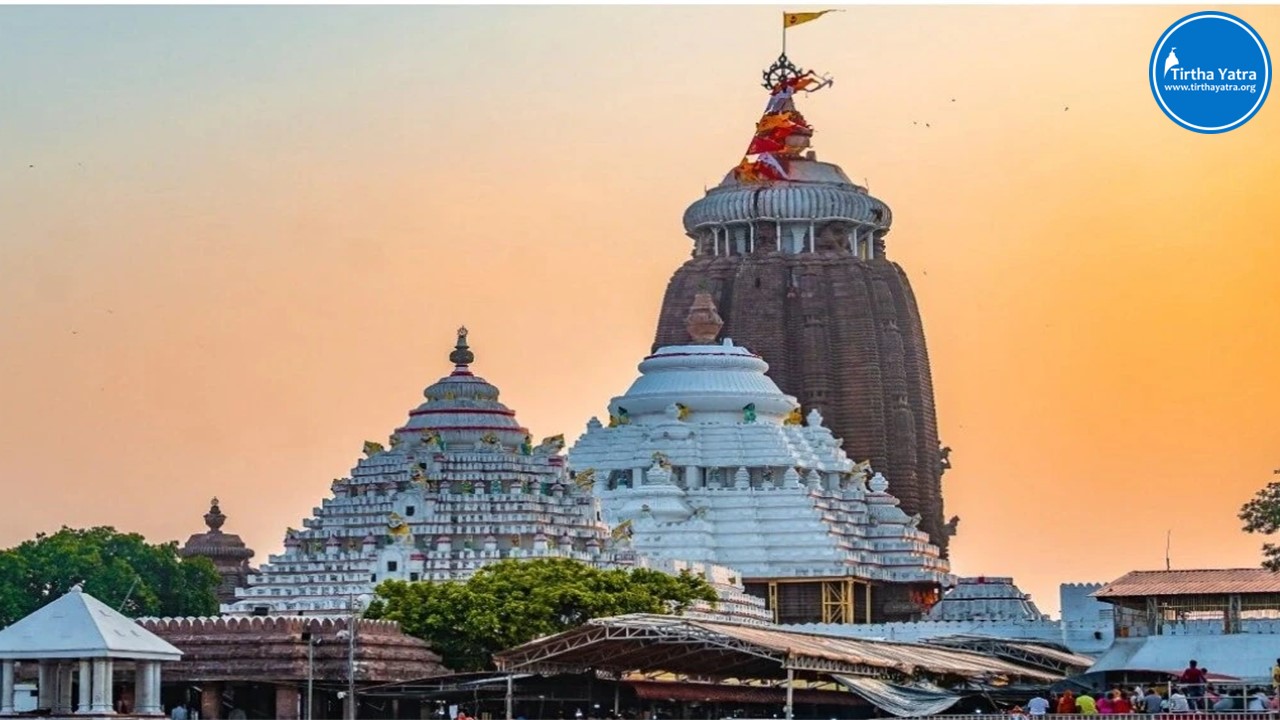
The no-fly zone over Jagannath Temple bans all drone and UAV (Unmanned Aerial Vehicle) operations within the temple’s airspace. As per the DGCA directive, no drone, camera drone, or aerial device can be flown near the temple premises without special approval. Violators will face strict legal action under India’s civil aviation safety rules.
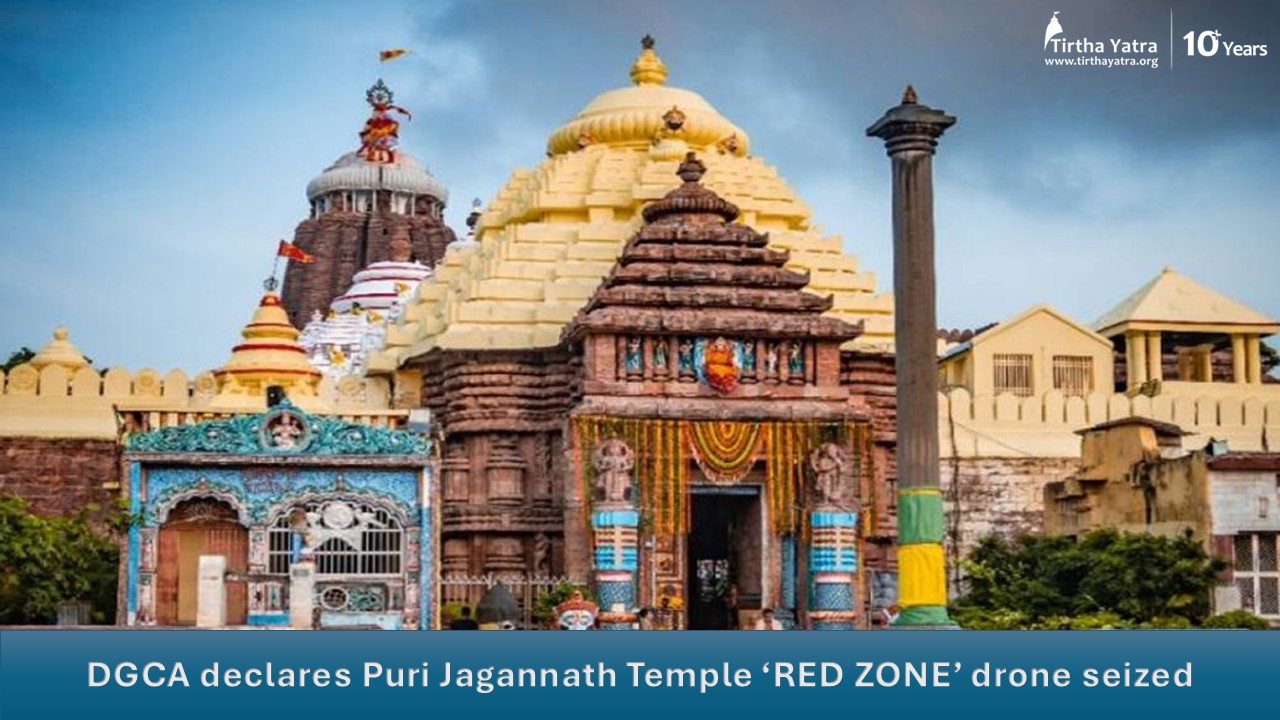
Why the DGCA Declared Puri Jagannath Temple a Red Zone
The 12th-century Sri Jagannath Temple, one of India’s Char Dham pilgrimage sites, welcomes millions of devotees each year — especially during the Rath Yatra Festival. With the rising use of drones for photography and live streaming, authorities expressed serious concerns about aerial safety, privacy breaches, and crowd management.
By declaring the temple a Red Zone, the DGCA aims to prevent unauthorized drone activity, ensure public safety during rituals and festivals, and preserve the sanctity of the temple environment. The Sri Jagannath Temple Administration (SJTA) has supported the decision, calling it “an essential step to protect both devotees and divine heritage.”
Puri Joins the List of India’s Protected No-Fly Heritage Sites
With this directive, the Jagannath Temple joins heritage landmarks like the Taj Mahal, Red Fort, and Parliament House, which are also under strict no-fly regulations. Officials have urged photographers, vloggers, and visitors to follow the guidelines and avoid using aerial equipment near the temple.
The DGCA’s no-fly zone notification underlines the government’s focus on securing spiritual landmarks, safeguarding devotees, and ensuring airspace safety around major religious and cultural sites.
FAQs: DGCA No-Fly Zone Over Sri Jagannath Temple, Puri
- Why has the DGCA declared the Jagannath Temple in Puri a No-Fly Zone?
The DGCA declared it a No-Fly Zone to enhance temple security, prevent drone misuse, and protect devotees during large gatherings and festivals. - Until when will the No-Fly Zone remain in effect?
The restriction is effective for three years — until September 25, 2028 — unless extended or modified by the DGCA. - Can I fly a drone near the Jagannath Temple with permission?
Only the government or authorized agencies with DGCA approval can operate drones in the restricted area. General tourists and content creators are not allowed. - What happens if someone violates the No-Fly Zone rule?
Unauthorized drone flying in a Red Zone is a punishable offense under DGCA regulations and may result in fines, confiscation, or legal action. - Are there other heritage sites in India with similar restrictions?
Yes. The Taj Mahal, Red Fort, Parliament House, and India Gate are also designated No-Fly or Red Zones by the DGCA to ensure security and heritage conservation.




Comment On Sri Jagannath Temple Declared No-Fly Zone Till 2028
natarajan agoram
need of the hour more and more heritage places has to be strictly monitored and preserved
#jaijagannath