
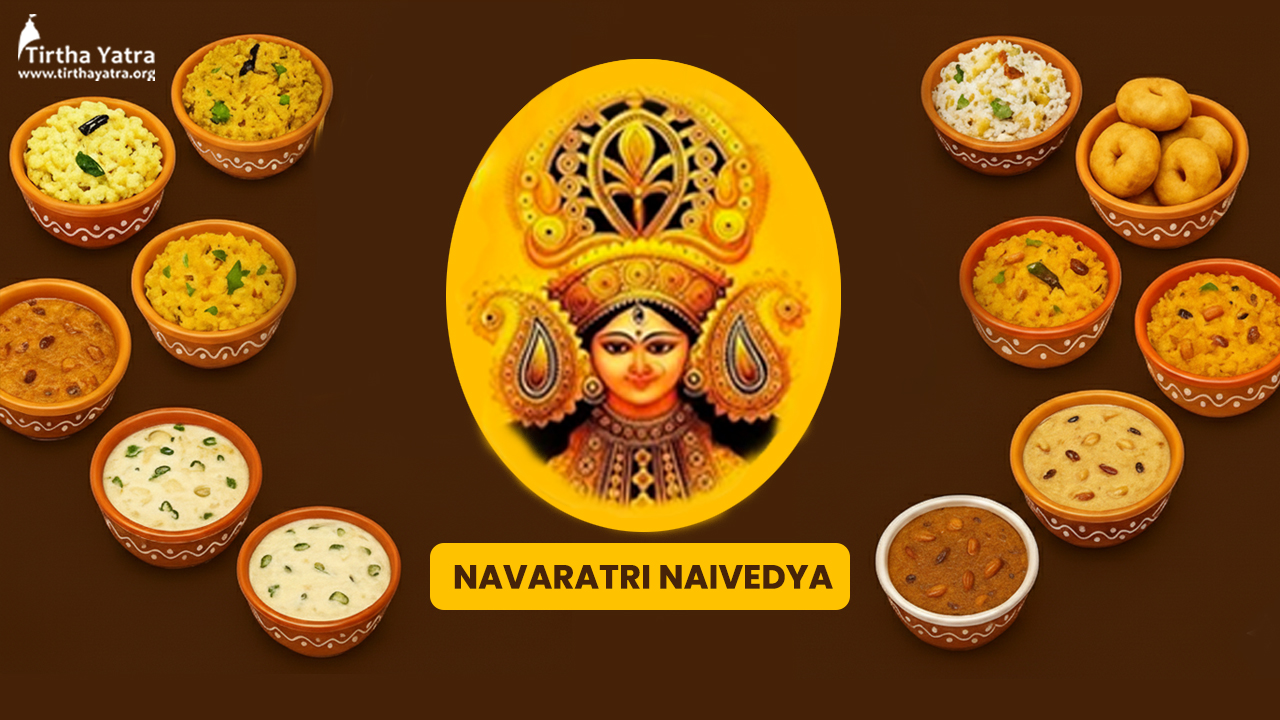
Navaratri, commonly known as Sharadiya Navaratri, is a deeply revered festival observed in the Hindu month of Ashwina (or Ashwayuja). Throughout these nine auspicious days, Goddess Durga is worshipped in nine divine forms. A special phase of this celebration involves preparing and offering various prasadam, meant to honor the Divine Mother and elevate one’s spiritual aura, inviting abundance, wisdom, strength, and prosperity.
In many devotional traditions, especially in South India, women observe vrat (fasts) and craft sacred offerings to please the Devi. Items like turmeric, kumkum, betel leaves and nuts, five varieties of fruits, and freshly scented flowers are customarily offered to enhance spiritual energy.
A profound reference to such prasadam offerings is found within Lalitha Sahasranama, the sacred stotra that venerates the 1000 names of Lalitha Devi. Several of the Divine names explicitly mention the kind of food offering the Devi delights in. Traditionally, it is said that Goddess Durga accepts six particular kinds of offerings:
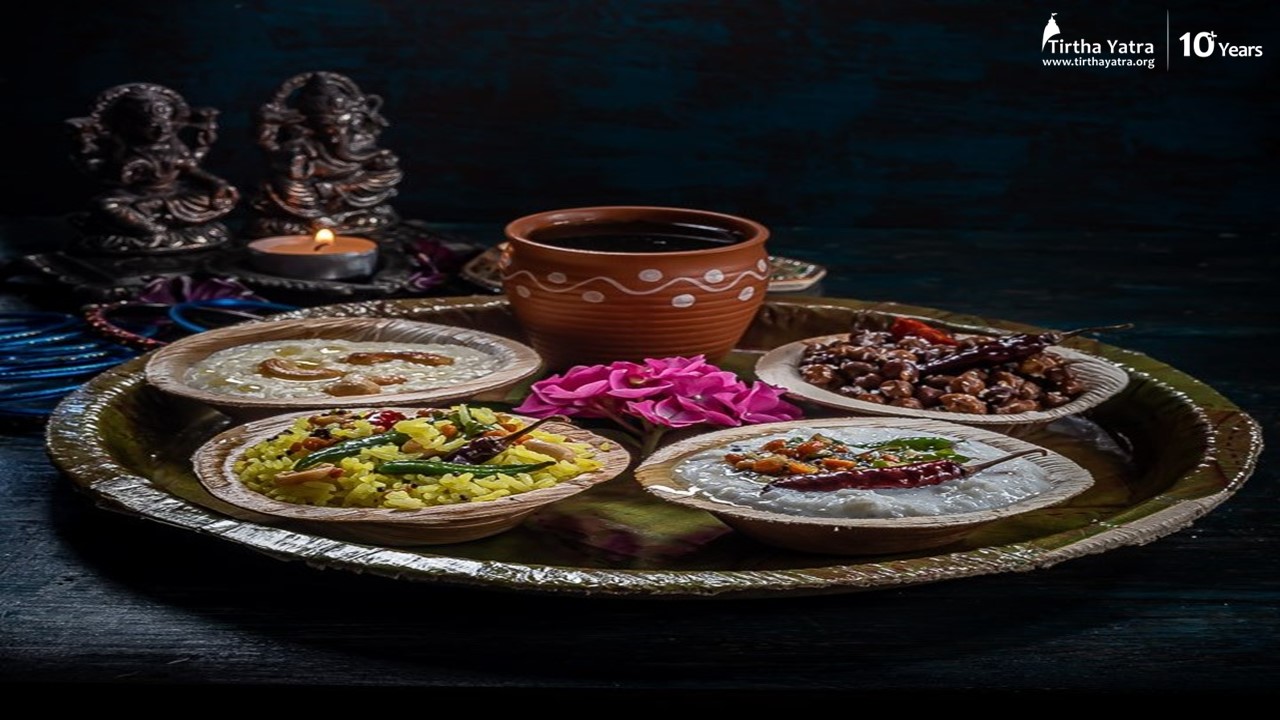
- Payasanna-priya – “She who delights in sweet rice (payasam)”. Offering payasam draws sweetness into life and fosters a deeper spiritual bond.
- Gudanna-preetha-manasa – “She who enjoys rice mixed with jaggery (Sweet Pongal or Chakkara Pongal”). Blending sweetness and sustenance, this prasadam symbolizes harmony between material nourishment and spiritual joy.
- Sniggodhana-priya – “She who loves ghee-mixed rice (Ghee Rice)”. Ghee represents richness and purity, inviting blessings of abundance and mental clarity. (“Sniggodhana-priya” corresponds closely with “Siddhodana priya” in some interpretations.)
- Dhadyanna-saktha-hridaya – “She whose heart is inclined to curd-rice (dadhi)”. Curd rice reflects calmness, digestive ease, and nurturing—qualities mirroring the soothing presence of the Divine Mother.
- Mudgoudana-saktha-citta – “She who favors rice mixed with green gram (moong dal pongal)”. This humble offering signifies grounded cultivation and spiritual nourishment through simplicity.
- Hardranna-rasika – “She who relishes rice mixed with turmeric”. Turmeric is auspicious and purifying—symbolizing healing, protection, and spiritual radiance.
Why These Offerings Matter
- Spiritual symbolism: Each prasadam resonates with deeper meanings—purity (ghee), tranquility (curd-rice), sweetness (payasam, jaggery), growth (moong dal), and auspiciousness (turmeric).
- Holistic harmony: The offerings blend physical nourishment with spiritual intention, illustrating that the material and the divine can coexist seamlessly.
- Traditional continuity: Rooted in sacred verses, these practices reinforce the living tradition of invoking the Devi through mindful, symbolic devotion.






Comment On Navaratri Naivedya: Food which pleases Devi more
Vinodini
Interesting. Thanks. Do offer, but realized the significance.