
Symbolic Significance of the Squirrel in Ramayana
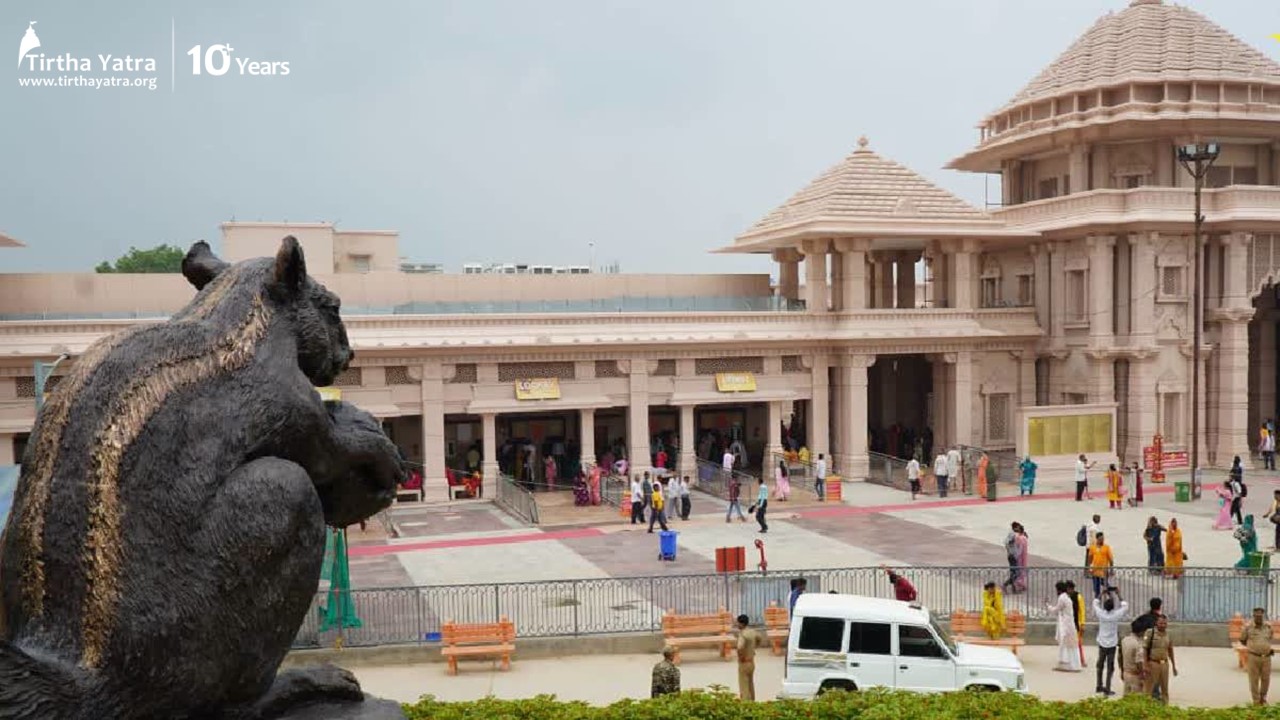
According to the Ramayana, when Lord Rama was preparing to build the bridge (Ram Setu) to Lanka, armies of vanaras (monkeys) were engaged in moving massive rocks into the ocean. A small squirrel, eager to contribute, carried tiny pebbles and sand grains to assist in the construction. Impressed by the squirrel’s devotion, Lord Rama affectionately stroked its back, leaving the three distinct lines that are still believed to be seen on squirrels today.
The installation of the squirrel statue at the temple site is a symbolic reminder that no act of service is too small when it is offered with devotion.
Statement from the Temple Committee
Nripendra Mishra, Chairman of the temple construction committee, confirmed the placement of the statue. He stated that the squirrel has been installed at Angad Teela in such a way that it appears to be gazing at the Ram temple. This placement emphasizes humility, devotion, and the collective spirit that continues to shape the temple’s legacy.
Temple Nears Completion
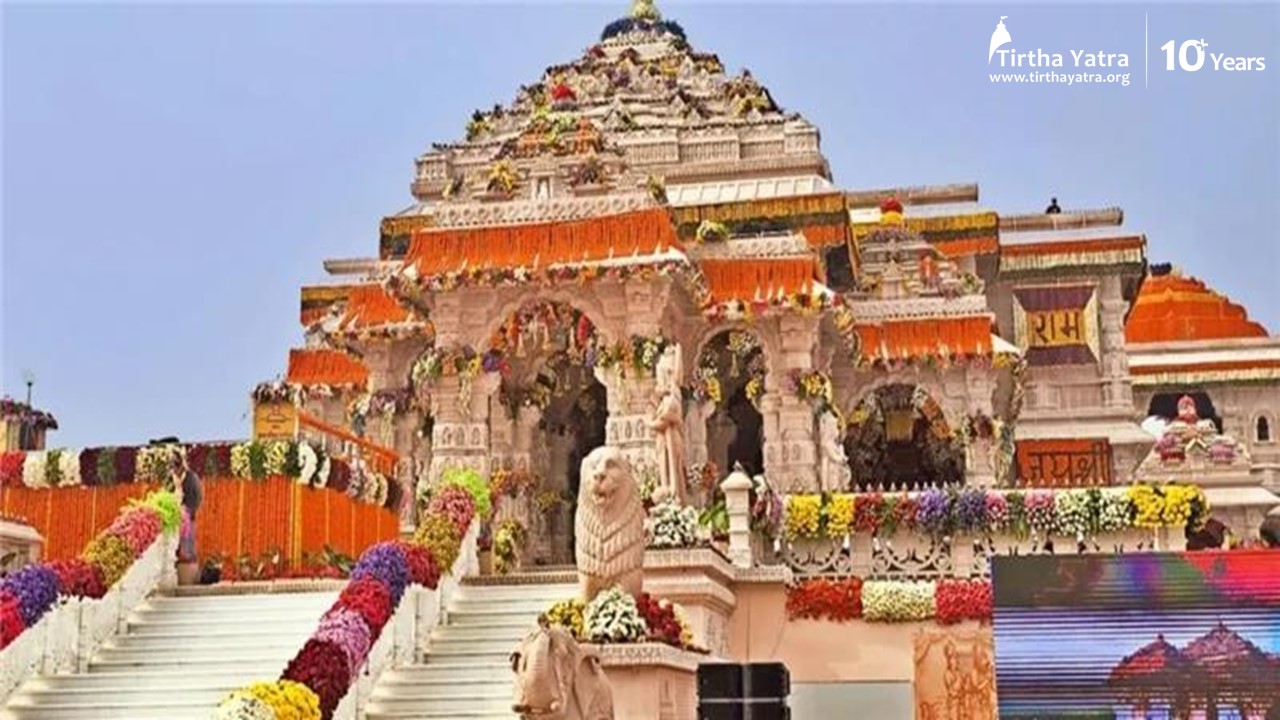
With the main structure of the Ram Mandir progressing at a rapid pace, anticipation is growing for the temple’s grand opening. The project has been receiving global attention, with devotees from across India and abroad contributing toward its construction. The addition of the squirrel statue highlights the temple’s deep connection with the epic narratives of Lord Rama’s life and teachings.
A Tribute to Collective Devotion
The installation serves as a tribute to all devotees, donors, and workers who, like the squirrel, have contributed in various ways to the temple’s construction. Whether through financial support, physical labor, or prayers, the Ram Janmabhoomi Mandir is seen as a result of collective faith and effort.
As Ayodhya prepares for the historic inauguration, the squirrel statue will remain a symbol of devotion, humility, and service for generations of devotees visiting the holy site.





Leave a Reply