
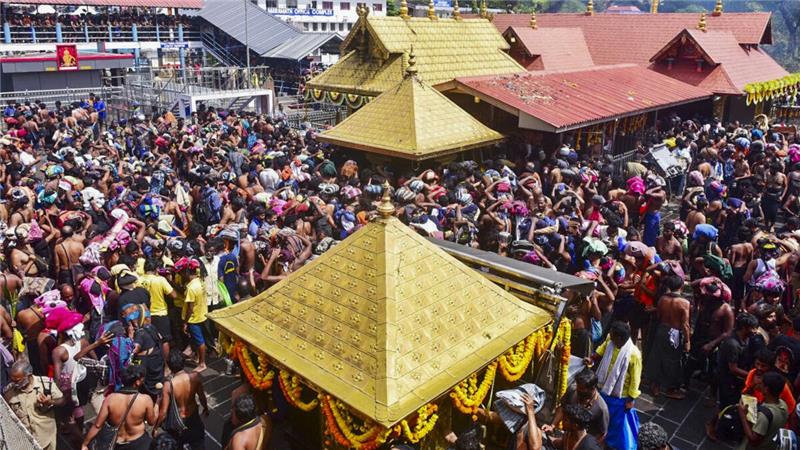
This longstanding religious journey, observed by over 15,000 Sri Lankan nationals each year from November through January, has finally received formal acknowledgment. The decision was taken during a routine cabinet meeting in Colombo, where ministers deliberated on enhancing cross-border cultural cooperation and support for devotees.
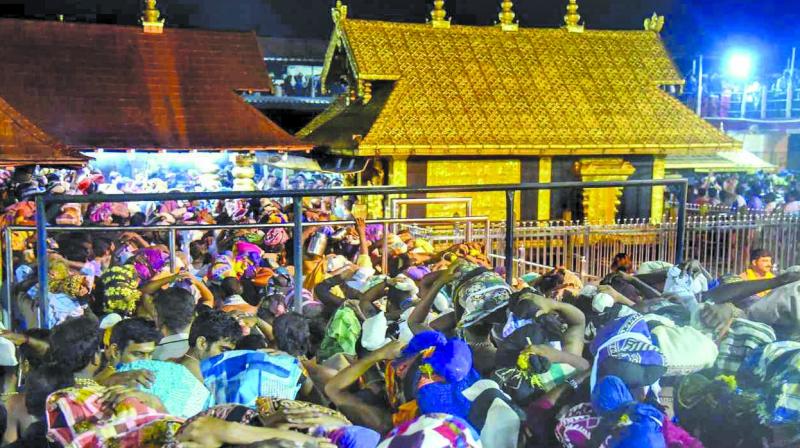
Sri Lankan devotees traditionally embark on the pilgrimage to Sabarimala to participate in two key seasonal rites: the Mandala Pooja—which spans from November through December—and the Makaravilakku festival held in January. The pilgrimage concludes shortly after the Makaravilakku rites, when the shrine closes.
In a government-issued statement, officials highlighted that devotees “have for a long period worshipped” at the Sabarimala Ayyappa temple, and the new resolution ensures formal recognition of this deep-rooted spiritual practice.
Officials expect that the recognition will not only simplify logistical arrangements—such as travel and consular support—for pilgrims, but also fortify cultural and religious ties between Sri Lanka and India. Many devotees have engaged in this pilgrimage as part of enduring community traditions passed down through generations.
While Sri Lankans have long journeyed to Sabarimala, the official nod marks a significant gesture of state support for multicultural and cross-religious engagement.
With religious diplomacy on the rise, Sri Lanka’s formal recognition of the Sabarimala pilgrimage is poised to deepen cultural ties and mutual respect with India. This strategic move may pave the way for smoother pilgrimage travel, collaborative cultural initiatives, and broader engagement with devotees making this sacred journey.


Leave a Reply