
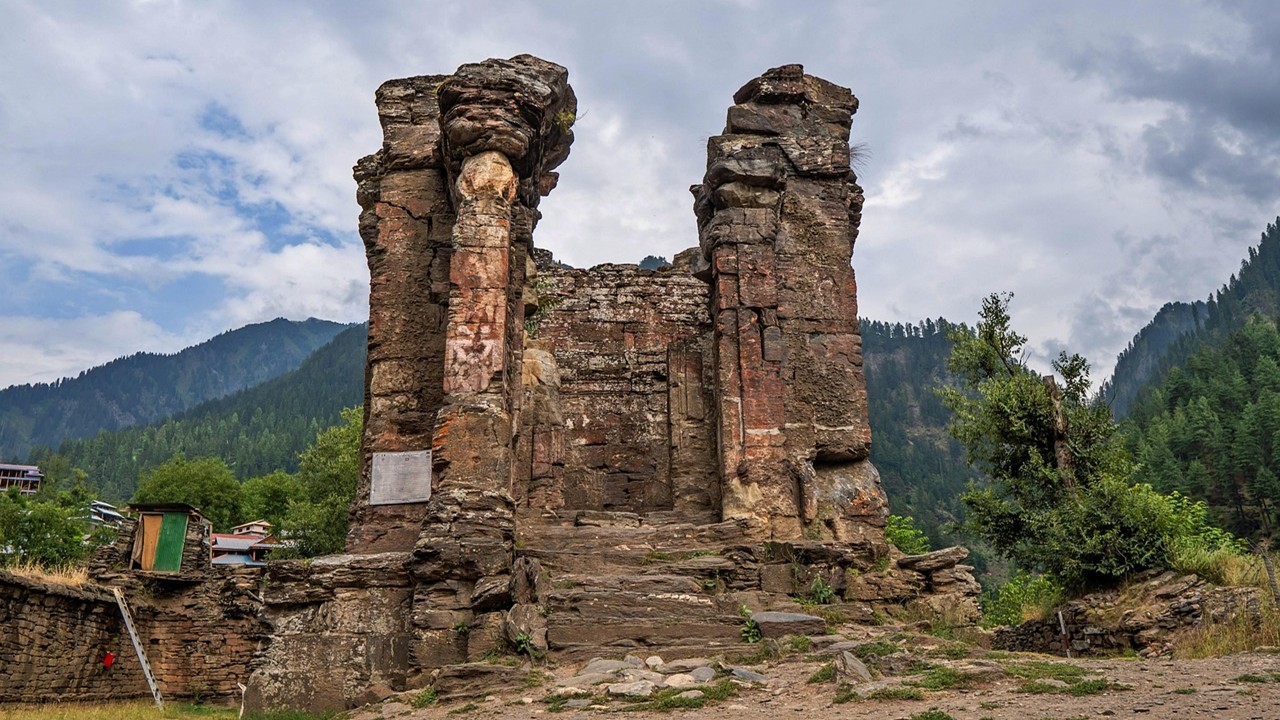
Dedicated to the worship of Goddess Sharada, the deity of Knowledge and wisdom, this ancient temple once flourished as a major seat of knowledge, comparable to renowned institutions like Nalanda and Takshashila.
Sharada
Shakti Peetha was especially celebrated for its vast and prestigious library, which attracted scholars from far and wide.Goddess Saraswati, the goddess of learning, is worshipped in the form of Goddess Sharada. As the name itself suggests, it is the ‘Seat of Sharada’.
Sharada
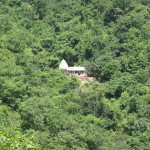
Shakti Peetha is located on the banks of the river Kishanganga near the LOC border. Located in the Sharada village in the Neelum valley, in the Pakistani-administered territory of Azad Kashmir.Presently, it is an abandoned temple in the land of Pakistan. Uncared for, unattended, and in a ruined state. So far, no attempt has been made to restore the old legacy of the temple.
Today, the temple lies in ruins, quietly bearing testimony to its former grandeur and the lasting spiritual and historical importance it once held.

How Kashmiri Pandits Revered Sharada Shakti Peetha
In every Kashmiri family, they would offer their child’s first education to Goddess Sharada. It is a part of their culture and traditions.
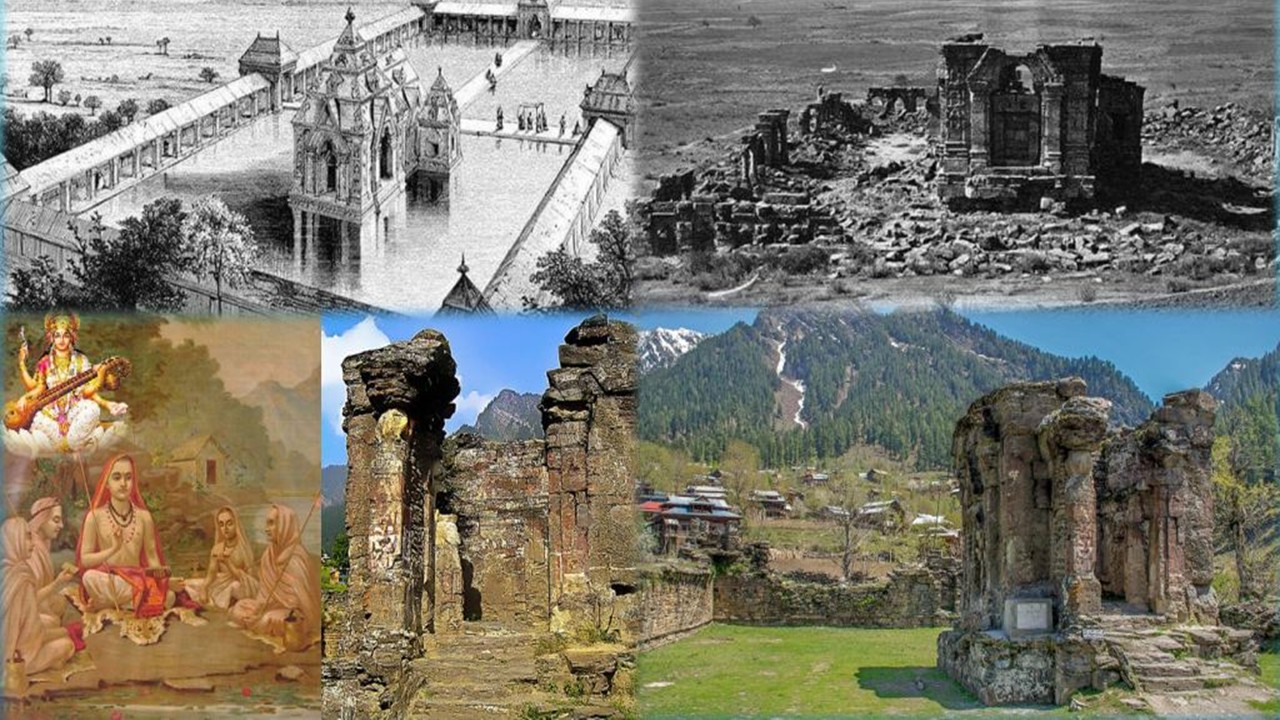
For the Kashmiri Pandits, it is one of the three prominent religious sites. Martand Sun Temple and the Amarnath Temple are the other two sacred sites of worship.
Due to the presence of the Sharada Peetha in Kashmir and its strong influence, the land of Kashmir was called “Sharada Desh”.
It was the sacred abode of Goddess Sharada, where scholars, philosophers, and spiritual seekers would gather to exchange knowledge.
Why is it called Shakti Peetha?
New Sharada Temple Has Been Established in the Kashmir Valley
After 70 years of Independence, a new Sharada Temple was built in Teetwal in the Kashmir Valley under the leadership of Ravinder Pandit. The deity inside the garbhagriha was crafted from Panchaloha (five metals) by the skilled artisans in Sringeri, Karnataka. The pranapratishta ceremony was performed by Sri Bharati
Tirtha Mahaswamiji, the revered Jagadguru of Sri Sringeri Sharada Peetham.
This historic event stands as a significant milestone in the spiritual and cultural revival of the Kashmir Valley.
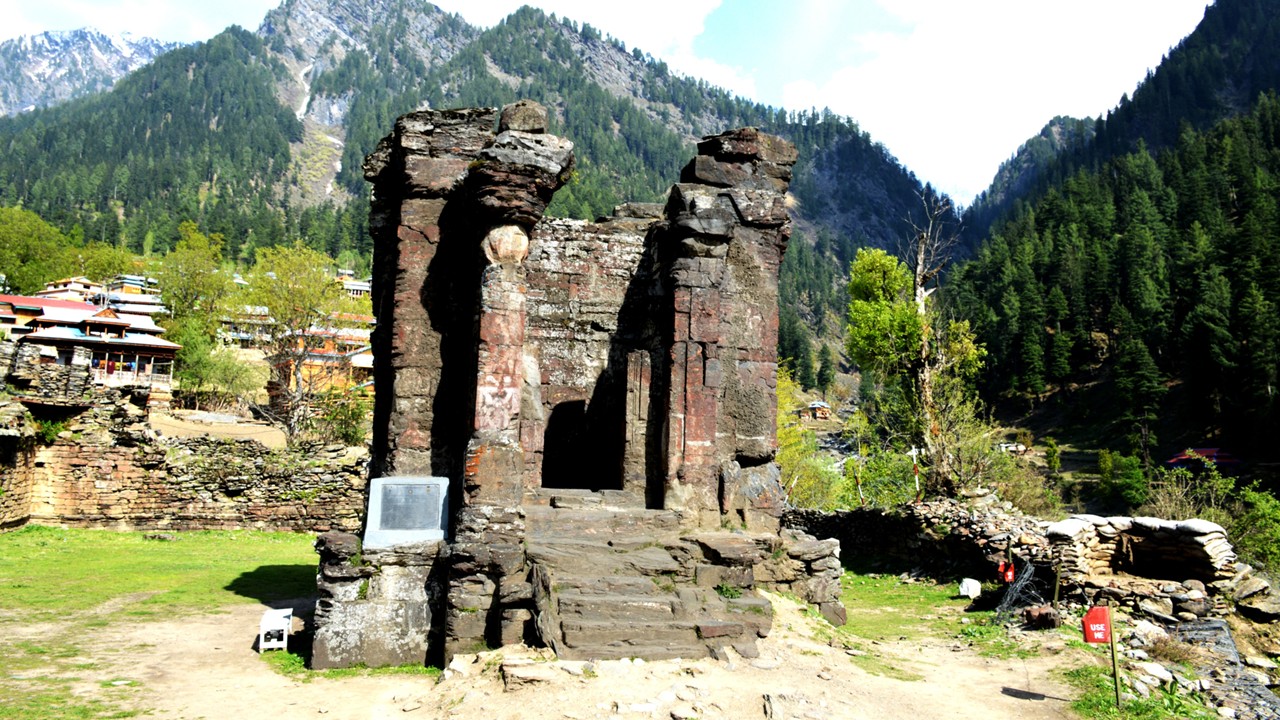
Sharada Peetha as a Major Center of Learning
The presiding Deity of the temple is Sharada Devi, the goddess of knowledge, wisdom, learning, art, creativity, and music.
It was once the most renowned and influential center of learning, attracting many scholars from Kashmir, Central Asia, Northwest India, and also from regions from faraway places like Tibet, Greece, and Mesopotamia.
It was a hub for studying the Vedas, philosophy, grammar, logic, mathematics, astrology, astronomy, and literary arts. It was equal in status as compared to Takshashila and Nalanda University.
Sharada
Peetha functioned not only as a sacred temple but also as a distinguished seat of education between the 6th and 12th centuries CE. The temple is dedicated to Sharada Devi, the goddess who embodies knowledge, wisdom, learning, arts, creativity, and music.During its peak, the Peetha emerged as a highly respected intellectual hub, drawing scholars from Kashmir, Central Asia, Northwest India, and even distant regions such as Tibet, Greece, and Mesopotamia. It evolved into a vibrant centre for the study of the Vedas, philosophy, grammar, logic, mathematics, astrology, astronomy, and various literary disciplines. Its academic reputation placed it on par with the great ancient universities of Takshashila and Nalanda.
How it Attracted Great Scholars
Kalhana states that the goddess Saraswati herself appears as a swan in a lake on Bheda Hill near Sharada Peetha, making it a place of direct divine experience.
It was a hub for Vedic works, scriptures, and commentaries, and scholars like Adi Shankara and Kalhana are said to have been associated with it.
It was also a place where scholars like Panini completed their work on Sanskrit grammar.
Sthala Purana of Sharada Peetha
Architecture of Sharada Peetha





Leave a Reply