
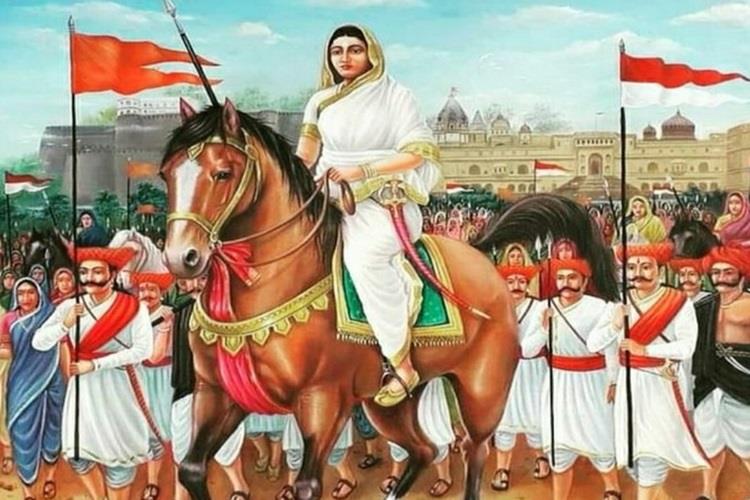
Ahilyabai’s ascent to the throne came under extraordinary circumstances. Following the untimely loss of her husband, Khanderao Holkar, and her father-in-law, Malhar Rao Holkar, the duty of administering the Malwa region was placed upon her shoulders.Far from being a symbolic ruler, she personally led armies, fortified her kingdom against external threats, and ensured stability in an era marked by political turbulence.
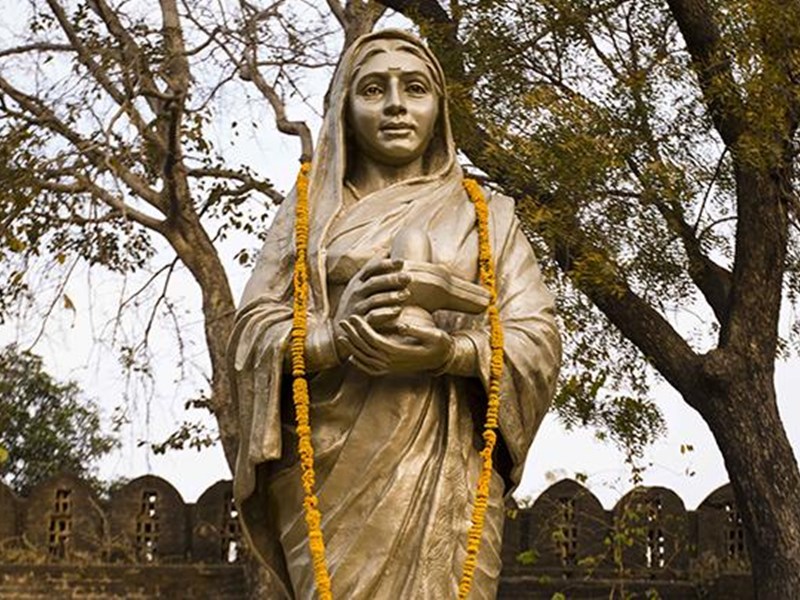
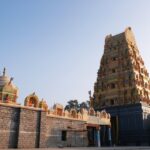
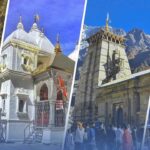
Establishing Maheshwar as her capital, Ahilyabai transformed it into a hub of culture, architecture, and spiritual devotion. Her reign was marked by an unparalleled dedication to public welfare and religious endowment. She commissioned the construction and restoration of hundreds of temples, ghats, and dharmashalas across the Indian subcontinent, from Somnath in Gujarat to Kashi in Uttar Pradesh. Her initiatives not only preserved India’s sacred heritage but also boosted pilgrimage and local economies.
Ahilyabai’s leadership style combined military acumen with compassionate governance. She implemented fair tax policies, supported artisans, and ensured that justice was accessible to all, regardless of social standing. Her court became known for its integrity, transparency, and deep respect for dharma.
As India pays tribute on this day, her life continues to inspire not only historians but also leaders and citizens, reminding us that true power lies in service, justice, and unwavering commitment to the greater good.




Leave a Reply