
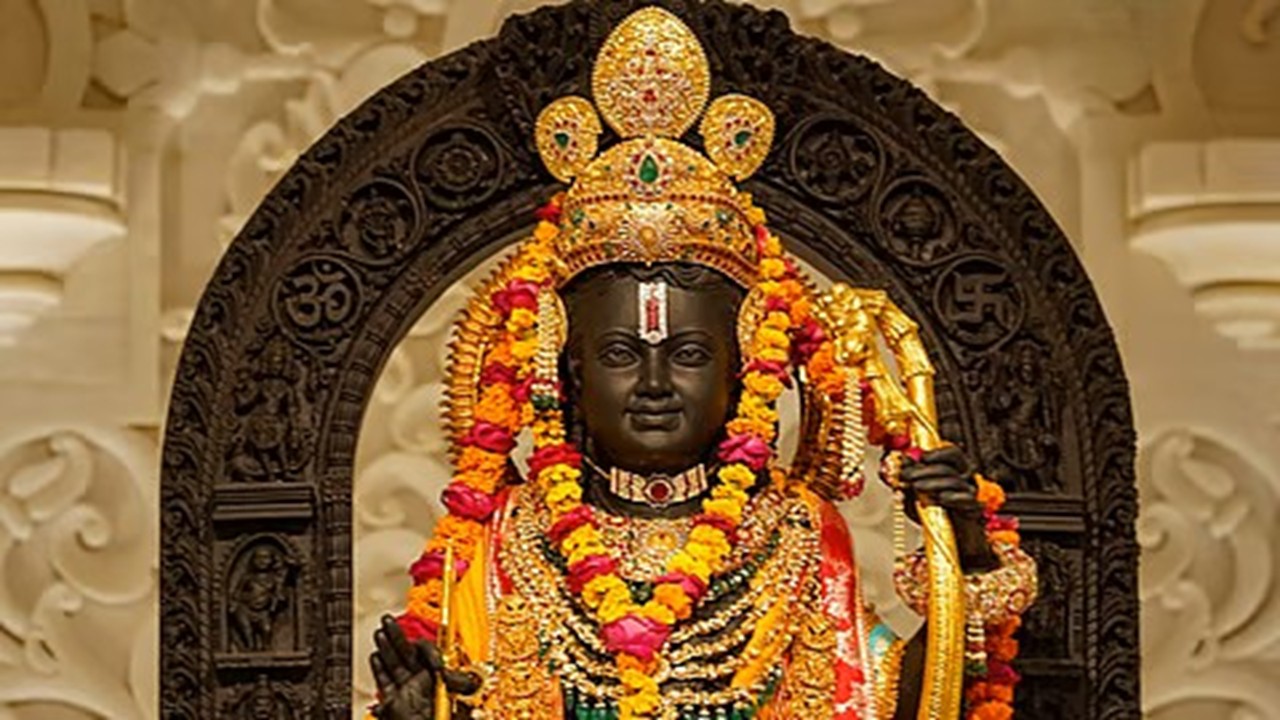
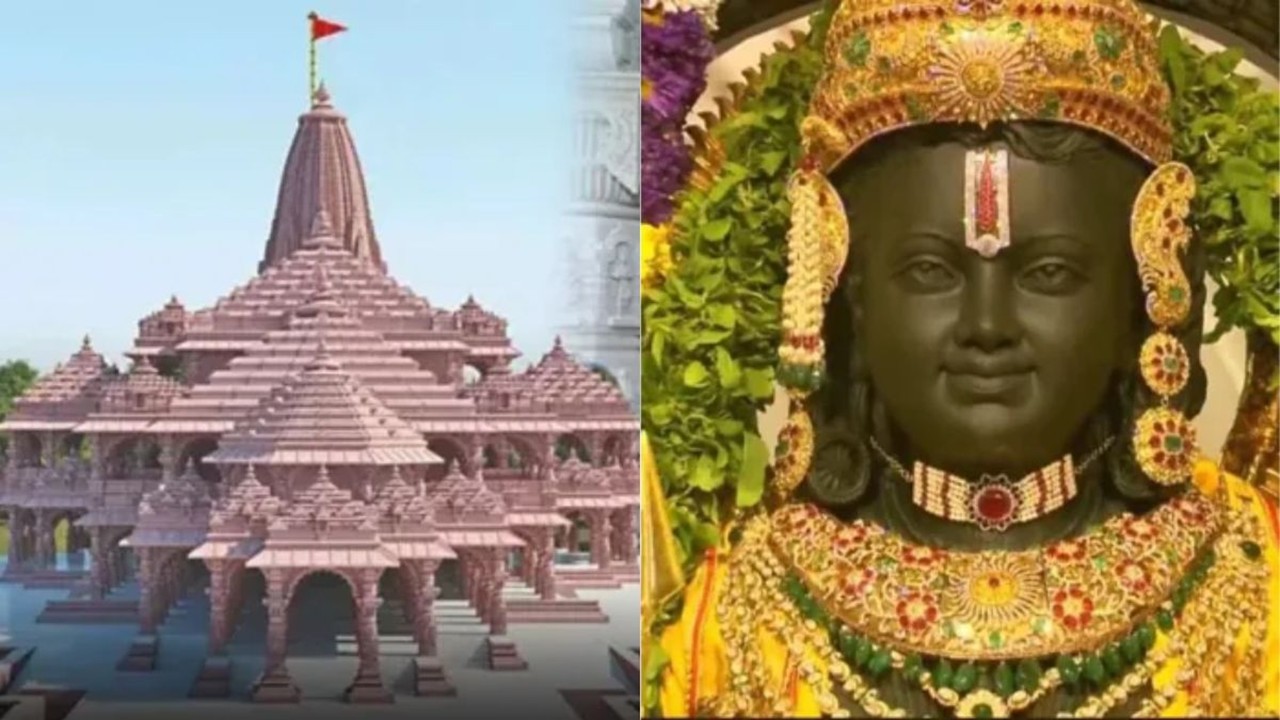
Temple authorities confirmed that the early morning Mangala Aarti will now commence 40 minutes later than the previous schedule. This adjustment gives Ramlala more rest before the start of the day’s first darshan. Similarly, evening and night-time rituals have been rescheduled so that the deity can retire earlier during the winter months. According to temple officials, the modifications were carefully considered to uphold traditional practices while responding to seasonal requirements.
Just as people alter their routines during colder weather, the Deity’s daily timetable also needs to reflect these natural shifts. He stated that the extended rest period ensures that Ramlala remains in harmony with the winter climate, while still maintaining all essential rituals prescribed by temple traditions.
Revised Ritual and Darshan Timings
Under the updated winter schedule, morning darshan will begin later than usual. Rituals such as alankaram (dressing), shringaar, and bhog offerings have been slightly reorganized to match the new timing pattern. The Shringaar Aarti, which previously took place earlier in the day, will now be performed after the extended rest period, keeping all temple activities synchronized and seamless.
Managing Growing Devotee Footfall
The temple administration also noted that the revised timings will help accommodate the increasing number of pilgrims visiting Ayodhya. With winter tourism and religious activity expected to rise, the new schedule is designed to ensure smooth flow, reduce congestion, and enhance the overall darshan experience for devotees from across the country.
This marks the second seasonal adjustment to Ramlala’s routine since the grand inauguration of the Ayodhya Ram Mandir earlier this year. Officials emphasized that such periodic changes help preserve traditional worship practices while adapting to environmental and logistical needs.



Comment On Ram Lalla’s Night Rest Extended by One Hour in Ayodhya’s Winter Schedule
Kadaba Sreenivasa Raghava.
Om Namo NARAYANA! Jai Sri Ram.