
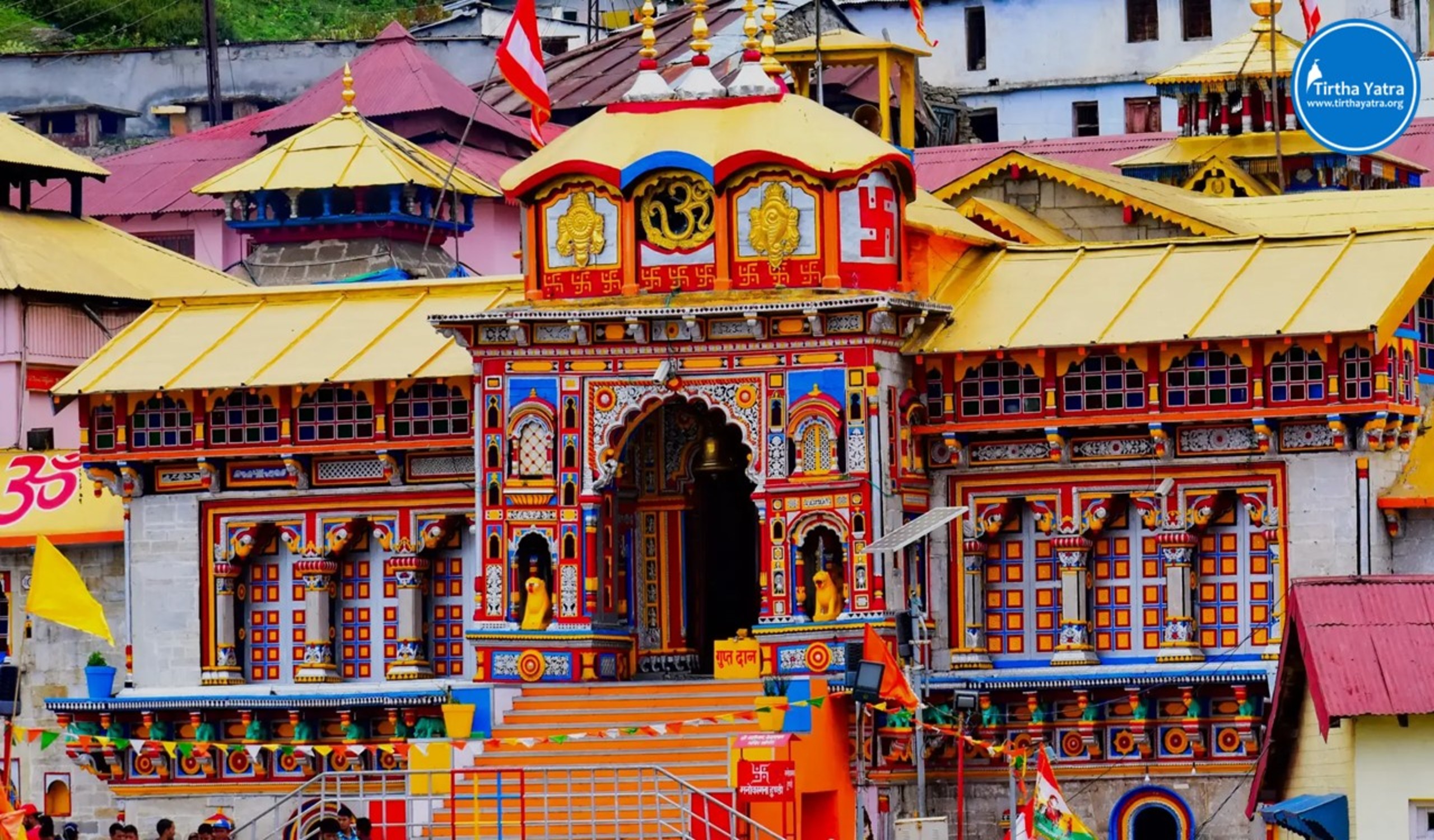
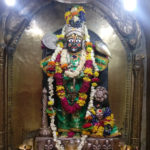
The festival’s highlight was a profoundly moving ritual: the Abhishek (holy bath) of the Mother Deity performed in her very lap, followed by the offering of Rajabhog (a royal feast). Devotees, their eyes moist with devotion, humbly received the deity’s blessings and returned each day to uphold the welfare of Lord Badrivishal, the presiding deity of the shrine.
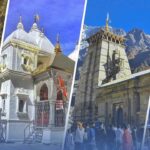
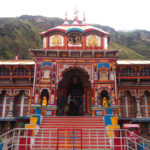
Sribadrinath Dham, revered as Ashtamo Bhu Vaikuntha Dham—the “Eighth Abode of Vaikuntha”—remains a cornerstone of spiritual tradition. Its head priest, the Rawal, begins each day with a sacred immersion in the tapt kund (hot spring), followed by temple worship. Attired in ceremonial garb and preceded by a staff-bearing attendant, the Rawal performs this tapt kund ritual four times daily, observing traditions intact for generations.
On Vamana Dvadasi, according to custom, the Rawal ventures beyond the Panchsila precinct, traversing through Vajastha to reach Badrikashram, symbolizing an ancient and sacred pilgrimage.
This year’s celebration was notably vibrant, with Mana village’s Bhotia women garbed in colorful traditional attire. They welcomed the Mother Deity’s procession with offerings of verdant barley stalks—symbols of renewal and devotion—later distributed among devotees as prasad.
Legendary lore narrates that when Nara–Narayana served their mother with unwavering devotion; she granted them the boon of becoming ascetics. Later, longing to reunite, the mother made penance near Mana in Shamyaprasa, prompting an annual vow from them—and from devotees since then—to meet and pay homage. On Vamana Dvadasi, this devotion is ritually honored through divine visage and offerings made in her lap.
This age-old tradition, drawing pilgrims from across India and beyond, culminates with the Rawal sometimes crossing the Alaknanda River post-festival to visit Devdarsini, symbolizing the continuation of divine communion.
Jai Badrivishal! May every devotee’s heartfelt wish be fulfilled.



Leave a Reply