
Ownership and Naming Rights
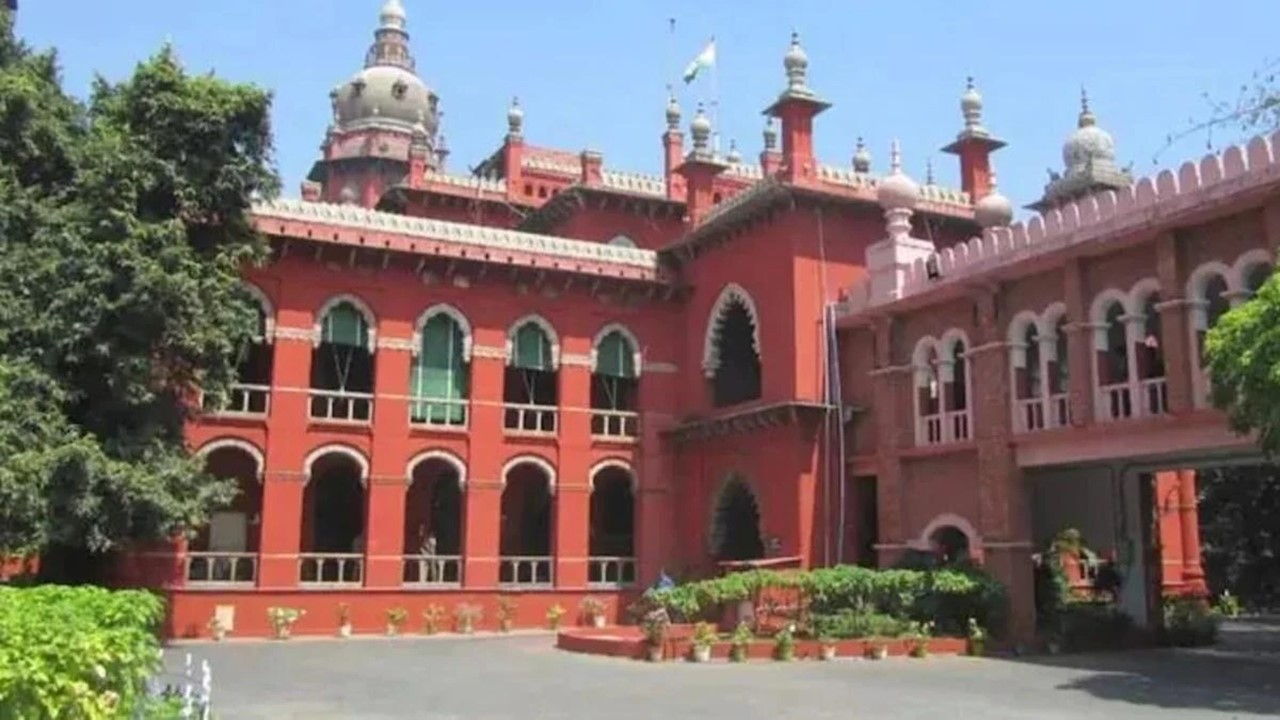
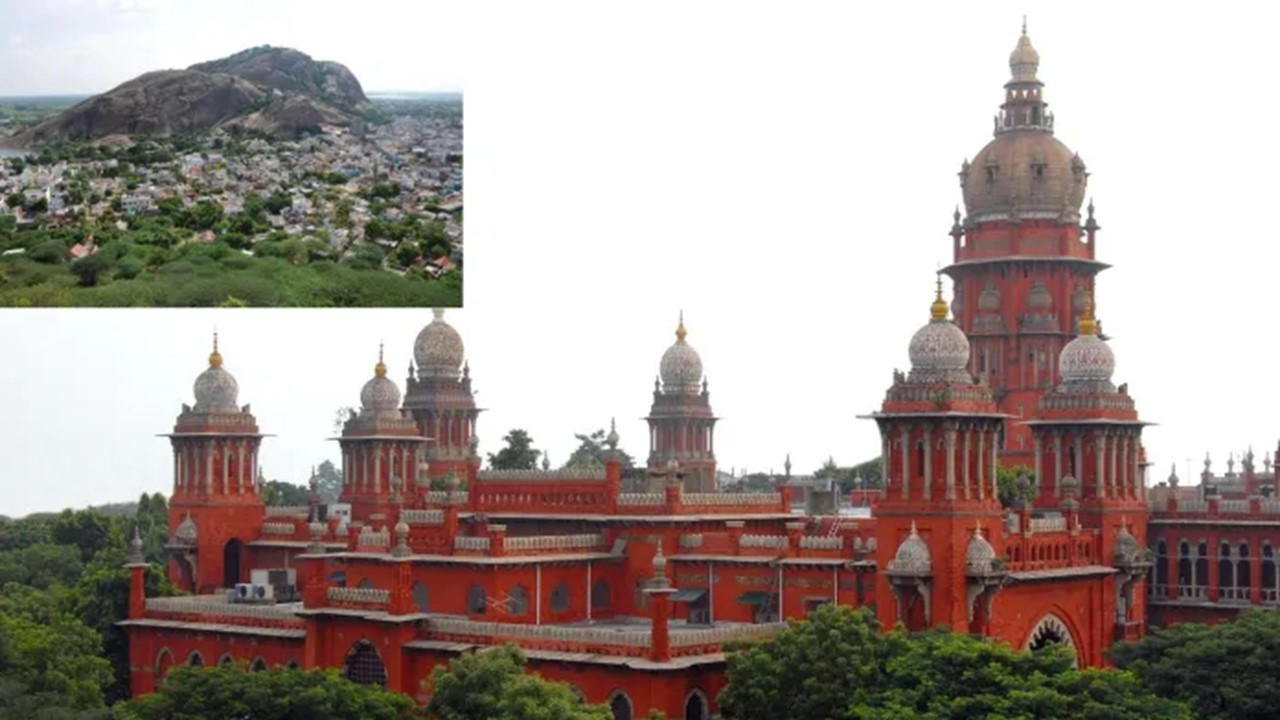
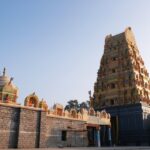
The judgment clarified that the Arulmigu Subramaniaswamy Temple Devasthanam owns most of the hill, while the Sikkandar Badusha Dargah occupies only a smaller section. The court ruled that a minor property holder cannot rename the entire hill, preserving its historic and cultural identity.
Ban on Animal Sacrifice
The court also imposed a complete ban on animal sacrifices at the dargah, stating that no historical or documentary evidence supports such a practice. The decision aligns with constitutional principles and aims to maintain peace and harmony at this multi-faith heritage site.
Guidelines for Religious Observance
While prohibiting animal sacrifice, the court allowed Muslim devotees to offer prayers in the Nellithoppu area during Ramzan and Bakrid, under strict conditions:
- No serving or transportation of non-vegetarian food.
- Compliance with public order and temple sanctity.
Cultural and Legal Significance
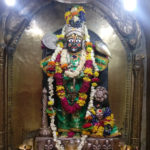
Thiruparankundram is one of the six sacred abodes of Lord Murugan, attracting thousands of devotees annually. The ruling safeguards its religious heritage while ensuring the lawful coexistence of diverse faiths. Legal experts hailed the judgment as a precedent for protecting historic names and preventing misuse of temple lands.
Local communities and heritage activists welcomed the decision, emphasizing that it will preserve the sanctity of the site and prevent conflicts over naming and practices.



Leave a Reply