
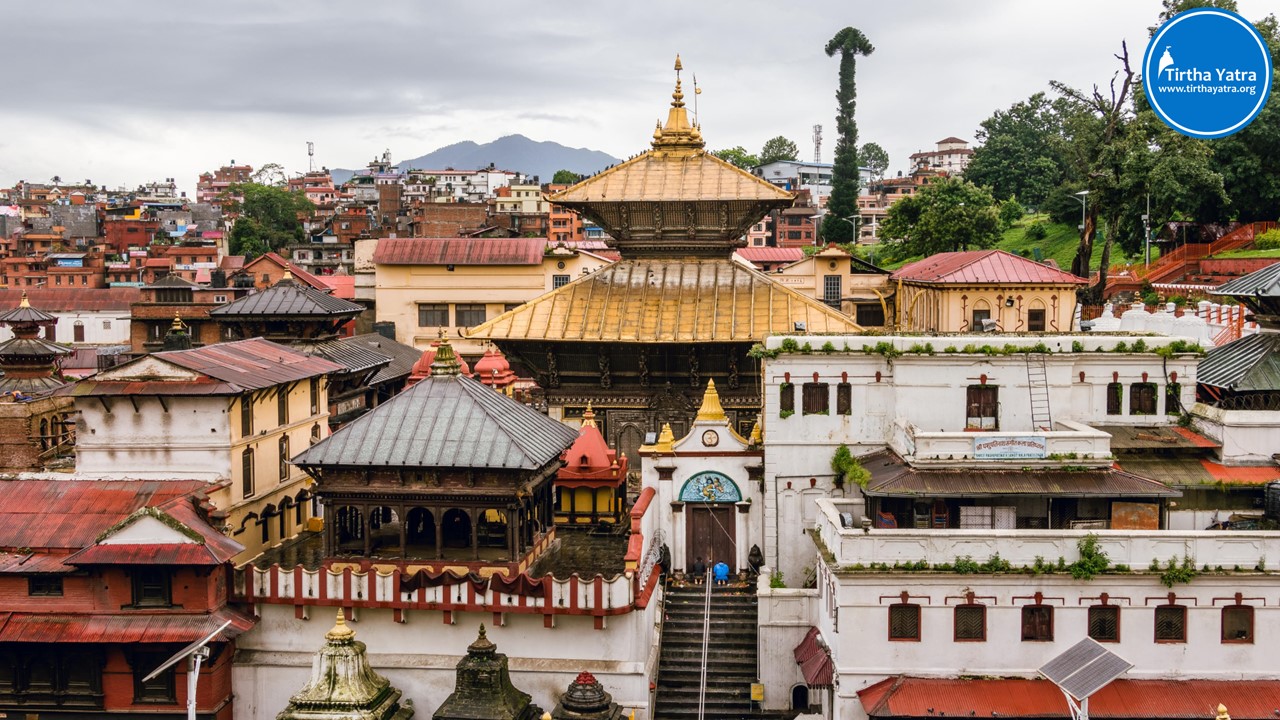
Over the past two days, Nepal has witnessed a massive uprising against corruption, unemployment, and several other fundamental social issues. This unrest has thrown the nation into chaos. Several key national buildings—including the Parliament, Supreme Court, and the Prime Minister’s residence—have been ransacked and set ablaze, forcing politicians to flee.
Taking advantage of the Gen Z–led protests, certain undesirable groups infiltrated the movement to push their own agendas. Among them was one group that attempted to attack the sacred Pashupatinath Temple, seeking to destroy the temple and loot the Deity’s treasures, ornaments, and vessels.

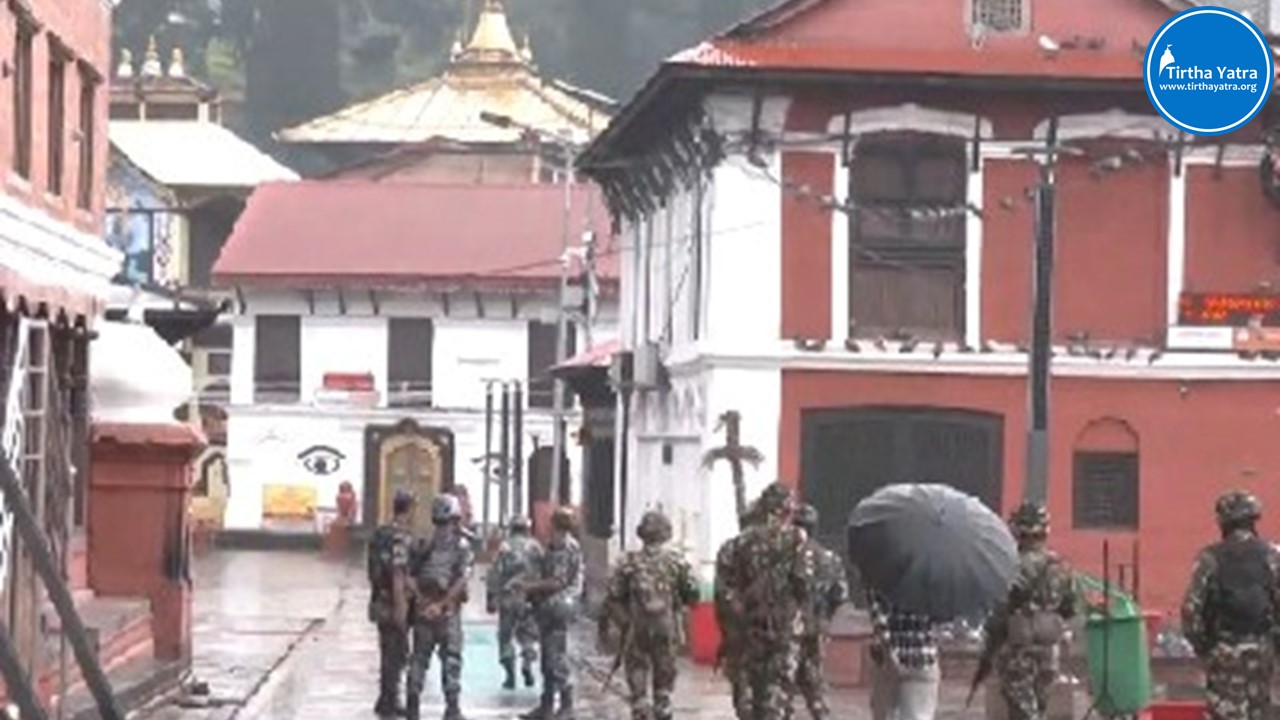
Amidst this turmoil, a ray of righteousness and strength emerged. Inspired by devotion and cultural pride, more than 500 local youths stood alongside the army to protect the temple from looters and vandals. Their courageous stand showcased the resilience of the people when it comes to safeguarding the nation’s cultural and spiritual heritage. Thus the temple complex was closed for public and despite the closure, the daily sevas of the Deity continued without disruption.
The Pashupatinath Temple is far more than just a Hindu place of worship. It transcends its religious identity, standing as a beacon of Nepal’s cultural and historical legacy. It is not only a sacred shrine but also a guardian of traditions, a community hub, and a symbol of national unity. In protecting the Pashupatinath Temple, the youth of Nepal have reaffirmed their commitment to preserving the nation’s culture, identity, and history for generations to come.






2 Comments On How Cultural Unity Safeguarded the Pashupatinath Temple
Mohan Krishnan
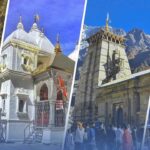
Such things happen at the behest of powerful lords who witness the happenings and who protect his devotees. He uses right person/s or nature itself to safeguard himself snd his properties. We witnessed such a disastrous event at Sree Kedarnath temple when it was flooded a few years ago.
PADMAJA C S
Great news. Om namah Shivay