
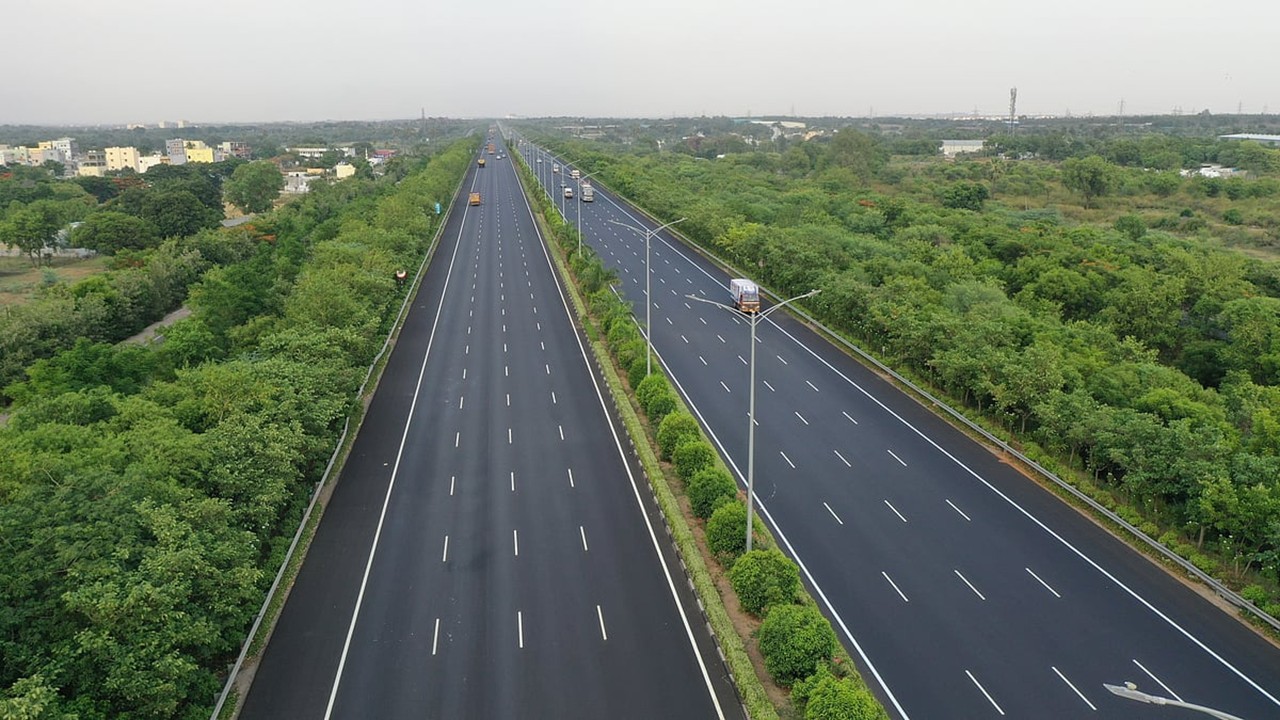

Spanning approximately 210 km, the six-lane, access-controlled expressway has been developed by the National Highways Authority of India (NHAI) under the Bharatmala Pariyojana. Designed for high-speed travel, it will significantly ease congestion on the existing NH-58 and provide seamless connectivity to major
towns, including Baghpat, Shamli, Saharanpur, and Haridwar.
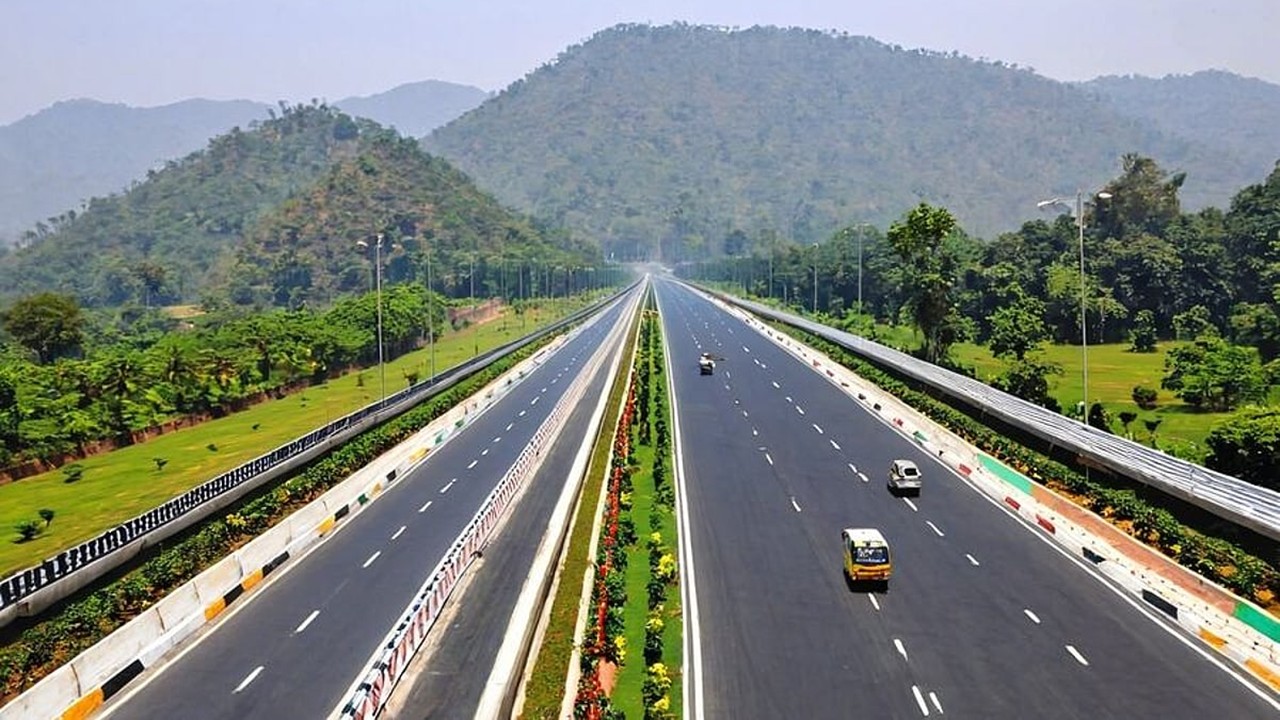
A key feature of the Delhi–Dehradun Expressway is Asia’s longest elevated wildlife corridor over the Rajaji Tiger Reserve, ensuring safe animal movement. The expressway will boost tourism, trade, and regional development, improve connectivity to Uttarakhand destinations, and provide a safe, comfortable journey, with a project cost of ₹13,000 crore.
4 Phases of Delhi–Dehradun Expressway Project
Phase 1 – Delhi to Shamli: Six-lane corridor with interchanges and service roads.
Phase 2 – Shamli to Saharanpur: Bridges, flyovers, and underpasses for smooth traffic.
Phase 3 – Saharanpur to Roorkee/Haridwar: Includes an elevated wildlife corridor for safe animal movement.
Phase 4 – Roorkee/Haridwar to Dehradun: Access to Rishikesh and Mussoorie with rest areas and tolls.
Delhi–Dehradun Expressway: Key Highlights
- Reduces travel time from 5–6 hours to just 2.5 hours and shortens distance from 280 km to 210 km.
- Six-lane access-controlled expressway, expandable to eight lanes, connecting Delhi and Dehradun via Saharanpur.
- Includes Asia’s longest elevated wildlife corridor over Rajaji Tiger Reserve and modern safety systems.
- Boosts tourism, trade, logistics, and regional development; project cost ₹13,000 crore under Bharatmala Pariyojana.
With the Delhi–Dehradun Expressway launch approaching, travelers can look forward to a faster, safer, and more scenic journey from Delhi to the hills.



Leave a Reply