
This day serves as an important occasion to reflect on the achievements of women, promote gender equality, and recognize the strength and resilience of women across cultures and generations.
International Women’s Day also encourages people to express gratitude to the women who have influenced their lives — mothers, teachers, leaders, scholars, and caregivers — whose dedication and efforts continue to inspire the world.
The Role of Women in Society
In the modern world, women excel in countless professions. They serve as doctors, engineers, entrepreneurs, artists, political leaders, teachers, scientists, civil servants, bankers, and members of the armed forces including the army, navy, and air force.
Across every field, women continue to lead innovation, influence policy, and inspire future generations.
At the same time, women who choose to dedicate their lives to homemaking contribute just as profoundly. By nurturing families, building strong homes, and instilling values in children, they shape the future of society. Whether in professional roles or within the home, a woman’s contribution remains immeasurable and deeply impactful.
Madurai Meenakshi – The Queen Who Rules Madurai
During the auspicious Tamil month of Chittirai, the temple celebrates Meenakshi Pattabhishekam, the sacred coronation ceremony in which the goddess is crowned as the ruler of Madurai. On this special occasion, she is adorned with a diamond-studded crown (Kireetha) and presented with the Sengol, symbolizing royal authority.
Her husband, Lord Sundareshwar, ceremonially hands over the right to rule the kingdom to her. From Chittirai to Avani, she is believed to reign as the sovereign of Madurai, upholding justice and protecting her people.
The name Meenakshi means “the one with fish-like eyes.” Just as a fish watches over its young with constant attention, the goddess is believed to protect the people of Madurai with her compassionate gaze, caring for every devotee as her own child.
This tradition beautifully symbolizes the power and leadership of the divine feminine.
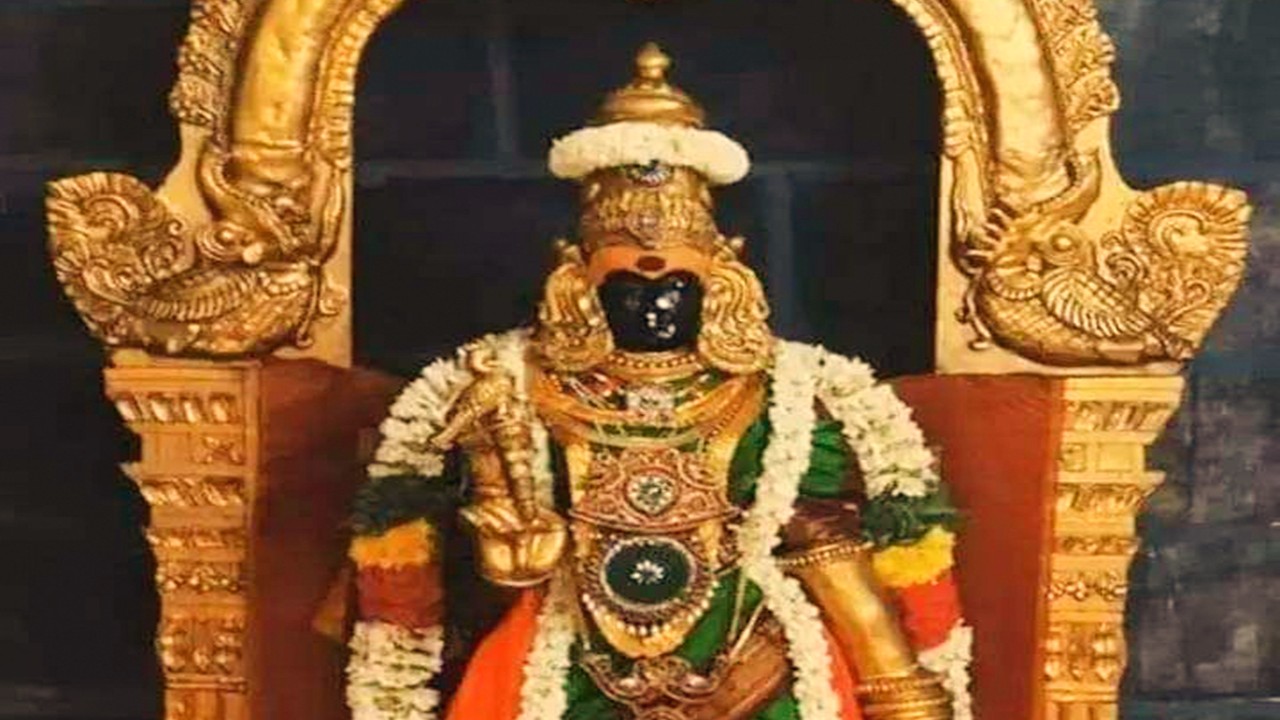
Nachiyar Koil – Where the Goddess Leads
What makes this temple unique is that Goddess Vanjuval Nachiyar (Thayar) is given greater prominence than Lord Srinivasa Perumal.
According to temple tradition, Lord Srinivasa agreed to marry the goddess on the condition that she would always receive precedence and honour. True to this promise, the temple rituals reflect her elevated status.
Unlike most temples where the male deity occupies the central focus, Nachiyar Koil places the goddess at the forefront. All major rituals, ceremonial offerings, and festival processions begin with her.
The tradition symbolizes the reverence for feminine divinity and highlights the spiritual significance of women within the Sri Vaishnava tradition.
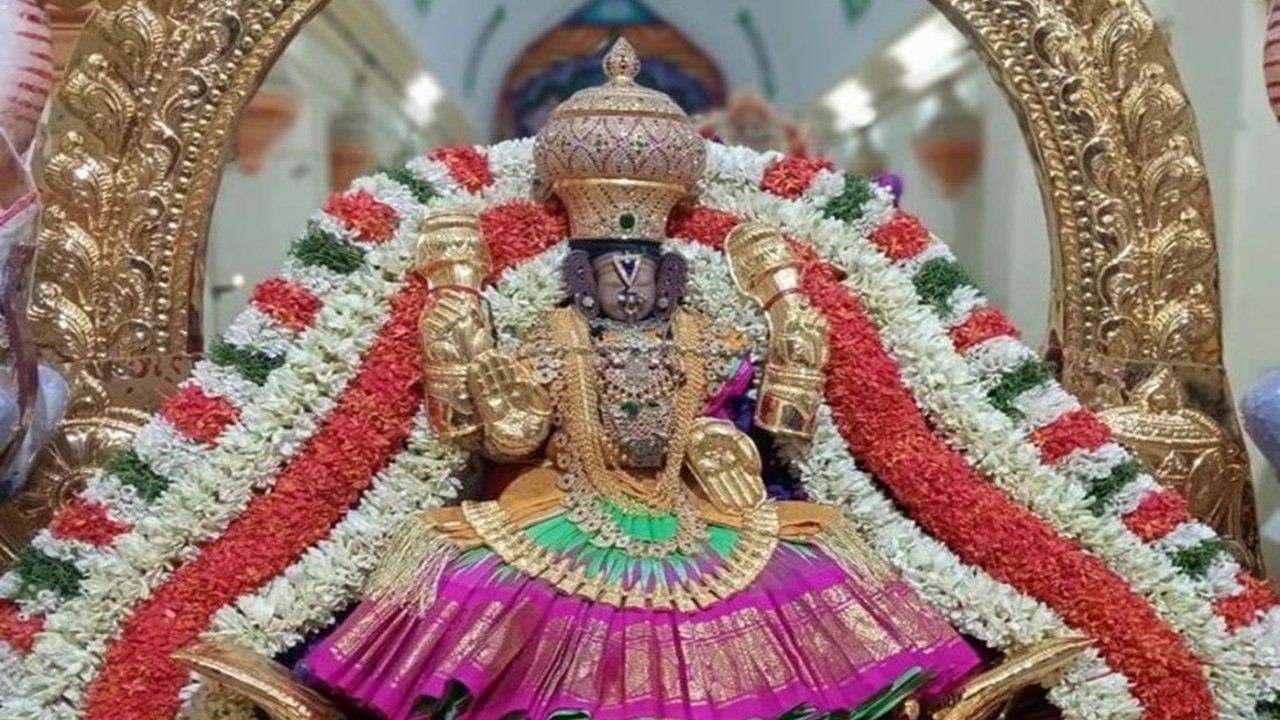
Pundarikakshan Perumal temple – The Goddess Who Watches Over Time
During the procession, Goddess Pankajavalli Thayar pauses and symbolically “asks for the time.” This ritual represents her loving oversight and divine awareness of the sacred moments that guide the lives of devotees.
The ceremony reflects the harmony between Pundarikakshan Perumal’s compassion and Pankajavalli Thayar’s nurturing guidance, reminding devotees that the divine mother lovingly watches over the unfolding of time and destiny.
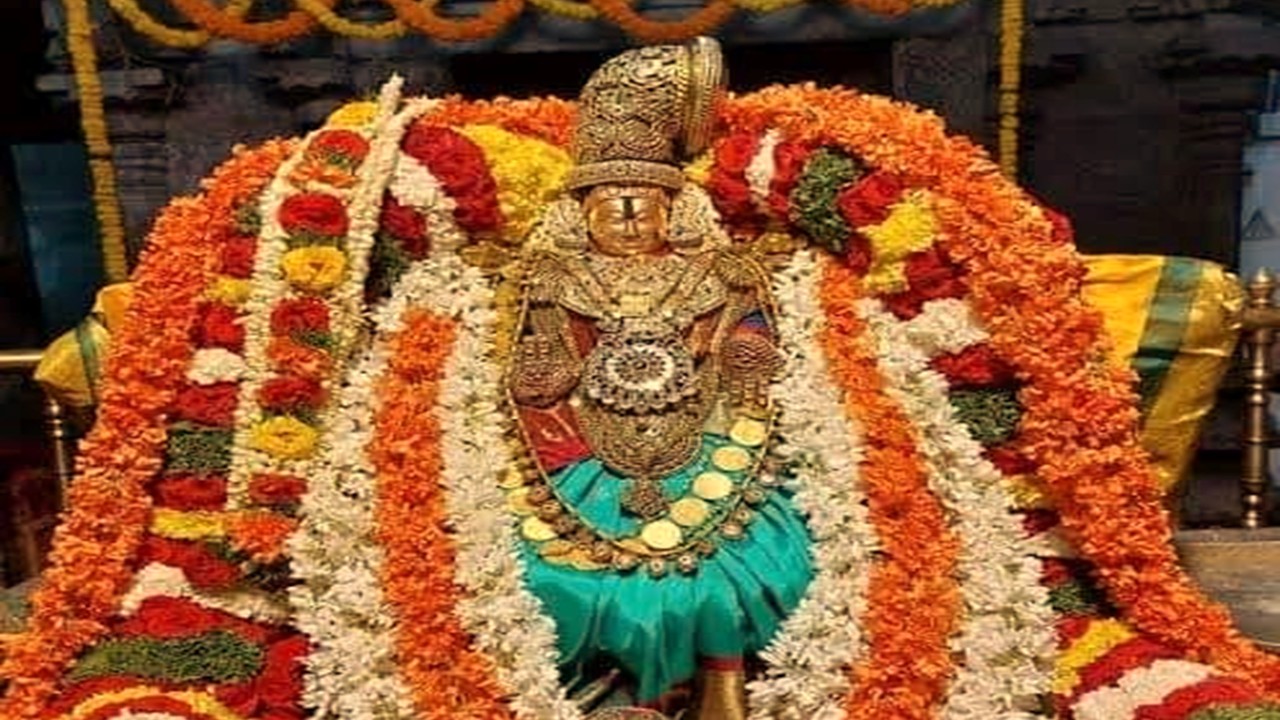
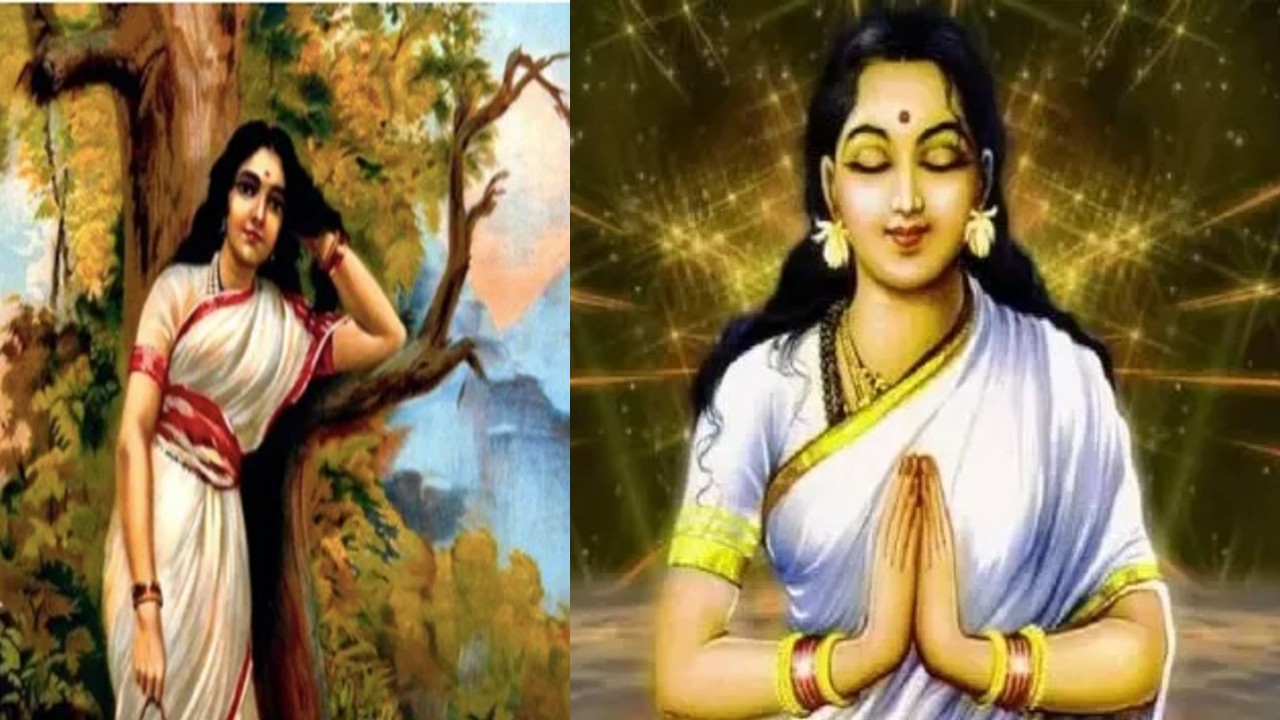
Gargi and Maitreyi – Women Scholars of Ancient India
Gargi Vachaknavi
Maitreyi
Her dialogue reflects the Vedic tradition’s recognition of women as serious thinkers and spiritual seekers.
Women-Centric Temples in India – Celebrating Feminine Power on International Women’s Day
Chakkulathukavu Temple, Kerala – Celebrates Naari Puja, a women-centered ritual honoring the goddess, emphasizing feminine spiritual power.
Kamakhya Temple, Assam – Hosts Ambubachi Mela, marking the goddess’s annual menstruation; the festival highlights fertility and the sacred feminine.
Chengannur Bhagavathy Temple, Kerala – Observes Thriputharattu, rituals during goddess’s menstrual cycle, symbolizing women’s divine energy and fertility.







Leave a Reply