
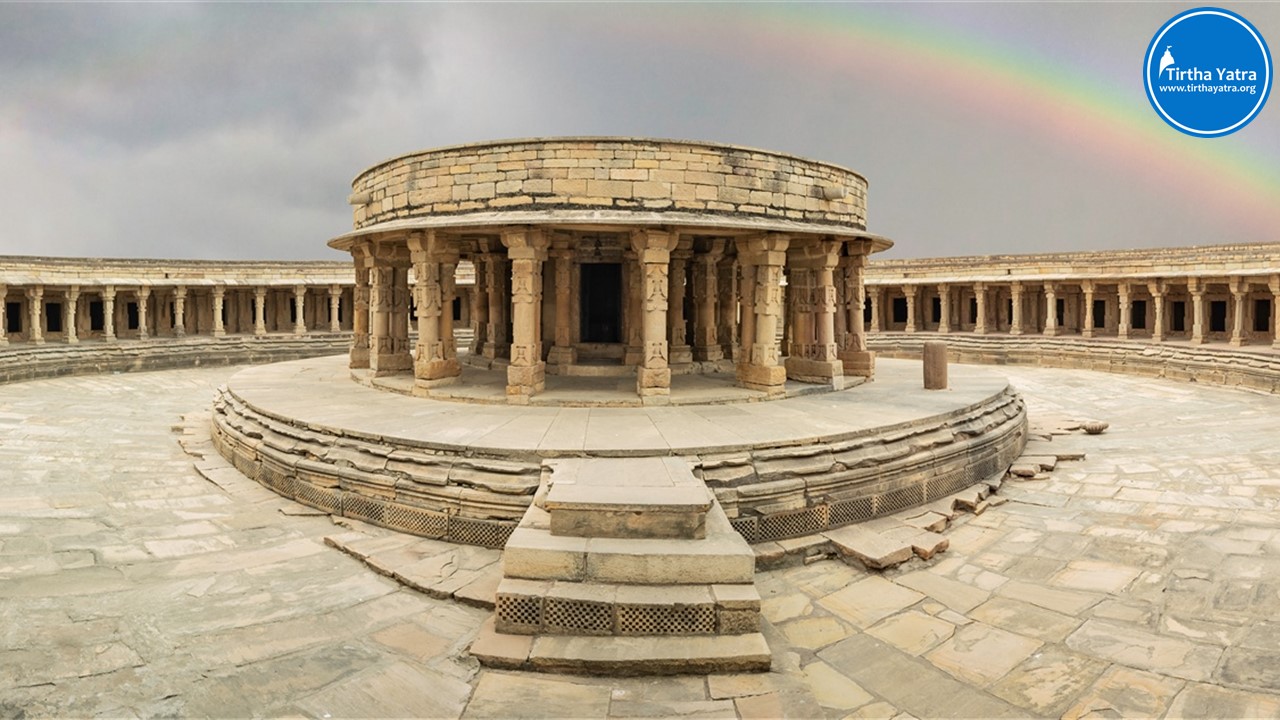
Balangir, Odisha – In a significant move towards preserving India’s ancient heritage, the government has announced a ₹60 crore plan to restore and rejuvenate the iconic Chausathi Yogini Temple at Ranipur-Jharial in Balangir district. This ambitious project aims to highlight the architectural grandeur and cultural legacy of the 9th–10th century temple, making it a prime attraction for both devotees and tourists.
Ancient Marvel of Odisha
The Chausathi Yogini Temple is one of the rare temples in India dedicated to the 64 Yoginis, a unique tantric cult of goddess worship. Built during the Somavamsi dynasty, the temple stands as a testimony to Odisha’s rich spiritual traditions and architectural brilliance. Its circular design, intricate stone carvings, and depictions of Yoginis make it an unparalleled masterpiece of early medieval art.
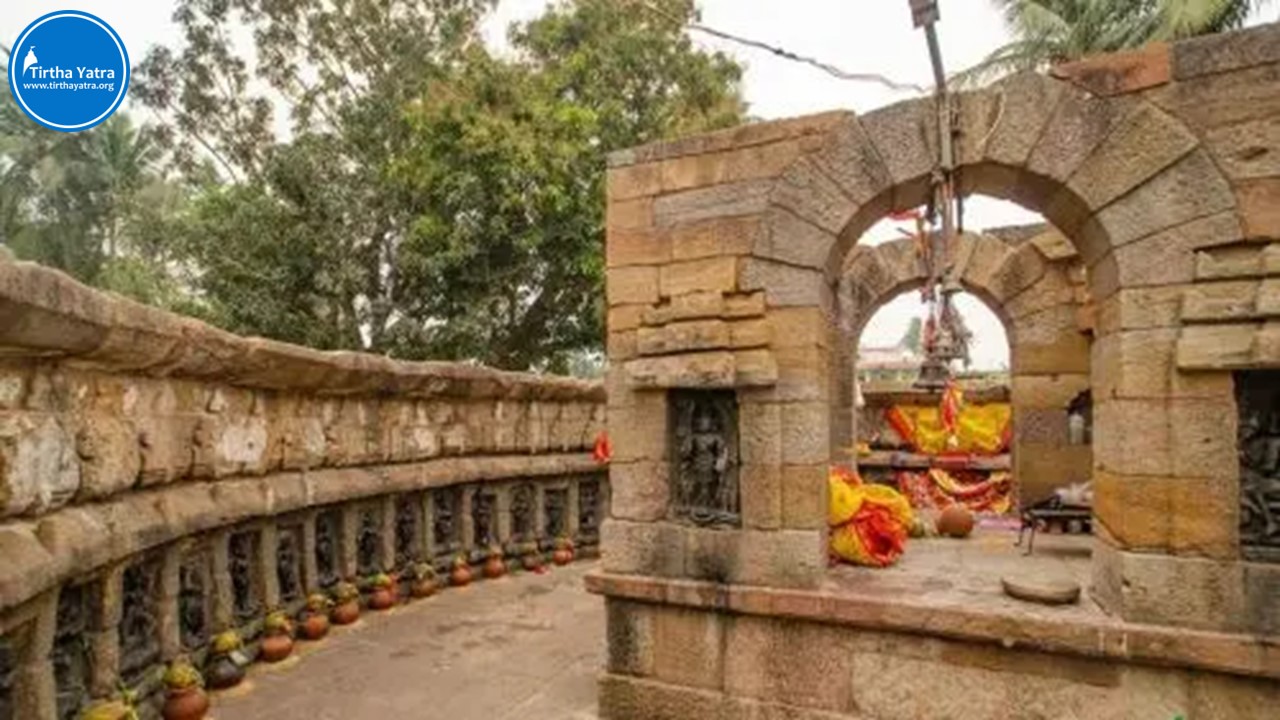
₹60 Crore Revamp for Tourism & Devotion
The ₹60 crore heritage development project will focus on:
- Conservation of the ancient structure using traditional methods.
- Improved infrastructure, including pathways, lighting, and visitor facilities.
- Promotion of heritage tourism to attract national and international travelers.
- Cultural programming and awareness drives to revive interest in Yogini worship traditions.
Officials have highlighted that the project will not only conserve the temple but also transform Ranipur-Jharial into a significant spiritual and heritage tourism hub in Odisha.
Cultural & Spiritual Significance
Ranipur-Jharial is often referred to as the “Somatirtha” due to its historical association with Shaivism, Shaktism, Buddhism, and Vaishnavism. The Chausathi Yogini Temple here is one of only four such temples surviving in India, adding to its rarity and global importance. For devotees and researchers alike, it offers a unique glimpse into the esoteric practices of Tantric traditions and their influence on Indian spirituality.
Boost for Odisha’s Heritage Tourism
With the revival plan in place, the government expects a surge in pilgrim footfall and cultural tourism in the region. The project is also aligned with Odisha’s broader goal of positioning itself as a premier destination for heritage and spiritual tourism.
The ₹60 crore restoration of the Chausathi Yogini Temple is not just about preserving stone and sculpture—it is about reviving a living heritage that connects past spiritual traditions with the present. Once completed, the project will undoubtedly place Ranipur-Jharial on the global cultural map.











Leave a Reply